The flickering static gives way, and the screen bleeds colours that feel both garish and grim. Some VHS tapes just carried a certain weight, didn't they? The chunky plastic casing of Hideaway promised something dark, a techno-infused plunge into territory that felt dangerously new back in 1995. It hinted at horrors not just lurking in shadows, but potentially hardwired into the very fabric of life and death, glimpsed through another’s corrupted eyes. This wasn't just a ghost story; it was a violation broadcast directly into the soul.
### A Second Chance, A Borrowed Nightmare
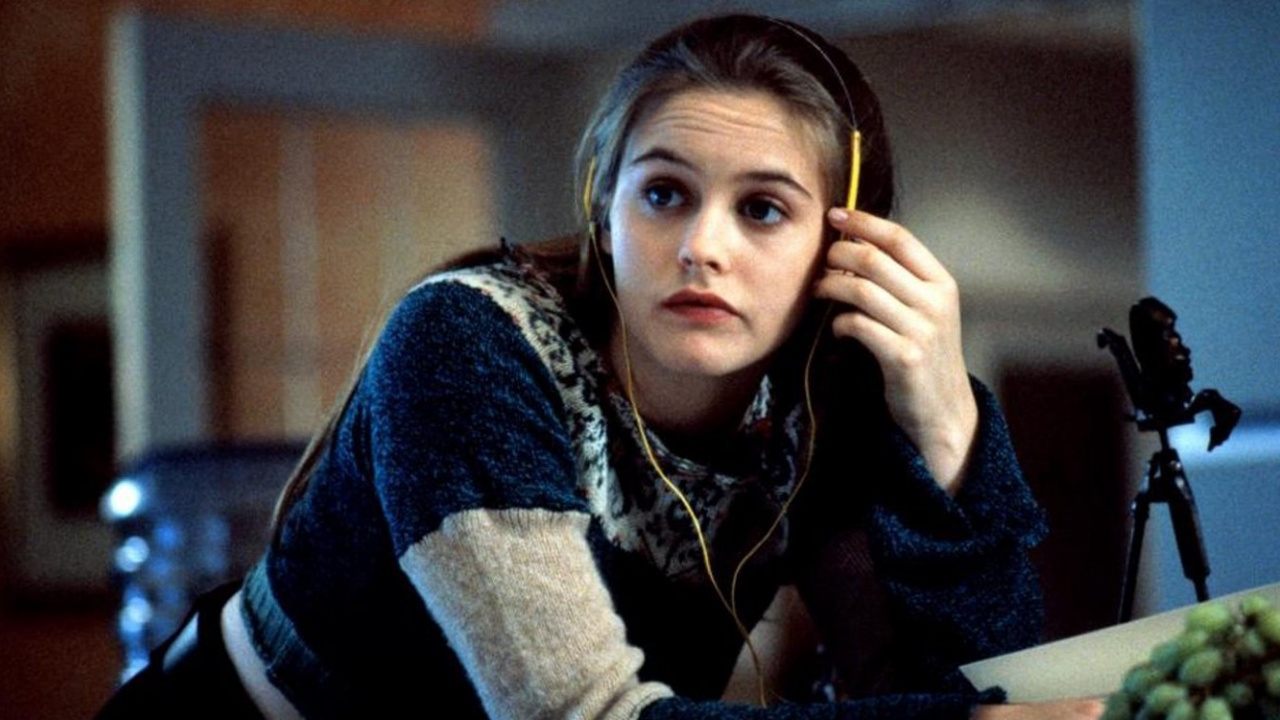
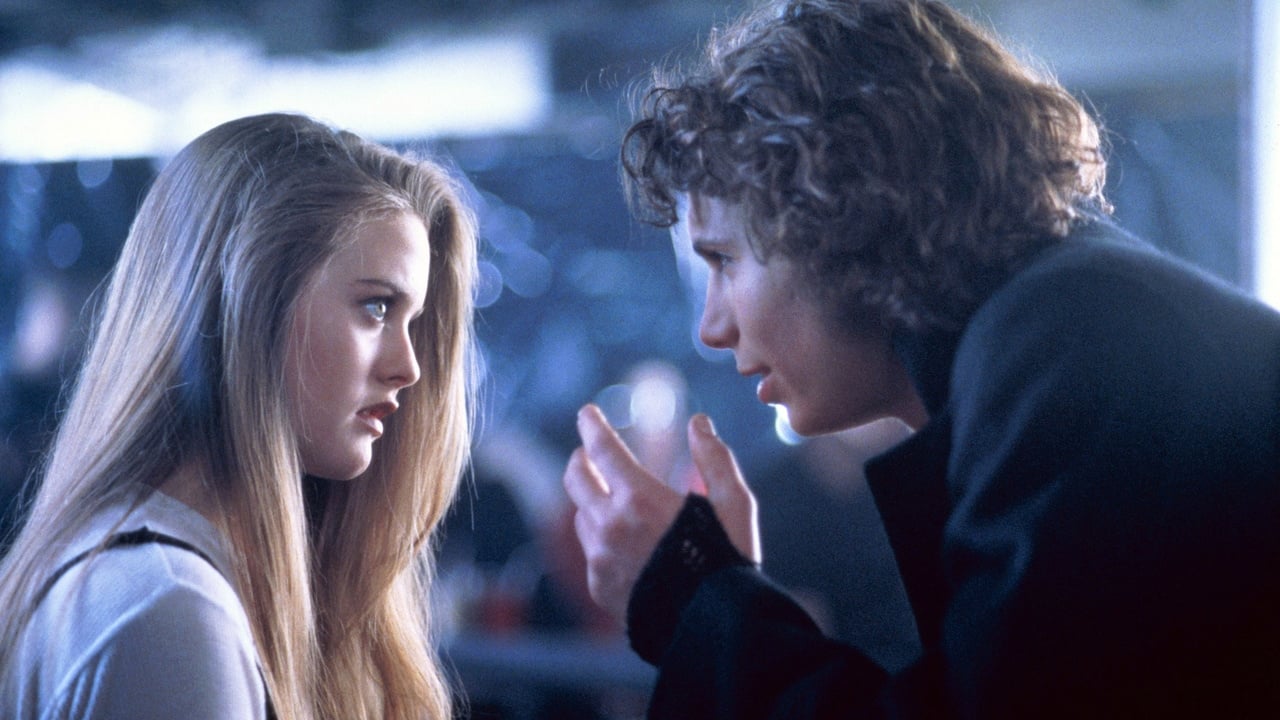
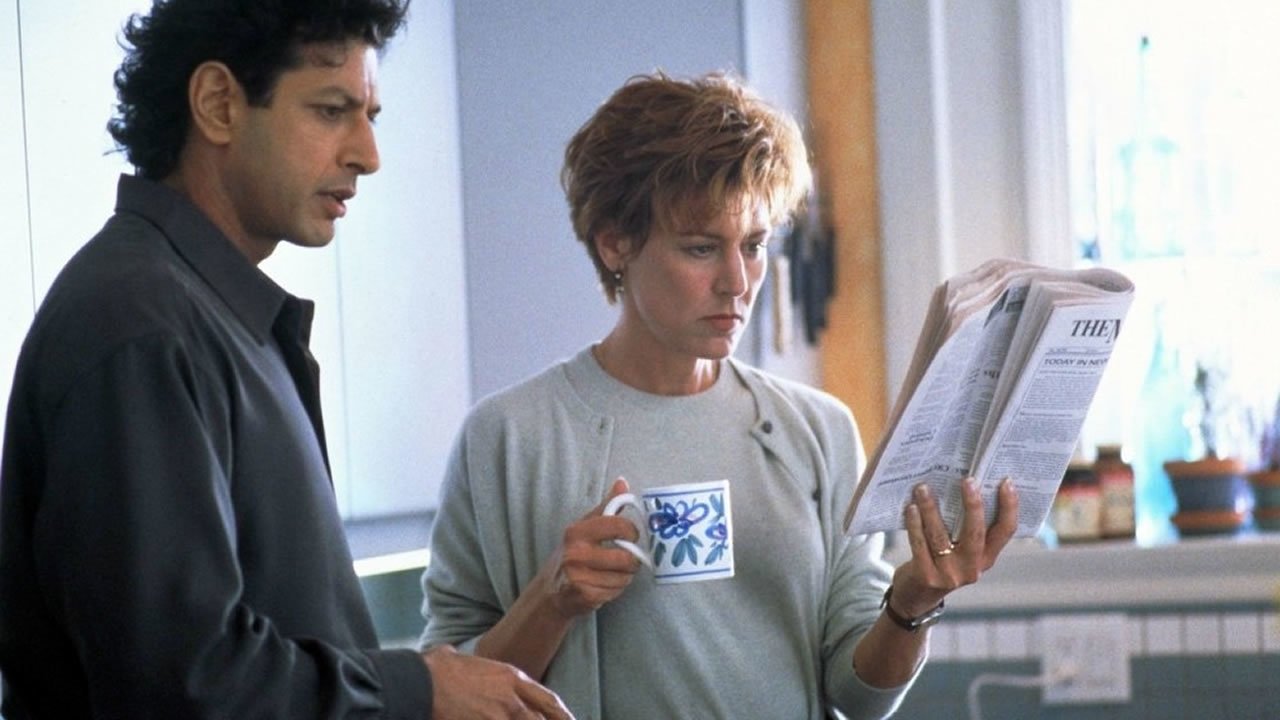
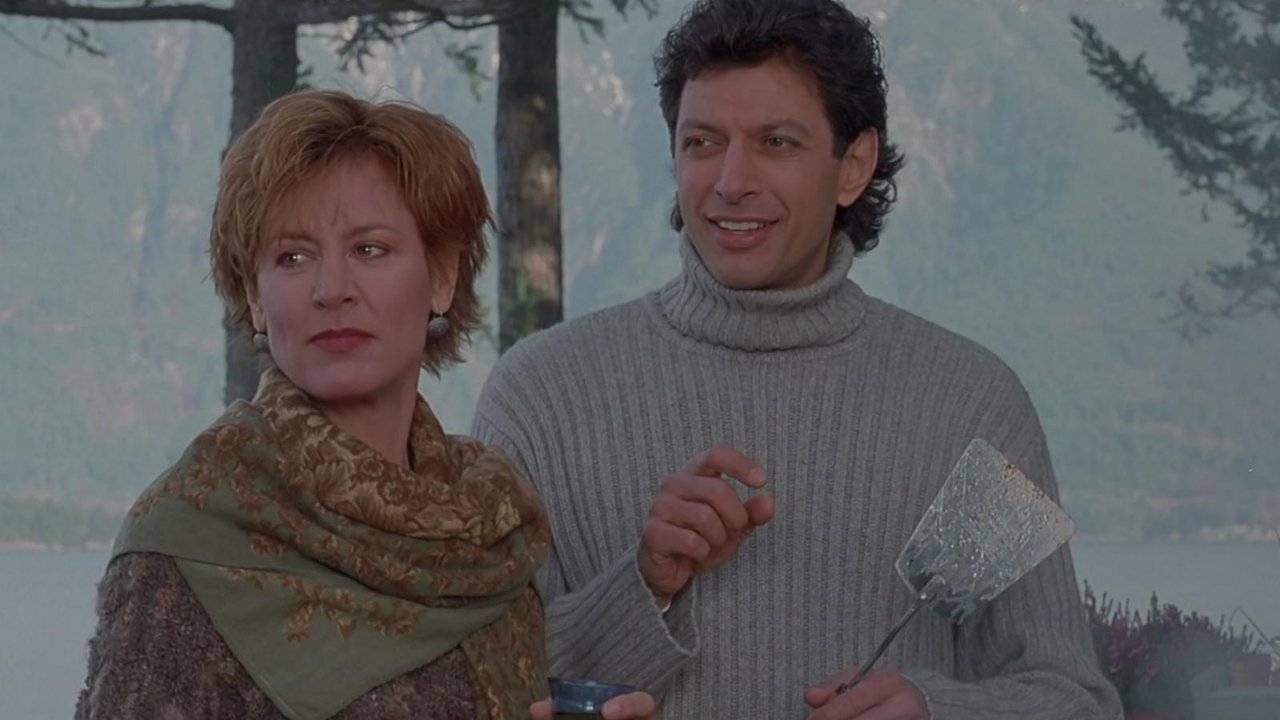
The premise hooks you with a chilling simplicity: antique dealer Hatch Harrison (Jeff Goldblum) crashes his car, dies on the operating table for over two hours, and is miraculously revived by resuscitation expert Dr. Jonas Nyebern (Alfred Molina). But Hatch doesn't come back alone. He returns with a terrifying psychic link to a sadistic, Satan-worshipping serial killer named Vassago (Jeremy Sisto), experiencing the killer's senses, seeing through his eyes as he stalks and murders young women. The idyllic life Hatch fought to return to – his loving wife Lindsey (Christine Lahti) and troubled teenage daughter Regina (Alicia Silverstone) – is now under constant, invasive threat from the evil he inadvertently harbours.
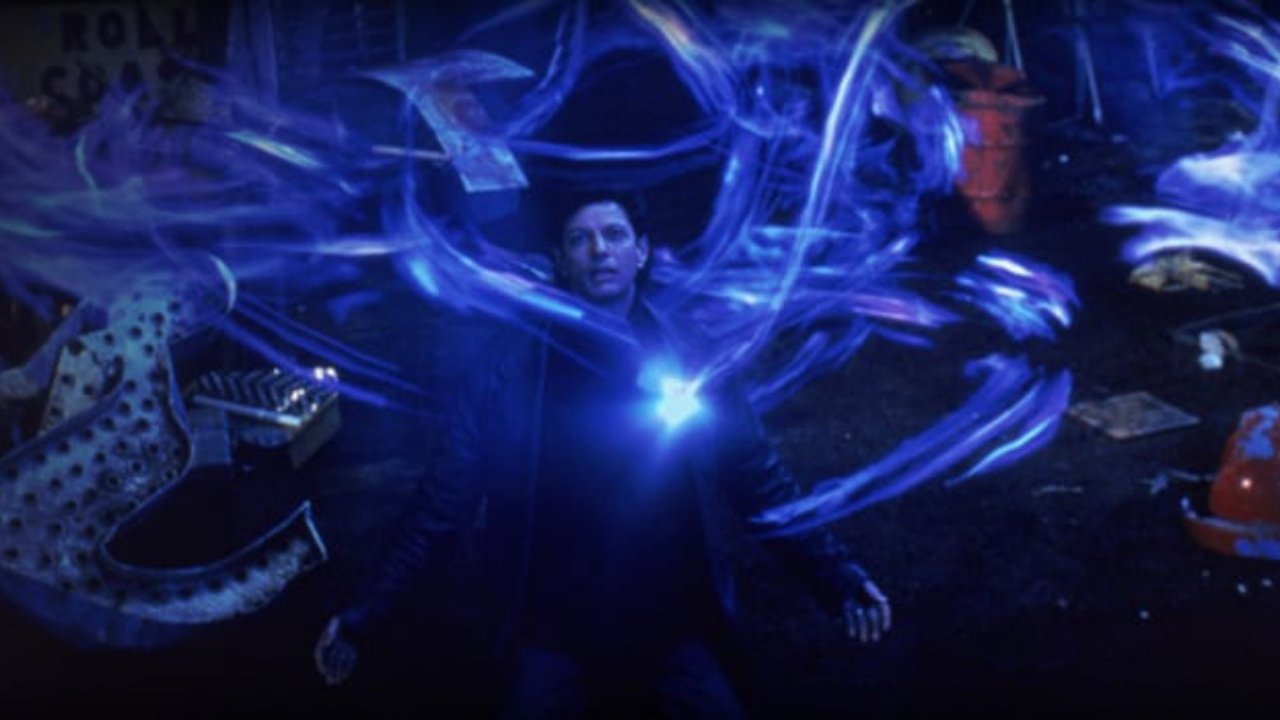
Directed by Brett Leonard, who had previously dragged audiences into the digital uncanny valley with The Lawnmower Man (1992), Hideaway attempts a similar fusion of the technological and the terrifying. Leonard brings a distinct visual flair, particularly in depicting the psychic link. These sequences are often jarring, hyper-stylized visions – think early, glitchy music videos meets Boschian hellscape – full of distorted imagery, neon religious iconography twisted into blasphemy, and pulsating industrial dread. They capture a specific mid-90s anxiety about where technology might lead us, even if the execution sometimes bumps against the limitations of the era's digital effects, which now possess a certain retro charm alongside the more visceral practical gore.
### Goldblum vs. The Abyss
Jeff Goldblum anchors the film with his signature nervous energy. Watching him grapple with the unwanted intrusion – the sudden flashes of brutality interrupting moments of domestic peace – is compelling. His tics and thoughtful pauses lend Hatch a vulnerability that makes the psychic violation feel palpable. You see the intellectual trying to rationalize the impossible horror bleeding into his reality. Opposite him, Christine Lahti brings grounded emotional weight as Lindsey, her fear and confusion mirroring the audience's. And Alicia Silverstone, riding high on her Clueless (1995) fame released the same year, convincingly portrays the rebellious teen who inevitably becomes a target, adding another layer of familial stakes.
But the film truly ignites whenever Jeremy Sisto's Vassago is onscreen, or even just felt through Hatch's connection. Sisto delivers a genuinely unsettling performance, channeling a chilling blend of charismatic evil and unpredictable violence. He’s not just a killer; he’s a force of nihilistic chaos who believes he's transcended death, operating from a lair that looks like a Nine Inch Nails video set designed by H.R. Giger. It’s a committed, intense performance that elevates the threat beyond a standard slasher villain.
### Koontz, Walker, and a Troubled Birth
Peeling back the layers of Hideaway's production reveals a story almost as intriguing as the film itself. The screenplay credits list Andrew Kevin Walker and Neal Jimenez, adapted from the novel by horror heavyweight Dean Koontz. Walker, interestingly, also penned the script for the bleak masterpiece Se7en, released the very same year. While both films delve into horrific darkness, Hideaway leans more towards supernatural spectacle than Fincher's grim procedural.
This adaptation, however, notoriously soured its relationship with the original author. Dean Koontz was reportedly so displeased with the significant deviations from his novel – particularly the simplification of Vassago's motives and the altered climax – that he allegedly tried (unsuccessfully) to have his name removed from the credits entirely. Knowing this adds a fascinating wrinkle; you watch the film wondering about the richer, perhaps more complex story left behind on the page, even as you appreciate the pulpy, visual strangeness Leonard brought to the screen. It's a classic Hollywood tale: the bestselling author versus the studio's vision, played out against a backdrop of emerging digital effects and 90s horror tropes. Apparently, the film's modest $15 million budget didn't quite stretch to fully realizing Koontz's grander vision, resulting in the $12.2 million US box office return feeling somewhat expected.
### The Lingering Chill of Connection
Does Hideaway perfectly hold up? Perhaps not entirely. The early CGI can look dated, some plot points feel rushed, and the techno-thriller elements occasionally clash with the supernatural horror rather than seamlessly blending. Yet, there’s an undeniable atmosphere here. The film taps into a primal fear – the loss of control, the invasion of one's safest spaces (even the mind itself), and the horrifying idea that evil can latch on like a parasite. Trevor Jones's score effectively underscores the dread, shifting between unsettling ambiance and jarring electronic pulses during Vassago's intrusions.
I remember seeing that stark VHS cover art in the rental store – Goldblum's anguished face, the hint of demonic eyes – and feeling that pull towards something genuinely disturbing. It promised a different kind of scare, less about jump moments and more about pervasive unease. Watching it again now, that feeling lingers. It's a flawed gem, perhaps, but a fascinating snapshot of mid-90s horror ambitions, trying to grapple with new technology while delivering old-school chills. The central concept remains potent, and Sisto's villainy is unforgettable.
Rating: 6/10
Justification: Hideaway earns points for its genuinely creepy central premise, Jeremy Sisto's standout menacing performance, Jeff Goldblum's committed lead role, and Brett Leonard's visually ambitious (if sometimes dated) direction that creates a distinct, unsettling atmosphere. It captures a specific mid-90s techno-horror vibe effectively. However, it loses points for the somewhat clunky script, the dated CGI that occasionally pulls you out, and the feeling that it simplifies its source material (as Dean Koontz himself felt), never quite reaching the potential of its core idea.
Final Thought: A fascinating, flawed artifact from the VHS shelves, Hideaway might not be perfect, but its dark premise and disturbing antagonist burrow under your skin in a way that many slicker, more modern thrillers fail to achieve. It’s a reminder of a time when horror was exploring the terrifying possibilities linking technology, the soul, and the things that refuse to stay dead.