## That Endless White Silence: Reflecting on Antarctica (1983)

There are images from Koreyoshi Kurahara’s Antarctica (南極物語, Nankyoku Monogatari) that etch themselves into your memory with the permanence of ice. The vast, blinding whiteness stretching to infinity, broken only by the dark shapes of men and their loyal Sakhalin Huskies battling the elements. It’s a landscape both breathtakingly beautiful and terrifyingly indifferent. Watching it again, decades after first encountering its haunting story probably on a rented VHS tape that felt heavier, somehow, than others, the film’s central question still echoes: what endures when everything else is stripped away by nature’s unforgiving hand?
Based on a harrowing true event from 1958, Antarctica recounts the tale of a Japanese scientific expedition forced by a sudden, severe blizzard to evacuate their Antarctic base, leaving behind fifteen essential sled dogs. The plan was to return quickly, but weather and circumstance conspire against them, leaving the dogs chained and abandoned to face the brutal polar winter alone. It’s a premise fraught with potential heartbreak, and Kurahara, working from a script co-written with Tatsuo Nogami, Toshirô Ishidô, and Kan Saji, doesn't shy away from the grim realities.
The Weight of Responsibility
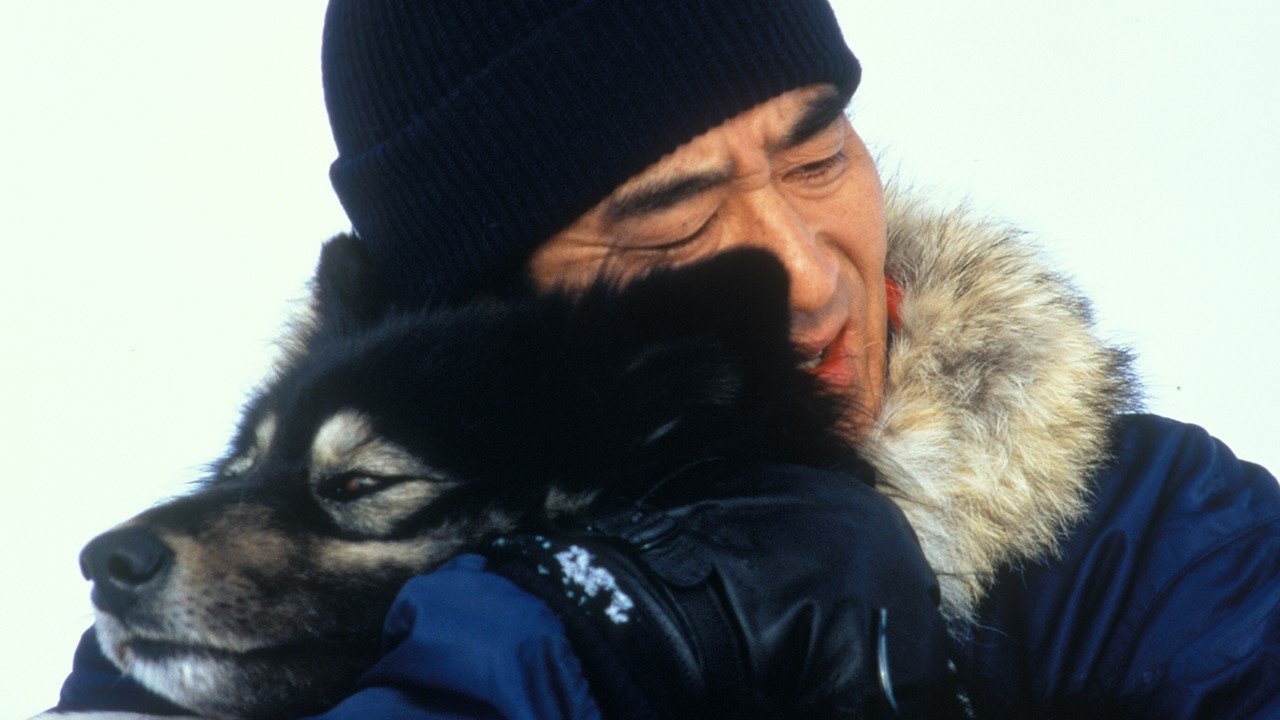
What strikes me now, perhaps more than on first viewing, is the profound sense of guilt carried by the human characters, particularly the dog handlers Ushioda (the legendary Ken Takakura) and Ochi (Tsunehiko Watase). Takakura, an actor renowned for his stoic intensity – think Japan's answer to Clint Eastwood, but with a deeper current of sorrow – is perfectly cast. His performance is a masterclass in restraint; the anguish is palpable not through histrionics, but through the set of his jaw, the look in his eyes, the way he carries the physical and emotional burden of the decision made under duress. We see the men grappling with their actions, haunted by the faces of the dogs they loved and left behind. It asks a difficult question: how do we live with choices made in impossible situations?
It’s a testament to the film’s power that this human drama resonates so strongly, especially considering a significant portion focuses purely on the dogs’ struggle for survival. This section, almost a silent film in itself driven by instinct and the stark visuals of the Antarctic wilderness, is where the film truly finds its unique, almost elemental voice.
Survival Against the Ice
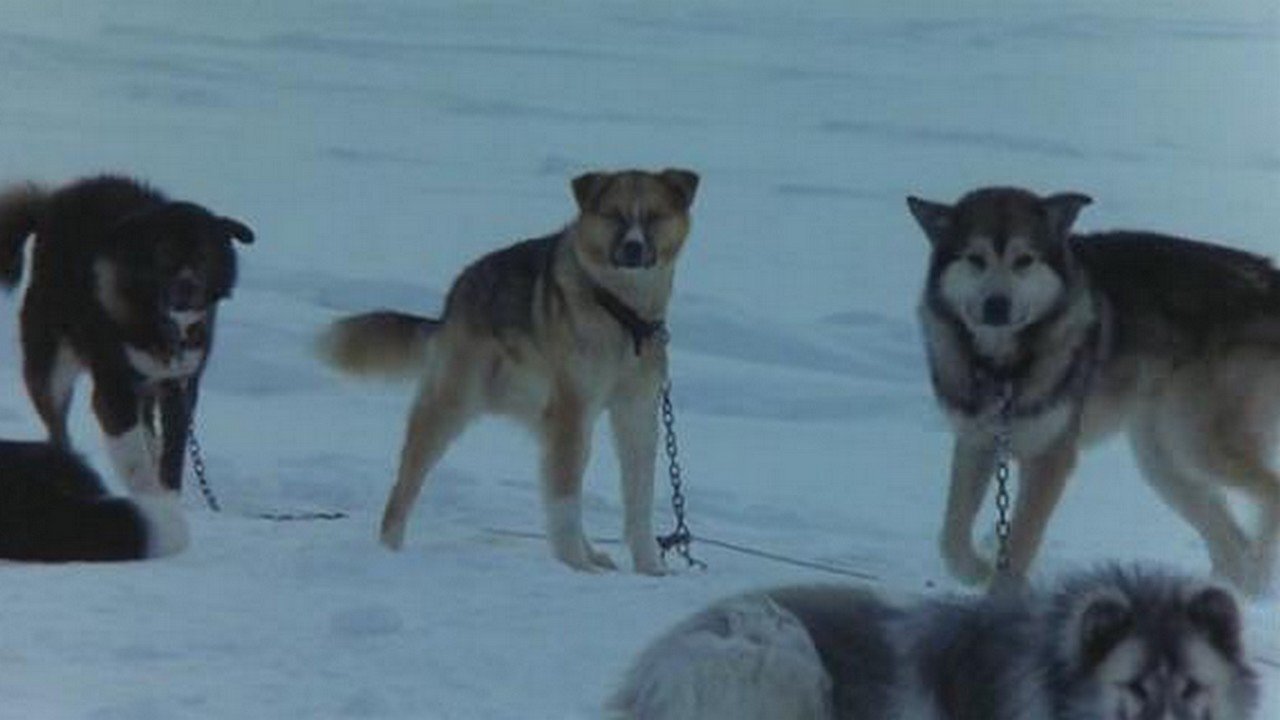

Filming on location in Hokkaido and reportedly even parts of Antarctica itself, Kurahara captures the continent's desolate majesty with an unflinching eye. The cinematography makes you feel the biting wind, the crushing cold, the sheer scale of the environment dwarfing the animals left to fend for themselves. The practical challenges must have been immense – working with animals in such extreme conditions, capturing the raw struggle without overt manipulation. It’s said the production used numerous dogs, carefully trained, to portray the fifteen huskies, and the commitment to realism pays off. You believe in their plight, their resourcefulness, their pack dynamics, and ultimately, their desperate fight against starvation, predators, and the relentless cold.
This focus on the dogs was apparently even more pronounced in some international edits, perhaps recognizing the universal appeal of animal survival stories. But the original Japanese cut, with its greater emphasis on the human guilt and longing, feels more complete, providing a crucial emotional anchor. The film became a monumental success in Japan, remaining one of its highest-grossing domestic films for years – a testament to how deeply this story of loyalty, sacrifice, and the unbreakable bond between humans and animals resonated with audiences. It reportedly cost ¥2.5 billion (around $10 million USD in 1983, a significant sum then) and earned over ¥11 billion ($46 million USD) at the Japanese box office alone.
Sounds of Silence and Synth
And then there’s the score. Oh, that score! By 1983, Vangelis was already iconic, thanks to Chariots of Fire (1981) and Blade Runner (1982). His synthesizer-heavy soundtrack for Antarctica is instantly recognizable and became a massive hit album in its own right. It’s a fascinating juxtaposition – the electronic waves washing over the primordial, organic landscape. Does it always perfectly fit? Maybe not. At times, the sweeping synth melodies feel almost too grand, perhaps dating the film slightly. Yet, undeniably, it adds a unique layer of ethereal beauty and melancholy, amplifying the vastness and the emotional weight. Tracks like "Theme from Antarctica" became synonymous with the film's haunting atmosphere, lingering long after the credits rolled on countless CRT screens. I remember that score being almost as talked about as the movie itself back in the day.
Enduring Legacy
Antarctica isn't an easy watch. It’s deliberately paced, emotionally taxing, and confronts viewers with the harsh realities of nature and the consequences of human fallibility. It’s not the kind of film you pop in for light entertainment. I recall renting it from the local video store, drawn by the stark cover art, perhaps expecting something akin to a Disney adventure, only to be confronted with something far more profound and somber. It’s a film that stays with you, prompting reflection on our relationship with the natural world and the animals we share it with. It explores themes of duty, regret, and the incredible resilience of life in the face of overwhelming odds. Disney did later remake the core story, stripping away much of the human guilt angle, into the more family-friendly Eight Below (2006), which itself found success but lacked the raw, haunting power of Kurahara's original vision.
This Antarctica 1983 review wouldn't be complete without acknowledging its sheer emotional force. It's a film that earns its tears, not through manipulation, but through its honest portrayal of loss, loyalty, and the faint, flickering hope of survival.
Rating: 8/10
Justification: Antarctica is a visually stunning and emotionally powerful piece of filmmaking. Its commitment to realism, the stoic performances (especially Takakura's), the unforgettable Vangelis score, and its unflinching look at survival and responsibility make it a standout. While the pacing might test some viewers and the synth score occasionally feels timestamped, the film's raw beauty and profound emotional core remain incredibly impactful. It’s a unique and haunting cinematic experience from the VHS era that deserves to be remembered.
Final Thought: What truly lingers is the silence – the vast, empty silence of Antarctica that speaks volumes about both the indifference of nature and the enduring strength of the life that dares to challenge it.