Okay, fellow tape travelers, settle in. Sometimes, amidst the neon glow of 80s action flicks and the comforting synth-pop of teen comedies that filled our VCRs, a different kind of cassette would find its way onto the rental shelf. One with a cover that promised not explosions or high school drama, but something…else. Something vast, quiet, and profoundly human. Such was the case with Éric Valli's 1999 masterpiece, Himalaya (or Himalaya: L'Enfance d'un Chef). This wasn't just a movie; it felt like stepping through a portal into a world operating on rhythms entirely alien to our own frantic, turn-of-the-millennium pace.
Where the Sky Meets the Earth
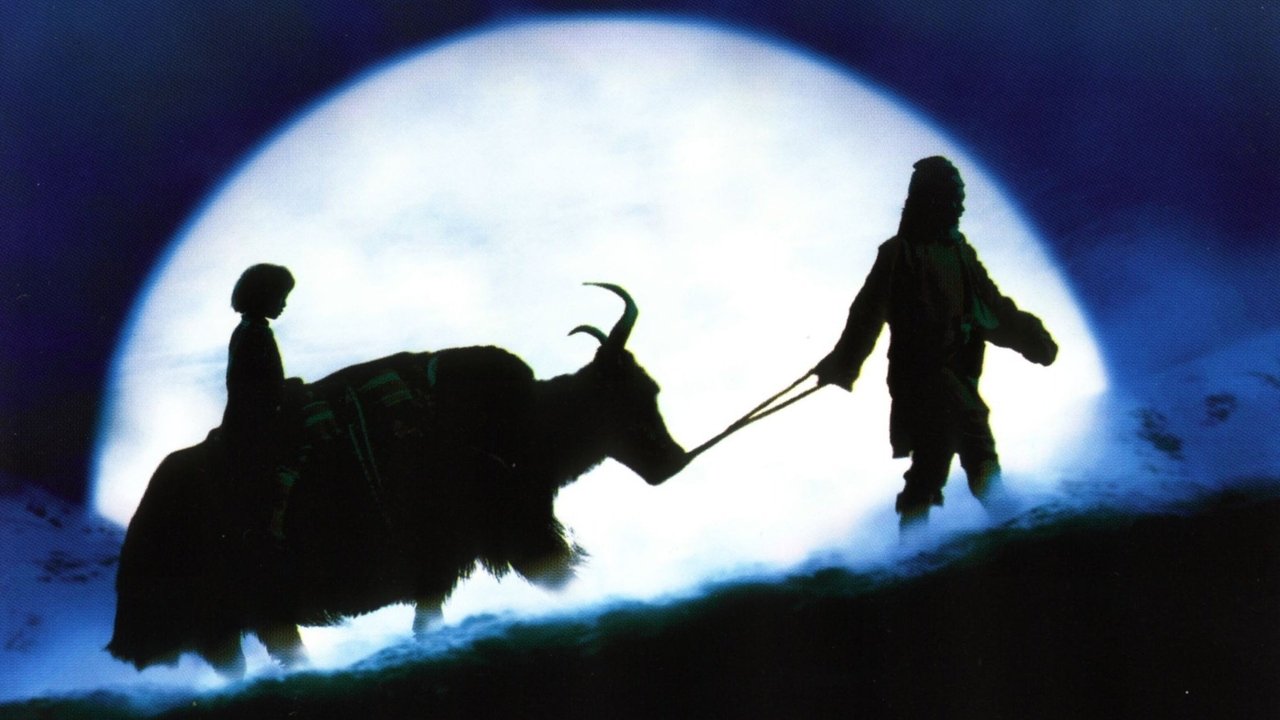
The film transports us to Dolpo, a remote, high-altitude region in Nepal, nestled amongst the giants of the Himalayas. Life here revolves around an ancient tradition: the perilous annual yak caravan carrying salt from the high plateau lakes down to the valleys to trade for grain. The story centers on Tinlé (Thilen Lhondup), the proud, aging village chief whose son, the caravan's leader, has just died in a mysterious accident. Suspicion falls on Karma (Gurgon Kyap), a charismatic younger man eager to lead the next caravan, defying Tinlé's authority and the warnings of the village shaman. What unfolds is a gripping power struggle, not just between two men, but between generations, between adherence to tradition and the impulse for change, all set against one of the most unforgiving and breathtaking backdrops imaginable.
Faces Etched by Wind and Time
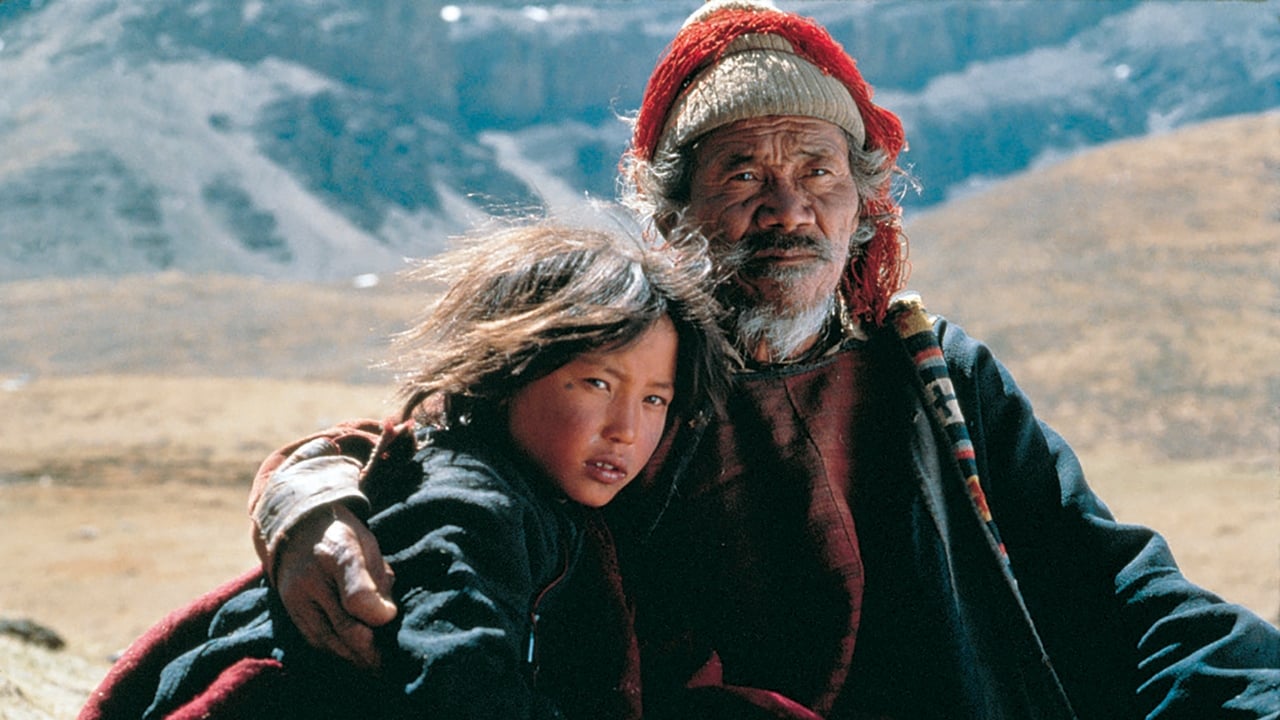
What truly elevates Himalaya beyond a mere ethnographic document is its astonishing casting. Forget Hollywood A-listers; director Éric Valli, drawing on his years as a photographer living and working in the region, cast almost entirely non-professional actors – real Dolpo villagers playing versions of themselves. And the result is electrifying. Thilen Lhondup, who was indeed a village chief in real life, embodies Tinlé with a staggering, inherent authority. His face, weathered by decades under the Himalayan sun, conveys more stubborn pride, grief, and fierce love for his people than pages of dialogue ever could. You don't just watch him; you believe him. Similarly, Gurgon Kyap brings a restless energy to Karma, his ambition and frustration palpable. Even the younger actors, like the boy playing Tinlé's grandson, possess an unforced naturalism that makes the drama feel utterly authentic. Watching them, you forget you're watching a film; you feel like a privileged observer of life unfolding.
The Mountain Doesn't Care
The sheer audacity of the production is something we, accustomed perhaps to bluescreens and studio comforts, can barely fathom today. Valli and his crew filmed for months on location, often above 15,000 feet, battling extreme cold, altitude sickness, and the logistical nightmare of working with untrained actors (and hundreds of yaks!) in one of the world's most inaccessible regions. There's a fascinating story about how Valli had to meticulously plan shots around the sun's movement because electricity for artificial lighting was virtually non-existent. This wasn't just filmmaking; it was an expedition. This dedication paid off, not just visually, but thematically. The landscape isn't just scenery; it's an active participant, shaping the characters, dictating the terms of their survival. The vast, indifferent beauty of the mountains underscores the fragility and resilience of the human spirit clinging to life on its slopes. This incredible achievement was recognized with a nomination for Best Foreign Language Film at the Academy Awards – a rare feat for Nepal and a testament to the film's universal power. While its reported $7 million budget might seem modest by Hollywood standards, pulling this off in such conditions was monumental, and its global success ($20 million+ worldwide) proved audiences were hungry for such unique stories.
More Than Just a Story
Valli's background as a National Geographic photographer is evident in every frame. The cinematography is simply stunning, capturing both the epic scale of the landscape and the intimate details of village life with equal reverence. He uses natural light to breathtaking effect, painting scenes with the soft glow of butter lamps or the harsh glare of the high-altitude sun. But it's more than just pretty pictures. There’s a patience to the direction, allowing moments to breathe, letting the rhythms of daily life – the chanting, the weaving, the loading of the yaks – immerse the viewer completely. Does the struggle between Tinlé's adherence to omens and Karma's pragmatism echo conflicts we still see today, albeit in vastly different contexts? Absolutely. The film poses timeless questions about leadership, faith, loss, and the complex relationship between humanity and the natural world.
The Verdict
Watching Himalaya again, perhaps now on a sharper digital format than the worn-out VHS tape I first encountered it on, doesn't diminish its power. It remains a transportive experience, a film that uses narrative drama not just to entertain, but to illuminate a culture and a way of life with profound respect and artistry. It’s a reminder that sometimes the most compelling stories are the real ones, lived by ordinary people in extraordinary circumstances. The pacing is deliberate, meditative even, which might test viewers accustomed to faster cuts, but the payoff is an immersion few films achieve.
Rating: 9/10 - This score reflects the film's unique blend of stunning visuals, profound authenticity achieved through its non-professional cast, and the sheer ambition of its production. It's a powerful piece of ethnographic drama that transcends its specific setting to speak to universal human themes, overcoming its deliberate pace with sheer emotional and visual weight.
Himalaya is more than just a film; it's a window onto the roof of the world, and a testament to the enduring strength found in community and tradition, even when challenged by the inevitable winds of change. It leaves you with a sense of awe, both for the landscape and for the people who call it home.