Okay, pull up a chair, maybe pour yourself something strong for this one. Some films lodge themselves in your memory not for their feel-good escapism, but for the raw, aching truth they dare to confront. They linger, unsettlingly, long after the tape has spooled to its end. Martin Rosen's 1982 animated feature, The Plague Dogs, is emphatically one of those films. It's a viewing experience that stays with you, a stark contrast to much of the animation landscape of the early 80s, demanding a different kind of attention, a deeper level of emotional engagement.
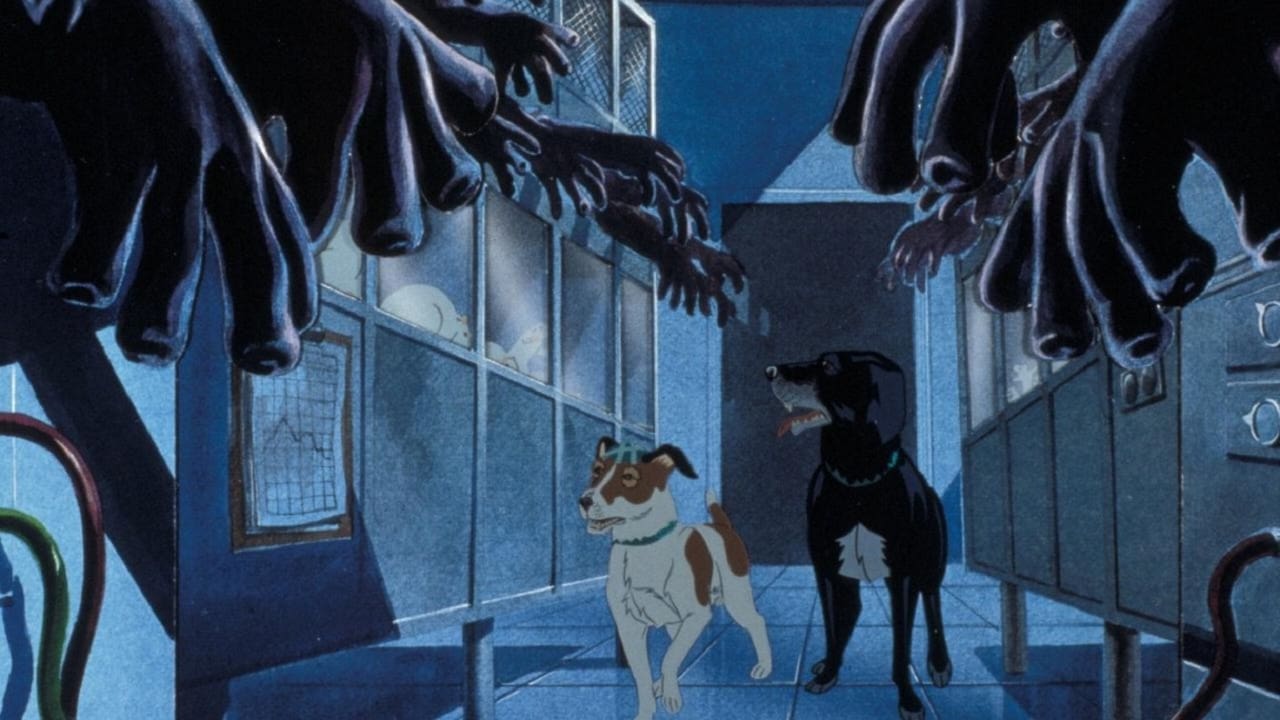
Forget cuddly creatures and simple morality tales. This film, adapted from Richard Adams' novel (the same author who gave us the equally challenging Watership Down, which Rosen also adapted for the screen in 1978), plunges us headfirst into the desperate plight of Rowf and Snitter, two dogs who escape from a callous animal research laboratory in England's Lake District. Their flight is not a joyous bid for freedom; it's a bewildered stumble into a world that proves just as cruel and unforgiving as the cages they left behind.
A World Painted in Bleak Beauty
The animation itself is remarkable, possessing a painterly quality that captures the rugged beauty of the fells and waters with aching accuracy. Yet, this beauty is consistently undercut by a pervasive sense of dread and isolation. The landscapes are vast, often shrouded in mist or rain, emphasizing the vulnerability of our canine protagonists. There’s a chilling realism here, far removed from the stylized worlds we often associate with animation. This isn’t a cartoon playground; it’s indifferent nature, red in tooth and claw, mirroring the human indifference Rowf and Snitter constantly face. The production, reportedly costing around $3 million (a respectable sum for animation then, maybe $9-10 million today), clearly prioritized this atmospheric realism, achieved by Nepenthe Productions, the same studio behind Watership Down.
Voices of Despair and Defiance
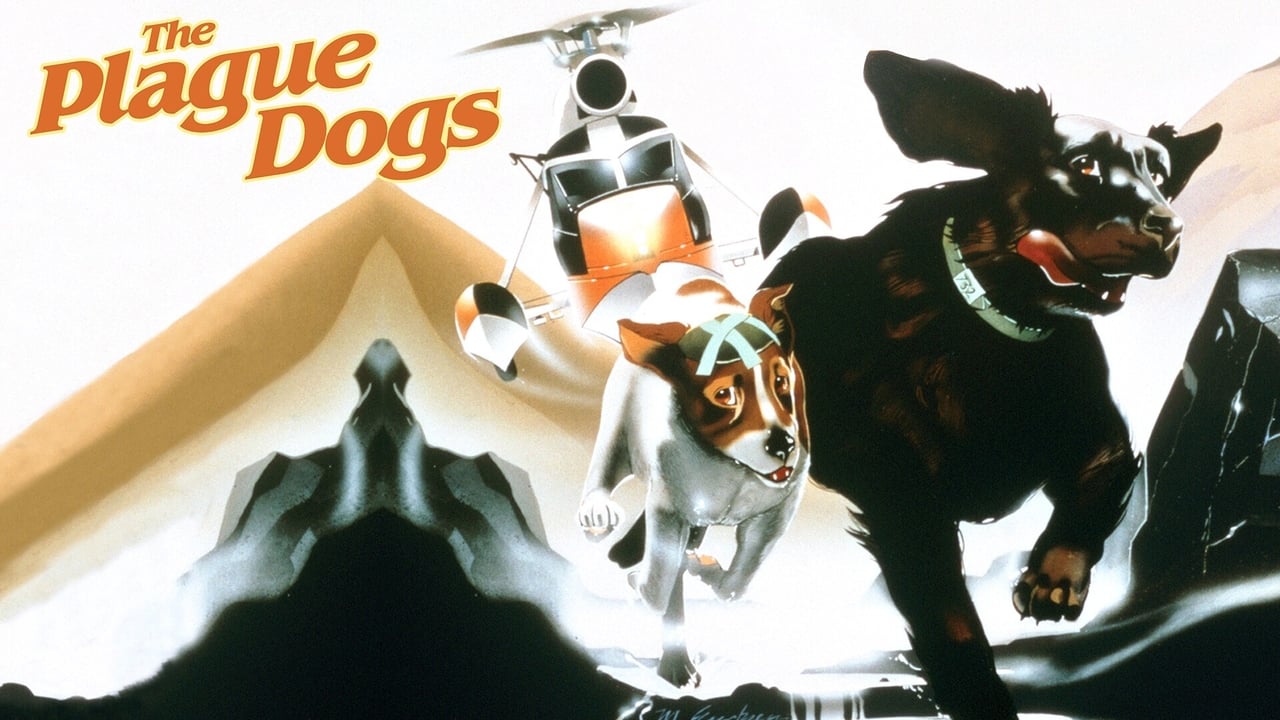
What truly elevates The Plague Dogs beyond mere grimness are the performances. John Hurt lends his inimitable voice to Snitter, a fox terrier whose experimental brain surgery has left him prone to disorienting shifts in perception, moments of profound confusion mingled with startling clarity. Hurt captures this fractured psyche perfectly, his delivery conveying bewilderment, flickering hope, and heart-wrenching vulnerability. Opposite him, Christopher Benjamin voices Rowf, a gruff Labrador retriever traumatized by repeated drowning experiments in the lab ("the tank"). Rowf’s cynicism and deep-seated fear of water form a pragmatic, if bleak, counterpoint to Snitter's often-unstable worldview. Their interactions, their dependency on each other, form the bruised heart of the film. We also get a memorable turn from James Garbutt as The Tod, a wry, pragmatic fox who offers guidance but operates entirely on self-interest – another layer of the film's unsentimental view of survival. These aren't just 'animal voices'; they are nuanced, deeply felt portrayals of suffering and resilience.
More Than Just an Animal Story
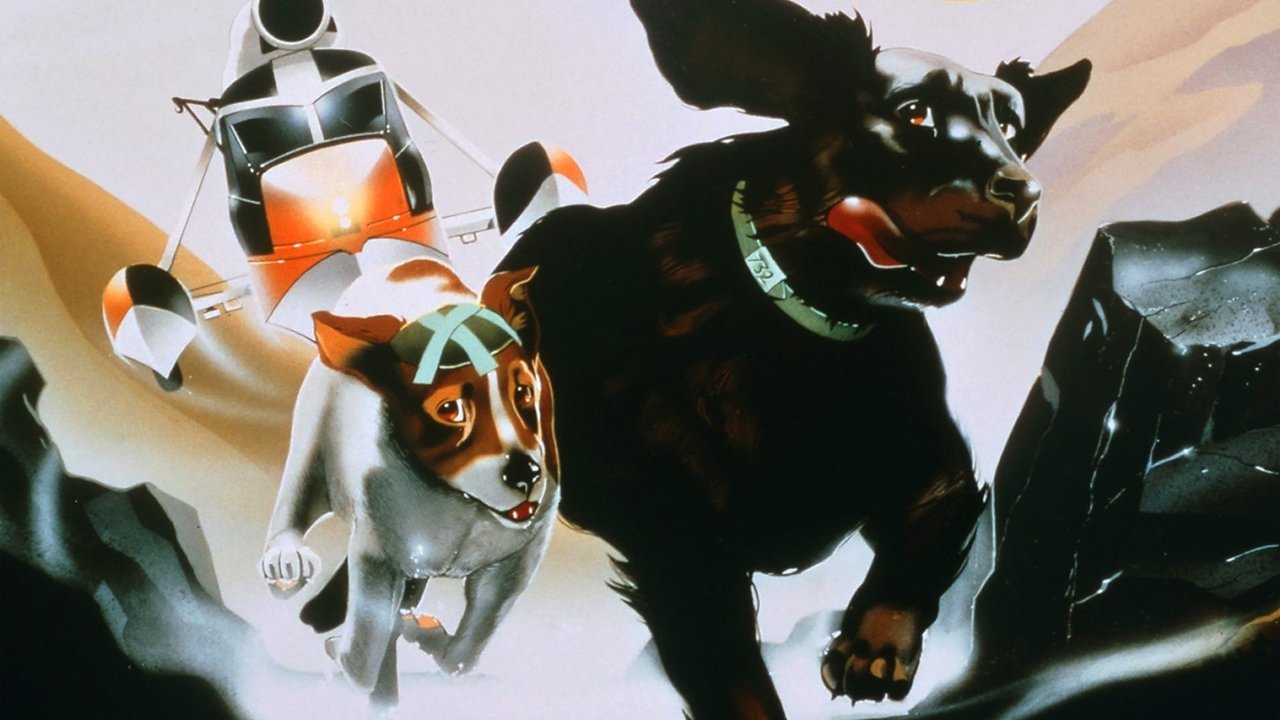
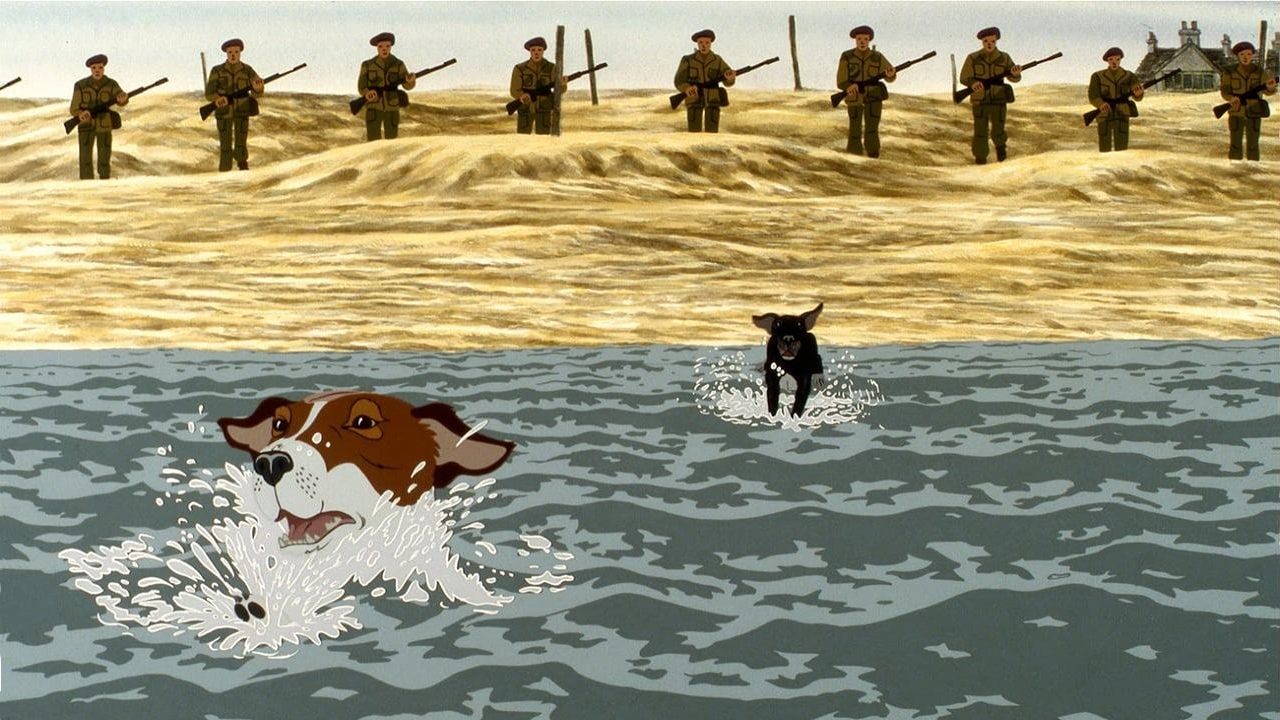
The film operates on multiple levels. On the surface, it's a harrowing depiction of animal cruelty, forcing us to confront uncomfortable questions about scientific research and our responsibilities towards the creatures we use. The opening sequences in the lab are purposefully difficult to watch, setting a tone of unease that never truly dissipates. But it’s also a potent commentary on fear, misinformation, and media manipulation. As the escaped dogs struggle to survive, inadvertently killing sheep for food, rumors spread like wildfire – fueled by a sensation-hungry journalist – that they carry the bubonic plague from the lab. Suddenly, they aren't just fugitives; they are terrifying symbols of disease, hunted relentlessly by paranoid locals and the military. Doesn't this frantic scapegoating feel uncomfortably familiar, even decades later?
A Controversial Journey to the Screen
It's worth remembering that The Plague Dogs faced a difficult reception. Its bleakness and refusal to offer easy answers made it a tough sell. In the US, distributors Embassy Pictures reportedly cut nearly 20 minutes, softening some of the harsher realities and, most significantly, altering the profoundly ambiguous ending to imply a rescue that the original version leaves painfully uncertain. Finding an uncut version on VHS back in the day felt like uncovering a forbidden text – a testament to the film's unflinching vision. The original ending, true to the spirit (if not the exact letter) of Adams' book, leaves the viewer adrift, questioning whether hope is even possible in such a desolate world. It's a brave, demanding choice.
One fascinating production tidbit is that the animators reportedly studied animal movement extensively, even visiting veterinary clinics, to ensure authenticity in how Rowf and Snitter moved and reacted, adding another layer to the film's grounding reality despite its animated form. This commitment to realism, even in depicting suffering, is part of what makes the film so impactful.
The Weight of the Watch
Let's be honest, The Plague Dogs is not an easy watch. It's emotionally draining, profoundly sad, and offers little in the way of conventional comfort. I distinctly remember renting this as a teen, drawn by the animation, and being utterly unprepared for the emotional gut punch it delivered. It wasn’t the Saturday morning cartoon fare I might have half-expected. It was something else entirely – something starker, more honest, and ultimately, more memorable. It challenges the very notion of what animation can be, using the medium not for escapism, but for confronting difficult truths about cruelty, survival, and the often-thin veneer of civilization.
Is it a film everyone will 'enjoy'? Probably not in the conventional sense. But is it powerful, important, and brilliantly crafted? Absolutely. It's a film that earns its darkness, using it to illuminate uncomfortable corners of the human (and animal) condition.
Rating: 9/10
Justification: While undeniably bleak and demanding, The Plague Dogs is a masterpiece of animation, storytelling, and thematic depth. The stunning, atmospheric visuals, exceptional voice acting (particularly Hurt), and brave refusal to compromise its vision make it a landmark achievement. It tackles difficult subjects with unflinching honesty. The slight deduction accounts for its almost overwhelming despair, which, while purposeful, makes it a film few will revisit casually.
Final Thought: Decades after its release, The Plague Dogs remains a haunting testament to animation's potential for profound, unsettling artistry, leaving you with questions about compassion and cruelty that echo long after the screen fades to black. It’s a film that truly deserves to be remembered, even if remembering it hurts a little.