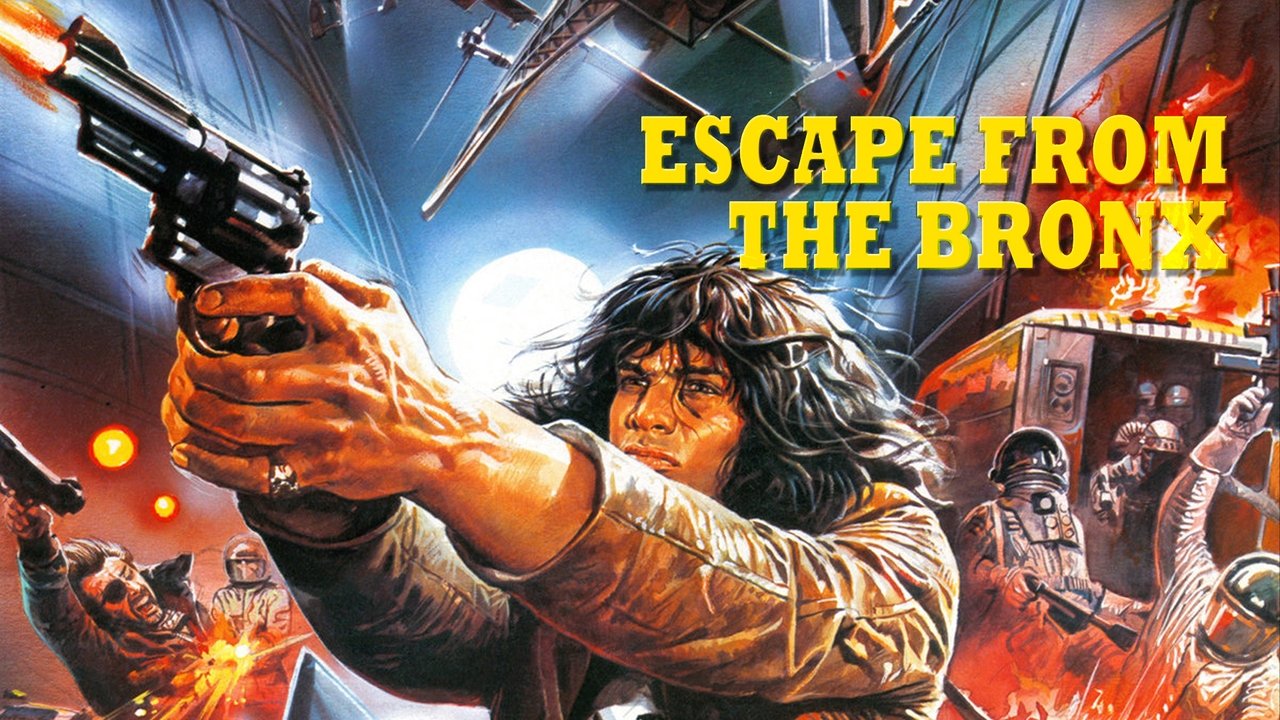
Alright, fellow tapeheads, let’s rewind to a grittier time. Imagine prowling the aisles of the local video store, maybe 'Action/Adventure' or perhaps the slightly more dubious 'Sci-Fi/Future War' section. Your eyes land on a cover promising urban decay, heavily armed rebels, and a whole lot of explosions. That, my friends, is the siren call of 1983's Escape from the Bronx (also known as Bronx Warriors 2 or Fuga dal Bronx). Forget slick Hollywood polish; this is pure, uncut Italian exploitation energy, beamed directly onto your flickering CRT screen.

### Back to the Badlands
Picking up sometime after the chaotic events of 1990: The Bronx Warriors (1982), we find the infamous New York borough still a designated wasteland. But now, the nefarious General Construction (GC) Corporation, led by the utterly chilling Mr. Clark (Henry Silva), wants the land cleared for gleaming new developments. Their method? Disinfection. Which, in this world, means heavily armed "Disinfestation Squads" burning out the remaining squatters with flamethrowers and bullets. Standing against this corporate purge is our returning hero, Trash, played once again by the impossibly muscular and enigmatic Mark Gregory. He’s forced back into action to rescue his kidnapped parents and lead a ragtag underground resistance against overwhelming odds. The plot isn't exactly Shakespeare, folks; it's a lean, mean framework designed purely to deliver relentless action.
### Castellari Unleashed
Behind the camera is the legendary Italian genre maestro Enzo G. Castellari, a director who knew how to make cinematic dynamite on a shoestring budget. Fresh off the first Bronx Warriors and known for gritty crime thrillers (Poliziotteschi) and the original The Inglorious Bastards (1978), Castellari brings his signature style. Expect plenty of his beloved slow-motion shots capturing moments of explosive impact or dramatic dives, even if they sometimes feel slightly incongruous amidst the low-budget chaos. He keeps the pacing frantic, never letting the audience get too comfortable before the next hail of gunfire or fireball erupts. This wasn’t filmed in the actual Bronx, by the way – a classic slice of Italian filmmaking magic saw Rome and its outskirts convincingly (or perhaps, charmingly unconvincingly) stand in for the decaying NYC borough. That gritty urban wasteland? Often just cleverly dressed Italian locations!
### Raw Power: When Stunts Were Real
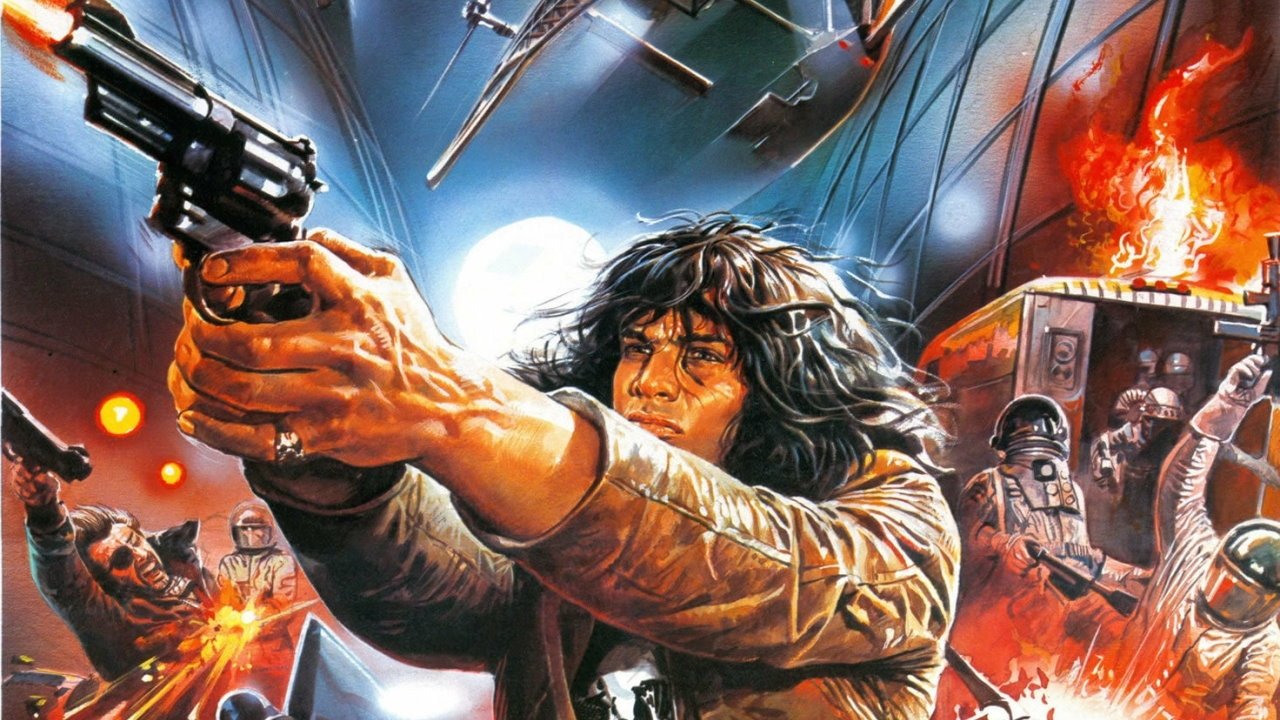
Let's talk about the main event: the action. Escape from the Bronx delivers it in spades, with a raw physicality that feels worlds away from today's pixel-perfect blockbusters. Remember when explosions felt genuinely dangerous on screen? That’s the vibe here. We get brutal shootouts where squibs erupt with messy, satisfying bursts. The stunt work, while perhaps not always perfectly executed, has a tangible sense of risk. You see stunt performers taking hard falls, leaping from moving vehicles, and getting engulfed in flames (safely, we hope!). Those flamethrower squads aren't just a visual effect; they look like practical units spewing real fire, adding a visceral layer of threat. It’s rough, it’s sometimes clumsy, but damn if it isn’t exciting in that specific 80s way. Compared to the often weightless feel of modern CGI mayhem, there’s an undeniable impact here, a sense that things could actually go wrong. Wasn’t that part of the thrill back then?
### The Faces of the Fight
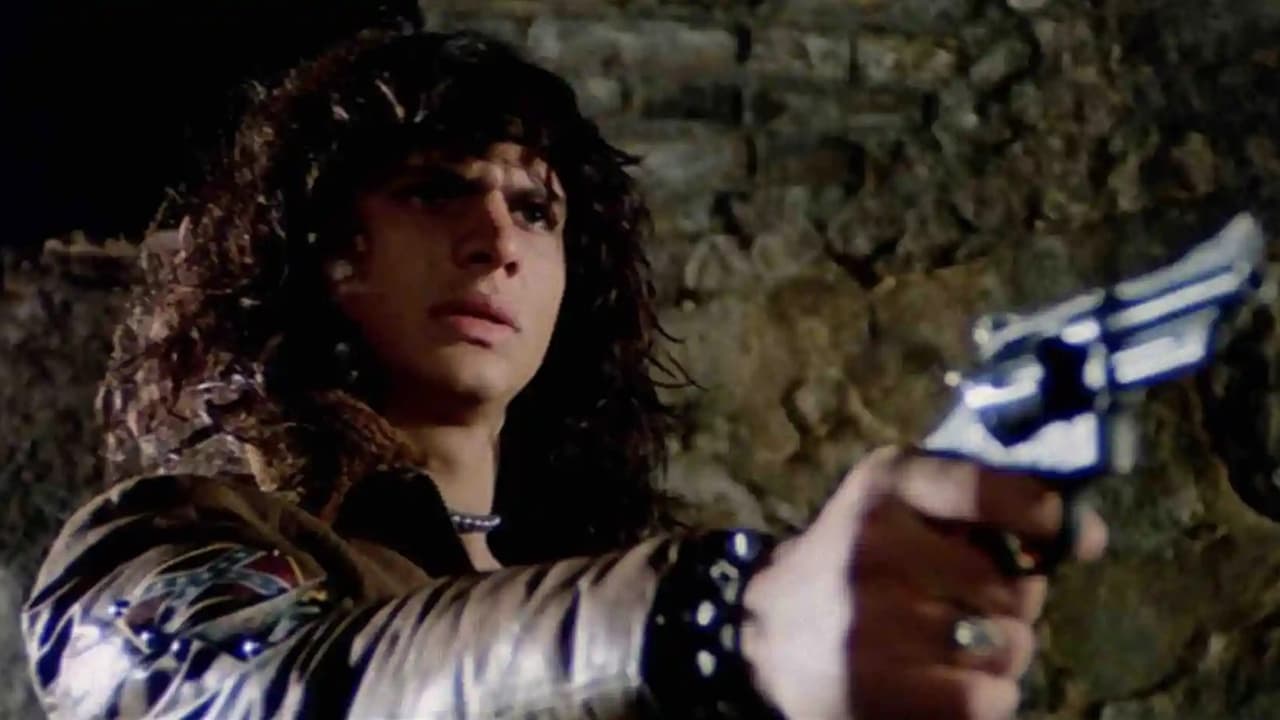
Mark Gregory (real name Marco Di Gregorio) returns as Trash, and let's be honest, his primary asset is his imposing physique. His acting range might be limited, mostly consisting of intense stares and determined grimaces, but he absolutely looks the part of a reluctant wasteland warrior. His later disappearance from the public eye adds a layer of mystique to these early roles. Opposite him, Henry Silva steals every scene he’s in as the ice-cold corporate villain, President Clark. With his menacing glare and reptilian calm, Silva embodies pure ruthless efficiency – the perfect antagonist for this kind of anarchic actioner. We also get solid support from familiar faces of Italian genre cinema, including Paolo Malco as Vice President Clark and Valeria D'Obici as Moon Gray, a determined journalist caught in the crossfire. And keep an eye out for Antonio Sabàto Sr. (father of the 90s heartthrob) as Dablone, the doomed leader trying to unite the underground gangs.
### Synth Grooves and VHS Grit
The experience wouldn't be complete without mentioning the score by Francesco De Masi. It’s pure early-80s synth goodness – driving, atmospheric, and occasionally bordering on cheesy, perfectly complementing the on-screen chaos. Then there’s the inherent charm (or frustration, depending on your mood) of the likely-dubbed dialogue you experienced on your rental tape, adding another layer to its distinct B-movie identity. Escape from the Bronx is undeniably derivative, borrowing heavily from Escape from New York (1981), The Warriors (1979), and countless other post-apocalyptic riffs. But Castellari and his crew attack the material with such gusto that it transcends mere imitation, becoming its own gloriously unsubtle beast. It wasn't exactly showered with critical acclaim upon release, but like so many Italian genre flicks of the era, it found its true home on video store shelves and late-night cable, earning a devoted cult following among action junkies.
***
VHS Heaven Rating: 7/10
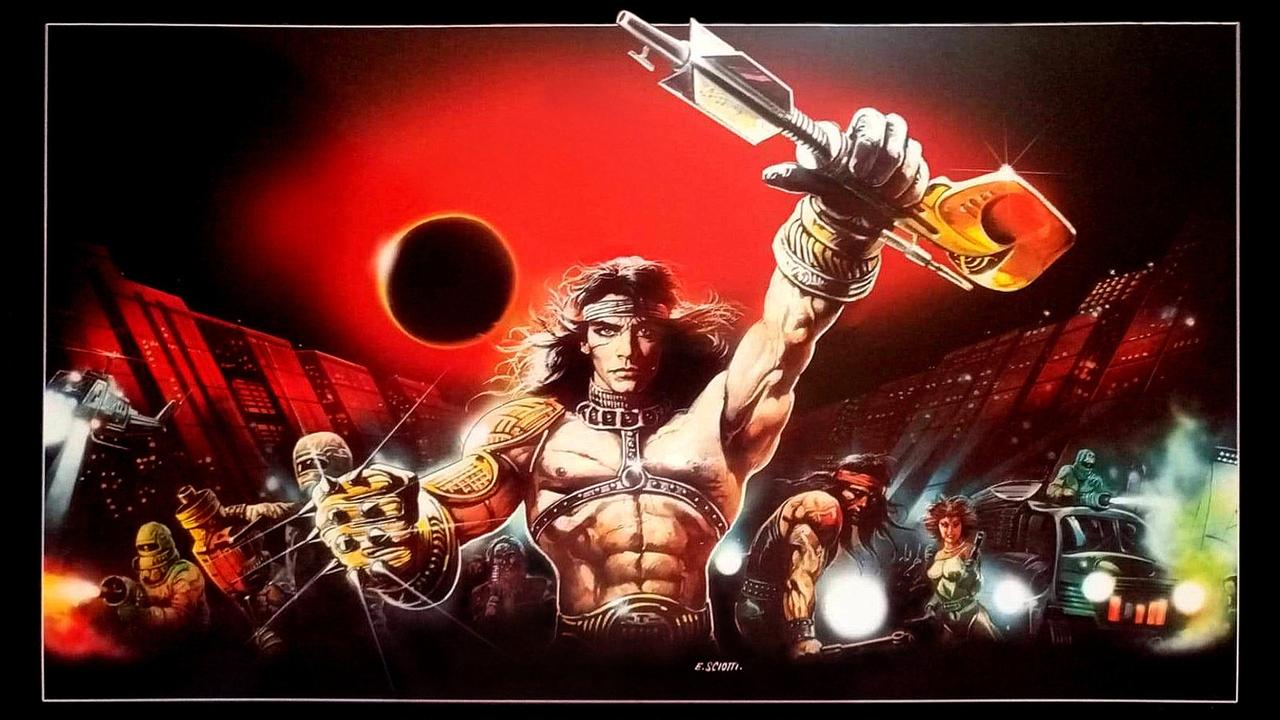
Justification: While the plot is thin, the acting variable (Silva excluded), and the budget limitations often apparent, Escape from the Bronx delivers exactly what it promises: non-stop, explosive, and utterly unpretentious 80s action. Castellari's energetic direction, the commitment to practical stunts and pyrotechnics, and Henry Silva's chilling performance elevate it above standard B-movie fare. It’s a prime example of Italian exploitation filmmaking firing on all cylinders, capturing that specific raw energy we chased on VHS. The sheer audacity and relentless pace earn it solid marks.
Final Thought: Forget nuance; this is the cinematic equivalent of a Molotov cocktail thrown through a boardroom window – messy, loud, and undeniably spectacular in its own gritty, VHS-era way. Still a blast, preferably watched late at night with the volume cranked.