The hum from the VCR fades, the tracking lines flicker for a final moment, and the screen collapses into grey static. But the silence that follows isn’t empty. It’s filled with the residue of dread, the lingering chill of DEFCON-4. This wasn’t your typical star-faring adventure; this 1985 Canadian export dropped us from the cold vacuum of space straight into the irradiated muck of humanity’s bitter end, and it left a stain. Forget glossy heroism; this was about the grime under the fingernails of survival.

From Orbit to Oblivion
The premise itself carries a unique, chilling weight. We open not on Earth, but high above it, aboard a top-secret satellite – the kind whispered about during the tensest years of the Cold War. Three astronauts, including Jordan (Lenore Zann) and Howe (Tim Choate), are custodians of a nuclear arsenal, watching helplessly as the unthinkable happens below. Mushroom clouds bloom across the continents. Communication ceases. They are the last witnesses, adrift in the void. Director Paul Donovan, who also gave us the claustrophobic tension of Siege (1983) just a couple of years prior, immediately establishes a sense of profound isolation before plunging us into the real nightmare. The return to Earth isn't a homecoming; it's a descent into hell.
Welcome to the Wasteland
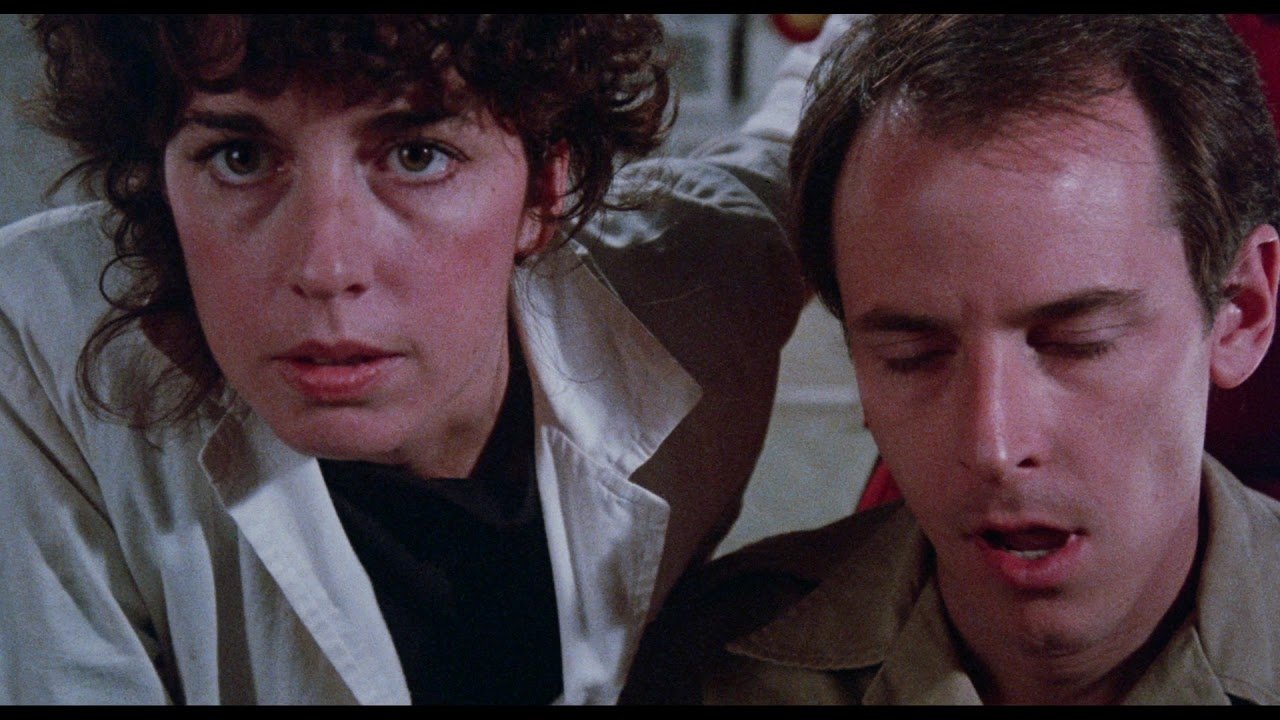
Forget the stylized leather gangs of Mad Max. The post-nuclear landscape of DEFCON-4, filmed with stark effectiveness in the wilds of Nova Scotia, feels genuinely bleak and unforgiving. When the surviving astronauts crash-land months later, they find not noble savages, but desperate, brutalized remnants. The most unsettling are the "Terminals" – feral teenagers, radiation-scarred and driven by primal instinct, who hunt and kill with chilling amorality. Their presence taps directly into that latent 80s fear of societal collapse, where the youth become the ultimate horrifying symptom of a world gone rotten. It’s raw, uncomfortable, and a far cry from the adventurous tone of many post-apocalyptic flicks of the era.
Faces in the Dust
Amidst the ruins, personalities clash with grim consequences. Lenore Zann carries much of the film as Jordan, forced to navigate this savage new world. But the film truly crackles when Maury Chaykin enters as Vinny. A former survivalist nut turned local despot, Chaykin imbues Vinny with a volatile mix of paranoia, folksy menace, and desperate pragmatism. He’s not a cackling supervillain; he’s a terrifyingly believable product of his environment, a man clinging to power in a world stripped bare. It's a standout performance, the kind that elevates low-budget genre fare – Chaykin had a knack for making even the most outlandish characters feel grounded, a skill he’d showcase throughout his career. The other performances are serviceable, fitting the gritty, no-frills aesthetic, but Chaykin is the one who lingers.

Crafting the Apocalypse on a Shoestring
Let’s be honest, DEFCON-4 doesn’t boast Hollywood gloss. Made on a tight budget (likely under $1 million Canadian dollars), its limitations are visible, particularly in the satellite sequences. Yet, Paul Donovan uses these constraints effectively on the ground. The emphasis is on practical effects – the grimy makeup, the decaying sets, the raw depiction of violence. There's a palpable sense of decay achieved through location shooting and resourceful production design. The score, often synthesizer-heavy as was the style, contributes effectively to the oppressive atmosphere. And that title? DEFCON-4? It’s always struck me as oddly incongruous. DEFCON 4 is a state of increased intelligence watch, hardly the apocalypse itself. DEFCON 1 is nuclear war. Was it a misunderstanding, an ironic statement, or just something that sounded cool and vaguely military? Whatever the reason, it adds another layer to the film's peculiar, off-kilter identity.
The Lingering Fallout
DEFCON-4 wasn't a blockbuster. It likely played on late-night TV or became one of those intriguing finds in the darker corners of the video store – the kind with cover art that promised something intense. And intense it is. While perhaps not as polished or iconic as some of its contemporaries, its relentless bleakness gives it a particular cult resonance. It doesn’t offer easy answers or heroic triumphs. It presents a vision of the post-nuclear future that feels depressingly plausible in its depiction of human desperation and brutality. There’s a direct line, perhaps, from the gritty survivalism here to the darkly imaginative, bizarre sci-fi of Donovan's later, much-loved creation, Lexx. Both share a refusal to romanticize the grim realities of their worlds. Does that slow, grinding tension still work today, amidst faster-paced modern thrillers? For those with a taste for uncompromising 80s pessimism, absolutely.
VHS Heaven Rating: 6/10
This rating reflects DEFCON-4's undeniable strengths in atmosphere and its unflinching portrayal of a post-apocalyptic nightmare, particularly bolstered by Maury Chaykin's performance. It captures a specific, potent brand of Cold War dread. However, it’s held back by visible budget limitations, occasional pacing issues, and performances that don't uniformly match Chaykin's intensity. It's not a masterpiece, but it’s a significant piece of gritty, low-budget 80s sci-fi that earns its cult status through sheer, unadulterated bleakness.
It’s a film that reminds you that sometimes, the most frightening monsters aren't mutants or aliens, but simply what’s left of us after everything falls apart. A grim echo from the shelves of the video store, indeed.