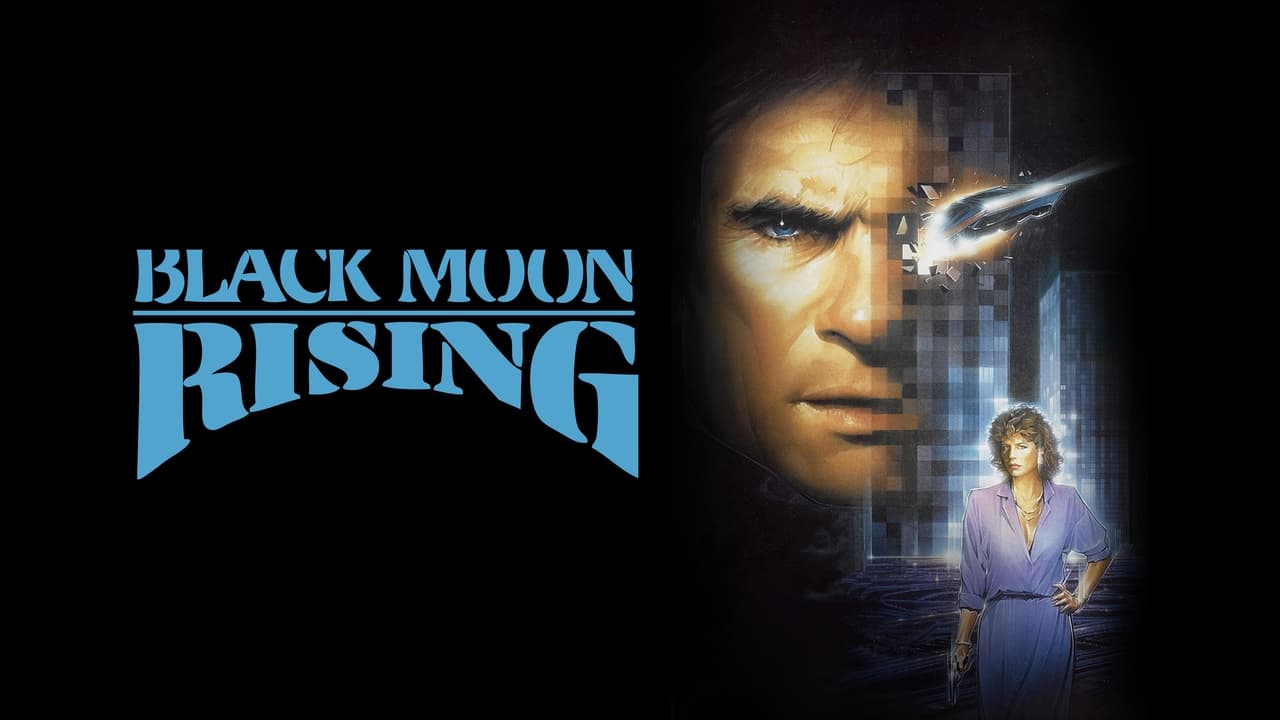
Okay, rewind your minds with me for a second. Picture this: it’s late, the only light is the flickering glow of the CRT, and you’ve just slotted a promising-looking tape into the VCR. The tracking might be a little fuzzy, but the promise of high-tech vehicular mayhem and some familiar tough-guy faces is palpable. That’s the vibe hitting me right now thinking about Harley Cokeliss's 1986 slice of high-concept action, Black Moon Rising. This wasn't the tape everyone fought over at the rental store, maybe, but if you snagged it? You were in for a surprisingly slick ride.
### High-Tech Heist, Low-Tech Grit
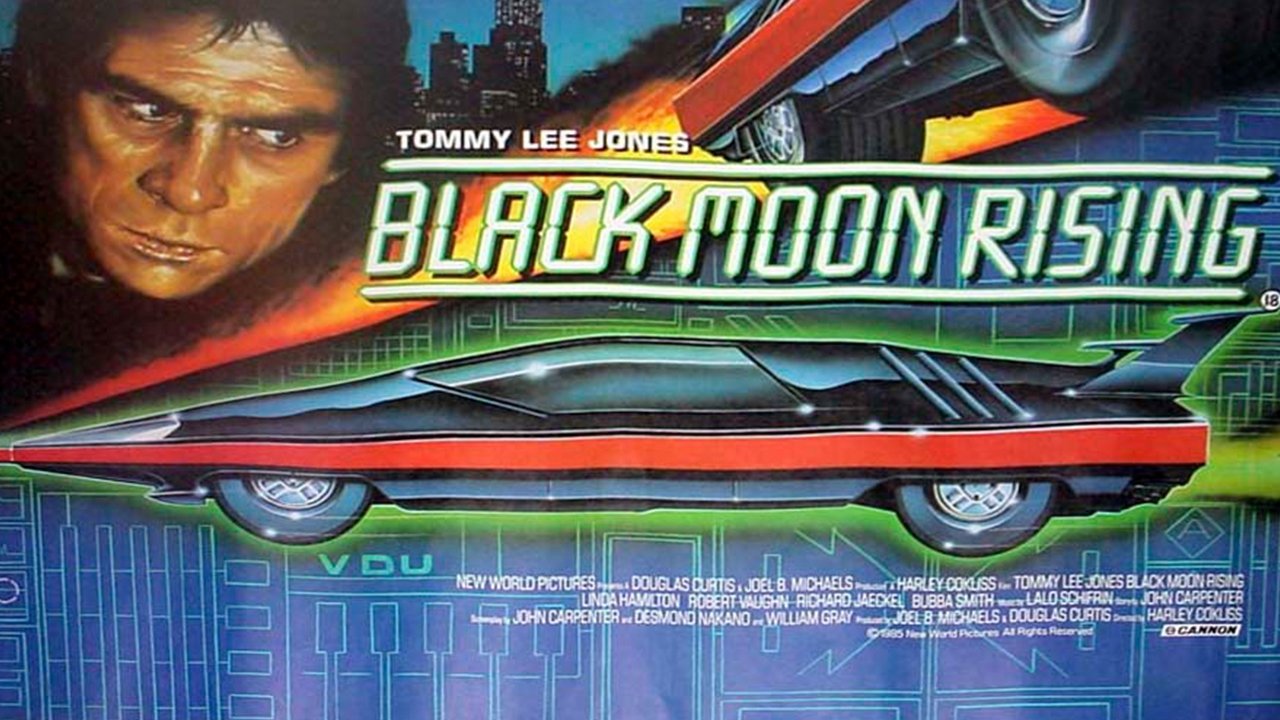
The premise alone feels like pure 80s gold: Sam Quint (Tommy Lee Jones), a laconic, ultra-professional government thief (or maybe corporate? The movie’s wonderfully vague), hides crucial evidence on a cassette tape (remember those?) inside a revolutionary prototype car – the Black Moon. Problem is, the car gets boosted by a sophisticated ring of thieves led by the impossibly cool Nina (Linda Hamilton, fresh off blowing our minds in The Terminator). Now Quint has to infiltrate the high-security operation run by the suave, utterly ruthless Ed Ringer (Robert Vaughn, practically dripping menace) to get his tape back and steal the car. It’s a glorious collision of espionage thriller and futuristic car chase flick.
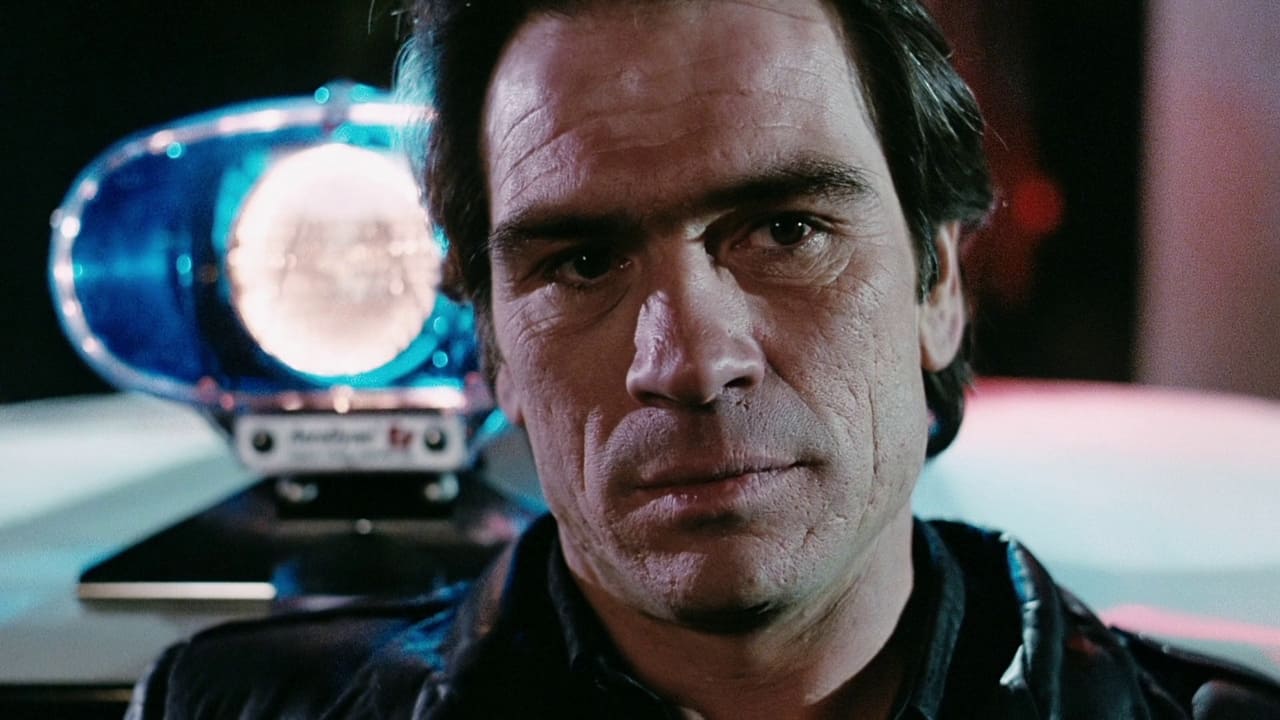
What hooks you immediately is Tommy Lee Jones. He wasn't quite the household name he’d become, but that trademark weary intensity is already locked in. Quint is all business, radiating competence even when things go sideways. He’s the perfect counterpoint to Linda Hamilton’s Nina, who’s sharp, capable, and definitely not just a damsel in distress. Their chemistry is less sparks-flying romance and more a grudging professional respect between two people who are very, very good at stealing things. And Robert Vaughn? He elevates the whole affair, bringing a touch of veteran class to the role of the mastermind car thief operating out of gleaming twin skyscrapers. His calm threats are somehow more chilling than any amount of shouting.
### That Car! And That Carpenter Script...
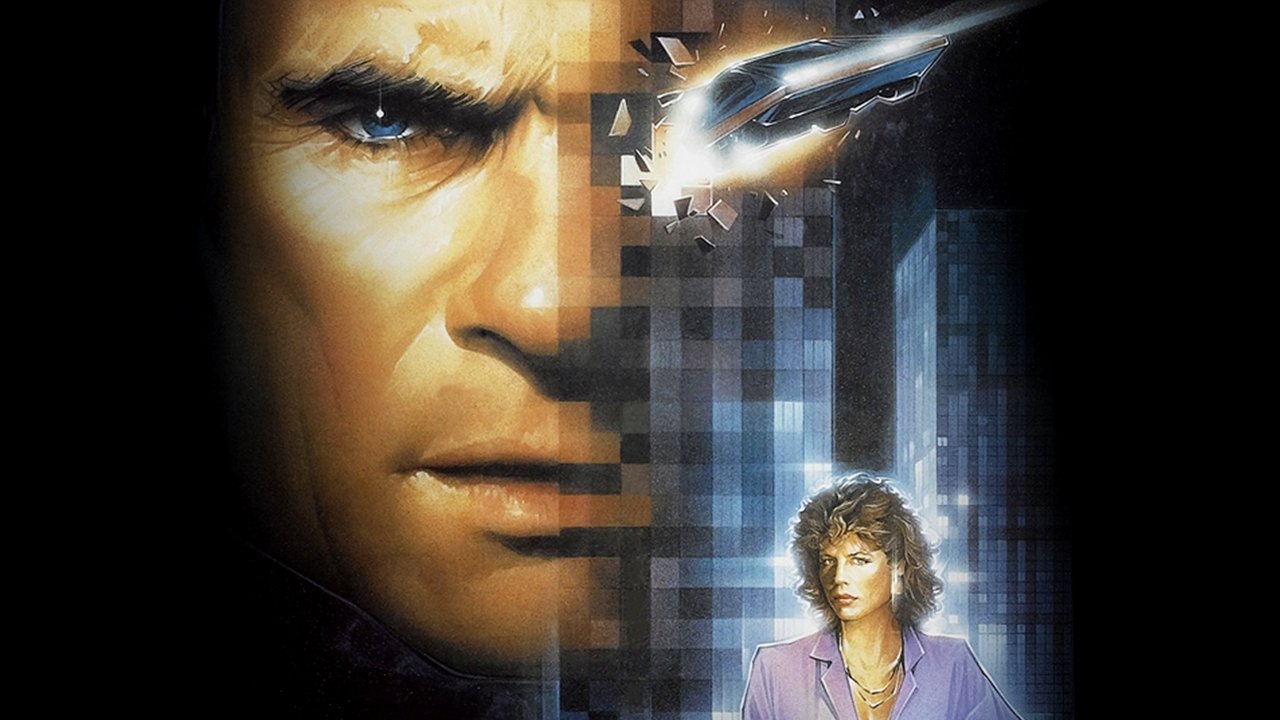
Let’s talk about the titular vehicle. The Black Moon isn't just transport; it's practically a character. Sleek, black, wedge-shaped, capable of hitting ludicrous speeds (325 mph!) and running on water... allegedly. Visually, it was based on the very real (and incredibly rare) 1980 Wingho Concordia II prototype from Canada, giving it a grounded futurism that still looks cool. The film wisely doesn't always show the car doing impossible things, saving its big tricks for key moments. It feels tangible, a heavy piece of impressive machinery, not a weightless CGI creation. Seeing it prowl the streets or hide within Ringer's high-tech fortress adds a unique flavour.
Now, here’s a tasty Retro Fun Fact: the screenplay has John Carpenter's name on it! Apparently, it was based on a script he wrote way back in the mid-70s, long before Escape from New York, which was then heavily rewritten by Desmond Nakano and William Gray. You can feel Carpenter's fingerprints, though – the cynical anti-hero protagonist, the efficient plotting, the slightly dystopian corporate setting. It’s Carpenter-lite, perhaps, but the bones are there. Director Harley Cokeliss, who also gave us the gritty Ozploitation-adjacent Battletruck (aka Warlords of the 21st Century), keeps things moving at a brisk pace, focusing on practical action and suspense over flashy stylistic flourishes.
### Real Stunts, Real Stakes
This is where Black Moon Rising truly shines for us VHS Heaven dwellers. Forget pixel-perfect digital doubles – the action here feels dangerous. There’s a fantastic sequence where Quint uses the Black Moon to essentially demolish the inside of a shopping mall to escape. You see real panels crunching, real debris flying. It’s messy and impactful in a way modern set pieces often aren’t. Remember how visceral those impacts felt back then?
And the climax! Spoiler Alert for a nearly 40-year-old movie... but the legendary car jump between Ringer’s twin towers? Pure practical stunt magic. Knowing they actually propelled a vehicle (likely a modified shell) across that gap, even with camera tricks enhancing the distance, lends it a white-knuckle tension. It might look a bit rough around the edges now, sure, but the sheer audacity of attempting it practically gives it a weight that slicker, safer CGI often lacks. The composer, the legendary Lalo Schifrin (Mission: Impossible, Dirty Harry), provides a typically driving, percussive score that amps up the tension perfectly.
The film wasn't a massive blockbuster upon release, earning a respectable but not earth-shattering $6.6 million against its modest budget. Critics were somewhat mixed, but like so many films from the era, it found a solid life on home video, becoming a cult favourite for those who appreciated its B-movie heart, A-list(ish) cast, and solid action credentials.
### Still Worth Firing Up?
Black Moon Rising is undeniably a product of its time – the tech is chunky, the corporate espionage plot feels quaintly analogue, and some of the dialogue lands with a delightful 80s thud. But that’s part of the charm! Jones is magnetic, Hamilton is compelling, Vaughn is perfection, and the practical action sequences deliver the goods. It’s a lean, mean, high-concept machine that knows exactly what it wants to be.
VHS Heaven Rating: 7/10
The rating reflects a genuinely entertaining action thriller with a great cast and some standout practical stunt work. It’s held back slightly by a somewhat predictable plot trajectory and that feeling of being a solid B-movie rather than a true classic, but its core components work remarkably well.
Final Take: For a dose of classic 80s vehicular mayhem powered by practical effects and seasoned pros doing what they do best, Black Moon Rising is still a ride worth taking. It's the kind of gritty, tangible action filmmaking that feels like a different world compared to today, and sometimes, that's exactly what you want to pop into the VCR.