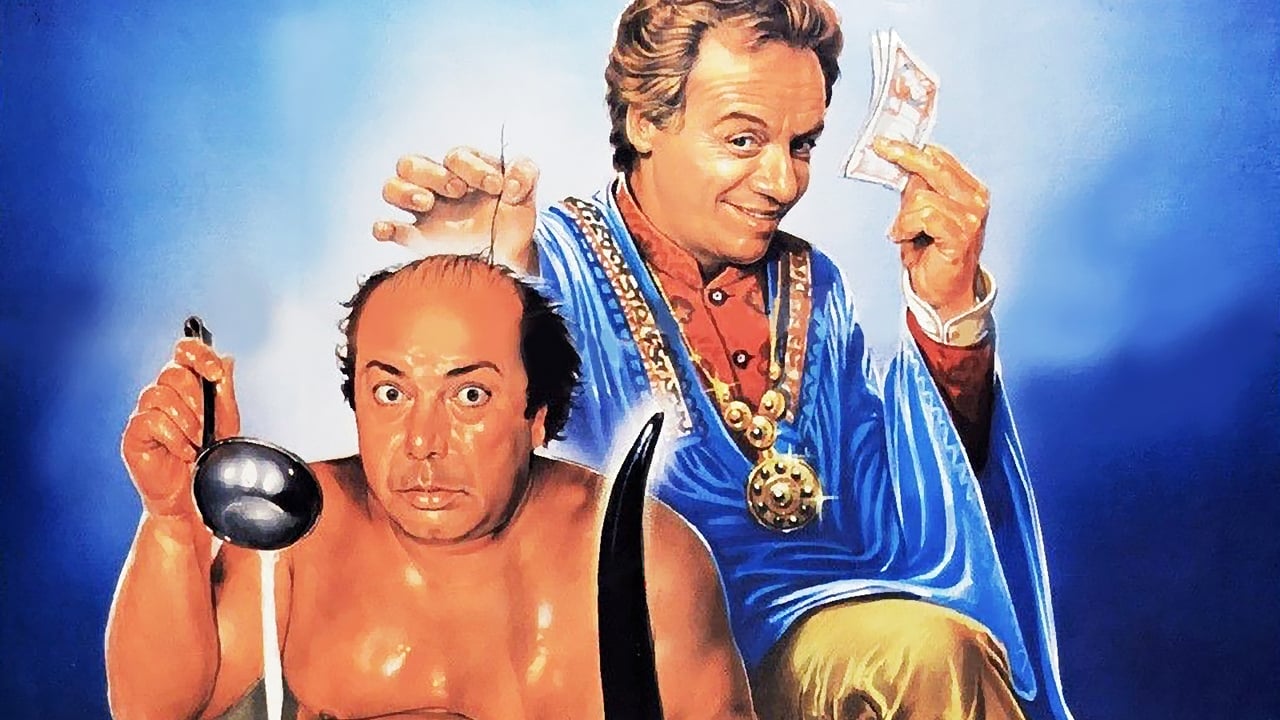
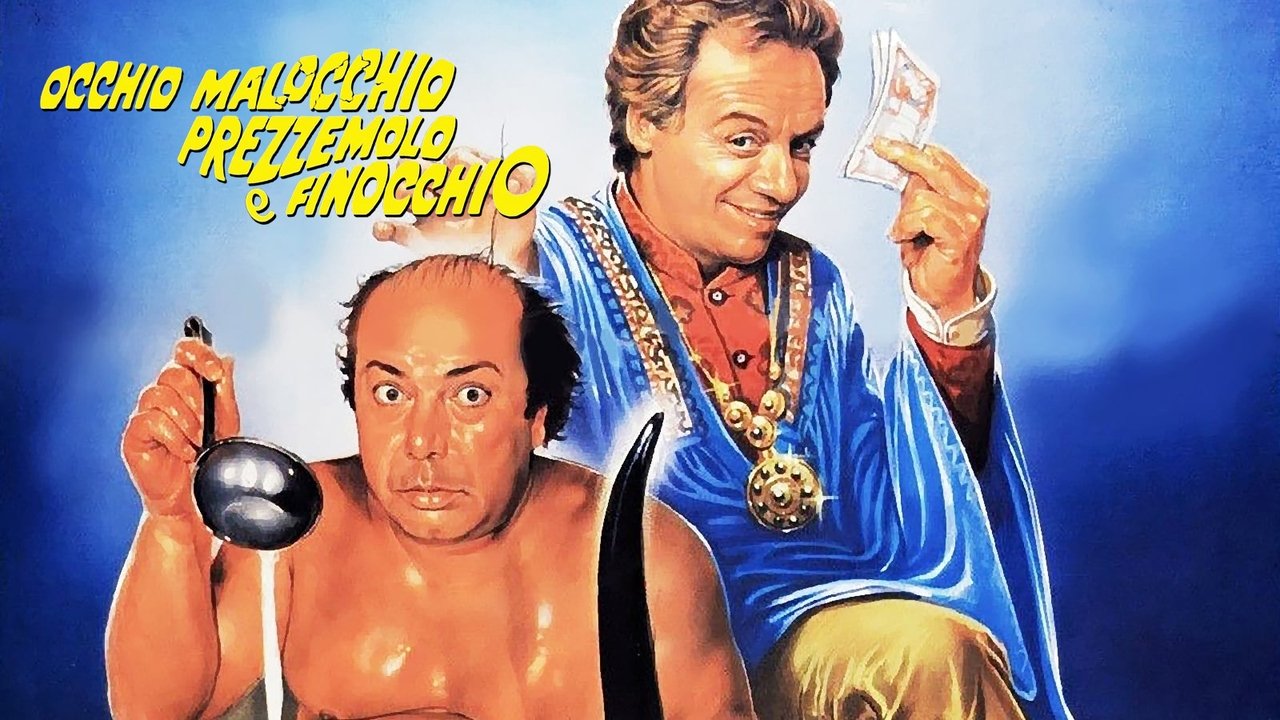
Alright, fellow tape travelers, let’s rewind to a dusty corner of the video store, past the usual action heroes and scream queens, into the slightly bewildering ‘Foreign Comedy’ section. Remember stumbling across those covers with titles that made absolutely no sense, featuring actors you’d never heard of, promising… well, you weren’t quite sure what? That’s the exact thrill I get thinking about Sergio Martino’s 1983 double-header, Occhio, malocchio, prezzemolo e finocchio, often known to intrepid international VHS hunters simply as Eye of the Evil Eye. And yes, the original title literally translates to "Eye, evil eye, parsley, and fennel" – a wonderfully specific Italian ward against bad luck that perfectly sets the stage for the superstitious silliness within.
Two Scoops of Italian Superstition
Forget your standard three-act structure; this is pure 80s Italian mainstream delight, serving up two distinct comedic tales loosely connected by themes of bad luck, magic, and the supernatural. It feels less like a single movie and more like catching a double feature programmed by a slightly eccentric uncle. Leading the charge are two absolute titans of Italian comedy from the era: Lino Banfi and Johnny Dorelli.
First up, we get Banfi in "Il pelo della disgrazia" (The Hair of Misfortune). Banfi plays Aladino, a perpetually stressed appliance store owner whose life goes hilariously off the rails when he becomes convinced his new neighbour, the flamboyant and vaguely sinister Ludovico Marchialla (played with relish by Mario Brega – yes, that Mario Brega, the hulking heavy from Leone's Dollars Trilogy, here flexing comedic muscles!), has cursed him with the malocchio, the dreaded Evil Eye. What follows is a masterclass in escalating comic panic, as Aladino resorts to increasingly absurd superstitious rituals (guided by a wonderfully bizarre wizard) to ward off the perceived bad luck raining down on his business and family.
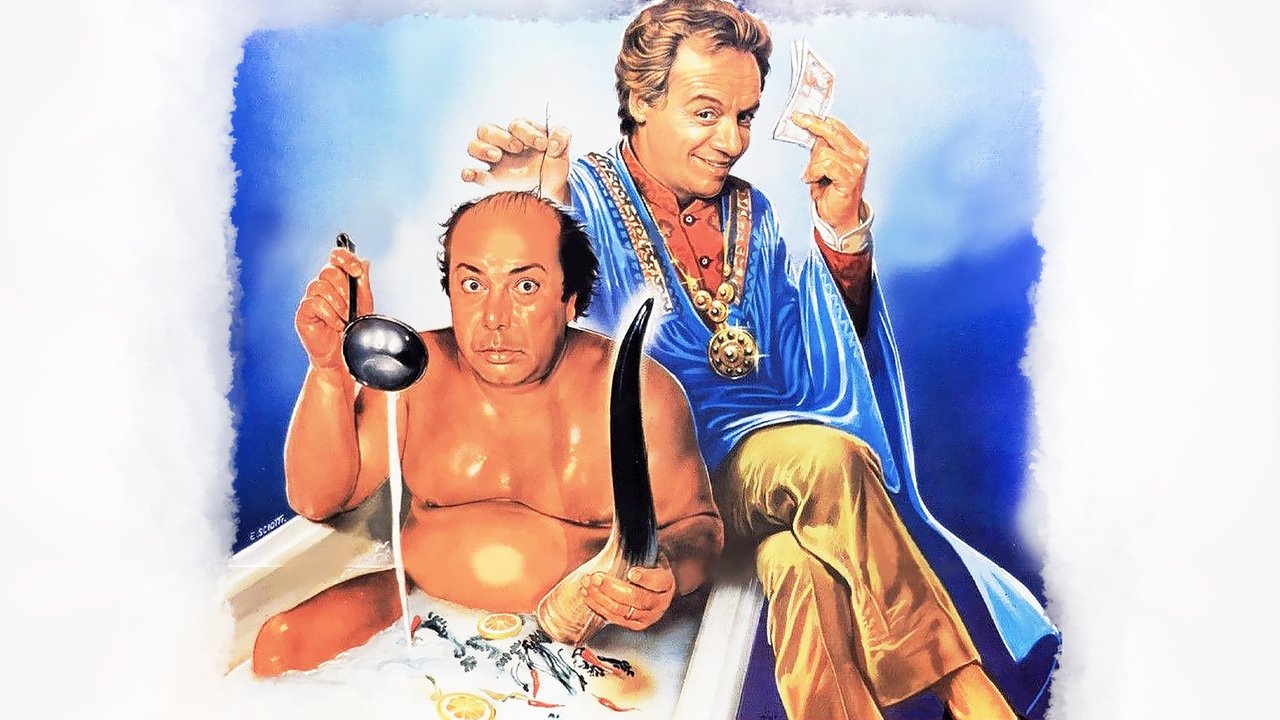
Banfi, a force of nature in Italian comedy often compared to Puglia's answer to Jerry Lewis, is just magnetic here. His expressive face, rapid-fire delivery (even through subtitles or dubbing, the energy is palpable), and sheer commitment to the physical comedy are a joy. This segment feels heavily influenced by the commedia all'italiana tradition, penned by veterans like Bruno Corbucci (brother of Sergio Corbucci and director of countless cop comedies) and Enrico Vanzina, who basically defined slick Italian 80s comedy. Trivia alert: Banfi was so popular in Italy during this period, his presence alone could practically guarantee box office success for domestic comedies like this. It reportedly cost around 1.3 billion Lire (roughly $850,000 USD back then, maybe $2.6 million today) and was a solid hit in its home country.
From Curses to Conjuring
The second segment, "Il mago" (The Magician), shifts gears slightly, starring the suave Johnny Dorelli as Gaspar the Magician. He’s a successful illusionist whose career takes a nosedive thanks to a curse from a rival magician. Desperate, he seeks help from the legendary sorceress Marquise del Querceto (the iconic Milena Vukotic, known to many international viewers from Buñuel's films and the Fantozzi series). This story leans more into light fantasy, involving magical duels, invisibility spells, and a quest to retrieve a powerful artifact.
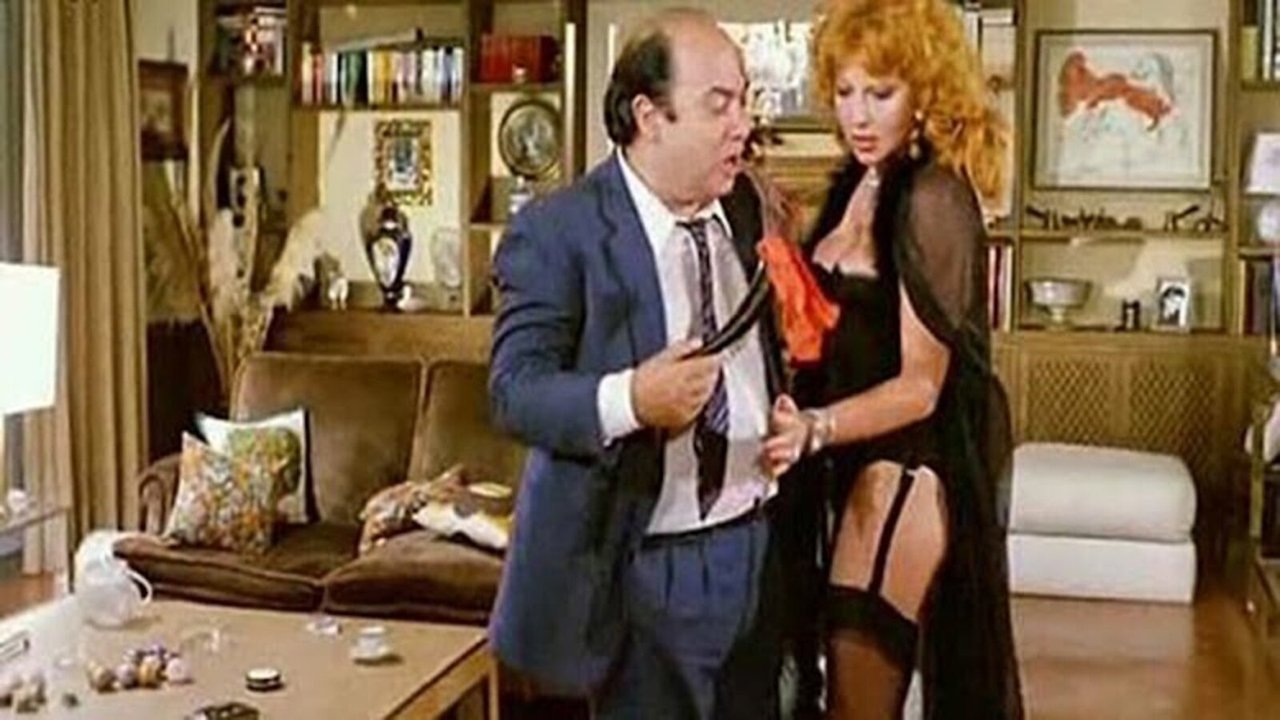
Dorelli, known for his smooth charm and singing background, brings a different energy than Banfi’s manic frenzy. His segment feels a bit more structured, perhaps less reliant on pure cultural superstition and more on classic comedic fantasy tropes. The effects are, naturally, pure 1983 vintage – think visible wires, cheesy opticals, and props that look like they came from a well-stocked party store. But honestly? That’s part of the charm. There’s a tangible quality to the practical gags, a sort of “let’s put on a show!” enthusiasm that feels miles away from today’s slick CGI. Remember how mind-blowing even simple illusions looked on a fuzzy CRT screen back then?
The Giallo Maestro’s Comedy Detour
Now, the elephant in the room: Sergio Martino. This is the guy who gave us stone-cold Giallo classics like Torso and The Strange Vice of Mrs. Wardh, gritty poliziotteschi like The Violent Professionals, and even post-apocalyptic action! Seeing his name attached to a broad, superstitious comedy feels like finding out David Cronenberg directed a rom-com. While his stylish visuals and knack for tension aren't really the focus here, you can still see a professional hand guiding the chaos. The pacing is brisk, the framing is competent, and he clearly knows how to let his comedic stars shine. It speaks volumes about the Italian film industry of the time, where directors often jumped between genres with surprising fluidity. Martino actually directed quite a few comedies during this period, often with stars like Banfi, proving his versatility beyond thrills and kills.
Finding the Charm in the Chaos
Watching Eye of the Evil Eye today is a specific kind of nostalgic trip. It’s loud, it’s broad, heavily reliant on Italian cultural touchstones (especially the malocchio segment), and the humour might feel dated or overly slapstick to some. The production values scream ‘80s Italian commercial cinema’. But for fans who appreciate that specific flavour, or those who remember the thrill of discovering weird and wonderful foreign tapes, there’s a definite warmth here. It’s unpretentious, eager to please, and anchored by two incredibly charismatic leads doing what they do best. I distinctly remember renting tapes like this, sometimes purely based on the bizarre cover art, and feeling like I'd unlocked a secret level of movie fandom.
This isn't high art, folks. It's populist entertainment from another time and place, captured on magnetic tape. It’s the cinematic equivalent of a slightly chaotic, incredibly loud, but ultimately affectionate family gathering.
VHS Heaven Rating: 6/10
Justification: The rating reflects the film's undeniable energy and the charm of its lead performers (Lino Banfi is a comedic powerhouse), especially for viewers familiar with or curious about 80s Italian popular cinema. Sergio Martino's unexpected directorial presence and the integration of genuine cultural superstition add points for curiosity. However, its episodic nature, very broad humour, dated production, and strong reliance on cultural context that might not translate perfectly limit its wider appeal. It's a fun, specific slice of nostalgia, but definitely a product of its time and place.
Final Take: A gloriously unsubtle slice of 80s Italian comedy chaos, Eye of the Evil Eye is the kind of weird, wonderful discovery that made browsing the dusty shelves of the video store such an adventure. Forget slick effects; this is raw, superstitious silliness served with pure Mediterranean gusto. Essential? Maybe not. Memorable? Absolutely, you lucky devil, you.