Alright folks, slide that worn-out tape into the VCR, maybe give the tracking a little nudge, because tonight on VHS Heaven, we're heading deep into the tropics with a true giant of European cinema. Forget the complex anti-heroes for a moment; let's talk about the simple, almost mythic power of Bud Spencer taking on the modern world in 1982's Banana Joe. This wasn't just another knockabout comedy; it felt like catching a force of nature on a fuzzy CRT screen, a comforting blast of straightforward goodness wrapped in colourful, chaotic adventure.
### Paradise Found, Bureaucracy Lost
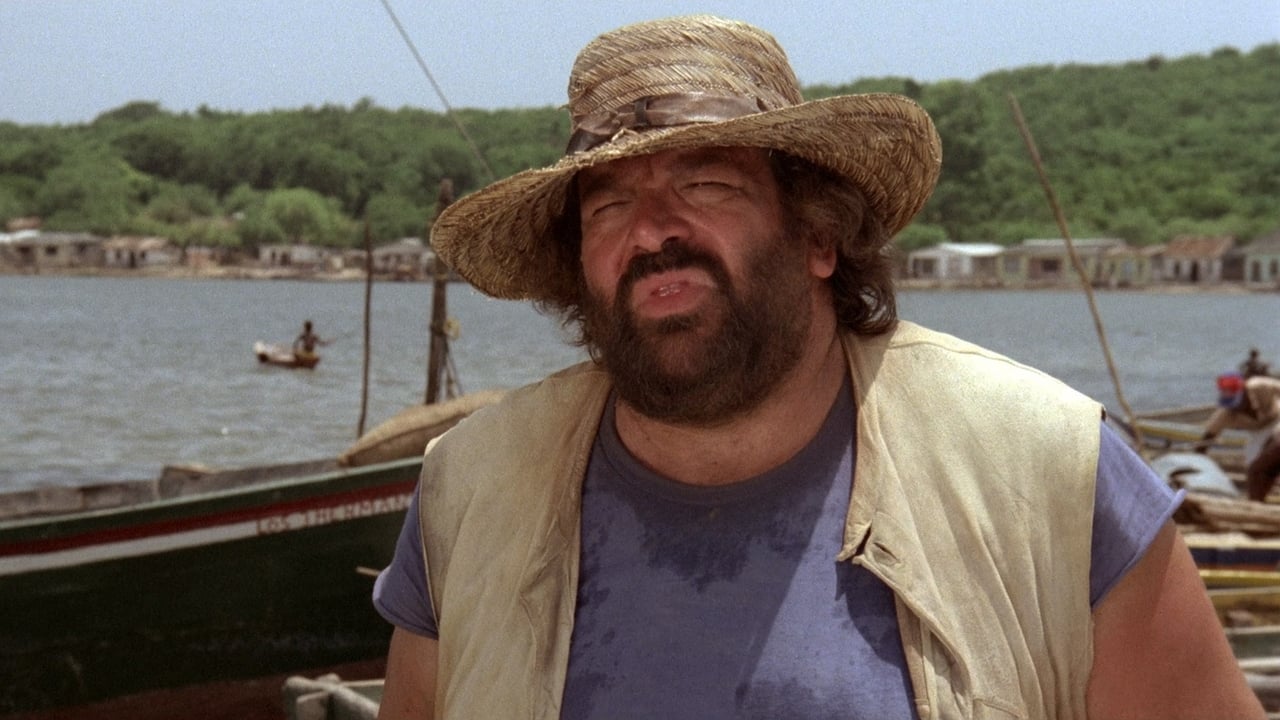
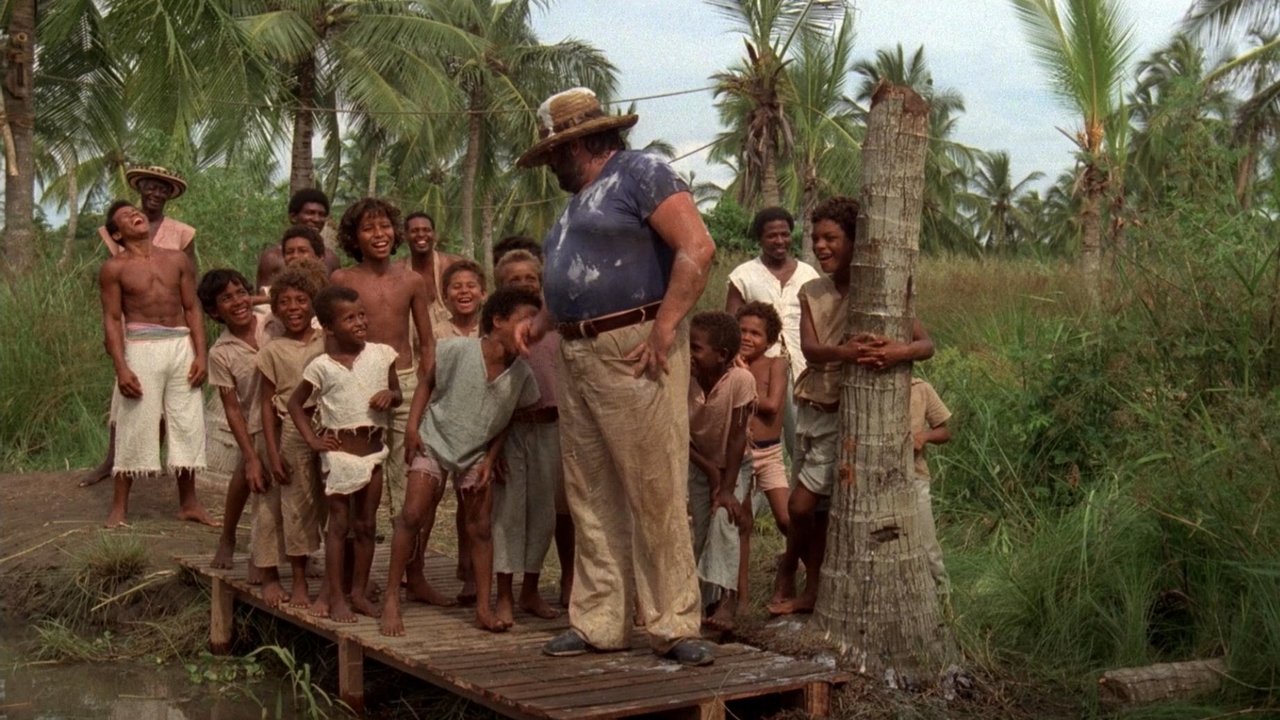
The setup is beautifully simple, almost like a tall tale whispered around a campfire. Bud Spencer is Joe, a gentle giant living an idyllic life in the fictional South American village of Amantido. His world revolves around trading bananas directly for goods, bypassing money and, more importantly, the soul-crushing gears of bureaucracy. He's strong, fair, and beloved by the villagers. But paradise is threatened when the slimy Señor Torcillo arrives, representing a corporation eager to exploit the banana trade and build a casino. Suddenly, Joe discovers the absurd catch-22 of modern life: to legally trade his bananas and protect his home, he needs... a license. And to get a license, he needs an identity, birth certificates, tax records – the whole nine yards he never knew existed.
This fish-out-of-water premise sends Joe tumbling into the bewildering concrete jungle of the nearest city, a stark contrast to Amantido's vibrant greens. It's here the film really finds its comedic stride, mining Joe's naivete and sheer physical presence against the backdrop of baffling regulations and modern hustles. Remember watching him try to navigate things like traffic or just opening a door designed for normal-sized humans? Pure gold.
### The Bud Spencer Touch: More Than Just Slaps
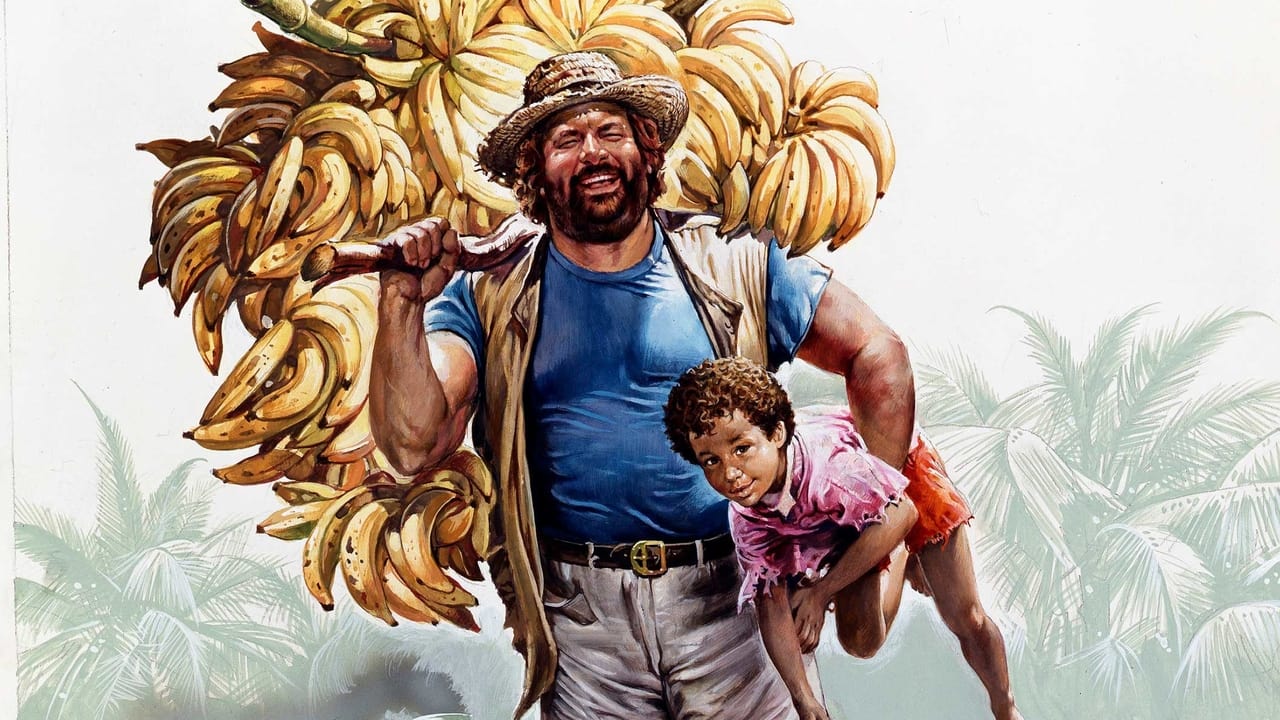
Of course, you can't talk about a Bud Spencer movie without talking about the fights. But Banana Joe, directed by Italian comedy veteran Steno (who helmed numerous Toto films and some Spencer/Hill outings like Flatfoot), offers a slightly different flavour. While the trademark thwacks and pows are present (those sound effects were practically characters themselves!), Joe isn't quite the invincible brawler of the Terence Hill pairings. He's still ridiculously strong, sending goons flying with effortless-looking shoves and hammer-fist blows, but there's a weariness to him sometimes, a genuine frustration with the world he doesn't understand. The action feels grounded, even amidst the cartoonish physics – these were real stunt performers taking those bumps, no CGI safety nets in sight! It felt heavy back then, didn't it? You believed a man that big could cause that much chaos.
What makes Joe particularly interesting is that Bud Spencer himself (under his real name, Carlo Pedersoli) co-wrote the screenplay alongside Steno, Mario Amendola, and Bruno Corbucci. You can feel his personal touch in Joe's simple code of ethics and his bewilderment at systemic absurdity. Spencer, a former Olympic swimmer and Renaissance man, often infused his characters with a core decency beneath the gruff exterior, and Banana Joe feels like one of his most personal statements on the encroachment of impersonal systems on simple living. It adds a layer of sincerity that elevates it beyond just a punch-up flick.
### Colombian Colors and Comedic Chaos
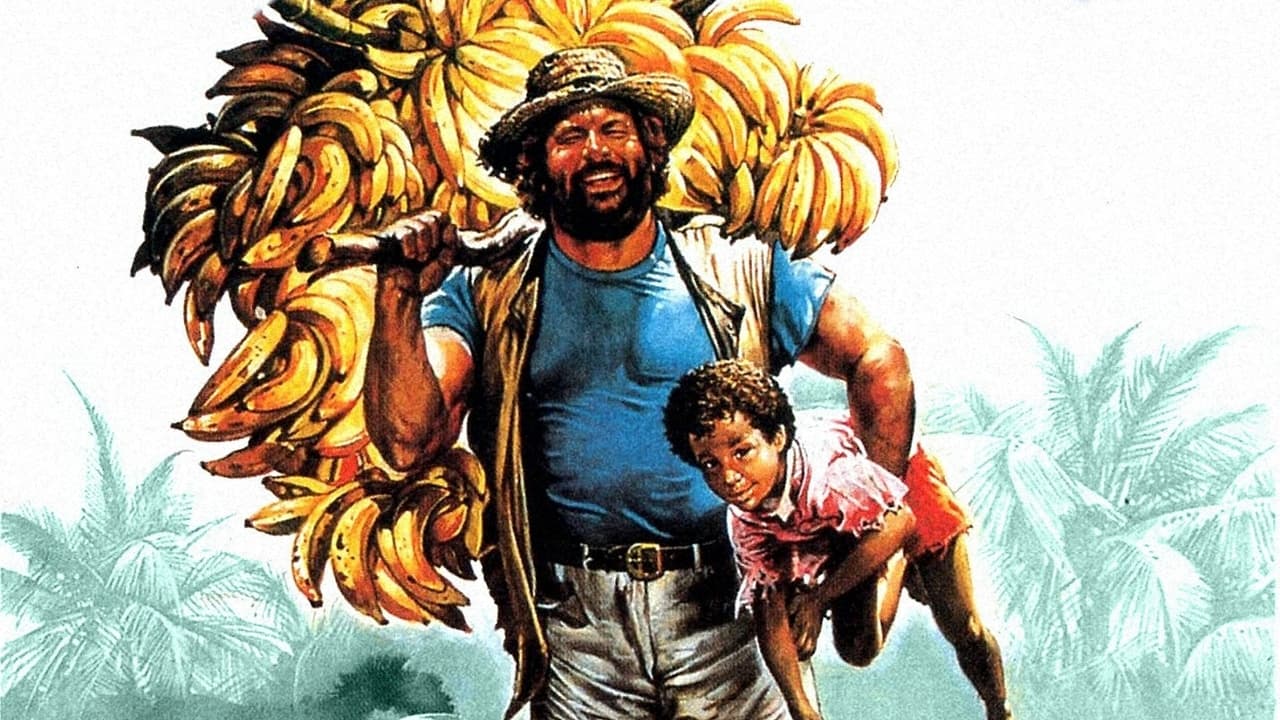
Filmed largely on location in Colombia, particularly around Cartagena, the movie absolutely pops with authentic tropical colour, even through the nostalgic haze of VHS tracking lines. The contrast between the lush, vibrant village and the chaotic, somewhat grimy city is well-captured. Director Steno, a master of Italian popular comedy, keeps the pace brisk and the tone light, even when dealing with themes of corporate greed and cultural destruction. He knows exactly how to frame Spencer to maximize both his imposing presence and his comedic timing.
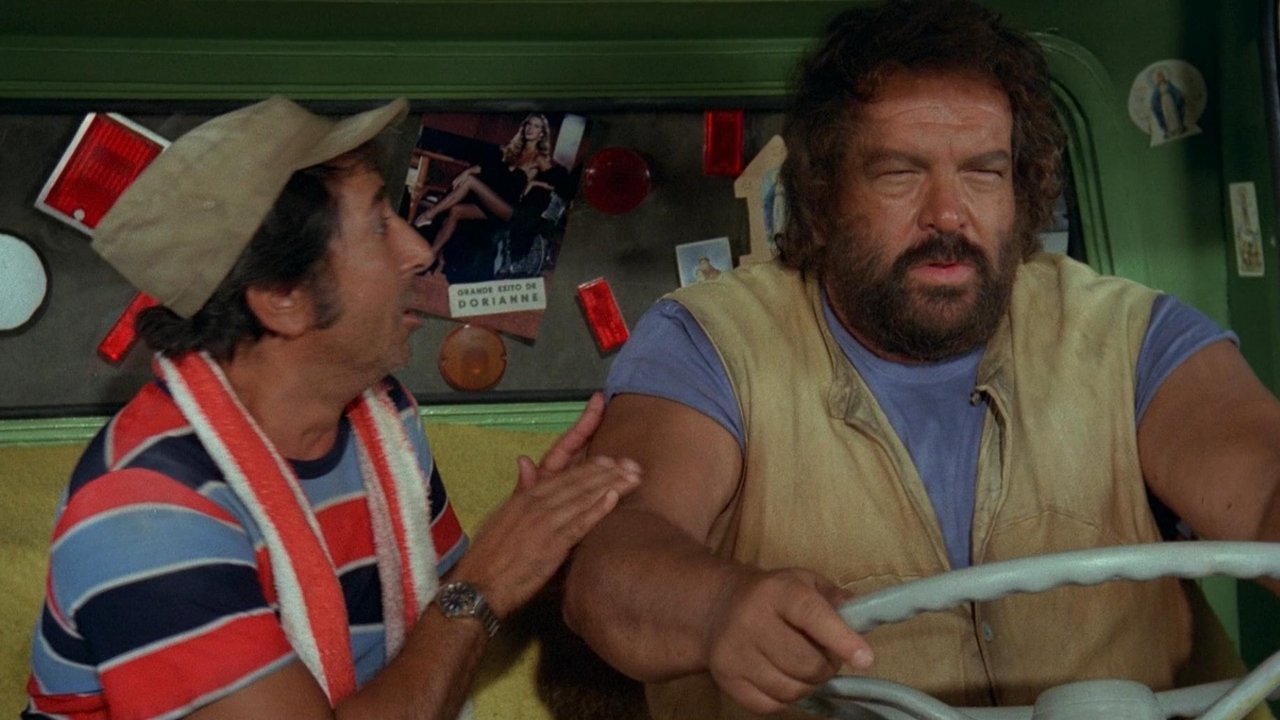
Supporting players like Marina Langner as Dorianne, the fetching singer who catches Joe's eye, and Mario Scarpetta as the fast-talking Manuel add to the fun, embodying the different facets of the world Joe encounters. The music, often a key ingredient in Spencer/Hill films, provides a jaunty, suitably tropical-infused backdrop to the proceedings. While maybe not reaching the iconic status of some of their shared adventures, Banana Joe was a solid hit, particularly in Spencer's European strongholds like Germany and Italy, proving his solo drawing power. My own well-worn tape of this, probably recorded off late-night TV, certainly got plenty of rewinds.
### Retro Fun Facts Woven In
- Location, Location, Location: Besides Cartagena, filming also took place in Turbo, a Colombian port town known for – you guessed it – its banana trade, adding a layer of authenticity.
- The Pen is Mightier...: Spencer's co-writing credit wasn't just vanity; he actively contributed ideas about the character's philosophy and the clash between nature and bureaucracy.
- Solo Success: While often paired with Terence Hill, Spencer had a robust solo career, and Banana Joe is often cited by fans as one of his best standalone efforts, showcasing his unique charm without the usual dynamic duo interplay.
- Steno's Staple: Director Steno worked frequently with Spencer, both solo and with Hill, becoming adept at crafting vehicles perfectly suited to their particular brand of action-comedy.
### The Verdict
Banana Joe is pure, unadulterated 80s comfort food cinema. It's predictable, the plot is wafer-thin, and the social commentary, while present, isn't exactly subtle. But who cares? You watch it for Bud Spencer, for the satisfying thump of bad guys hitting the deck, for the colourful locations, and the simple joy of seeing a good-hearted giant navigate a world gone slightly mad. It’s got charm, it’s got heart, and it’s got Bud Spencer being Bud Spencer.
Rating: 7/10 - The score reflects its immense charm, Spencer's iconic performance, and the pure nostalgic fun factor, tempered slightly by the very straightforward plot and dated elements. It delivers exactly what it promises: a big dose of feel-good slapstick adventure.
Final Thought: In an era before digital trickery smoothed every edge, Banana Joe reminds us of the sheer physical charisma of its star and the simple pleasure of watching one big dude knock a whole lot of sense into a complicated world, one banana boat at a time. Still a sweet treat after all these years.