Okay, rewind your minds with me. Picture this: it’s Friday night, you’ve just hit the local video rental store – that glorious temple smelling faintly of popcorn, plastic, and possibility. You bypass the brightly lit New Releases wall, heading straight for the slightly dimmer, arguably more exciting aisles of the Comedy section. And there, nestled between established hits and questionable knock-offs, you find it: the cover for Private School (1983), promising preppy hijinks, maybe a little romance, and definitely a healthy dose of R-rated rebellion. Ah, yes. This was the kind of discovery that made a weekend.
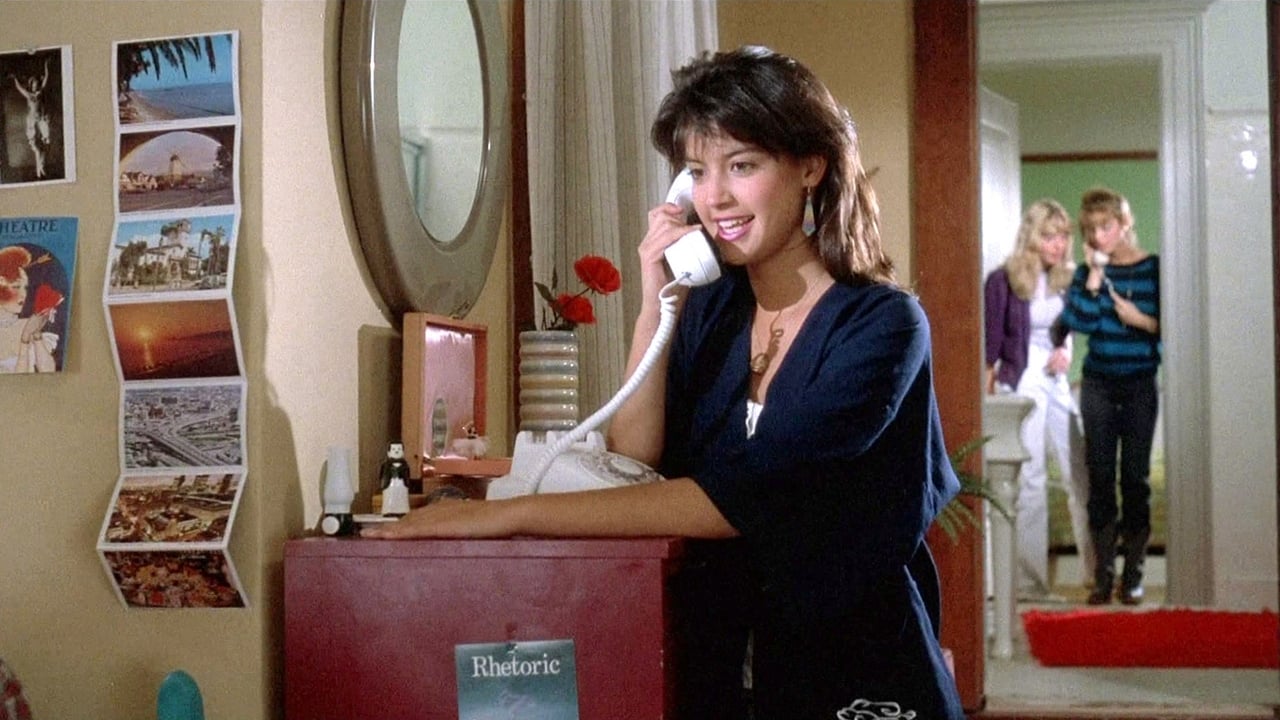
Private School isn't high art, let's get that straight right away. It's a slice of pure, unadulterated early-80s teen comedy, belonging to that specific subgenre that gleefully mixed puppy love with locker room peep shows. It arrived in the wake of Porky's, aiming squarely at the same hormonal demographic, and frankly, it delivers exactly what that video box promised.
### Welcome to Cherryvale (and Crossgates)
The setup is classic teen movie fodder: we're thrown into the world of two neighboring, rival prep schools. There's the prim and proper Cherryvale Academy for Girls, home to the sweet Christine Ramsey (Phoebe Cates) and her more worldly best friend, Jordan Leigh-Jenson (Betsy Russell). Across the way looms the boisterous Crossgates Academy for Boys, where Christine’s earnest crush, Jim Green (Matthew Modine), tries to navigate adolescence alongside the relentlessly obnoxious antagonist, Bubba Beauregard (Michael Zorek). Add in a lecherous chauffeur (Ray Walston!), a clumsy science teacher (Julie Payne), and, somewhat bizarrely, Sylvia Kristel (yes, the Sylvia Kristel of Emmanuelle fame) as a sultry French instructor, and you've got the ingredients for... well, something.
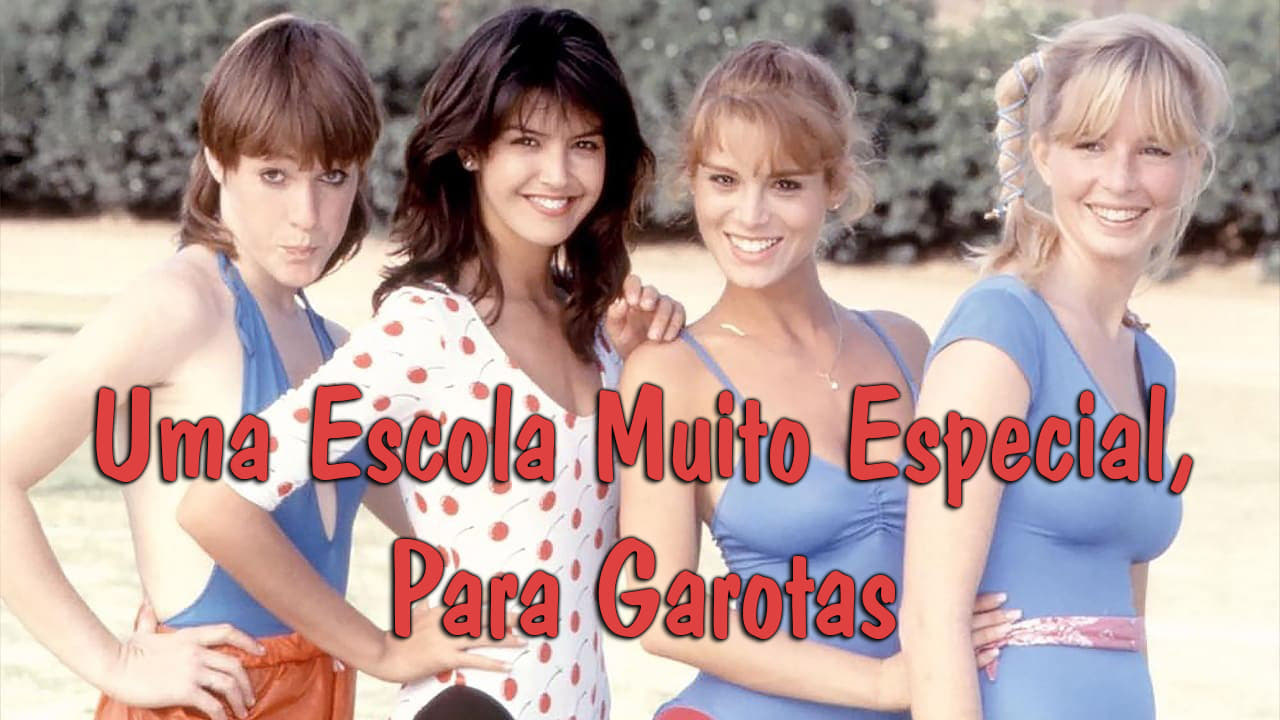
It’s fascinating seeing Phoebe Cates here, riding the wave of her iconic pool scene in Fast Times at Ridgemont High (1982). She brings a genuine sweetness to Christine, grounding the film slightly amidst the chaos. Betsy Russell dives headfirst into the sassy best friend role, delivering some of the film’s more overtly comedic (and raunchy) moments. And look at that fresh-faced Matthew Modine, years before Full Metal Jacket (1987) or Vision Quest (1985), playing the slightly awkward but decent love interest. It’s a snapshot of young talent on the rise, navigating material that’s often more silly than sophisticated. Seeing them all here, filmed partly on location at recognizable spots like Marymount High School in Bel Air, adds a layer of "before they were stars" charm.
### Hormones, Hijinks, and Horseplay
Let’s be honest, the plot is less a cohesive narrative and more a series of episodic sketches strung together by romantic yearning and prank wars. Directed by Noel Black, whose earlier career boasted the critically acclaimed, darkly twisted Pretty Poison (1968) – talk about a tonal shift! – Private School feels less directed and more corralled. The humor ranges from genuinely funny slapstick (often involving poor Ray Walston) to groan-worthy puns and, of course, the kind of nudity that was almost mandatory for R-rated teen comedies of this specific period.

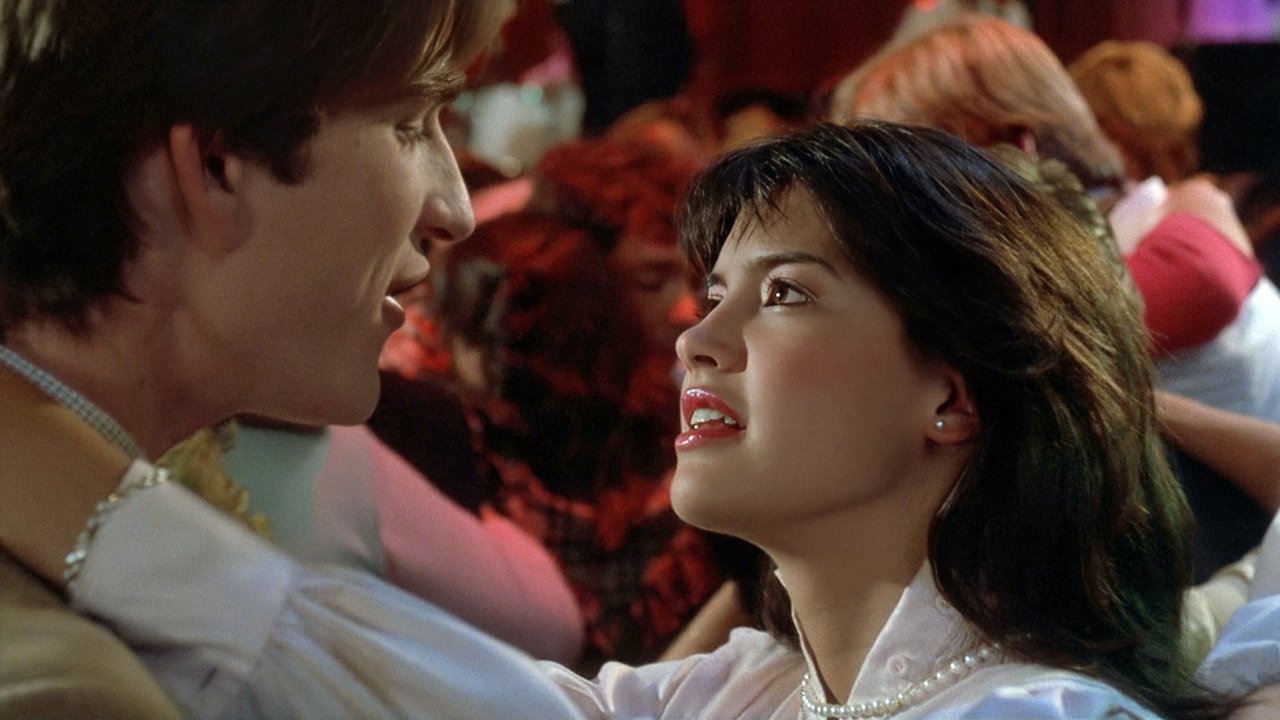
The film became somewhat notorious for featuring both Cates and Russell in revealing scenes. While undeniably aimed at titillation back then, viewed now they feel like almost quaint artifacts of a specific filmmaking era, before the internet changed everything about onscreen exposure. These moments, alongside the sometimes surprisingly frank talk about sex, were part of the film’s forbidden allure on VHS – the kind of movie you might watch with friends when parents weren’t home. Remember feeling like you were getting away with something?
Amidst the absurdity, there are moments that capture the era's vibe perfectly. The soundtrack pulses with early 80s energy, including Rick Springfield's "Affair of the Heart" and, notably, two songs performed by Phoebe Cates herself ("Just One Touch" and "How Do I Let You Know"). And who could forget the central romantic set piece – a moonlit horseback ride? It's pure, cheesy 80s fantasy, shot with a sincere romanticism that somehow coexists with the film's cruder elements.
### Box Office Passing Grade, Critical Failure
Upon release, Private School was predictably savaged by critics, who saw it as just another crass entry in the booming teen exploitation market. Yet, it found its audience. Made on a modest budget (reportedly around $5 million), it pulled in nearly $12 million at the box office – not a blockbuster, but a decent return that proved there was still an appetite for this kind of fare, even competing against giants like Risky Business which came out the same summer. Its real life, however, truly blossomed on home video. It became a staple of rental stores, passed around among friends, achieving a kind of minor cult status built on nostalgia and its position as a quintessential example of the genre, warts and all.
It’s easy to pick apart Private School today – the humor is often juvenile, the plot meanders, and some elements feel decidedly dated. But watching it through the lens of VHS Heaven isn’t about harsh critique. It’s about recognizing it for what it was: a cheerfully chaotic, hormonally charged snapshot of early 80s teen life (as imagined by Hollywood, anyway). It captures a certain innocence alongside its attempts at being edgy, a combination that feels unique to that specific time in filmmaking.

VHS Heaven Rating: 6/10
Justification: The rating reflects the film's status as a flawed but fondly remembered piece of 80s nostalgia. It earns points for the charming young cast (especially Cates and Modine early in their careers), capturing the specific vibe of the era's teen comedies, and delivering on the goofy, slightly raunchy fun promised by its VHS box art. It loses points for the weak plot, uneven tone, and humor that often lands with a thud. It's not a great film, but it's a significant artifact for fans of the genre and the period.
Final Thought: Private School is like finding an old high school yearbook – occasionally embarrassing, undeniably dated, but flip through its pages (or, rather, let the tape roll) and you can’t help but smile at the familiar faces and the specific, slightly fuzzy memories it evokes. It’s a time capsule sealed in plastic and magnetic tape.