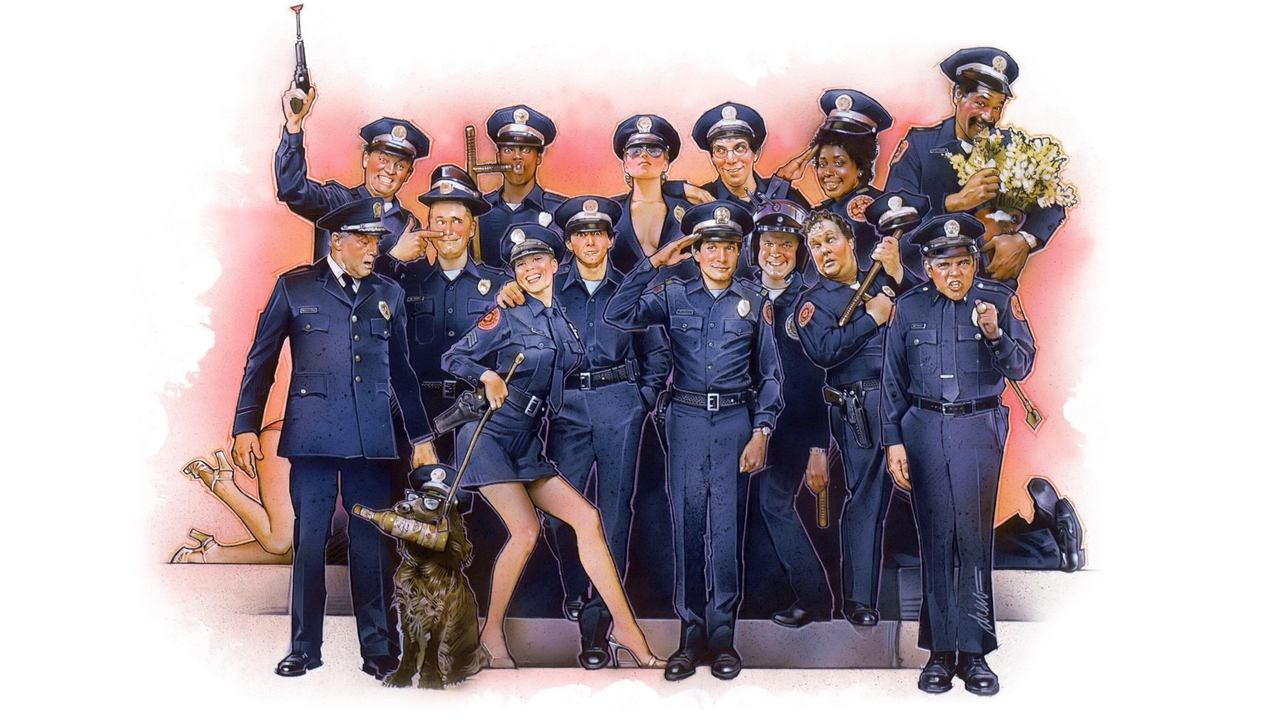
Alright class, settle down! Er, wait, wrong intro. Let’s rewind the tape. Remember that feeling? Scanning the crowded shelves of the local video store, the slightly musty smell of cardboard sleeves and plastic cases heavy in the air, and then… bam. You spot it. That unmistakable blue cover, the lineup of misfits in uniform. Yes, we’re talking about Hugh Wilson’s 1984 phenomenon, Police Academy. A movie that took a ridiculously simple premise – a desperate mayor forces the police academy to accept any applicant – and spun it into pure, unadulterated 80s comedy gold. Finding this tape felt like uncovering contraband, especially given its surprising R-rating; it promised laughs, chaos, and maybe a few things you shouldn't repeat at the dinner table.
### Welcome to the Force, You Degenerates!
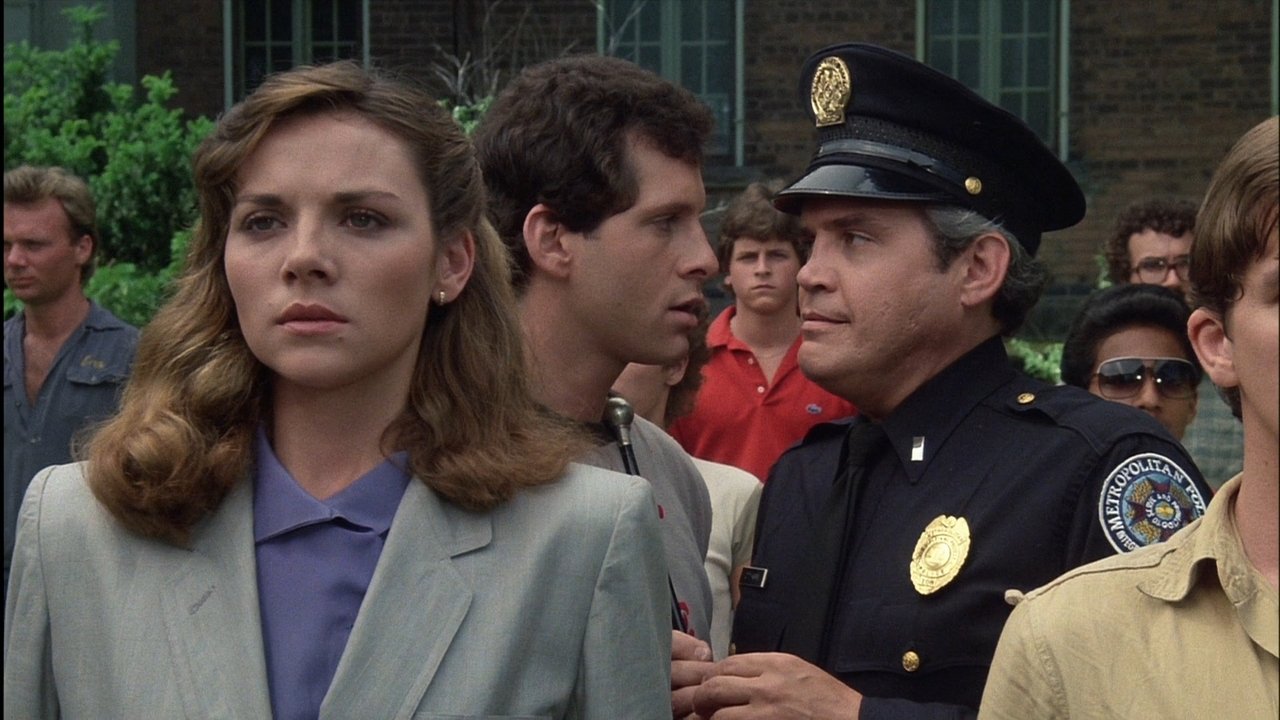
The beauty of Police Academy lies in its glorious lack of pretense. The plot, penned by Neal Israel, Pat Proft, and director Hugh Wilson (who TV fans will remember from WKRP in Cincinnati), is straightforward: a batch of societal rejects, lovable losers, and outright weirdos descend upon the Metropolitan Police Academy, much to the horror of the establishment figures, namely the perpetually apoplectic Lieutenant Harris (G.W. Bailey, absolutely nailing the exasperated foil) and the slightly less antagonistic Captain Reed (Ted Ross). Our guide through this madness is Carey Mahoney (Steve Guttenberg), a charming troublemaker given the choice between jail and the academy. Guttenberg, with his easygoing charm, was perfect for the role, though it's a fun "what if" to imagine Tom Hanks or Michael Keaton, who were reportedly considered for the part. Mahoney becomes the ringleader for a truly memorable ensemble.
### A Roster for the Ages
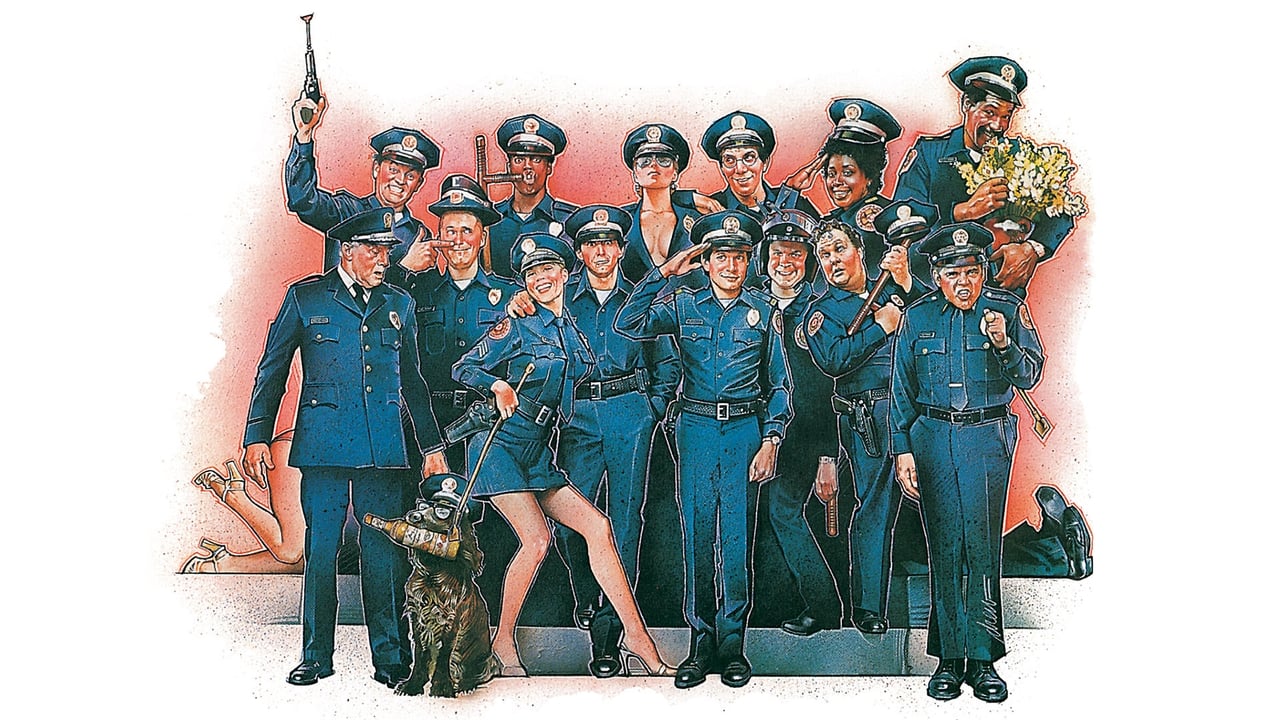
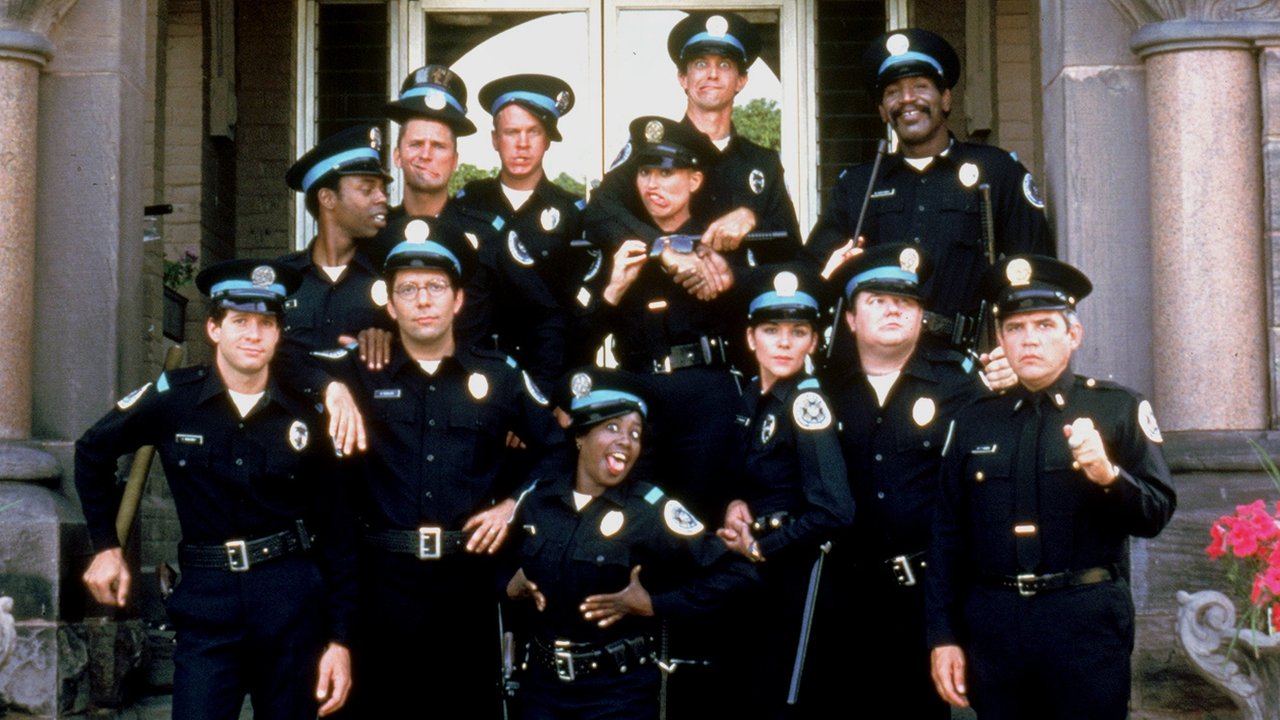
And what an ensemble! This film wasn't just the Steve Guttenberg show. It launched or solidified careers for a whole crew of comedic talents. You had the impossibly imposing Moses Hightower (Bubba Smith, the former NFL giant bringing surprising gentleness), the gun-obsessed Eugene Tackleberry (David Graf, whose intensity was always hilarious), the squeaky-voiced Laverne Hooks (Marion Ramsey, RIP), the human sound-effects machine Larvell Jones (Michael Winslow, truly one of a kind), and the utterly clueless, goldfish-loving Commandant Lassard (George Gaynes). And let's not forget Sgt. Callahan (Leslie Easterbrook) owning her role with formidable... assets, and Kim Cattrall as fellow cadet Karen Thompson, Mahoney’s love interest, years before she conquered Manhattan in Sex and the City. Each character felt distinct, a caricature perhaps, but a memorable one that contributed to the film’s chaotic energy. It’s this lineup of oddballs bouncing off each other and the sputtering authority figures that forms the core of the movie’s enduring appeal.
### Crude, Rude, and Unashamedly 80s
Let's be honest, the humour in Police Academy is about as subtle as a riot baton to the funny bone. It's packed with slapstick, suggestive dialogue (okay, sometimes very suggestive dialogue), practical jokes, and that specific brand of slightly mean-spirited R-rated comedy that flourished in the early 80s. Remember the infamous Blue Oyster Bar sequence? Or Mahoney's creative use of shoe polish at the podium? It’s pure, unadulterated silliness. Viewers today might find some jokes haven't aged gracefully, and that's fair. But back then, this felt almost rebellious for a mainstream comedy. It’s interesting to note that the filmmakers initially aimed for a PG rating, but the MPAA slapped it with an R, much to the studio's initial chagrin – though it clearly didn't hurt the film's runaway success. This wasn't sophisticated wit; it was broad, physical, and aimed squarely at eliciting gut laughs, often relying on the performers' sheer commitment to the gag. Watching Hightower literally flip a car felt visceral because you knew it was mostly practical stunt work, not digital trickery.
### Behind the Badge: Success Against the Odds
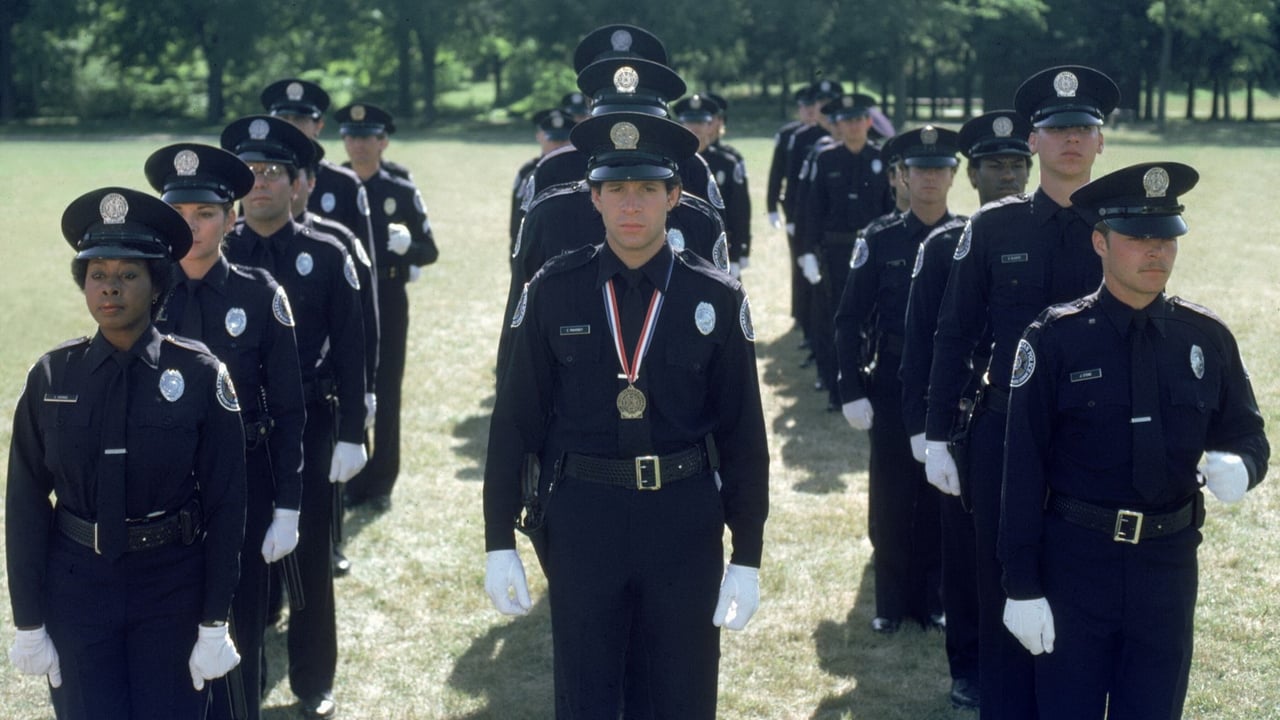
Filmed primarily in Toronto, using a former psychiatric hospital as the academy grounds (which somehow feels appropriate), Police Academy was made on a relatively modest budget of around $4.5 million. Nobody expected it to become the box office juggernaut it did, raking in nearly $150 million worldwide. That's a massive return on investment, proving that audiences were hungry for this kind of low-brow anarchy. Critics at the time? Mostly unimpressed, dismissing it as juvenile and crass. But who cared about the critics when the lines at the multiplex were stretching around the block and video stores couldn't keep copies on the shelf? It tapped into something – a desire for escapist, unapologetic fun. I still remember the buzz around renting this tape, the feeling that you were in on a joke the grown-ups (or at least, the stuffy critics) didn't quite get.
### The Legacy of the Precinct Pranksters
You can't talk about Police Academy without acknowledging the staggering six sequels it spawned, each arguably diluting the formula a little more (though some still hold a certain charm for die-hards). Plus, there were cartoon and live-action TV spin-offs. It became a franchise behemoth, defining a certain type of ensemble comedy for the decade – gather a group of distinct, quirky characters, put them in a structured environment ripe for chaos, and let the low-jinks ensue. While its influence might not be explicitly cited by filmmakers today, its DNA can be seen in countless ensemble comedies that followed.
---
VHS Heaven Rating: 7/10
Justification: Police Academy earns its stripes (and its 7 rating) through sheer force of personality and iconic characters. It's undeniably dated in parts, and the humour won't land for everyone today, but its energy is infectious, the cast chemistry is undeniable, and the core premise remains brilliantly simple and effective. It delivered exactly what it promised: non-stop, low-brow laughs fueled by a cast of memorable weirdos rebelling against authority. It captured the anything-goes spirit of early 80s R-rated comedy perfectly.
Final Thought: A cornerstone of the 80s comedy section in every video store, Police Academy might be crude and predictable, but it’s also undeniably fun and endlessly rewatchable if you’re in the right mood – a true relic of a time when a simple premise and a squad of goofballs could conquer the box office. Dismissed by critics, beloved by audiences – isn't that the story of so many VHS classics?