Alright cadets, line up! Remember that feeling? Popping a fresh tape into the VCR, the whirring sound building anticipation, maybe grabbing a soda that would definitely stain the carpet if spilled? For many of us, the Police Academy franchise was a reliable go-to at the local video store, and 1986’s Police Academy 3: Back in Training felt like catching up with old, slightly unhinged friends. It hit the shelves hot on the heels of its predecessors, continuing a yearly tradition that felt almost as dependable as the changing seasons back then.
### Same Circus, New (Blue) Hats
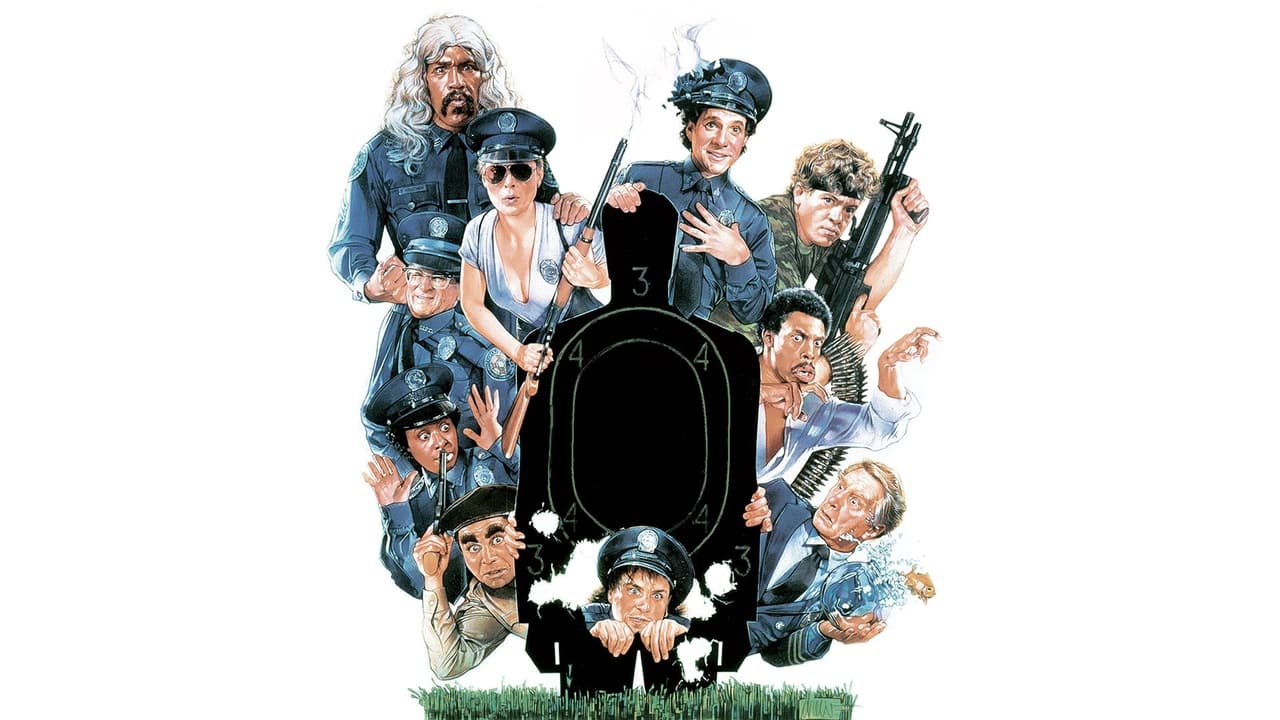
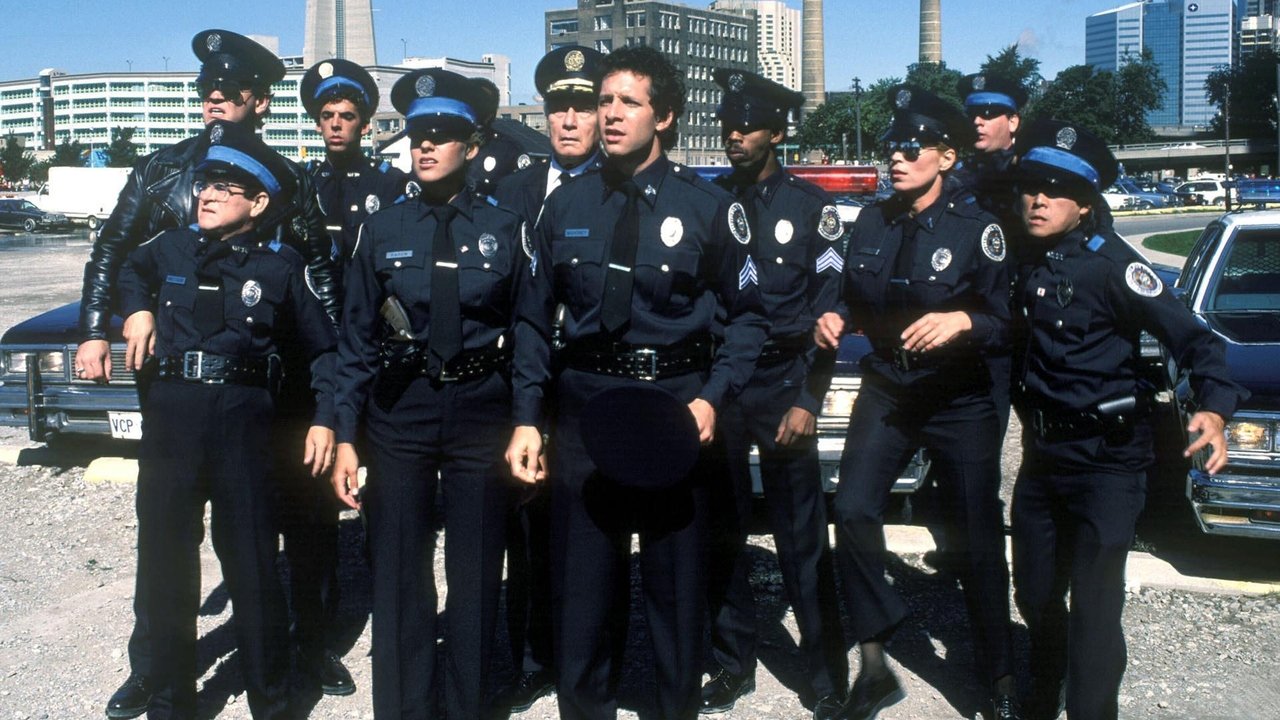
The premise this time? Pure 80s sequel logic. Budget cuts loom over the state, meaning one of the two police academies must close. Naturally, it’s our beloved Commandant Lassard’s institution versus the conniving Commandant Mauser’s (Art Metrano, really leaning into the slimy foil role here). Who better to save the day than the original batch of lovable misfits? Only this time, Mahoney (Steve Guttenberg, still effortlessly charming), Hightower (Bubba Smith, the gentle giant), Tackleberry (David Graf, gloriously gun-obsessed), Jones (Michael Winslow, the Man of 10,000 Sound Effects), Hooks (Marion Ramsey, quiet-to-loud perfection), and Callahan (Leslie Easterbrook, owning the tough-as-nails instructor vibe) are back as instructors. It's a simple flip, but it gives the film just enough novelty to keep the engines running.
### The Class Clown Contingent
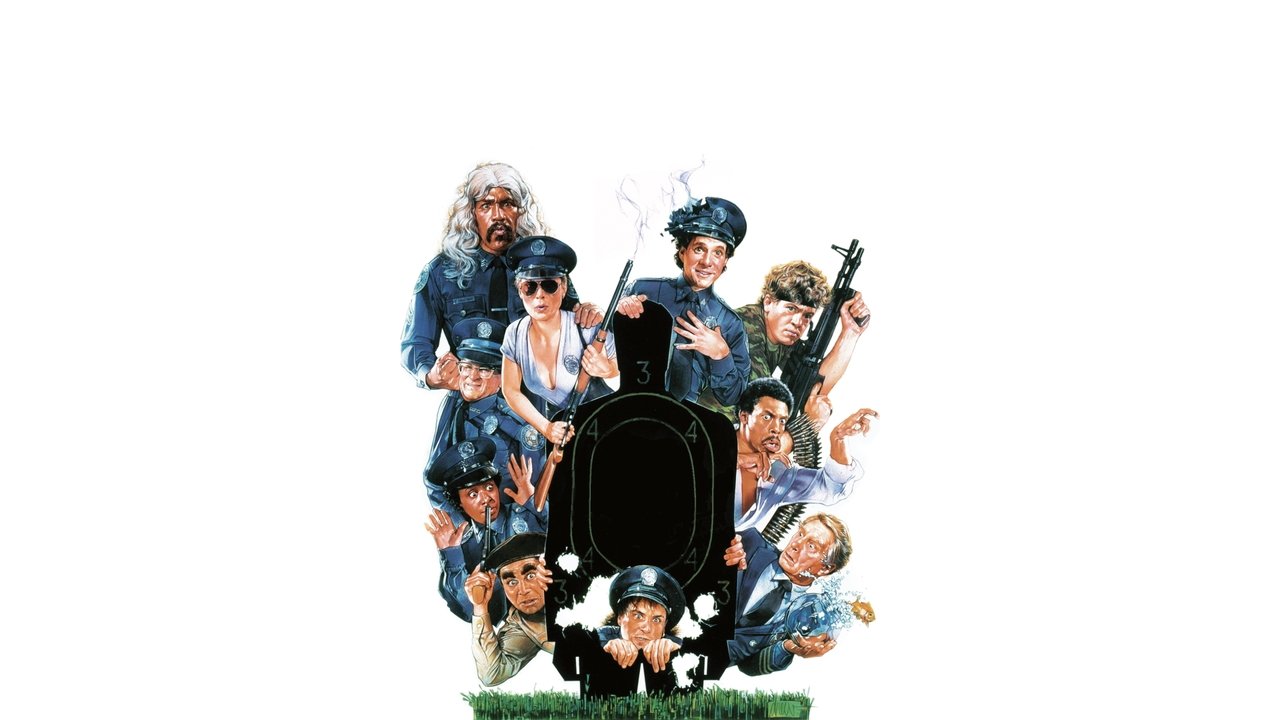
What always made these movies work, despite critical indifference, was the ensemble and their specific comedic schticks. Back in Training doubles down on this. Michael Winslow’s vocal acrobatics remain a standout – was there anything cooler in 1986 than perfectly mimicking sirens, gunshots, or faulty microphones with just your mouth? It was pure, analogue magic that always got a laugh. We get more of Tackleberry’s weapon fetish, Hightower’s quiet strength solving problems brute force couldn’t, and Hooks shifting from whisper to bellow. The gags are broad, often predictable, but delivered with infectious energy by a cast clearly having fun.
Director Jerry Paris, a veteran of classic TV sitcoms like Happy Days and The Dick Van Dyke Show, brings that episodic, gag-driven structure here. Sadly, this would be his final film, as he passed away shortly after its release. His experience with rapid-fire TV comedy pacing certainly fits the Police Academy mould – it’s less about intricate plotting, more about setting up the next punchline or visual joke.
### Zed Joins the Force?
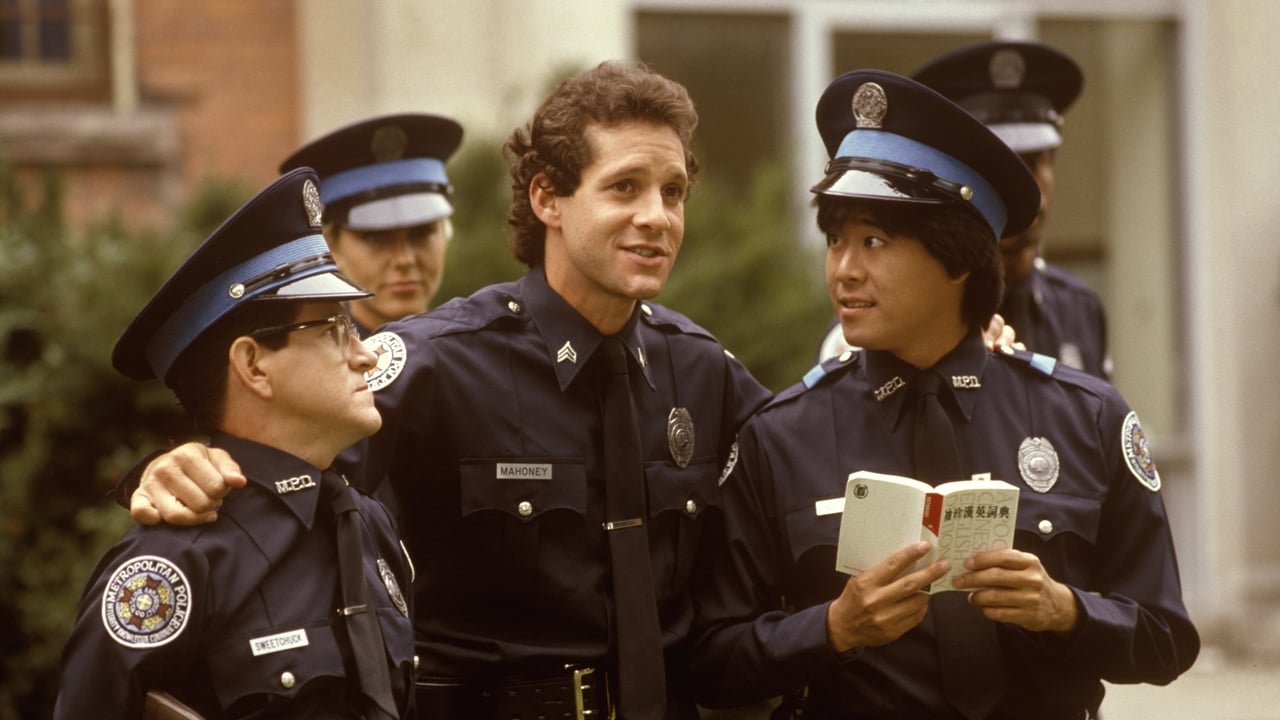

A stroke of genius in Part 3 was bringing back Bobcat Goldthwait's Zed, the anarchic gang leader from Part 2, but this time as a recruit. His signature spazzy, screeching energy paired hilariously with the meek, perpetually terrified Sweetchuck (Tim Kazurinsky, another SNL alum alongside Paris's frequent collaborator Garry Marshall who often had cameos in his shows). Their odd-couple dynamic provides some of the film's freshest laughs, adding a new layer to the established roster of characters. It’s the kind of casting shuffle that sequels sometimes nail, giving audiences a familiar face in an unexpected context.
### That Relentless 80s Franchise Machine
Seeing Police Academy 3 hit cinemas just a year after Part 2, which itself came only a year after the original, felt like a whirlwind. This rapid-fire production schedule was pure 80s studio thinking – strike while the iron is hot! Filmed primarily in Toronto, like its predecessors, the film aimed for broad appeal, securing a PG rating (unlike the R-rated original) which definitely helped cement it as a family-friendly video rental staple. While critics largely dismissed it as formulaic (and let's be honest, it is formulaic), audiences didn't seem to mind. It pulled in a respectable $43.6 million domestically against a roughly $12 million budget – proof that the formula, tired or not, still worked wonders on VHS night. It wasn't trying to reinvent the wheel; it was giving people exactly what they expected, polished and ready for another go-round.
### Slapstick Over Spectacle
Let's talk action – Police Academy style. It’s not about gritty realism or high-octane thrills in the traditional sense. Here, the "action" is pure, unadulterated slapstick. Think less Die Hard, more Three Stooges in uniform. The jet ski chase sequence is a prime example – more goofy near-misses and waterlogged chaos than genuine tension. The climactic showdown at the governor's ball isn't about tactical precision; it's about maximizing comedic mayhem, with pratfalls, mistaken identities, and conveniently placed props used for maximum humorous effect. Watching it now, the timing and physicality of the gags feel charmingly analogue compared to today's often CGI-smoothed comedy set pieces. It’s the bumps, the awkward landings, the sheer silliness of it all, performed by game actors, that provides the punch.
For what would be his penultimate appearance in the series, Steve Guttenberg remains the indispensable centre. Mahoney is the relatable wise-guy, the charming rule-bender who somehow holds this chaotic crew together. His easygoing charisma is the glue, making even the most ridiculous scenarios feel somewhat grounded (or at least, enjoyably ungrounded).
---
Rating: 6/10
Justification: Police Academy 3: Back in Training doesn't break any new ground, relying heavily on the established formula and characters. However, it does so with energy, introduces the memorable Zed/Sweetchuck pairing, and delivers consistent, if predictable, laughs. It understands its audience and delivers exactly what fans expected from the franchise at the time – harmless, goofy fun. It’s comfort food comedy, pure and simple.
Final Thought: It might be the third lap around the track, but Back in Training still offered enough silly charm and familiar faces to make it a worthwhile rental back when the biggest decision was "Be Kind, Rewind."