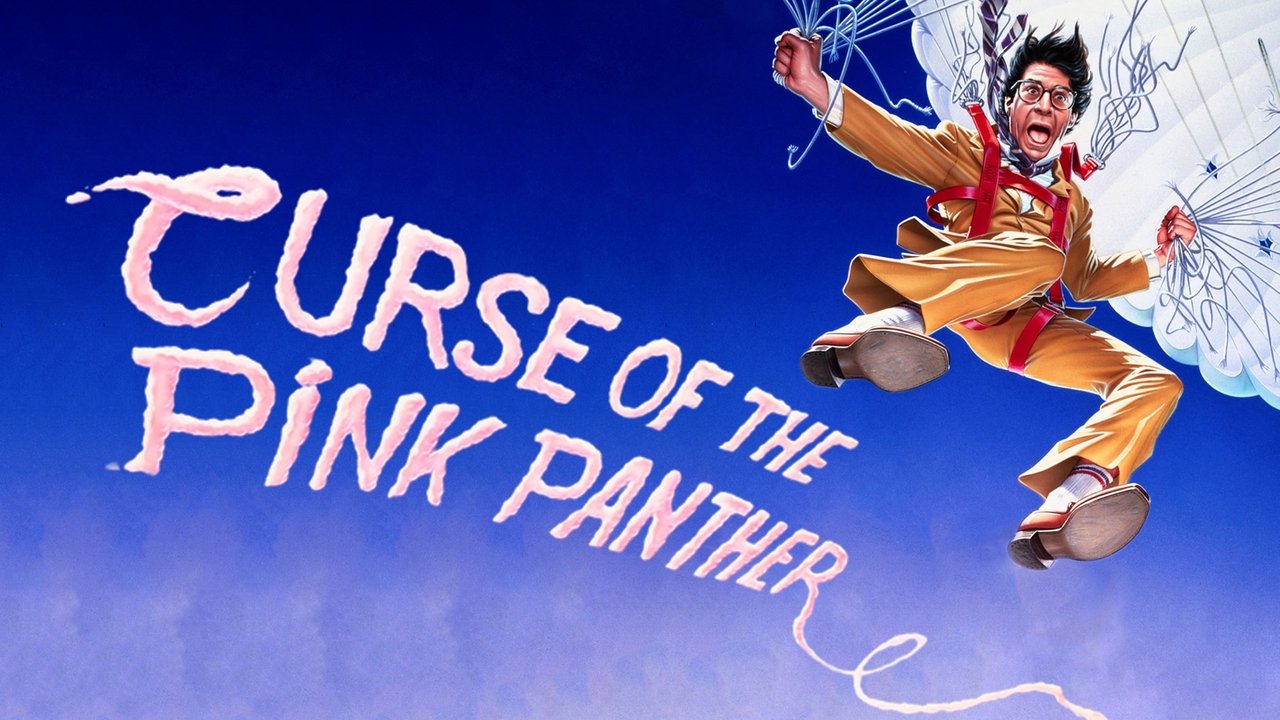
Alright, fellow tapeheads, let's rewind to a curious corner of the video store shelf, a place where sequels tried audacious things, sometimes successfully, sometimes… well, let’s just say interestingly. Pop the magnetic flap on the case for 1983’s Curse of the Pink Panther, a film that dared to ask: what happens when Inspector Clouseau vanishes? The answer, courtesy of returning maestro Blake Edwards, wasn't quite what anyone expected, and grabbing this off the rental rack often led to a night of bewildered chuckles and maybe a touch of melancholy.
### Picking Up the Pieces (Sort Of)
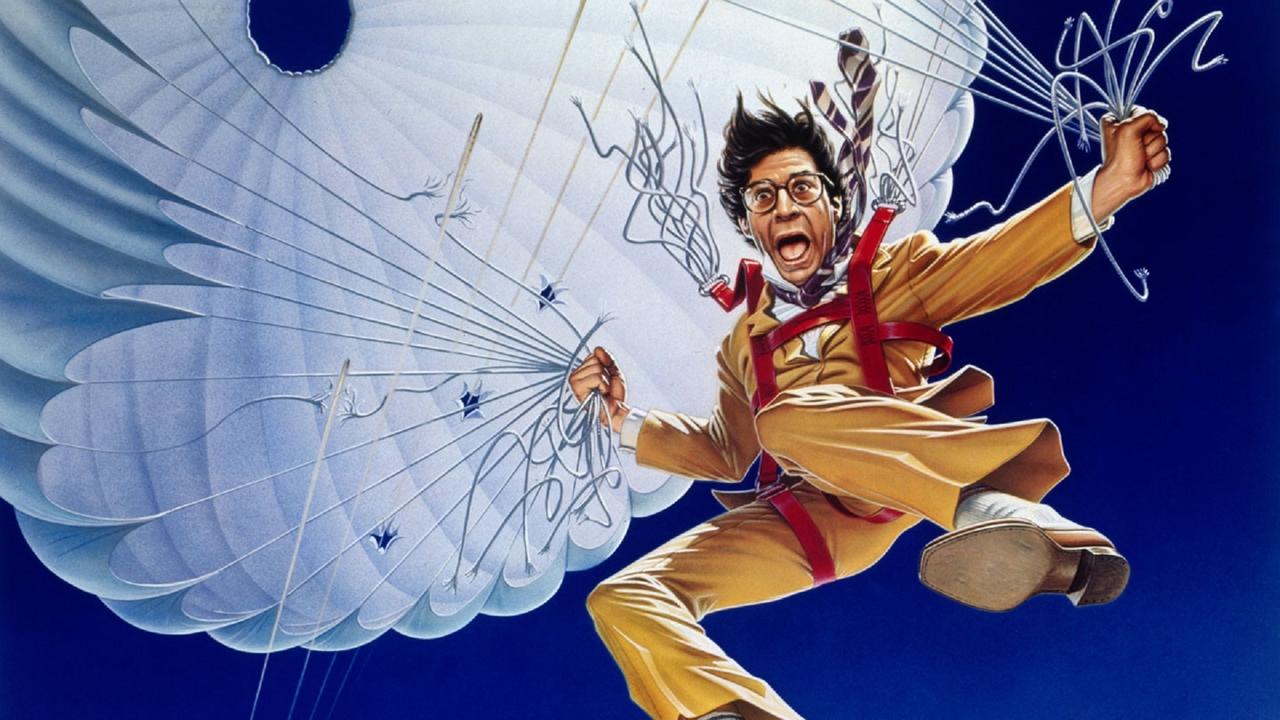
Coming directly after Trail of the Pink Panther (1982) – itself a controversial exercise stitched together with unused footage of the late, great Peter Sellers – Curse had the unenviable task of truly moving the franchise forward without its irreplaceable star. Blake Edwards, who co-wrote this with his son Geoffrey, opted for a meta-solution: Clouseau disappears while investigating the theft of the Pink Panther diamond (again!), prompting Chief Inspector Dreyfus (Herbert Lom, always a delight in his simmering rage) to find a replacement. Dreyfus, naturally wanting Clouseau gone forever, rigs the Interpol computer to select the worst detective in the world. Enter Sergeant Clifton Sleigh, played by American actor Ted Wass.
The central joke is Sleigh’s staggering incompetence, mirroring Clouseau’s accidental genius but lacking its strange, inexplicable effectiveness. Wass, primarily known for TV roles like Soap, throws himself into the physical comedy with gusto. It's a thankless role, really – how do you follow Sellers? Wisely, Wass doesn't try to be Sellers. His Sleigh is more overtly goofy, an earnest klutz stumbling through glamorous European locales, from Paris to Valencia to the South of France, leaving a trail of destruction that feels familiar, yet… different. The slapstick is pure Blake Edwards, meticulously staged and often elaborate, but without Sellers' unique timing and persona, some of it feels a bit hollow, like a beautifully arranged symphony missing its lead instrument.
### Ghosts in the Machine
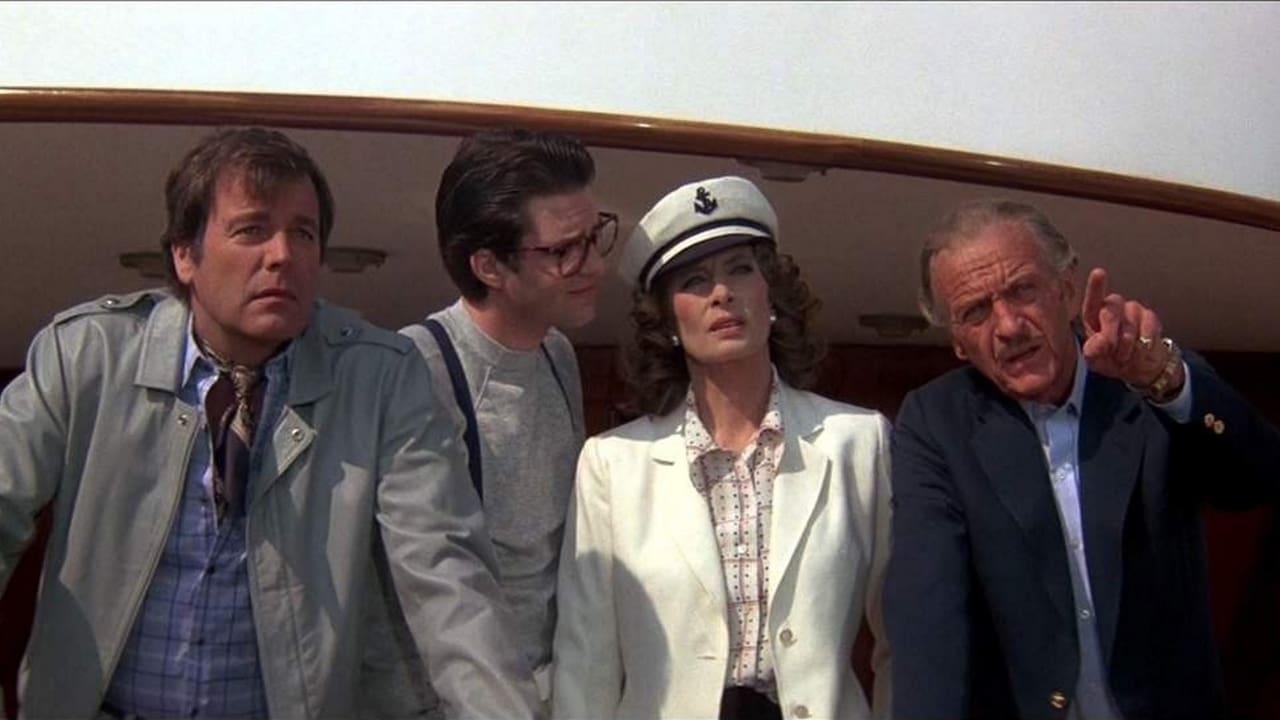
The production itself is fascinatingly layered with behind-the-scenes realities that bleed onto the screen. Perhaps the most poignant element is the final film appearance of the legendary David Niven, reprising his role as Sir Charles Lytton (the original Phantom from the 1963 film). Niven was gravely ill during filming, his voice failing him. In a move both respectful and slightly eerie, his entire performance was dubbed by celebrity impressionist Rich Little. Knowing this adds a strange weight to his scenes, especially opposite returning players like Robert Wagner as his nephew George and Capucine as Simone. It’s a testament to Niven’s professionalism that he completed the role under such duress.
The film also can’t quite escape the shadow of its predecessor. While Trail used actual Sellers outtakes, Curse features a brief, uncredited cameo by Sellers himself near the end, reportedly using a deleted scene from Revenge of the Pink Panther (1978). It’s a jarring moment, a flicker of the ghost Edwards clearly couldn't entirely exorcise. It hammers home the central problem: the Pink Panther series was Peter Sellers. This film, despite its game cast and familiar Henry Mancini score (still brilliant, naturally), feels like an echo.

### An 80s Oddity on the Shelf
Watching Curse today is a strange trip back. The reliance on a super-computer to find the "worst detective" feels distinctly early-80s tech-optimism, even played for laughs. The pacing can drag, and many of the gags, while technically well-executed, lack the spark of the earlier films. Sleigh’s journey feels less like a detective story and more like a series of loosely connected set pieces designed to showcase physical comedy. Remember those elaborate falls and chaotic destructions? They’re here, but do they hit the same way?
It wasn't a hit back in the day, critically or commercially. On a budget of around $11 million, it barely made that back domestically, signaling that audiences, perhaps, weren't ready for a Panther film without Clouseau, especially one that felt like it was trying so hard to fill shoes that were simply too big. Ted Wass himself reportedly found the experience difficult, overshadowed by the legacy he was tasked with navigating.
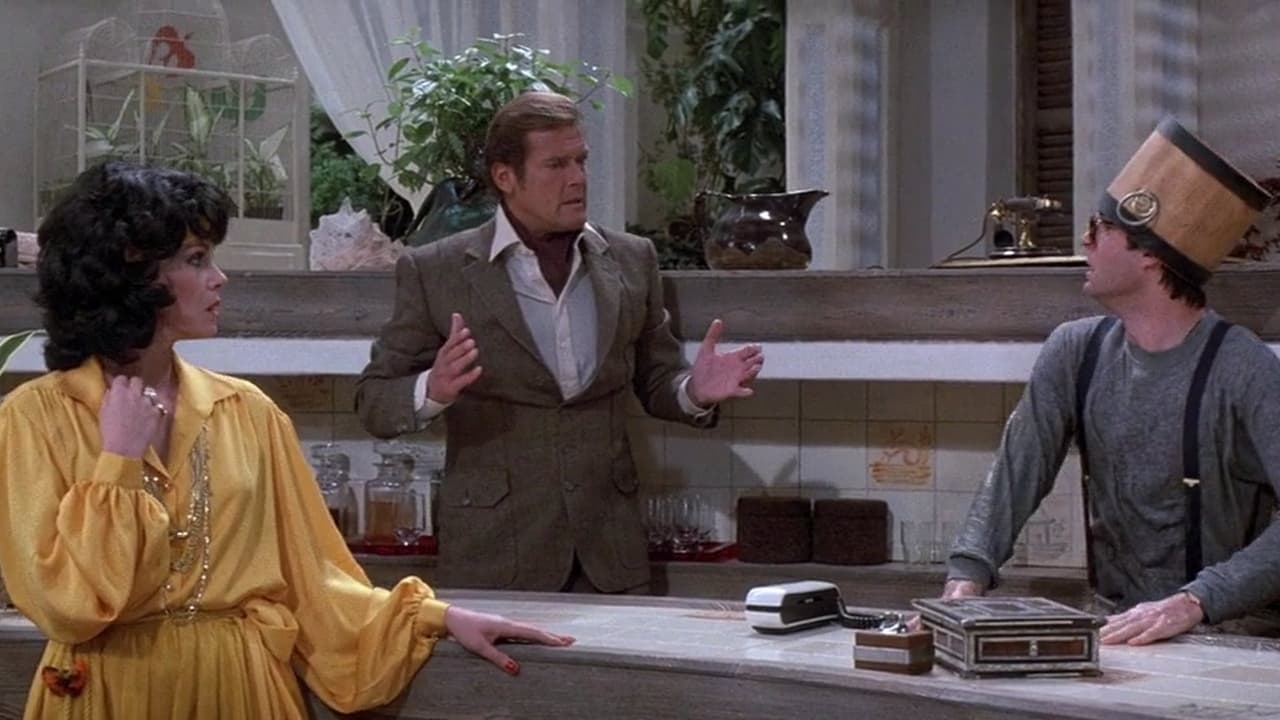
Despite its flaws, there's a certain charm to its ambition, misguided though it might have been. It represents a specific moment in franchise filmmaking – the struggle to continue a beloved series after losing the key element. It’s a glossy, globe-trotting production typical of Blake Edwards, filled with familiar faces and that unmistakable Mancini sound. It just lacks… Clouseau.
VHS Heaven Rating: 4/10
The Verdict: Curse of the Pink Panther is undeniably one of the weaker entries in the series, feeling like a slightly desperate attempt to keep the brand alive. Ted Wass gives it his all, but the shadow of Peter Sellers looms too large. The behind-the-scenes story, particularly concerning David Niven, is more compelling than much of the on-screen comedy. It's a curio, a footnote, a VHS tape you might have rented once out of loyalty or confusion, only to find the magic wasn't quite there anymore. For die-hard Panther completists or fans of 80s cinematic oddities, it's worth a look, but manage those expectations. It’s less a laugh riot, more a fascinating stumble in a beloved series’ history.