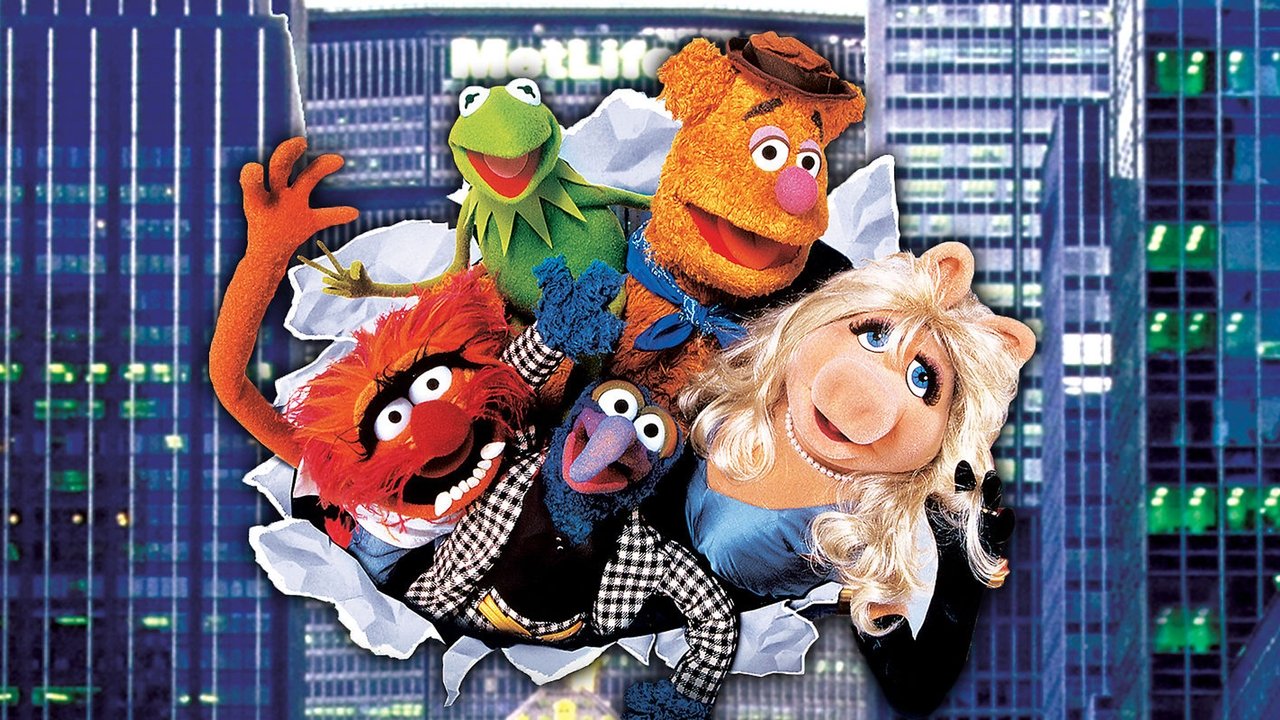
Ah, the bright lights, the big city... the felt flapping in the breeze! Few cinematic journeys capture the blend of wide-eyed ambition and chaotic charm quite like the Muppets’ quest for Broadway glory in 1984’s The Muppets Take Manhattan. If your VCR, like mine, practically wore out the tape housing this particular gem, you know the feeling: that infectious blend of hope, humor, and a surprisingly poignant undercurrent that set this Muppet adventure apart. It wasn’t just another Muppet movie; it felt like their graduation, a leap into the daunting real world, albeit a world still populated by singing rats and philosophical dogs.

This third theatrical outing for Kermit and the gang saw Frank Oz, the legendary performer behind Miss Piggy, Fozzie Bear, and Animal (among others!), stepping into the director’s chair for his feature debut. You can feel his intimate understanding of these characters infusing every frame. Working alongside Jim Henson (who co-wrote the story), Oz crafted a narrative familiar to anyone who’s ever dreamed big: the Muppets graduate college with their hit musical revue, "Manhattan Melodies," and decide to take it all the way to Broadway. Simple, right? Well, this is New York City we're talking about, and the path to stardom is paved with rejection slips, near-poverty, and dubious luncheonette jobs.
### Putting on a Show (Against All Odds)
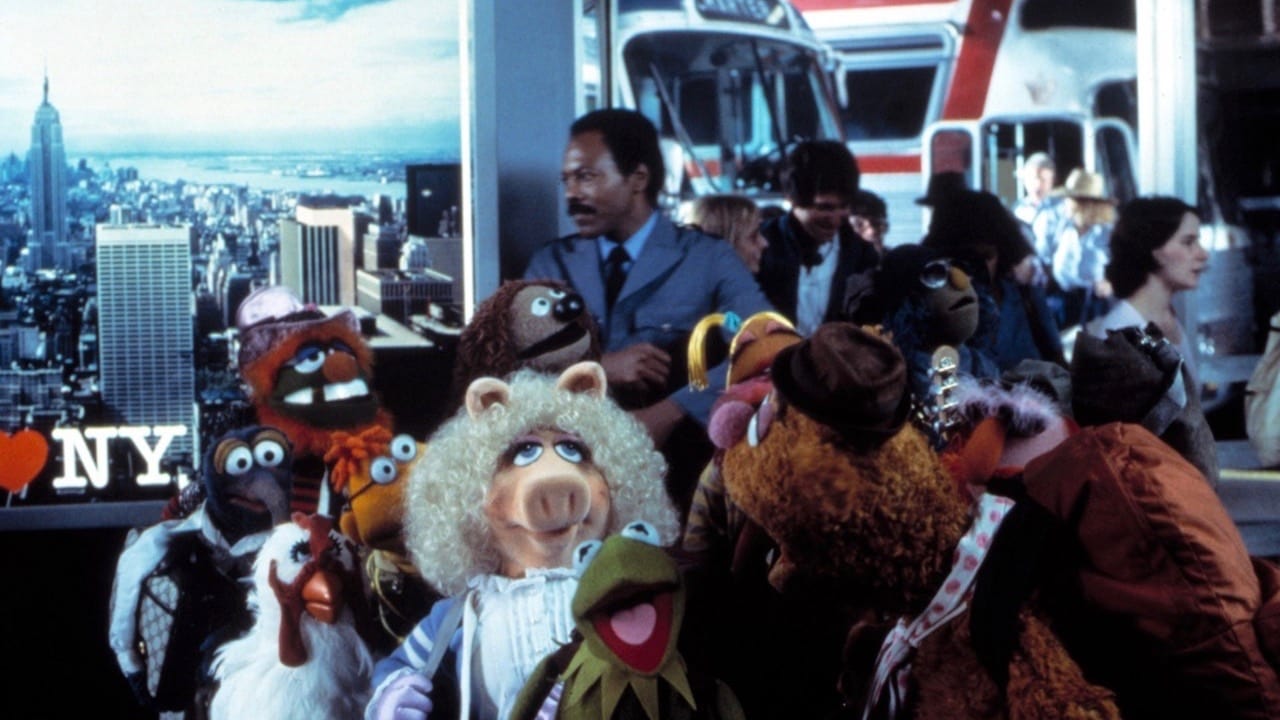
The core plot – struggling artists trying to make it – is a timeless one, but seeing it through the Muppets’ felt-and-fur lens gives it a unique energy. The optimism is infectious, even when things look bleak. Kermit’s unwavering belief, Gonzo’s… well, Gonzo-ness, Fozzie’s terrible jokes landing with endearing thuds – it’s the family dynamic we adore. Watching them navigate the concrete jungle, trying to pitch their show to skeptical producers (including hilarious cameos from the likes of Joan Rivers as a cosmetics counter bully and Gregory Hines as a roller-skating restaurateur), felt both funny and genuinely relatable. Who hasn't felt like a small frog in a giant, indifferent pond sometimes?
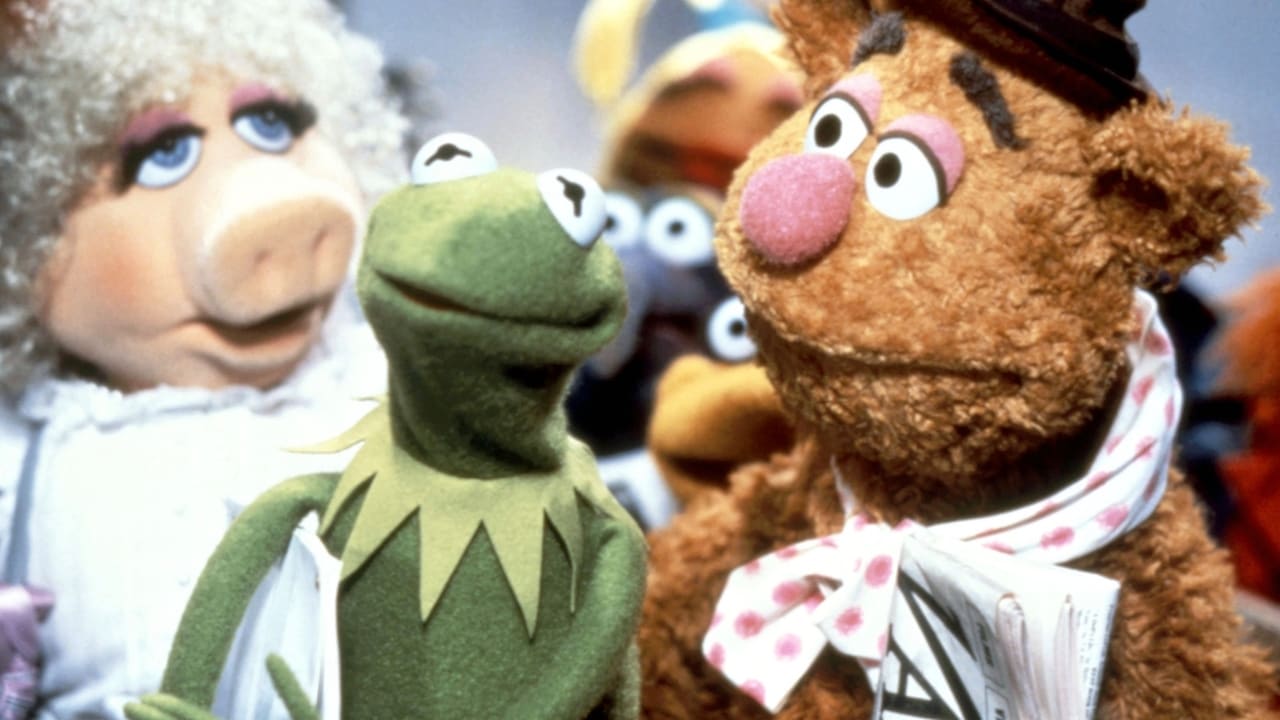
The film cleverly uses the New York setting not just as a backdrop, but almost as another character. Filming Muppets on location in bustling Manhattan presented huge technical challenges for Oz and his team. Imagine the puppeteers crammed into tight spaces, under benches, behind counters, all to make these characters believably interact with the real world. One memorable tidbit involves hiding puppeteers inside custom-built hot dog carts or flower stands for street scenes! The result is a fantastic sense of scale and immersion that grounds the Muppet mayhem. Made on a budget of around $8 million, it went on to earn a respectable $25.5 million at the box office – a solid performance proving the Muppets still had plenty of pull.
### That Little Detour Called Muppet Babies
And then there’s that scene. You know the one. Feeling down, Miss Piggy daydreams about what life might have been like if she and Kermit had grown up together. Suddenly, we're treated to the animated stylings of the Muppet Babies in their nursery. This imaginative little sequence, intended as just a brief fantasy moment, struck such a chord with audiences (and network executives!) that it famously spun off into the massively successful, Emmy-winning Saturday morning cartoon, Muppet Babies, which ran for seven years. It’s a fascinating piece of trivia – a small part of the film blossoming into a pop culture phenomenon all its own, introducing a whole new generation to miniature versions of their favorite Muppets.
### Heartstrings and Hard Knocks
What truly elevates The Muppets Take Manhattan, though, is its willingness to tug at the heartstrings. The sequence where the Muppets, facing failure, decide to go their separate ways is genuinely affecting. Seeing the gang disperse across the country – Fozzie hibernating with bears, Rowlf working at a dog kennel – hits harder than you might expect from a family film. It underscores the strength of their bond by showing the pain of its (temporary) absence.
Then there’s the infamous amnesia subplot. Kermit, disheartened, gets hit by a car (a surprisingly dark turn!) and forgets who he is, briefly joining a group of suave, fast-talking frog advertising executives. It’s perhaps the film’s most debated element – a slightly dated trope, maybe – but it serves its purpose, creating dramatic tension and leading to that triumphant moment of reunion. It also showcases the incredible expressive range the puppeteers, led by maestros like Henson, Oz, Dave Goelz, Steve Whitmire, Richard Hunt, and Jerry Nelson, could achieve with mere felt and foam. Kermit’s confusion, Piggy’s determination – it’s all right there in their posture, their eyes, their movements.
### Musical Magic and Broadway Dreams
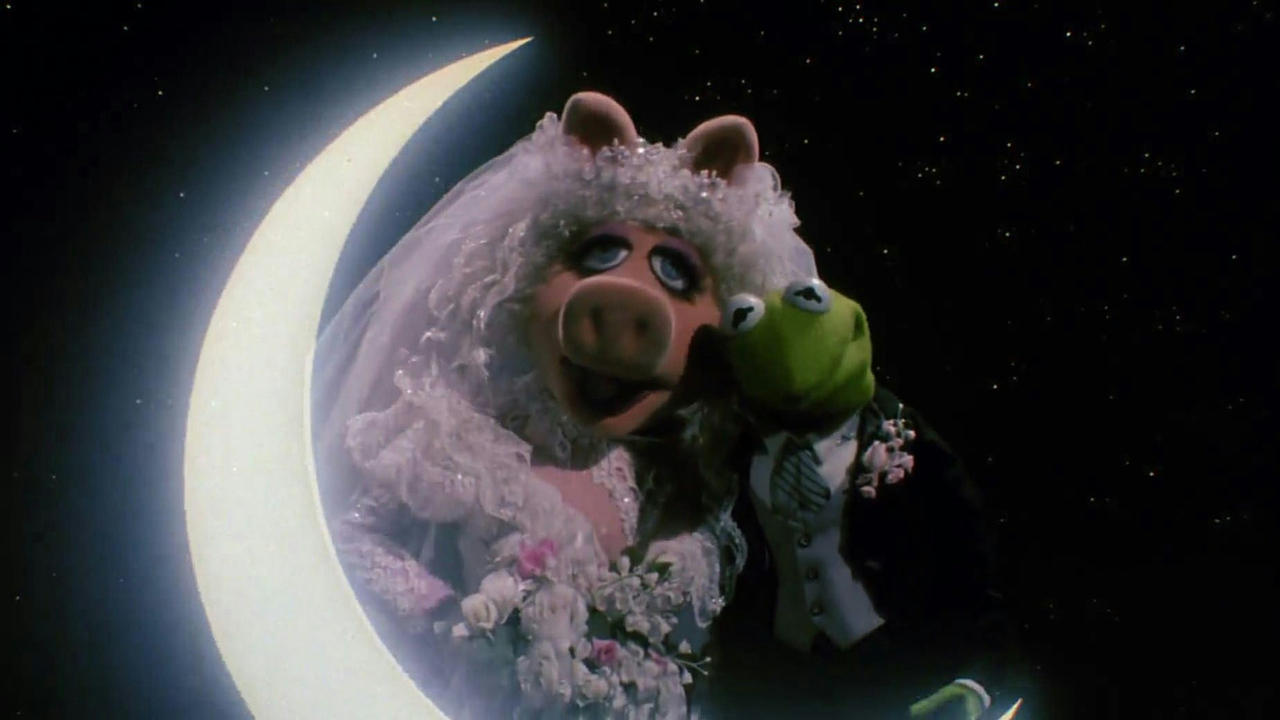
Of course, it wouldn't be a Muppet movie without music. The songs here, penned by the talented Jeff Moss, are absolute earworms. From the optimistic ensemble number "Together Again" (which gained an extra layer of poignancy after Jim Henson's untimely passing in 1990) to the hilarious "Rat Scat" and the show-stopping finale, "Somebody's Getting Married / He'll Make Me Happy," the soundtrack is pure Muppet joy. The final wedding sequence, packed with virtually every Muppet character imaginable, is an explosion of celebratory chaos that feels like the perfect culmination of their journey. I distinctly remember rewinding that wedding scene multiple times on my VHS copy just to try and spot all the familiar faces in the pews!
The Muppets Take Manhattan stands as a wonderfully charming, funny, and surprisingly emotional entry in the Muppet canon. It captures the spirit of chasing a dream, the importance of friendship, and the unique magic that happens when felt meets Manhattan. While perhaps not quite reaching the groundbreaking heights of The Muppet Movie (1979), its warmth, humor, fantastic puppetry, and catchy songs make it an absolute joy to revisit. It truly felt like the end of an era, being the last Muppet film released before Jim Henson left us, adding a bittersweet note to its inherent optimism.
Rating: 8.5/10
This score reflects the film's enormous heart, memorable songs, fantastic puppetry, and successful integration into the real-world setting of New York City. The slight deduction acknowledges the somewhat formulaic plot structure and the slightly creaky amnesia subplot, but these minor points barely detract from the overall delightful experience. It’s a vibrant, funny, and ultimately heartwarming adventure that perfectly encapsulates the Muppet spirit.
For anyone wanting to recapture that feeling of wide-eyed Muppet optimism, this trip to Manhattan is always worth taking again. Just try not to get amnesia along the way.