Okay, fellow tape travelers, let's rewind to a time when the Disney logo didn't always mean a fairytale princess was about to burst into song. Sometimes, it meant Goofy, clad in questionable fishing gear, was about to accidentally ignite a nationwide panic while trying to bond with his mortified teenage son. I’m talking, of course, about the surprisingly heartfelt and undeniably catchy A Goofy Movie from 1995. This wasn't just another animated feature; for many of us navigating those awkward middle school or high school years, it felt... well, it felt seen.
### More Than Just "Gawrsh!"
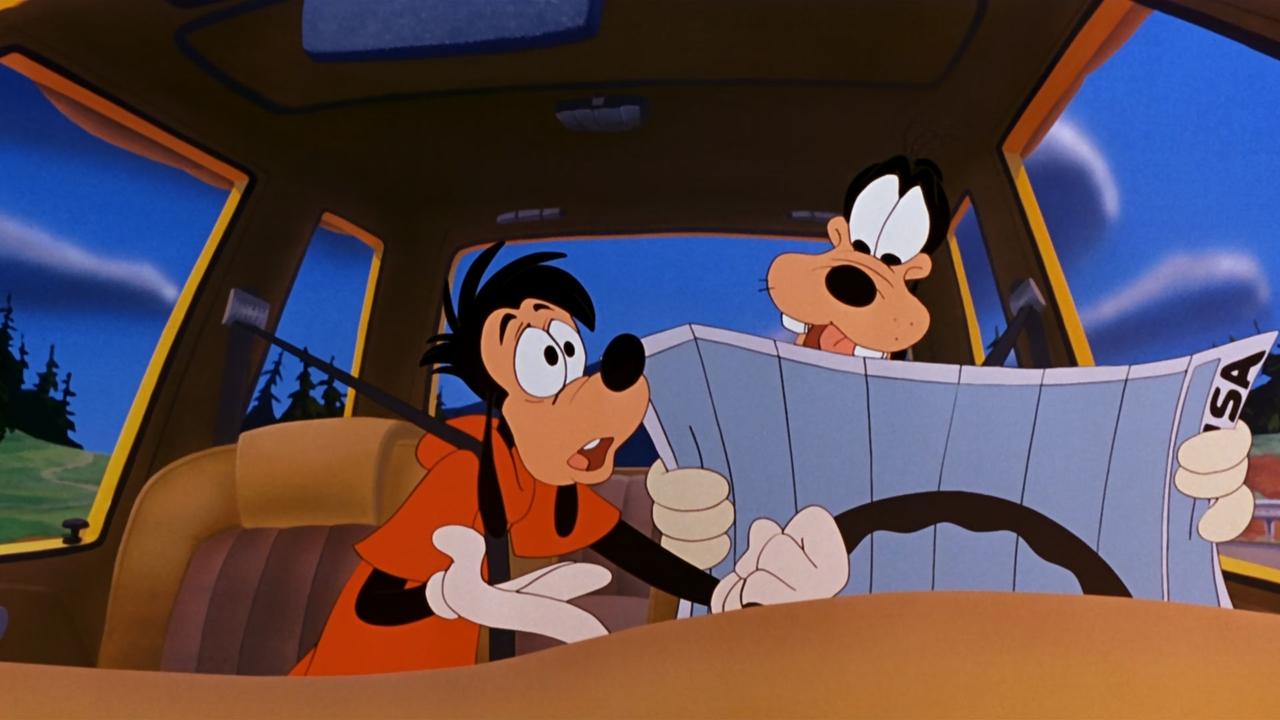
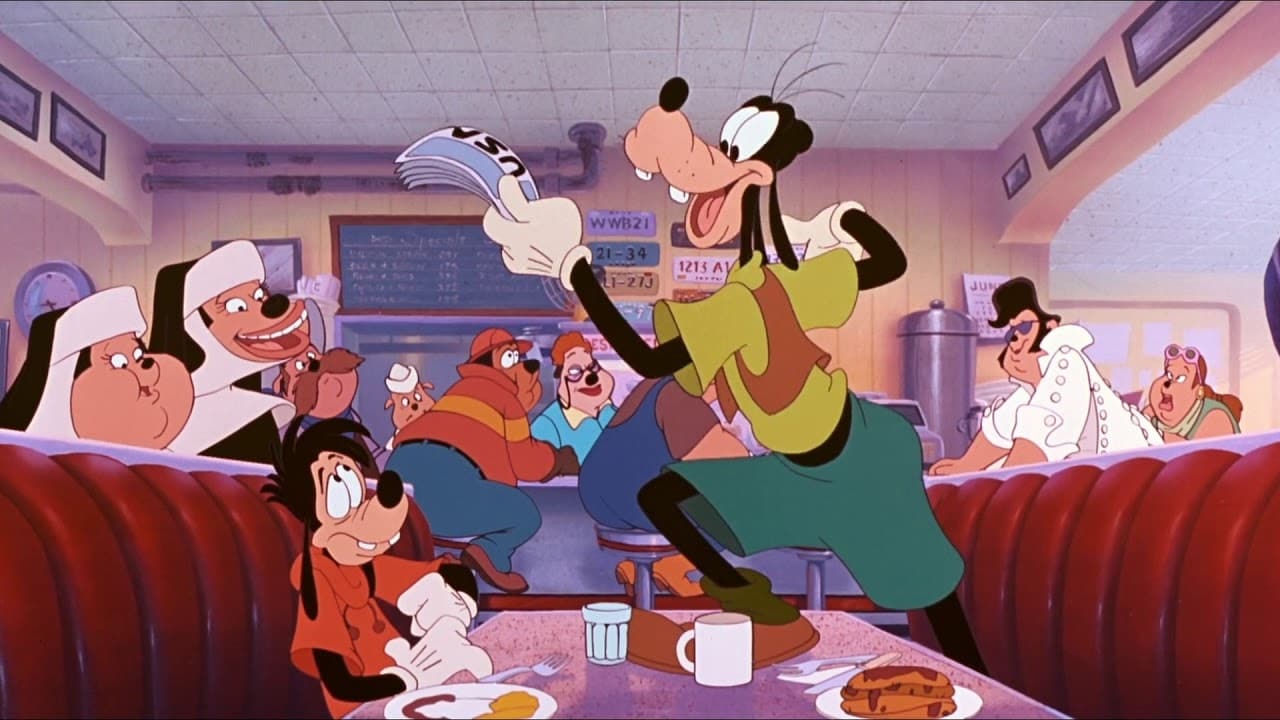
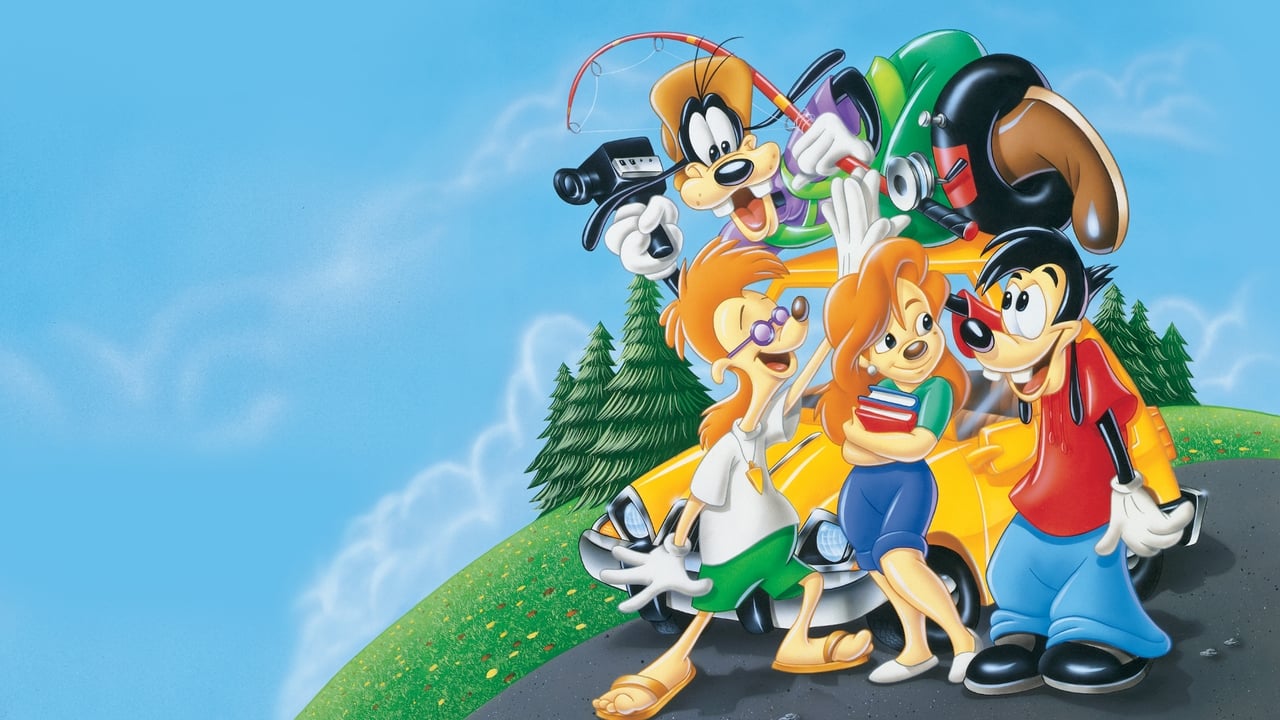
Forget the sprawling epics of the Disney Renaissance for a moment. A Goofy Movie offered something refreshingly grounded: the universal agony of being a teenager embarrassed by your parent. Max Goof, voiced with pitch-perfect angst by Jason Marsden (you might remember him from Step by Step or later lending his voice to countless animated projects), just wants to impress the lovely Roxanne and shed his inherited goofiness. His dad, Goofy – voiced, as always, with lovable sincerity by the legendary Bill Farmer – means well, bless his heart, but his idea of father-son bonding involves a cross-country fishing trip based on a map literally drawn over decades ago. Cue the car-crash symphony of generational misunderstanding.
Born from the popular Disney Afternoon TV series Goof Troop, the film smartly evolved the characters. This wasn’t just slapstick Goofy; this was Goofy as a single dad genuinely trying, and often failing, to connect with a son pulling away. Directed by Kevin Lima in his feature debut (he’d later helm Disney hits like Tarzan (1999) and Enchanted (2007)), the film carries a distinct visual style. It's bright, energetic, and feels perfectly '90s without leaning too hard into the flashier trends of the main Disney Animation Studios output at the time. It had heart, but also a healthy dose of adolescent awkwardness and, crucially, Powerline.
### Everybody Needs to See Eye to Eye
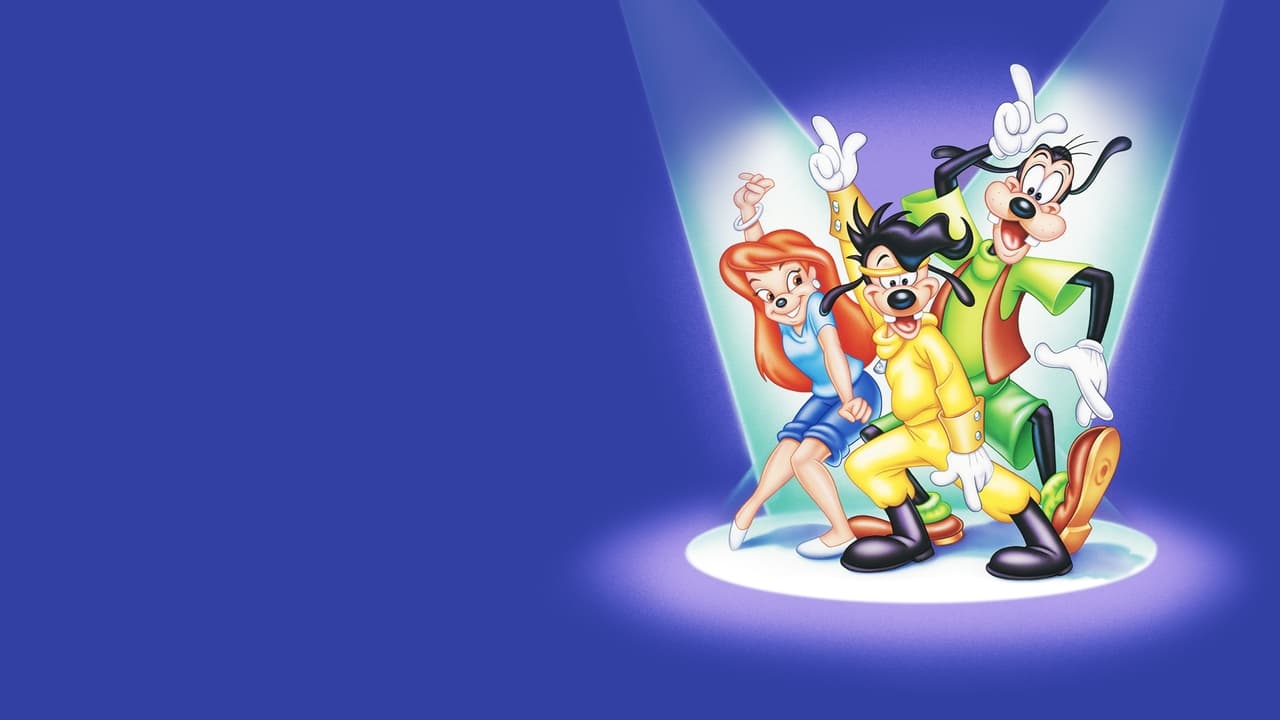
Let's be honest: you can't talk about A Goofy Movie without dedicating a significant moment to Powerline. This fictional pop sensation, voiced with incredible smoothness by R&B star Tevin Campbell, wasn't just a plot device; he was the embodiment of everything cool Max aspired to. The songs "Stand Out" and "I2I" weren't just soundtrack filler; they were absolute bangers that somehow perfectly captured that late-90s pop/R&B fusion. I distinctly remember trying (and failing) to mimic Powerline's moves in my living room after watching the VHS. These tracks, penned by songwriters like Patrick DeRemer and Roy Freeland for "Stand Out" and Bambi Moé and Kevin Quinn for "I2I," with a driving score by Carter Burwell (known for his work with the Coen Brothers!) and Don Davis (The Matrix trilogy), elevated the whole film. It’s probably no surprise the soundtrack became a low-key phenomenon itself. Remember desperately wanting one of those Powerline standees?
### Retro Fun Facts & Road Trip Realness
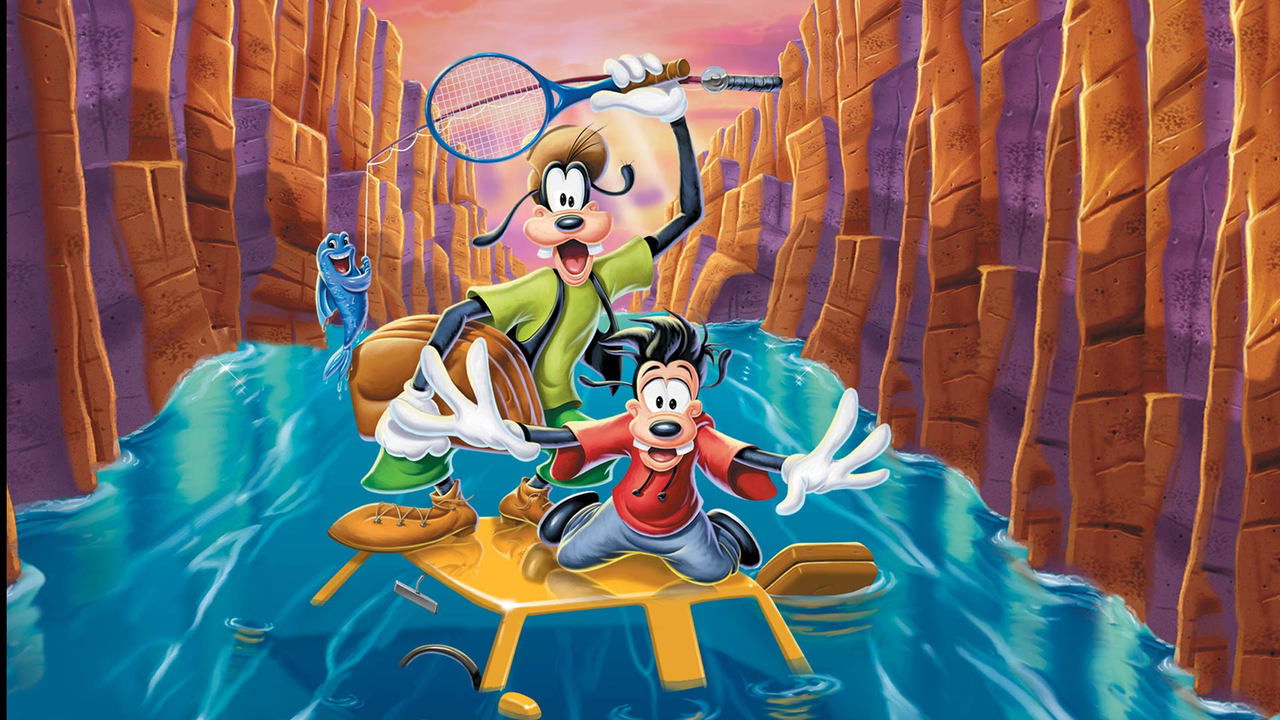
A Goofy Movie wasn't a box office behemoth like The Lion King the year prior. Made on a relatively modest budget for Disney animation (around $18 million), it pulled in about $35.3 million domestically. Not a flop, but its real success story unfolded on home video. This was a tape that got worn out in VCRs across the country. Its popularity proved enduring, spawning a direct-to-video sequel, An Extremely Goofy Movie, in 2000.
The script, crafted by Jymn Magon (a Disney Afternoon stalwart from shows like DuckTales and Chip 'n Dale Rescue Rangers), Chris Matheson (Bill & Ted's Excellent Adventure), and Brian Pimental (story artist on Beauty and the Beast), managed a delicate balance. It packed in classic Goofy antics (the disastrous possum sequence comes to mind) alongside moments of genuine pathos. Think about that scene in the motel where Max finally confronts Goofy about feeling smothered – it hits harder than you expect from a cartoon featuring Pete (Jim Cummings, another voice acting titan) complaining about his RV.
The animation itself was primarily handled by Disney's animation studios in France and Australia, giving it a slightly different flavor than the Burbank-led features. It might not have the painterly backgrounds of Pocahontas (also released in '95), but its character animation perfectly conveyed Max’s shifting moods from embarrassment to excitement, and Goofy’s boundless, sometimes oblivious, optimism.
### Still Standing Out
Watching A Goofy Movie today is like finding a cherished mixtape from high school. Sure, some of the slang feels dated, and the animation technology has evolved lightyears beyond. But the core emotions? They're timeless. The struggle to communicate between parent and child, the desperate need for independence clashing with the fear of disappointing someone you love, the sheer mortification only a well-meaning parent can inflict – it’s all still remarkably resonant. It captured that specific 90s blend of earnestness and burgeoning cynicism perfectly. Maybe you rented it from Blockbuster hoping for silly laughs, but you walked away humming Powerline and feeling strangely understood. It tapped into something real, wrapping it in bright colors and Goofy’s signature holler.
VHS Heaven Rating: 8/10
This score reflects the film's surprising emotional depth, killer soundtrack, and undeniable nostalgic charm. It might not be peak Disney Renaissance artistry, but its relatable story, memorable characters, and pitch-perfect '90s vibe make it a standout favorite. It successfully expanded Goofy beyond simple comic relief into a flawed but loving father, giving us a road trip comedy with genuine heart.
A Goofy Movie remains a testament to the fact that sometimes, the most resonant stories come from the most unexpected places – even a cross-country fishing trip derailed by a pop concert. Now, if you'll excuse me, I think "I2I" just popped into my head again... and it's probably going to be there all day.