The static hiss of the tracking adjustment, the whirring gears inside the VCR… sometimes the sounds before the movie even started set the mood. And for Friday the 13th: A New Beginning (1985), that feeling of slight unease, of something being off, permeates the entire runtime. It begins not with summer camp hijinks, but with mud, rain, and the fragmented psyche of a survivor. This isn't the Crystal Lake we thought we knew, and the dread feels different this time – less supernatural stalker, more grounded, grubby, and mean.

A Different Kind of Darkness
Picking up years after the traumatic events of The Final Chapter (which, ironically, was anything but final), we find an older Tommy Jarvis (John Shepherd, taking over from Corey Feldman) institutionalized and haunted. He’s soon transferred to the remote Pinehurst Halfway House, a rural dumping ground for troubled teens. The change of scenery is immediate; gone are the woods and lake (mostly), replaced by dilapidated buildings and a palpable sense of hopelessness among its volatile residents. Director Danny Steinmann, known previously for exploitation fare like Savage Streets (1984), brings a distinctly sleazy, almost nihilistic edge to the proceedings. There's a raw, uncomfortable energy here, a far cry from the almost playful stalk-and-slash of earlier entries. This film feels less like a campfire story and more like a grim police report waiting to happen.
The atmosphere is thick with instability even before the bodies start piling up. The halfway house is populated by a collection of delinquents and oddballs – characters seemingly designed to provoke or annoy, making their eventual demises feel almost inevitable, if uncomfortably so. Remember Ethel and her… unique culinary skills? Or the stuttering Reggie (Shavar Ross), perhaps the film’s most sympathetic soul? It’s a strange brew, contributing to a sense of unpredictability. Who is the killer this time? Is Jason somehow back, despite Tommy’s conclusive actions in Part IV? The film leans heavily into this mystery, keeping the audience guessing amidst the carnage.

The Body Count Rises (And the Controversy Starts)
And oh, the carnage. A New Beginning boasts one of the highest body counts in the entire franchise – a staggering number, even by 80s slasher standards. The kills are often brutal and abrupt, though heavily truncated by the MPAA. Steinmann reportedly fought tooth and nail against the ratings board, resulting in many of the gorier moments (like a particularly nasty sequence involving gardening shears) being significantly trimmed or excised completely. Watching the VHS version back in the day, you could often feel where those cuts happened – sudden jumps, lingering shots on reactions rather than impacts. Yet, even in its censored form, the film retains a mean streak. There’s a grim efficiency to the violence that feels less theatrical and more depressingly matter-of-fact.
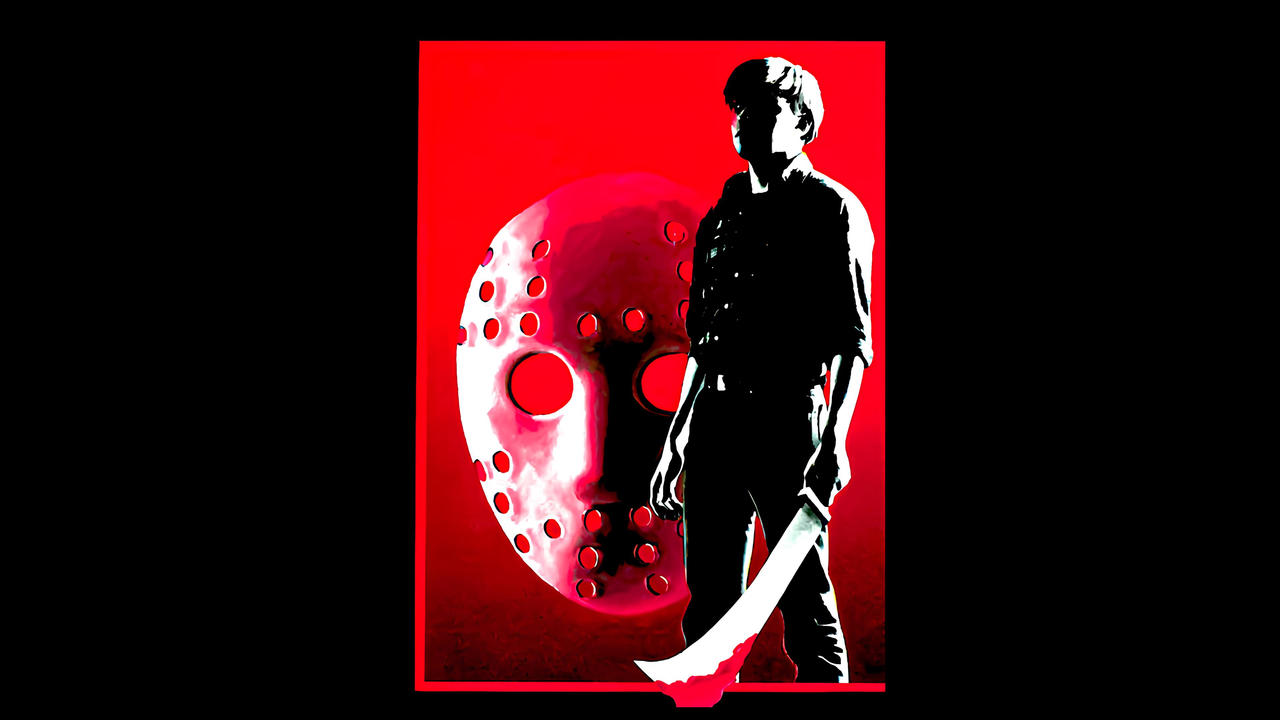
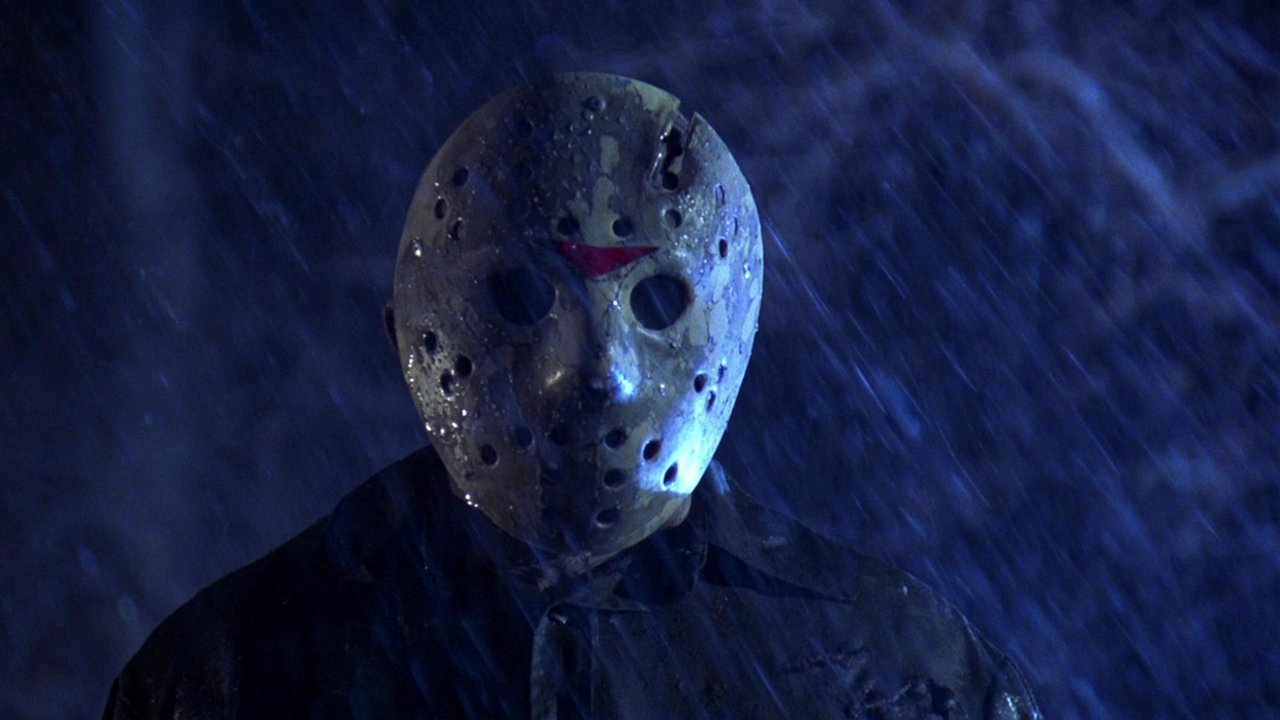
This relentless pace, however, bumps up against the film's most infamous element: the killer reveal. Spoiler Alert! The climactic unmasking reveals not Jason Voorhees, but Roy Burns, a paramedic driven to homicidal rage after witnessing the senseless murder of his estranged (and secretly illegitimate) son earlier in the film. This twist was, and remains, deeply divisive. Paramount, eager to continue the cash cow franchise after "killing" Jason, banked on the idea of Friday the 13th being enough. For many fans who rented this tape expecting their favourite hockey-masked slasher, it felt like a bait-and-switch, a betrayal of the brand. It's a fascinating gamble, born from studio pressure after The Final Chapter unexpectedly dominated the box office (grossing over $32 million on a budget under $3 million). They had to make another one, Jason or no Jason.
Pinehurst Blues
John Shepherd does a commendable job as the deeply troubled Tommy, conveying silent trauma and barely contained rage. Melanie Kinnaman as Pam Roberts, the resourceful final girl, provides a steady anchor amidst the chaos. But the film often feels less character-driven and more like a series of unpleasant vignettes strung together by murder. The score by Harry Manfredini returns, repurposing familiar stings, but the overall mood feels less reliant on jump scares and more on sustained unpleasantness. The practical effects, even when glimpsed briefly due to cuts, have that wonderfully tactile, grimy quality that defined 80s horror makeup.
Behind the scenes, the production was reportedly as chaotic as the onscreen events, rushed to capitalize on the previous film's success. There were script changes, casting shuffles, and the aforementioned battles with the censors. This rushed, sometimes messy energy translates onto the screen, giving A New Beginning a unique, if often polarizing, identity within the series. It’s the weird, angry cousin nobody talks about much at family reunions, but who secretly provides the most outrageous stories. I distinctly remember renting this one, drawn in by the familiar title, and feeling that strange mix of disappointment and morbid fascination by the end credits. Didn't that Roy Burns reveal feel like it came completely out of left field back then?
***

VHS Heaven Rating: 5/10
Justification: A New Beginning earns its points for sheer audacity, a relentlessly grim tone, and some memorably brutal (if heavily cut) kills. The high body count and the Pinehurst setting offer a change of pace. However, it loses significant points for the controversial killer reveal that alienated many fans, the often unpleasant characters, and a general feeling of mean-spirited exploitation over genuine suspense. It feels like a gritty crime thriller awkwardly forced into a Friday the 13th template.
Final Thought: While often derided as the black sheep, Friday the 13th: A New Beginning remains a fascinatingly flawed entry. It’s a messy, nasty piece of work that failed to successfully pass the Jason torch, ultimately forcing the studio to resurrect the unstoppable force for Part VI. Yet, its sheer weirdness and bleak outlook give it a strange, enduring notoriety on the dusty shelves of VHS history.