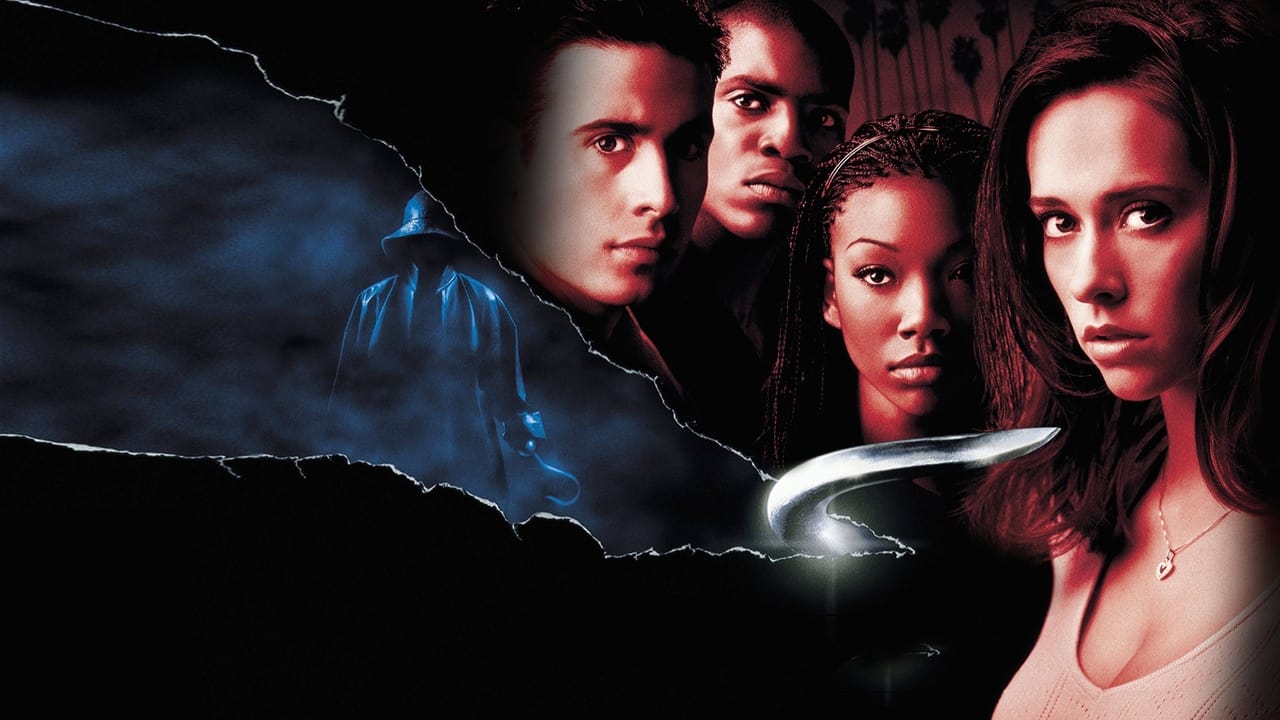
The storm clouds gather almost immediately, don't they? Not just metaphorically over poor Julie James (Jennifer Love Hewitt), still haunted by the slicker-clad fisherman, but literally, as the promise of a Bahamian escape curdles into something claustrophobic and grim. I Still Know What You Did Last Summer arrived in 1998, riding the wave of the late-90s slasher revival, burdened with perhaps the most straightforwardly cumbersome title in horror history. Yet, watching it again on a staticky VHS rip, there’s a specific type of damp, tropical dread that clings to it, much like the relentless humidity before a hurricane hits.
### Paradise Lost (Again)
Picking up a year after the harrowing events in Southport, Julie is a wreck. College life in Boston is overshadowed by paranoia and recurring nightmares. Her relationship with Ray (Freddie Prinze Jr., also returning from the original) is strained by distance and trauma. When her roommate Karla (played by R&B superstar Brandy Norwood, adding significant '98 star power) wins a radio contest trip to the Bahamas via a suspiciously easy question ("What's the capital of Brazil?"), it seems like the perfect antidote. Of course, it's anything but. The Tower Bay resort, isolated and beautiful, is about to enter its off-season, just as a major storm bears down. And someone else has checked in: Ben Willis, the vengeful fisherman, hook gleaming.
Director Danny Cannon, who had previously helmed the visually distinct but troubled Judge Dredd (1995), certainly understood atmosphere. The shift from the coastal town familiarity of the first film to this exotic, increasingly hostile island setting is the sequel's strongest asset. The sunny beaches quickly give way to rain-lashed nights, rattling shutters, and power outages. The isolation feels palpable – no boats, downed phone lines – trapping our protagonists with a killer who seems almost supernatural in his persistence. Remember that feeling? The one where escape routes just vanish, leaving only the pounding rain and the shadow in the corner of your eye? This film bottles that particular anxiety quite effectively.
### Hook, Line, and Sinker Tropes
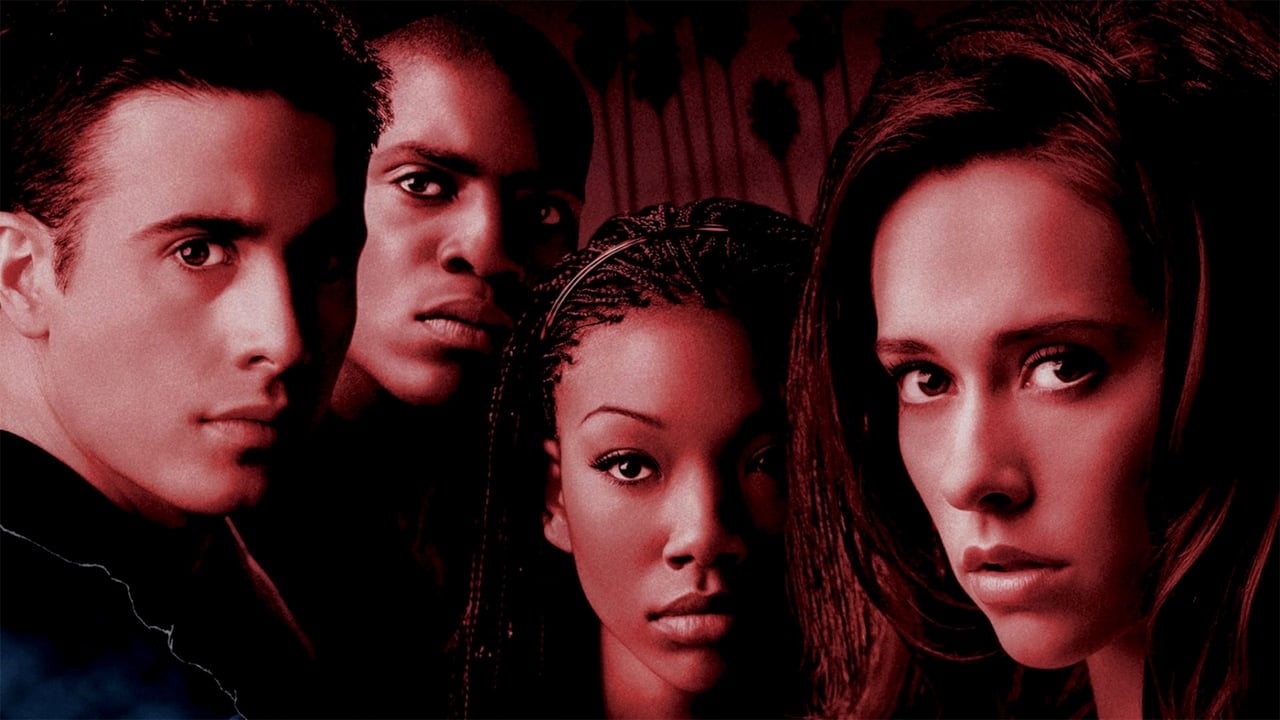
Let's be honest, the plot mechanics here aren't exactly reinventing the wheel, even for 90s slasher sequels. Written by Trey Callaway (taking over from Scream's Kevin Williamson who penned the first), the script follows familiar beats: the false sense of security, the escalating 'pranks' that turn deadly, the gradual picking off of the supporting cast (including Mekhi Phifer as Karla's suspicious boyfriend Tyrell and Matthew Settle as the seemingly helpful Will Benson). The radio contest win itself feels like a plot device stretched thin, a contrivance necessary to get Julie and her friends into the kill zone. Some reports suggest the original script treatment was quite different, possibly even darker, before being retooled into the finished product we saw on video store shelves. It often feels like the filmmakers knew the where (isolated island resort) and the who (Ben Willis) but struggled slightly with the why beyond simple revenge.
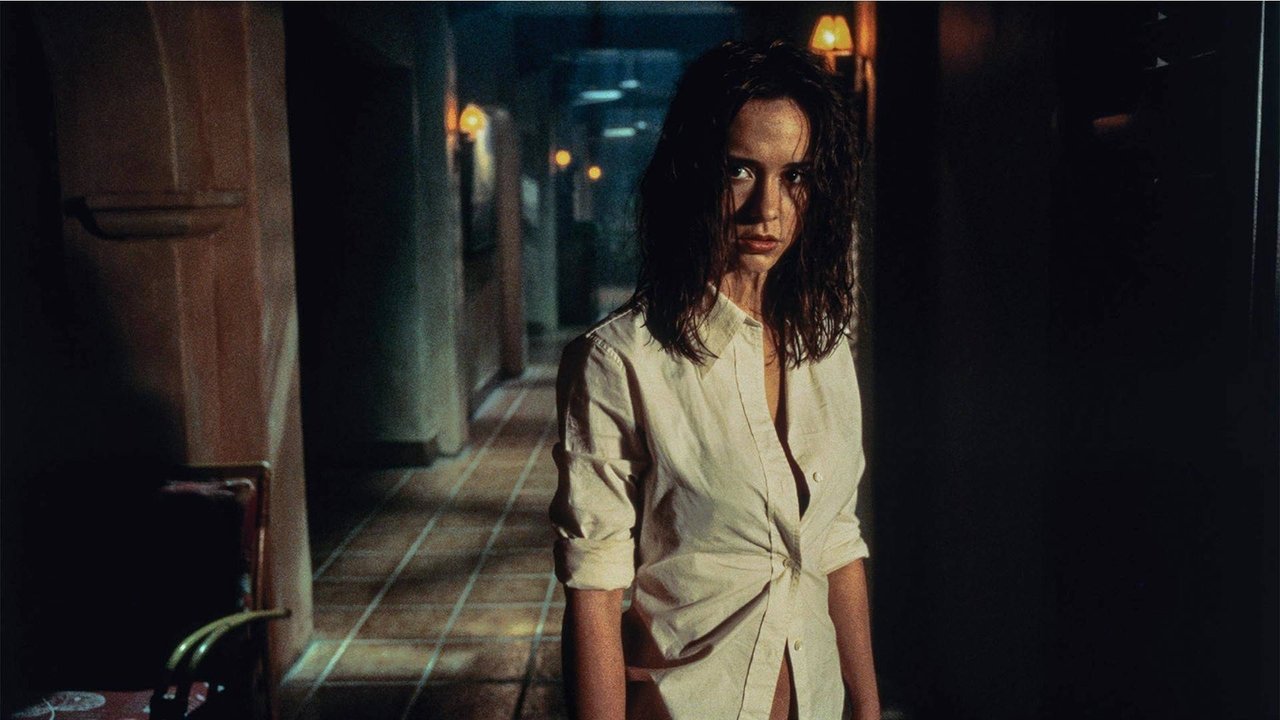
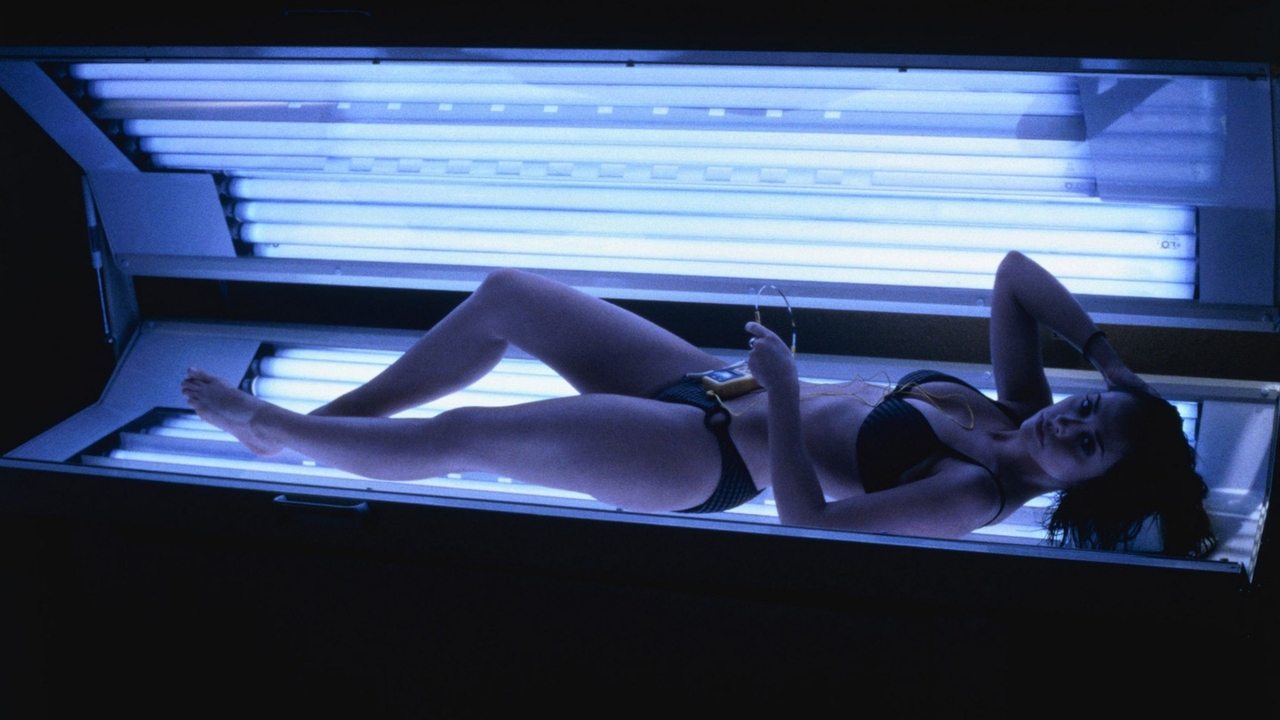
Despite this, the film manages some genuinely tense sequences. The infamous tanning bed scene, while perhaps leaning into absurdity, certainly left an impression. There's a palpable sense of panic in the scenes navigating the storm-ravaged hotel, using flickering emergency lights and the driving rain to obscure the killer's movements. Jennifer Love Hewitt, fully embracing her final girl status, carries the emotional weight, selling Julie's terror and frayed nerves convincingly. It's a performance often overshadowed by the film's sillier moments, but she remains the anchor.
### Stormy Production, Predictable Outcome
Shooting I Still Know wasn't exactly a vacation either. While set in the Bahamas, principal photography took place largely in Mexico (El Tecuan Retreat, Jalisco) and Los Angeles soundstages. They reportedly battled actual inclement weather during filming, perhaps adding an unintended layer of authenticity to the on-screen hurricane. Budgeted at around $24 million, it pulled in a respectable $84 million worldwide – not the phenomenon of the first film ($125 million off $17 million) or Scream, but proof the teen slasher cycle still had legs, however wobbly.
One persistent rumour, often whispered about in online forums back in the day, concerned an alternate, much darker ending where Julie didn't survive the final confrontation. While unconfirmed for years, it eventually came out that such an ending was shot but tested poorly with audiences, leading to the more conventional (and sequel-baiting) conclusion we got. Doesn't that knowledge slightly reframe the film's final moments? Knowing that, for a time, the fisherman might have truly won?
The practical effects, while perhaps not revolutionary, serve their purpose. The hook, the slicker, the shadowy figure – they rely more on jump scares and sudden appearances than intricate gore, fitting the slightly toned-down, mainstream horror approach of the era. It aimed more for thrills and chills than outright revulsion.
### Final Reel
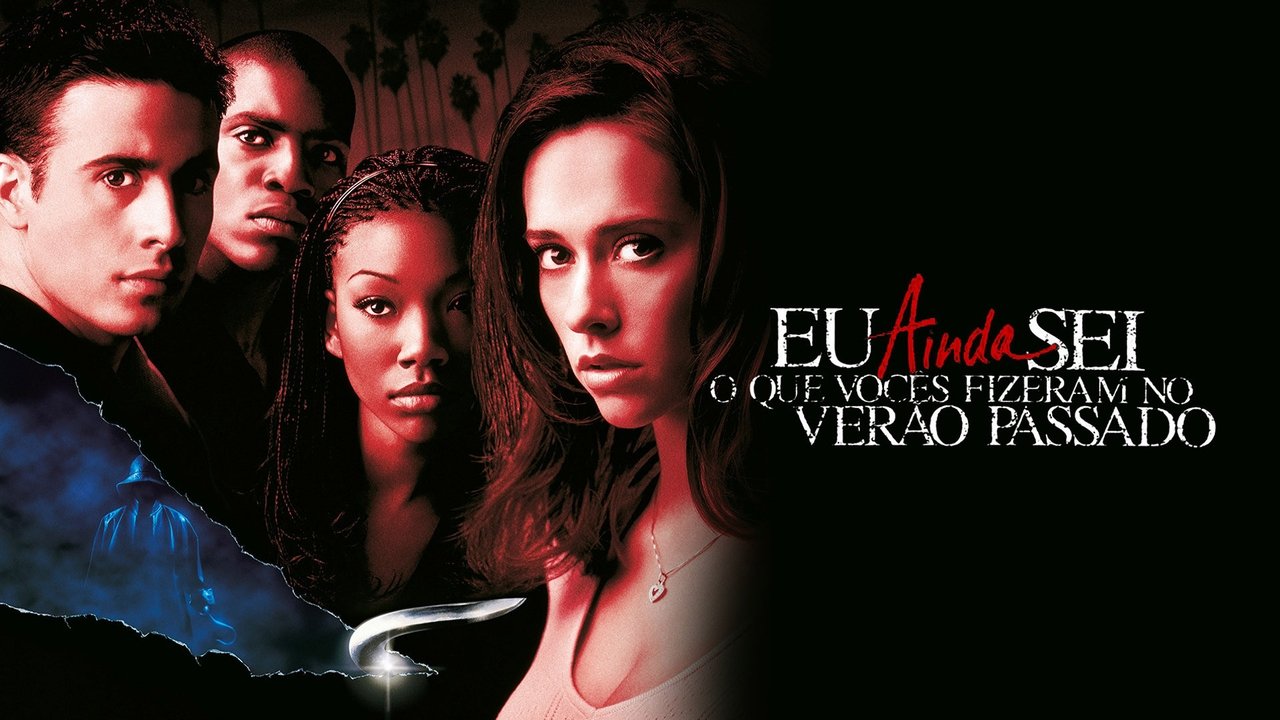
I Still Know What You Did Last Summer is undeniably a product of its time – a late-90s studio slasher sequel with all the expected tropes and a certain glossy finish. It lacks the tighter plotting and surprise factor of its predecessor and leans heavily on contrivance to get its characters into peril. However, its effective use of the isolated, storm-swept setting creates a potent atmosphere of dread, and Jennifer Love Hewitt remains a compelling final girl. It delivers the requisite jump scares and chase sequences, even if the central mystery feels less engaging this time around. It’s the kind of film you rented on a Friday night, maybe with lowered expectations after the first, and found yourself gripping the armrest during the storm scenes anyway.
Rating: 5/10
The score reflects a film that hits the expected sequel notes but rarely transcends them. Its atmospheric setting and committed lead performance elevate it slightly above forgettable, but the predictable plot, reliance on jump scares over genuine suspense, and somewhat nonsensical premise hold it back from being a true genre standout. It’s a competent, occasionally tense, but ultimately formulaic slice of late-90s horror nostalgia – memorable more for its title and setting than its scares. Does it still hold up? Maybe not critically, but as a time capsule of that specific moment in horror, wrapped in hurricane winds and teen angst, it definitely retains a certain waterlogged charm.