Okay, let's dim the lights, pop that tape in the VCR (mentally, of course), and settle in. Remember those video store shelves lined with lurid covers, promising thrills and chills? Sometimes you grabbed a known hit, other times... you took a chance on something like 1983's Sweet Sixteen. It sits in that peculiar corner of the 80s slasher boom – not quite famous, not entirely forgotten, a film simmering with a strange mix of small-town melodrama and sudden, sharp violence. It doesn't open with a bang, but rather with a creeping sense of unease, introducing us to a place where secrets fester just beneath the surface.
Small Town Shadows and a New Face
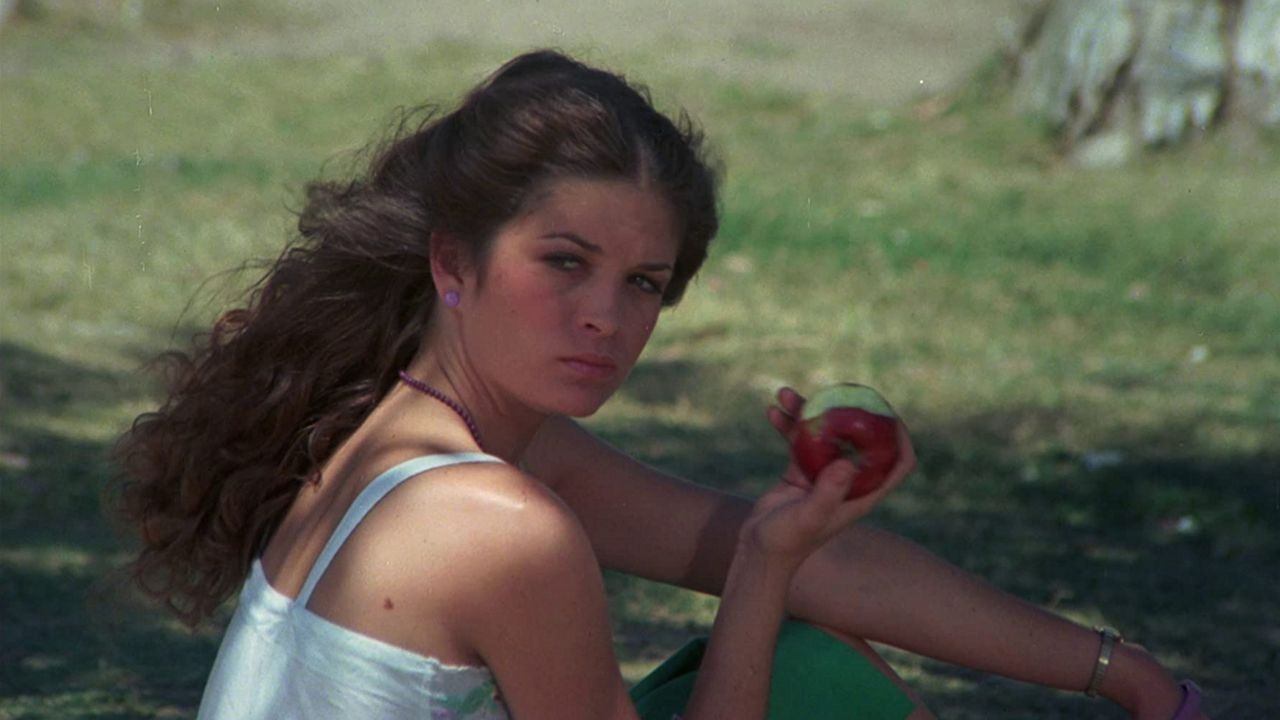
The setup feels instantly familiar, like pulling on a well-worn denim jacket. Melissa (played by Aleisa Shirley) is the newcomer in a remote, dusty Texas town, the daughter of an archaeologist (Patrick Macnee, yes, the John Steed from The Avengers!). She's beautiful, enigmatic, and immediately attracts the attention of practically every male character with a pulse. Coinciding with her arrival, however, is a string of brutal murders targeting local young men who've shown interest in her. The town sheriff, Dan Burke (Bo Hopkins, bringing his reliable, slightly weary screen presence), finds himself investigating, while Melissa becomes the focal point of suspicion and local prejudice, particularly directed towards the nearby Native American community where she seems to find solace.
What makes Sweet Sixteen stand out, for better or worse, isn't necessarily its effectiveness as a pure slasher – the kills are relatively infrequent and not overly graphic by the standards of the era. Instead, it's the film's attempt to weave a more complex mystery, bordering on a social drama, into the slasher framework. There’s a palpable tension that director Jim Sotos cultivates, less reliant on jump scares and more on the claustrophobia of small-town judgment and the simmering resentment between communities. The film actually sat on the shelf for a couple of years, having been shot back in 1981, perhaps struggling to find its footing in a market already saturated with masked killers. That slight delay almost makes it feel like a bit of a throwback even upon its release.
Veteran Presence in Teen Territory
One of the most intriguing aspects, especially looking back from our VHS Heaven perch, is the casting of seasoned actors like Bo Hopkins, Susan Strasberg (as Melissa's troubled mother, Joanne), and the aforementioned Patrick Macnee. Hopkins grounds the film as the Sheriff, a man trying to do his job amidst rising panic and prejudice. He lends the role a believability that elevates the procedural elements. Strasberg, a fascinating actress with deep roots in Hollywood history, brings a fragile, haunted quality to Joanne, hinting at deeper issues that the film only partially explores. And Macnee? Well, seeing him wander through dusty archaeological sites instead of navigating stylish espionage adds a certain quirky charm. Does his presence entirely fit? Perhaps not seamlessly, but it certainly makes you sit up and take notice. His character feels somewhat detached, adding another layer to the central mystery – what exactly is he digging for out there, and how does it connect to everything else?
The younger cast delivers performances typical of the era's lower-budget horror fare – earnest, sometimes a bit stiff, but generally committed. Aleisa Shirley carries the central role with a fitting mix of allure and vulnerability, making Melissa a figure of sympathy even as the suspicion mounts. The film's handling of the Native American characters and themes, however, often feels clumsy and reliant on stereotypes, a common failing of the time that's hard to ignore now. It attempts to use prejudice as a red herring, but the execution lacks nuance.
More Mystery Than Mayhem
Filmed largely in Waxahachie, Texas (a location that lent its atmosphere to other films like Tender Mercies (1983) and Places in the Heart (1984)), Sweet Sixteen possesses a distinct visual feel. The dusty roads, the stark landscapes, the slightly faded look contribute to its atmosphere. It’s less about polished dread and more about a gritty, sun-baked kind of tension. The script, by Erwin Goldman, seems more invested in the 'whodunit' aspect than the 'how-gruesome' – the identity of the killer is the driving force, leading to a reveal that, while perhaps not entirely shocking, does try to tie together the film's disparate threads.
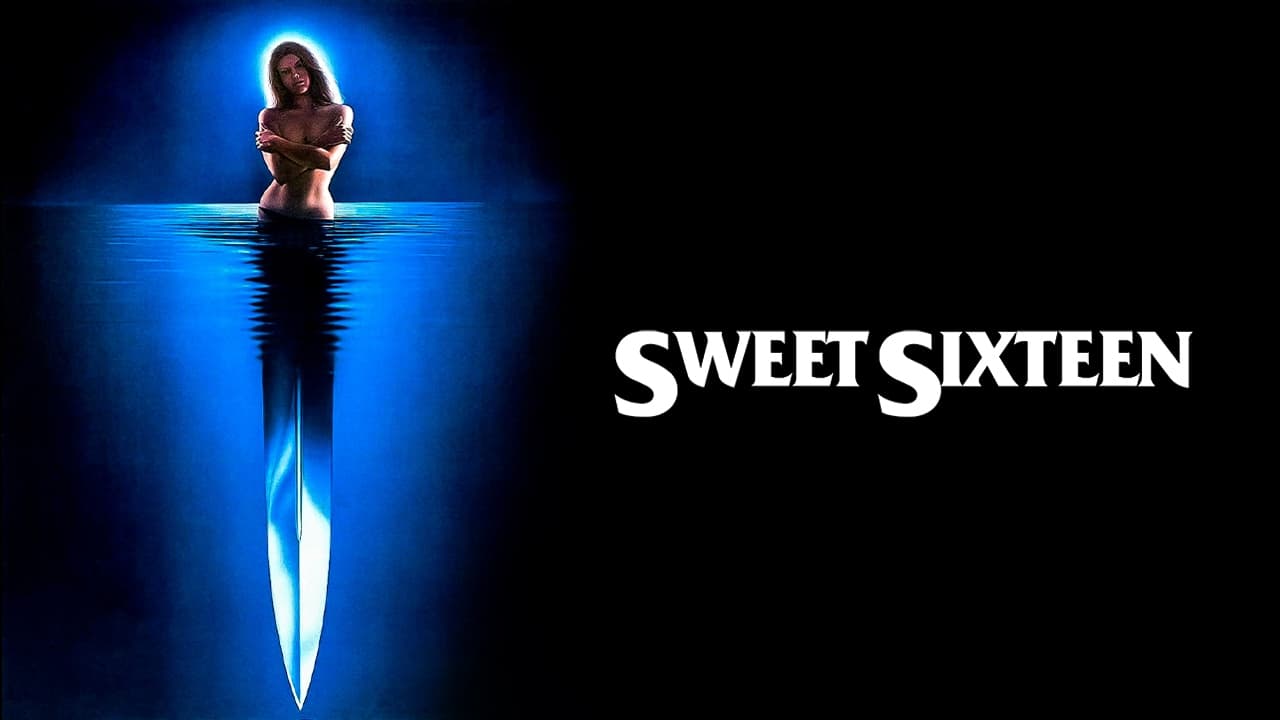
Let’s talk trivia for a moment, because that's part of the fun, right? The film’s tagline – "She's old enough to know right from wrong... and young enough not to care" – is pure 80s exploitation gold, promising something far more salacious than the film actually delivers. While not gory enough to land on the infamous UK "Video Nasty" list, its slightly provocative themes likely helped it catch the eye on those rental store shelves. It’s the kind of movie you might have rented based purely on the cover art and the presence of familiar faces, hoping for a straightforward slasher and getting something... slightly different.
Final Thoughts on a Dusty Tape
Sweet Sixteen isn't a lost masterpiece of the slasher genre. Its pacing can feel slow, its blend of mystery and horror isn't always smooth, and its handling of certain themes is undeniably dated. Yet, there's an odd charm to it. It feels like a genuine product of its time – a slightly awkward, ambitious attempt to do something more than just slice-and-dice, anchored by performances from actors who feel both slightly out of place and strangely compelling. It evokes that feeling of discovering a lesser-known title on VHS, unsure of what you were getting into, but finding something memorable, if flawed.
Rating: 5/10
This score reflects a film that's more interesting as a curiosity than effective as a thriller. The presence of Hopkins, Strasberg, and Macnee elevates it slightly, and the mystery element holds some intrigue, but the slow pace, awkward thematic handling, and lack of genuine scares keep it firmly in the middle-ground of 80s horror offerings. It’s a film whose parts are sometimes more interesting than their sum.
It remains a fascinating little time capsule – a reminder that not every film from the era was a Friday the 13th clone, and sometimes, the quieter, stranger efforts linger in the memory in their own peculiar way. Did you ever stumble across this one on a late-night movie channel or tucked away at the back of the rental store?