Alright, fellow tapeheads, dim the lights, maybe crack open a Tab (if you can find one!), because tonight we’re diving deep into a quintessential slice of mid-80s action-adventure that absolutely lived on the shelves of every video store worth its salt: Remo Williams: The Adventure Begins (1985). This wasn't just another action flick; it had this weird, wonderful blend of gritty street cop procedural, globe-trotting espionage, and almost mystical martial arts training that felt totally unique back then. You’d grab that Orion Pictures VHS box, maybe drawn in by the promise of action on the Statue of Liberty, and settle in for something… different.
### From Beat Cop to Super Weapon
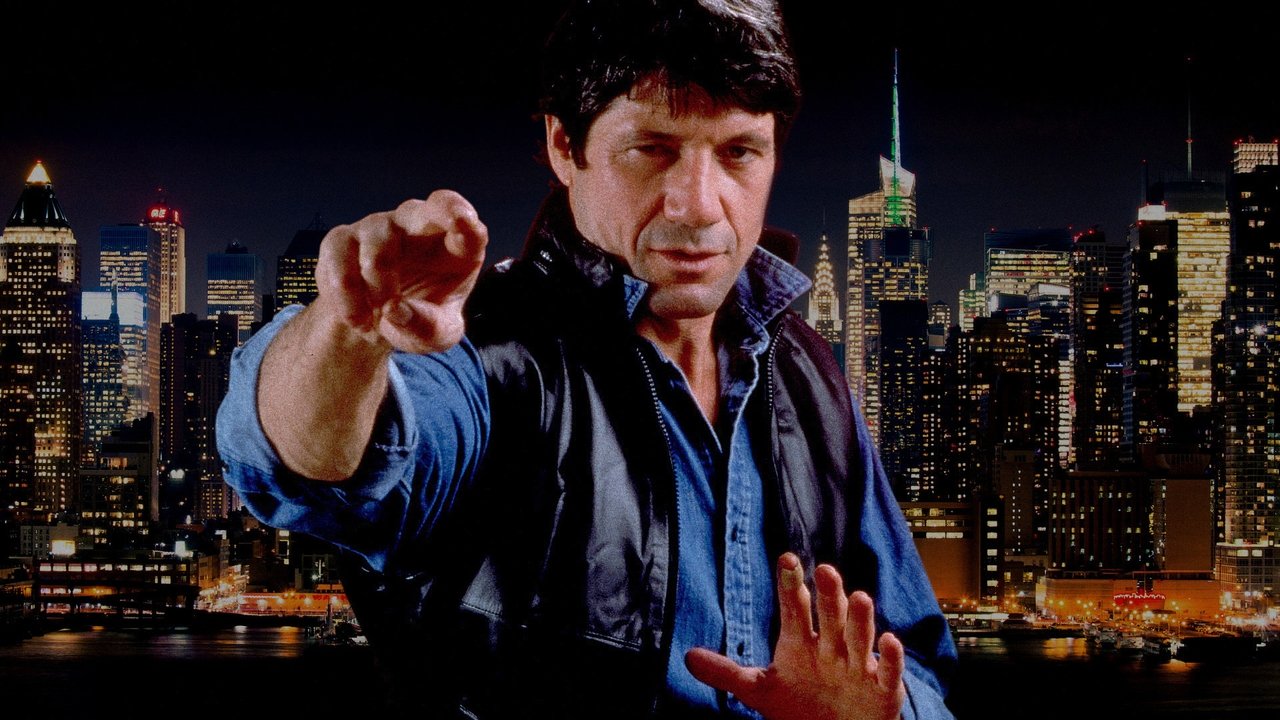
The setup is pure 80s high-concept gold: tough-as-nails NYPD officer Sam Makin gets spectacularly faked-killed and wakes up with a new face and a new identity – Remo Williams. He’s been forcibly recruited into CURE, a super-secret organization operating outside the law, sanctioned by the President himself (or so they say), to handle threats the regular guys can’t touch. Leading this shadowy outfit is the delightfully grumpy Wilford Brimley as Harold Smith, delivering exposition with his signature blend of weary authority. But the real transformation begins when Remo is handed over to his trainer: Chiun, Master of Sinanju, the ancient Korean art that is the ancestor of all martial arts.
### The Master and the Makeup
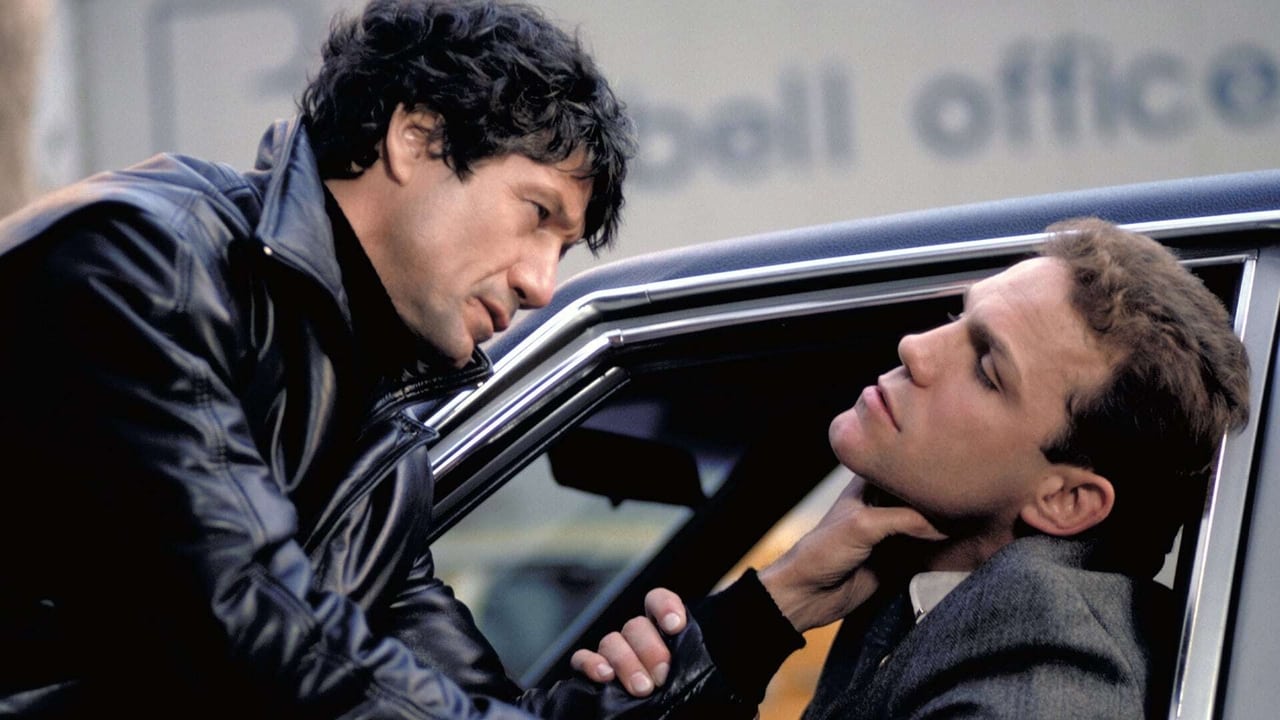
Now, let's talk about Chiun. Played by the legendary Broadway and film actor Joel Grey (yes, the Master of Ceremonies from Cabaret!), this casting choice was… audacious. Grey, a white actor, underwent hours of meticulous makeup – reportedly taking up to five hours daily – to portray the elderly Korean martial arts master. While this kind of casting raises eyebrows today, back in '85, it was largely accepted as part of the movie magic, earning the film its sole Oscar nomination for Best Makeup. And honestly? Grey commits. His Chiun is wise, sarcastic, hilariously disdainful of Western culture ("Americans are Honda Civics; Sinanju is the Rolls-Royce"), and forms an genuinely entertaining odd-couple dynamic with his reluctant pupil. Their training sequences, often involving seemingly impossible feats like dodging bullets or running on water (well, wet cement), are highlights, blending humor with the almost superhuman potential of Sinanju.
### Fred Ward: The Unsung Action Hero
Holding the center is the late, great Fred Ward as Remo. Ward was never your slick, muscle-bound Arnie or Sly type; he had this fantastic, believable blue-collar toughness. He’s perfect as the cynical New Yorker thrust into this unbelievable situation, reacting with the kind of exasperated disbelief we’d probably all feel. Ward threw himself into the role, performing many of his own demanding stunts. It's a shame this didn't launch him into the action A-list stratosphere, because he had the charisma and the physical presence. It’s hard to imagine anyone else capturing that specific blend of bewildered grit. Funnily enough, finding the right Remo was apparently a challenge, with various names floated before Ward landed the part – a testament to how crucial that everyman quality was.

### Old School Action That Still Thrills
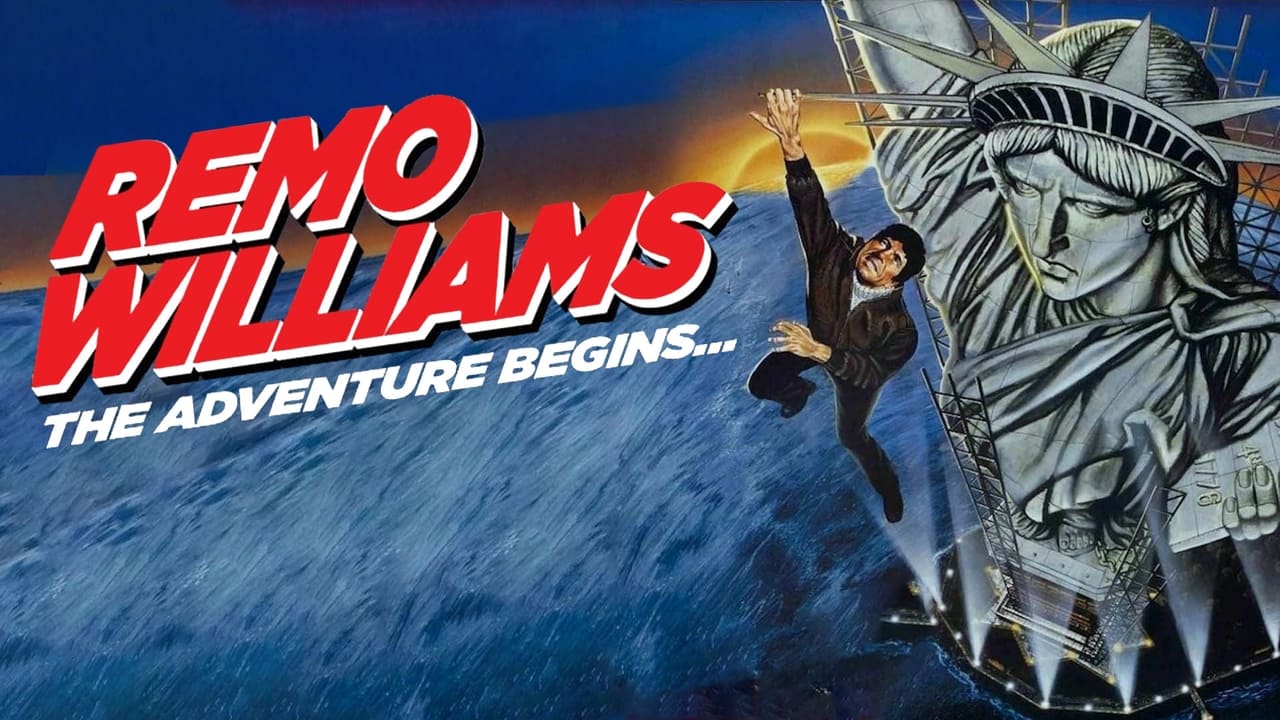
Okay, let's get to the good stuff – the action. Directed by Guy Hamilton, a man who knew his way around spectacular set pieces having directed Bond classics like Goldfinger (1964) and Live and Let Die (1973), Remo Williams delivers some truly memorable practical stunts. The centerpiece, of course, is the fight sequence on the actual scaffolding surrounding the Statue of Liberty during its mid-80s renovation. Forget green screens; they were really up there! Seeing Remo and Chiun navigating those beams, dodging attacks high above New York Harbor… it has a tangible sense of danger and vertigo that CGI rarely replicates. Remember how jaw-dropping that felt on a fuzzy CRT screen? The sequence involving Remo running across freshly poured concrete pylons or dodging enraged Dobermans on logs – it’s all grounded in real physical effort and clever stunt coordination. These weren't weightless digital figures; they were real people doing dangerous things, captured on film, and that authenticity gives the action a specific kind of punch that defined the era.
### The Adventure That… Didn't Continue?
Based on the popular Destroyer paperback novel series (which boasted hundreds of entries!), the film clearly had franchise aspirations – I mean, "The Adventure Begins" is right there in the title! It had a decent budget for the time (around $15-20 million) and a distinctive, synth-heavy score by Craig Safan that perfectly captured the 80s vibe. Supporting players like Kate Mulgrew (years before Captain Janeway!) add solid backup as Major Fleming. Yet, despite its charms and thrilling stunts, the film underperformed at the box office, grossing only about $14 million domestically. Critically, it was pretty divisive too. Plans for a sequel, Remo Williams: The Adventure Continues, were quietly shelved, leaving this as a fascinating standalone curio. It found its true audience later, becoming a staple on cable TV and, of course, a beloved find in the hallowed aisles of the video rental store. I distinctly remember the cool cover art making it a must-rent back in the day.
### Final Verdict
Remo Williams: The Adventure Begins is a perfect example of mid-80s studio ambition meeting quirky execution. It’s got heart, some genuinely impressive practical action sequences that hold up surprisingly well, and a fantastic central pairing in Ward and Grey. The tone might wobble occasionally between serious espionage and near-slapstick training montages, and some elements feel undeniably dated, but its earnest charm and unique premise shine through. It’s a film made with a kind of un-ironic enthusiasm that’s incredibly endearing.
Rating: 7/10 - This score reflects the film's undeniable entertainment value, killer practical stunts (especially the Statue of Liberty sequence!), and the memorable performances from Ward and Grey. It loses a few points for the slightly uneven tone and the unfulfilled promise of that subtitle, but its heart and 80s flavour are undeniable.
Final Thought: It’s the cinematic equivalent of finding that awesome arcade cabinet tucked away in the corner of the pizza place – maybe not the flashiest game, but brimming with old-school challenge and a distinct, unforgettable style that makes you glad you dropped a quarter (or hit ‘play’ on the VCR).