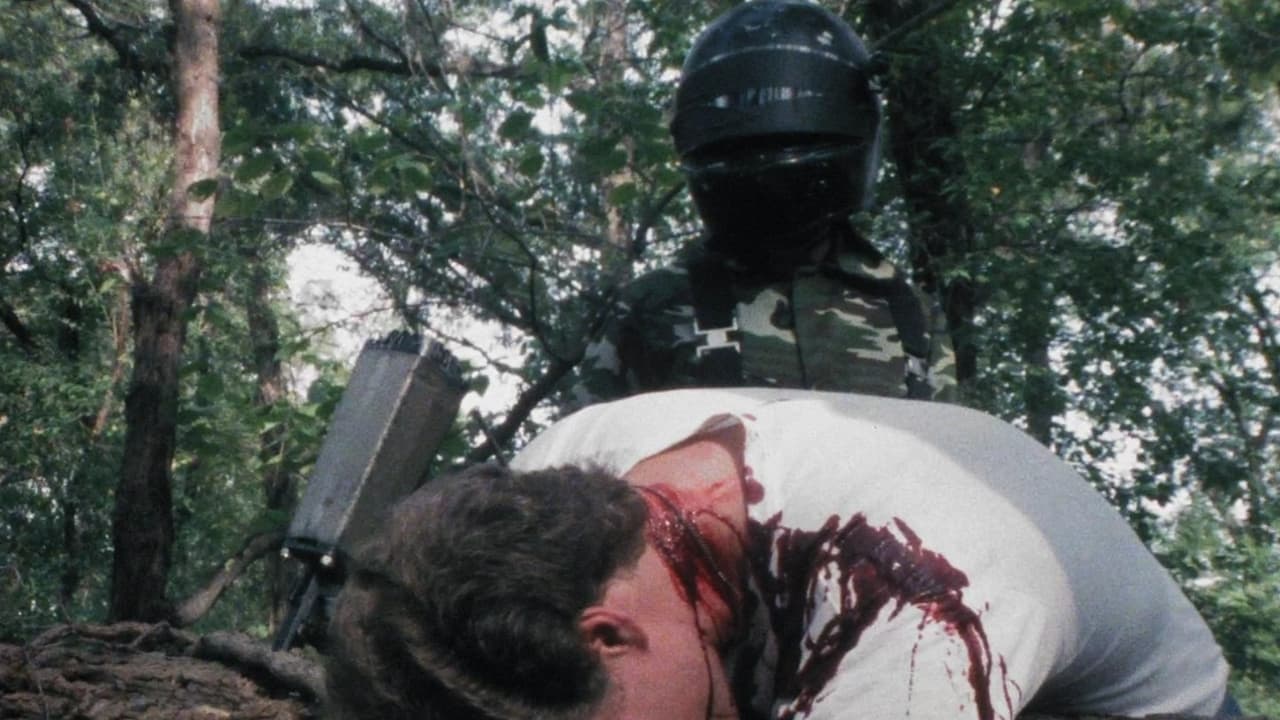
The distant, rhythmic thwump-thwump-thwump of compressed air. That’s the sound that lingers, isn’t it? Not a scream, not a musical sting, but the stark, mechanical report of the weapon at the heart of 1985’s The Nail Gun Massacre. This isn't polished Hollywood horror; this is raw, regional filmmaking dredged up from the sticky, humid backwoods of East Texas, feeling less like a movie and more like evidence someone left behind. Watching it again, decades after first glimpsing its lurid VHS box art promising hardware-based homicide, that initial grimy feeling remains remarkably potent.
Blood and Lumber in East Texas
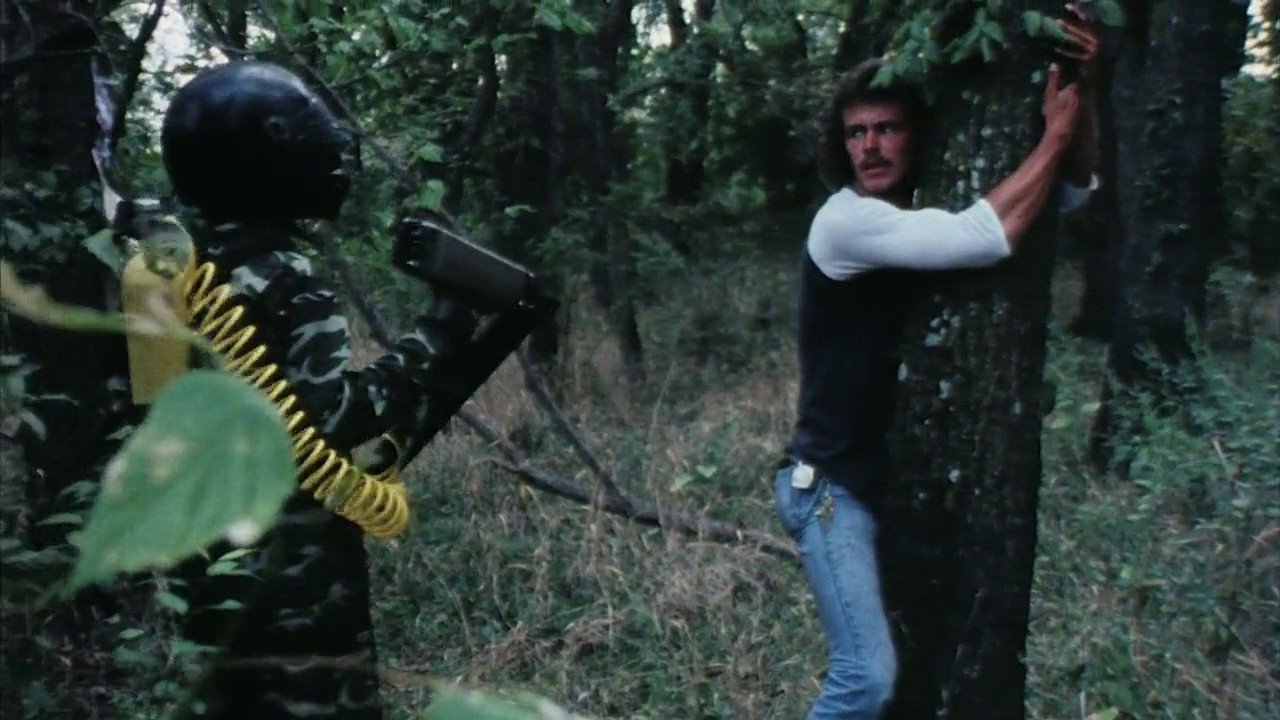
The setup is pure exploitation grit: a young woman suffers a brutal assault by a group of construction workers. Soon after, a figure clad in camouflage gear and obscured by a motorcycle helmet begins stalking the dusty roads and construction sites, dispensing lethal justice with a modified nail gun powered by a portable air compressor. Director and writer Terry Lofton crafts a narrative threadbare even by slasher standards, essentially serving as connective tissue between sequences of methodical, tool-based slaughter. There’s a sheriff (Ron Queen) scratching his head, a local doctor (Rocky Patterson) offering folksy wisdom, and a cast of bewildered locals seemingly plucked straight from the surrounding towns.
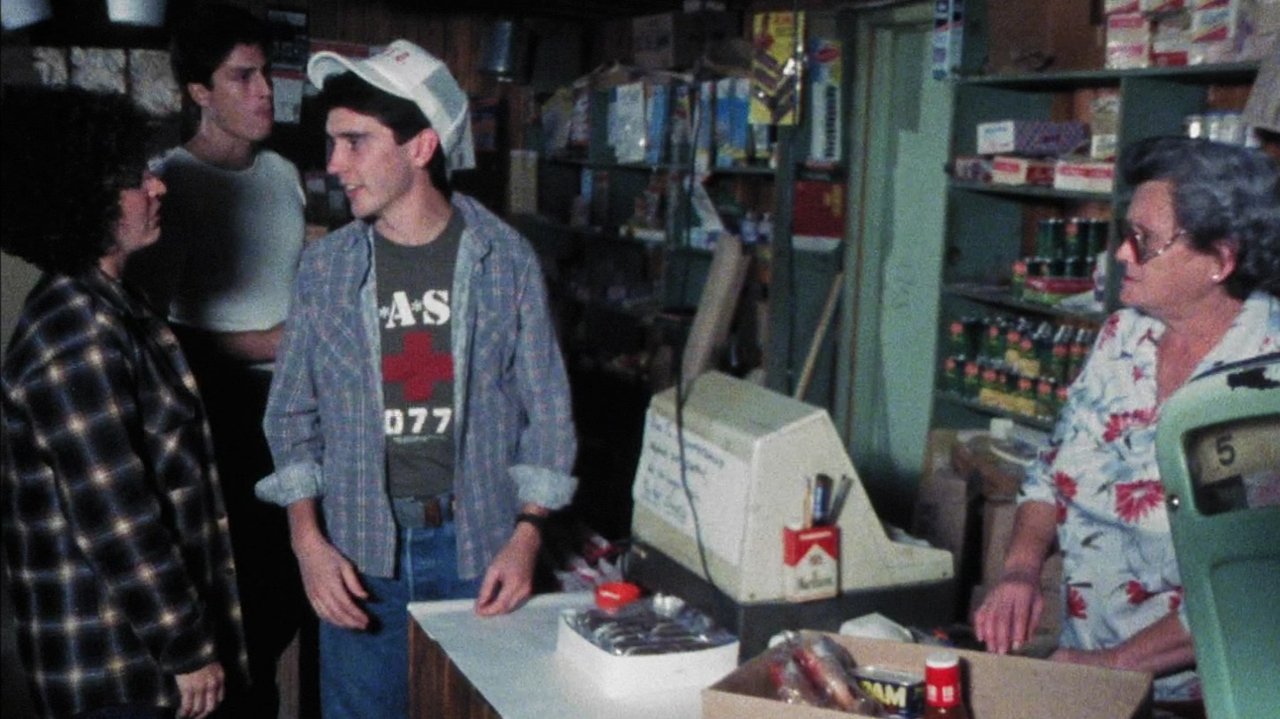
What the film lacks in narrative sophistication or performance polish, it compensates for with a certain brute force sincerity. Shot on location around Jefferson and Longview, Texas – reportedly near Lofton's own stomping grounds – there’s an undeniable sense of place. You can almost feel the oppressive summer heat radiating off the screen, the buzzing insects just out of frame. This wasn't shot on a backlot; it feels unnervingly like someone just pointed a camera at the real East Texas and let the mayhem unfold.
"It's Cheaper Than a Chainsaw!"
That infamous tagline wasn't just marketing fluff; it perfectly encapsulates the film's grimy, low-rent appeal. Leatherface had his iconic chainsaw, but our killer opts for something more… accessible. The nail gun itself becomes a surprisingly effective instrument of terror. Forget finesse; the kills here are blunt, repetitive, and shockingly graphic for the film’s meager resources. Legend has it Terry Lofton partially funded the production – estimated somewhere in the $45,000-$75,000 range – with inheritance money, pouring it all into realizing this singular, bloody vision.
The practical effects, while undeniably crude by today's standards, possess a certain squirm-inducing physicality. Nails visibly thwack into flesh, accompanied by sprays of bright, syrupy blood. There’s a disturbing tangibility to it, amplified by the killer’s distorted, electronically altered voice taunting victims before the final, percussive shot. It’s the kind of effect that felt genuinely shocking on a flickering CRT screen late at night, the limitations somehow making it feel more real, not less. Did anyone else find that relentless thwump sound design burrowing into their brain back then?
Accidents and Audacity
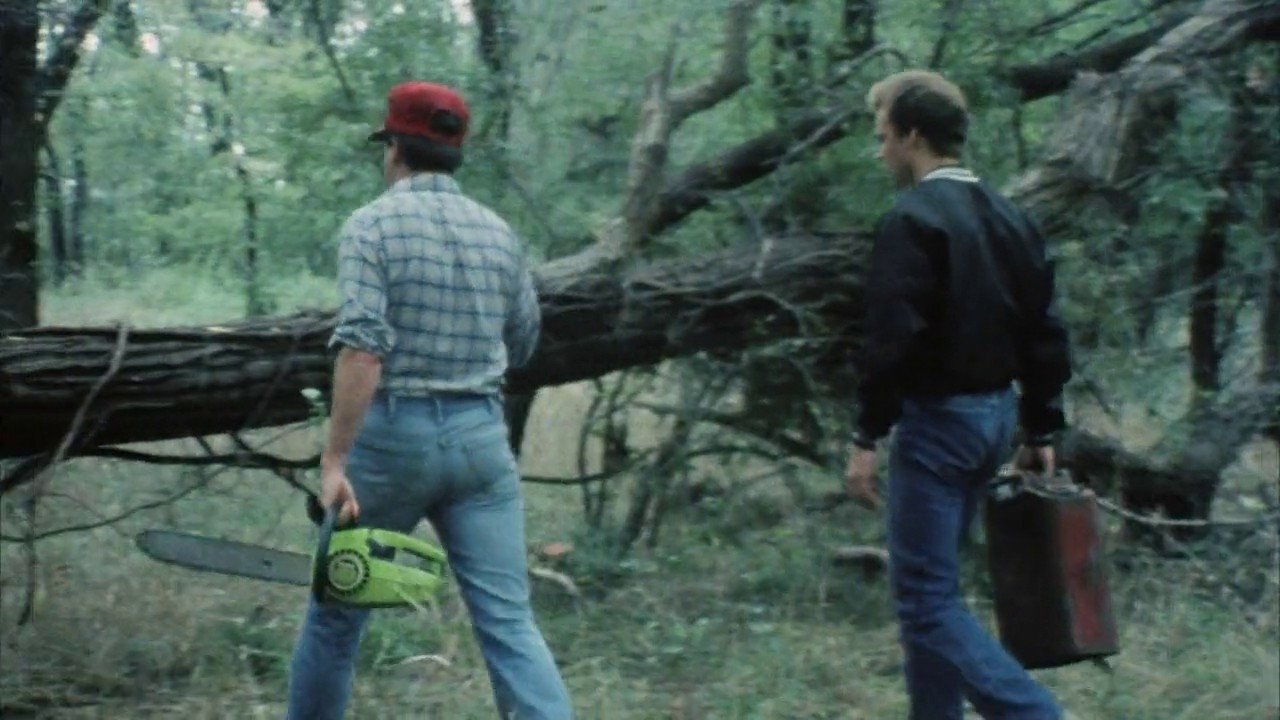
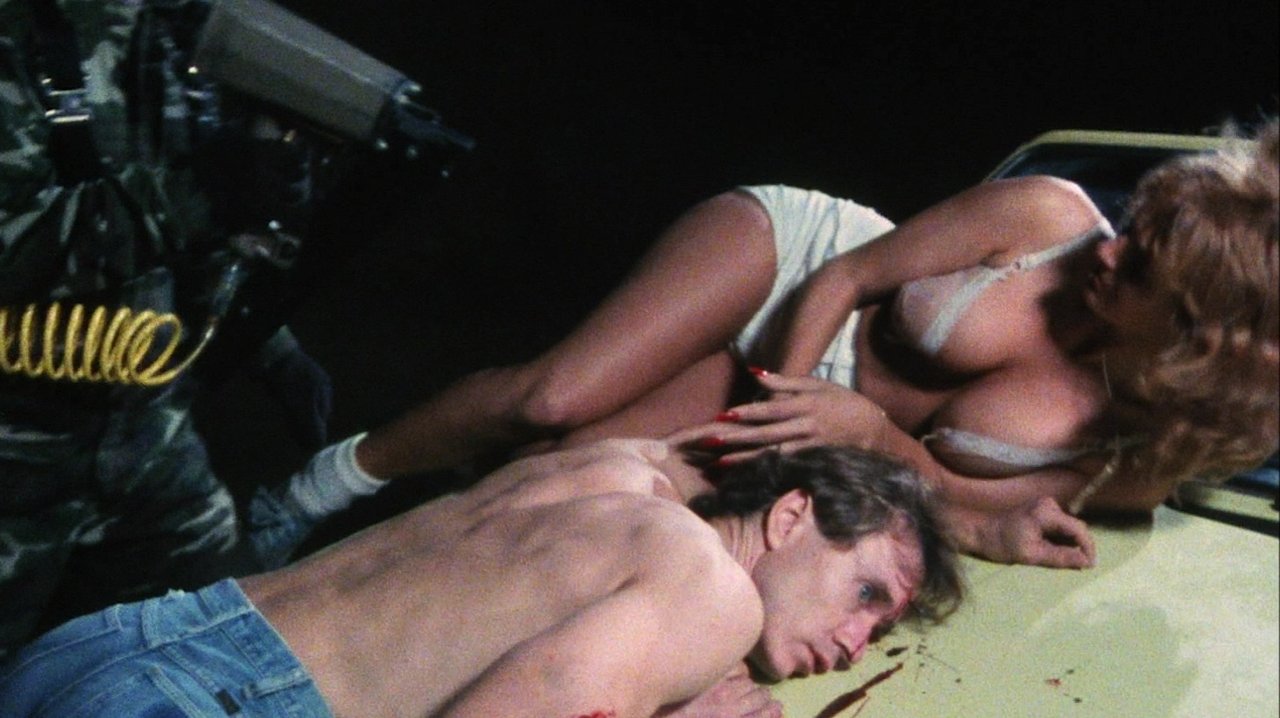
The filmmaking itself is often clumsy. Scenes run long, the editing feels haphazard, and the acting ranges from earnest community theatre to bewildered bystander. Yet, there's an odd charm to its amateurism. It feels less like a calculated product and more like a passion project that somehow, against all odds, got made and distributed. There are moments of unintentional humor, particularly in the dialogue and some of the baffling character reactions, but underlying it all is that core of mean-spirited violence.
One can’t help but wonder about the on-set realities. Wrangling that cumbersome nail gun prop, complete with air compressor tank, must have presented unique challenges. Were there near misses? Did the cast fully grasp the bizarre, violent little movie they were participating in? These details remain part of the film's slightly murky, DIY legend, adding to its cult mystique. It's a film that feels like it shouldn't exist, yet here it is, a testament to regional horror ingenuity (or insanity).
The Rusty Nail in the Coffin of Taste
The Nail Gun Massacre isn't a "good" film in the traditional sense. Its opening scene is undeniably nasty and exploitative, even by 80s standards, and its technical execution is frequently lacking. It sits firmly in that strange twilight zone between genuine slasher nastiness and "so bad it's good" absurdity. Yet, for fans of grubby, low-budget 80s horror, it holds a certain undeniable fascination. It’s a pure, unadulterated slice of regional horror filmmaking, capturing a specific time and place with zero pretense. It never achieved mainstream recognition, often relegated to the dusty back shelves of video stores, but its distinctive premise and raw execution earned it a dedicated cult following that persists today among VHS collectors and connoisseurs of cinematic weirdness.
Rating: 4/10
Let's be clear: the rating reflects the film's technical shortcomings, problematic elements, and general lack of polish. However, that number fails to capture its bizarre, enduring appeal for a certain type of viewer. It scores points for sheer audacity, memorable practical gore (given the budget), its iconic tagline, and its status as a prime slice of regional exploitation weirdness. Points are deducted for the clumsy execution, often atrocious pacing, and the repellent nature of its inciting incident. It's a film you watch because of its flaws as much as despite them.
Ultimately, The Nail Gun Massacre remains a fascinating artifact – a brutal, bizarre, and undeniably memorable nail driven deep into the heart of 80s low-budget horror. It’s less a movie, more a raw nerve ending captured on cheap film stock.