Some films leave a scar. Not just jump scares that fade with the light, but a deeper, more unsettling mark etched onto your memory. Sleepaway Camp (1983) is one such film. It doesn't crawl under your skin with sophisticated dread; it slams into you with the awkward, brutal force of a traumatized kid lashing out, culminating in a final frame that likely froze countless VCRs mid-rewind back in the day. Forget the polished slashers that followed; this one feels raw, almost disturbingly off.
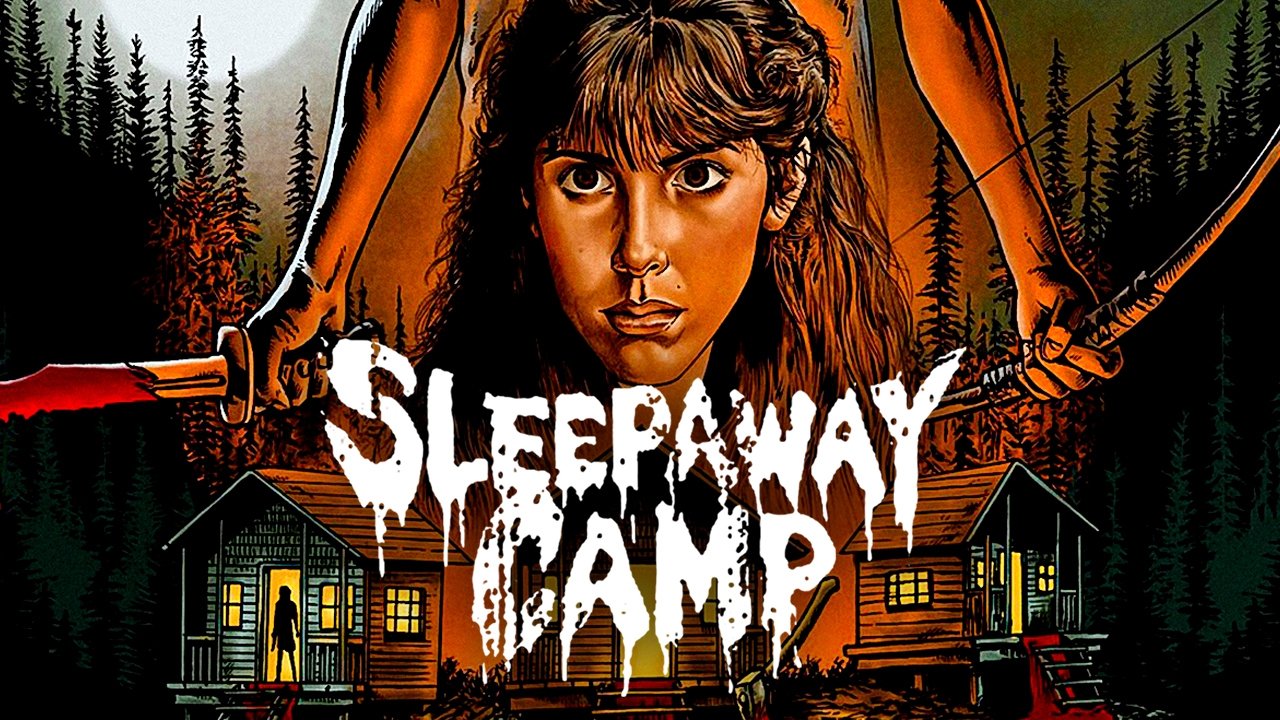
Welcome to Camp Arawak
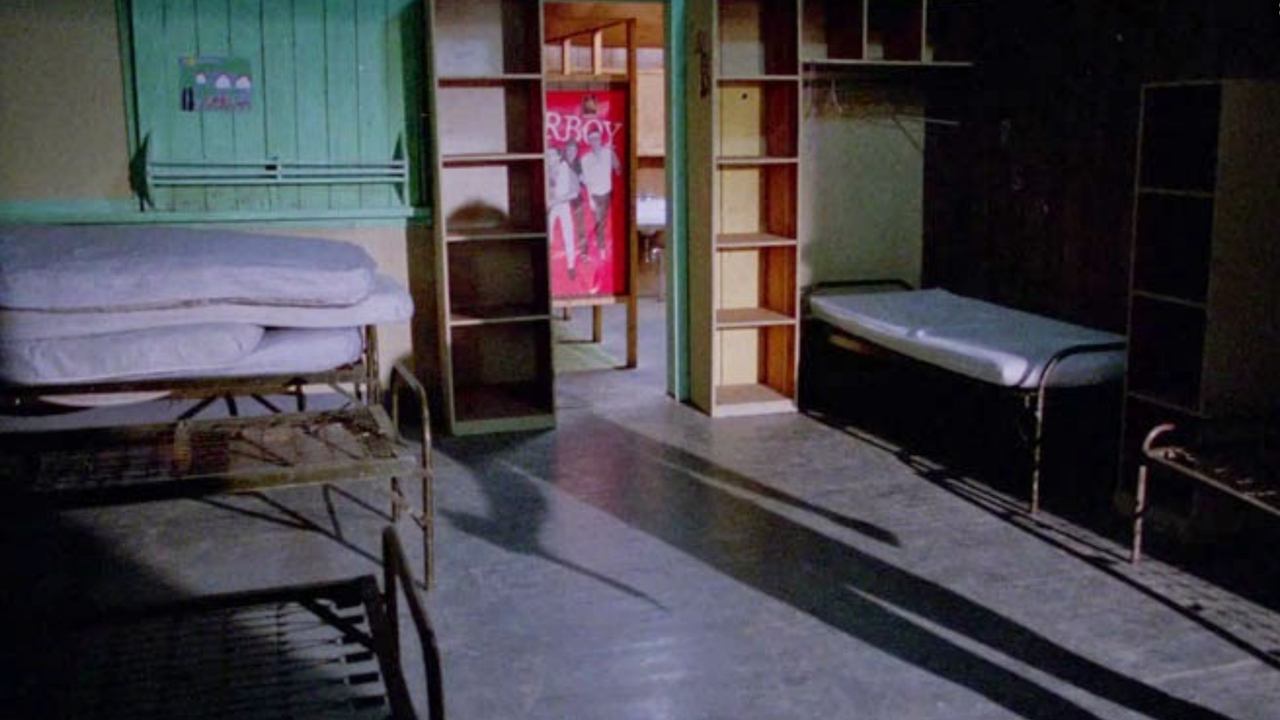
The setup is classic '80s slasher: troubled teens, hormonal counselors, and an idyllic summer camp ripe for bloodshed. We follow young Angela Baker (Felissa Rose), rendered virtually mute by a horrific childhood boating accident that claimed her father and sibling. She arrives at Camp Arawak with her protective, slightly aggressive cousin Ricky (Jonathan Tiersten). Sunshine, canoes, bunk beds... it looks like any other summer getaway captured on grainy film stock. But there’s an immediate disconnect. Angela is intensely withdrawn, a target for bullies, and anyone who crosses her or Ricky seems destined for a creatively nasty accident. The dissonance between the cheerful camp songs and the mounting body count is jarring, creating an atmosphere thick with unspoken wrongness rather than overt terror.
Performances from Another Planet
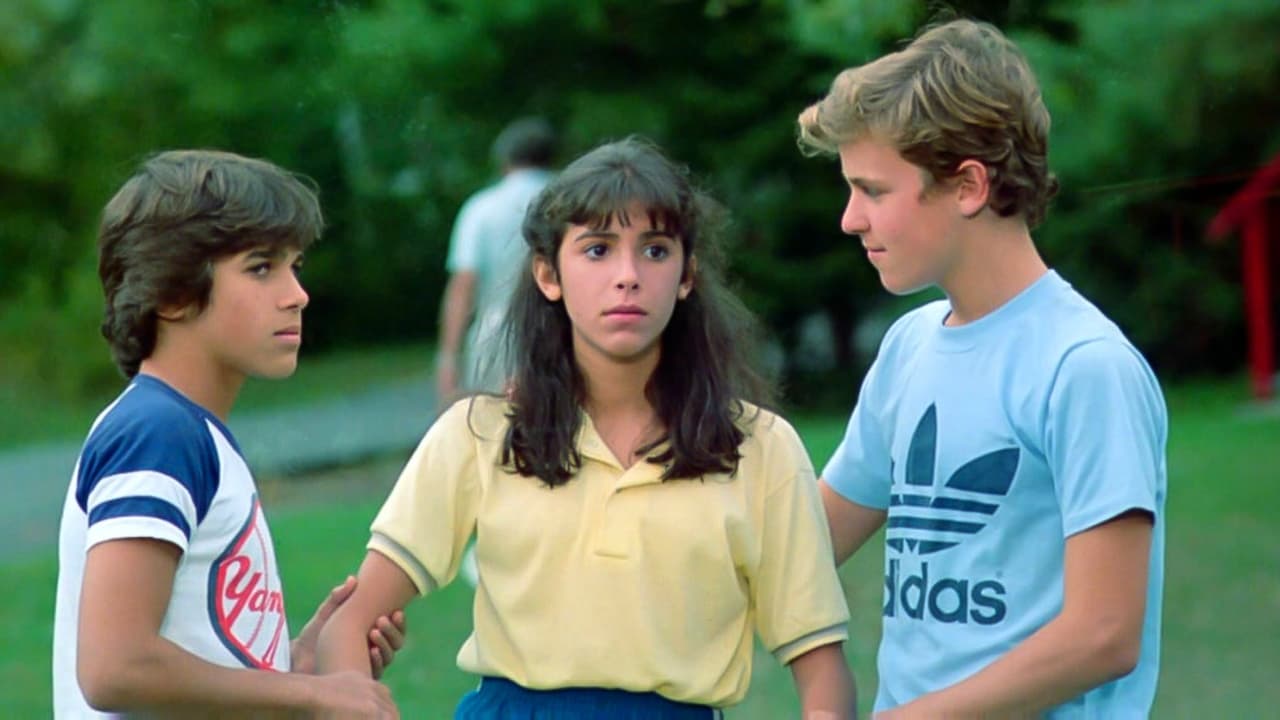
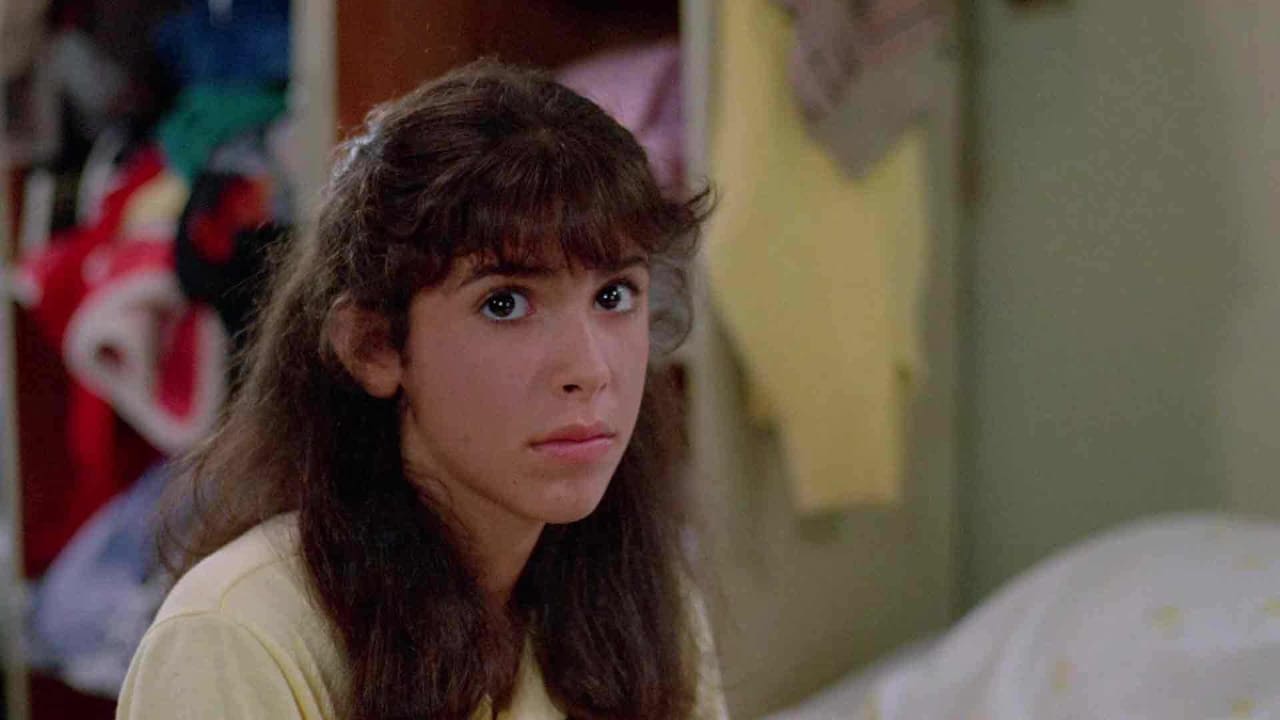
Let's be honest: the acting in Sleepaway Camp is... unique. It ranges from wooden to wildly over-the-top, often within the same scene. Yet, somehow, this contributes to the film's unsettling power. Felissa Rose, only 14 at the time (a fact that adds another layer of discomfort to certain scenes), portrays Angela with a wide-eyed fragility that feels genuinely damaged. Her silences are more eloquent than much of the stilted dialogue surrounding her. Jonathan Tiersten as Ricky brings a nervous energy, fiercely loyal but quick-tempered. The supporting cast, particularly the counselors and the camp owner Mel (Mike Kellin), deliver lines with a bizarre earnestness that often feels accidentally profound or hilariously awkward. It’s a key part of the film's strange, almost dreamlike (or nightmarish) quality. Director Robert Hiltzik, who also penned the script, reportedly drew on his own camp experiences, perhaps explaining some of the authentic flavour mixed with the sheer oddity.
Budget Kills and Behind-the-Scenes Grit
Filmed on a shoestring budget of around $350,000 at a real location (Camp Algonquin in Argyle, New York), Sleepaway Camp punches above its weight in the gore department. The kills aren't subtle – boiling water, bee stings amplified, a curling iron used for anything but hair – but they have a practical, nasty effectiveness. There's a visceral quality to the violence that feels grounded, even amidst the sometimes laughable dialogue leading up to it. One infamous kill involving an unfortunate cook required a carefully constructed dummy head and precise timing. Hiltzik, who wouldn't direct another film for over two decades until Return to Sleepaway Camp (2008), certainly committed to the shocking imagery, pushing boundaries even within the already permissive slasher genre. Remember how shocking some of those practical effects felt on a fuzzy CRT screen? They retain a certain grimy power.

The Twist That Defined a Cult Classic
(Spoiler Alert for a 40-year-old ending, but seriously, stop reading if you haven't seen it!)
You can't discuss Sleepaway Camp without confronting its ending. It’s one of the most audacious, controversial, and frankly unforgettable reveals in horror history. The final shot – Angela, naked, holding a severed head, revealing her true biological sex and identity as Peter, the sibling thought killed in the opening tragedy – is pure, unadulterated shock value. It's abrupt, disturbing, and recontextualizes Angela's silence, trauma, and the seemingly motiveless killings in a truly transgressive way. The effect involved a specially crafted plaster cast mold of Felissa Rose's face fitted onto a male body double for that final, chilling tableau. Did that ending genuinely floor you back then? It certainly cemented the film's place in midnight movie history, sparking debates and discomfort that linger even now. It’s problematic through a modern lens, certainly, but as a piece of pure cinematic shock, its effectiveness is undeniable.
A Flawed Gem That Still Disturbs
Sleepaway Camp is far from a perfect film. Its pacing can be uneven, the dialogue is often clunky, and the acting swings wildly. Yet, its enduring appeal is undeniable. It captures a specific, strange frequency that sets it apart from its contemporaries like Friday the 13th (1980) or The Burning (1981). It’s weirder, more psychologically uncomfortable, and possesses an ending that guarantees it’s never forgotten. It’s the kind of film you’d discover on a dusty video store shelf, lured in by the lurid cover art, and walk away from feeling like you’d seen something truly unique, maybe even something you weren’t supposed to see. The awkwardness, the low-budget grit, the genuinely unsettling core – it all coalesces into a potent slice of '80s cult horror.
Rating: 7/10
This score reflects the film's undeniable impact and unforgettable ending, balanced against its clear B-movie limitations in acting and dialogue. It’s not high art, but its power to shock and disturb, coupled with its sheer strangeness, earns it a solid place in the cult canon. It’s a testament to how atmosphere, a bold vision (however rough around the edges), and one hell of a twist can elevate a low-budget slasher into something truly memorable.
Sleepaway Camp remains a fascinating, uncomfortable artifact – a reminder that sometimes the most unsettling horror comes not from the shadows, but from the sunny, seemingly innocent places where secrets fester. It's a VHS tape that probably earned its tracking lines, rewound countless times just to make sure you saw what you thought you saw.