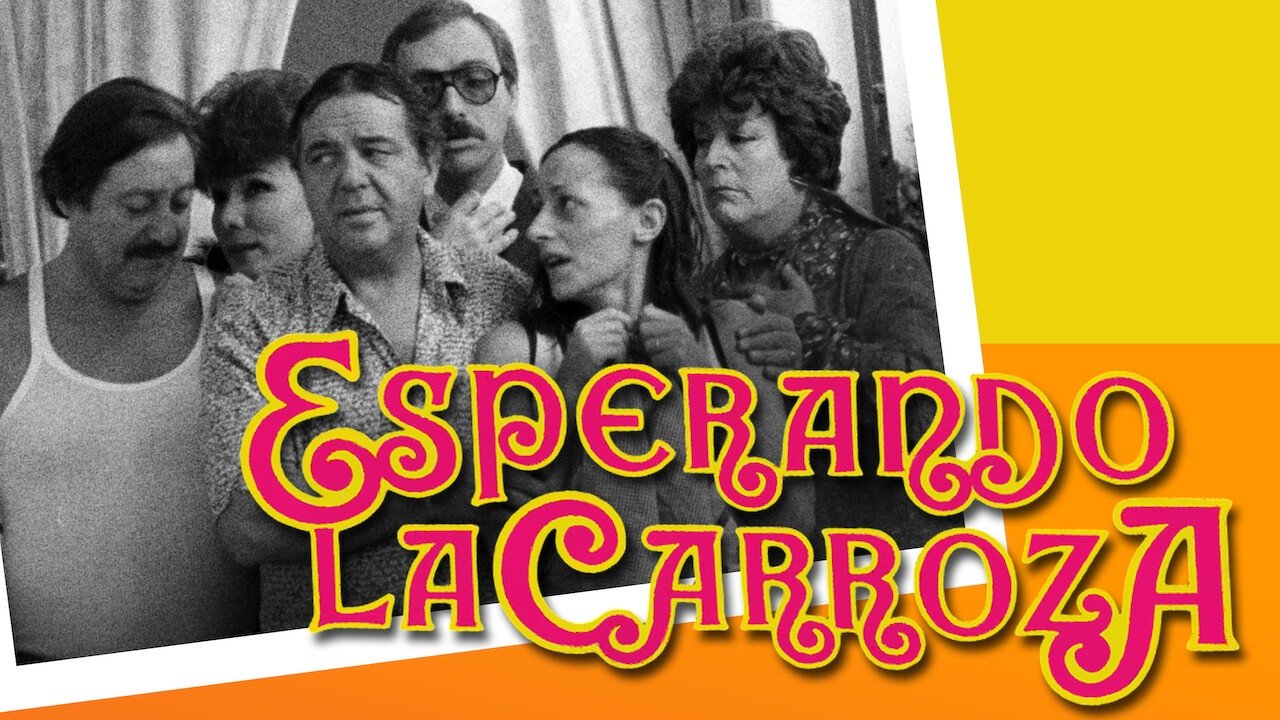
Okay, fellow tape travelers, let's rewind to a corner of the video store often overlooked by those hunting the latest Hollywood blockbuster: the foreign language section. Sometimes, nestled between French dramas and Italian art films, you'd stumble upon a cover that just radiated chaotic energy. And if you were lucky, maybe, just maybe, you pulled out a copy of 1985's Esperando la carroza, better known to some Anglophones simply as Waiting for the Hearse. This isn't just a film; it's a whirlwind, a darkly comedic mirror held up to the glorious, messy absurdity of family, Argentinian style.
### The Eye of the Storm: Mamá Cora
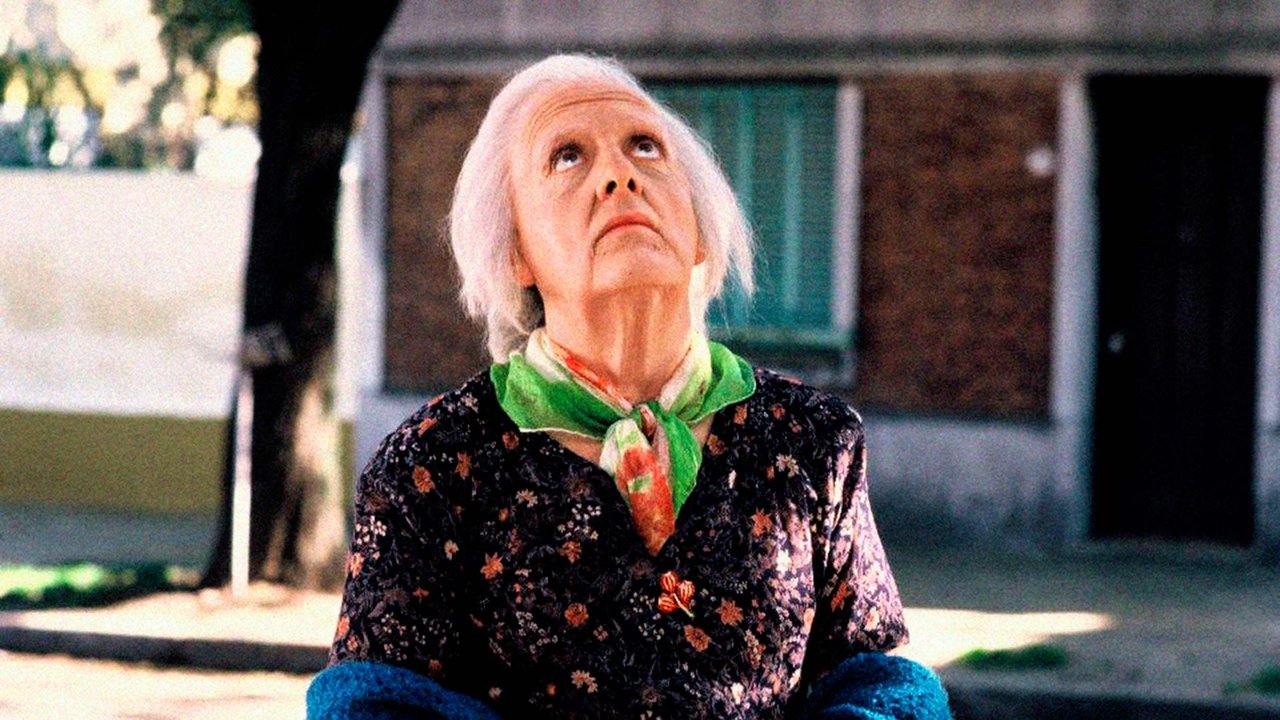
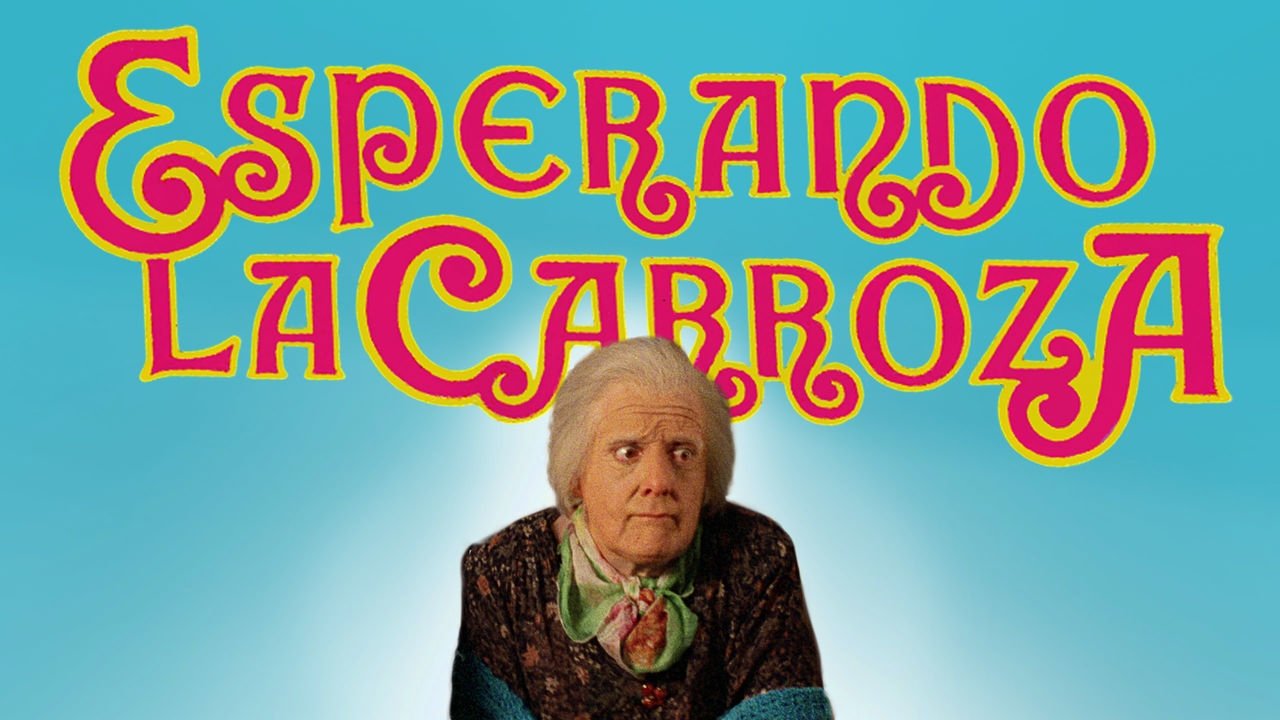
At the heart of this domestic hurricane is Ana María de los Dolores Buscaroli de Musicardi, or Mamá Cora, played with unforgettable, almost surreal brilliance by Antonio Gasalla. Yes, you read that right. Gasalla, a male comedian, embodies this elderly, somewhat senile, and utterly exasperating matriarch. It's a performance that transcends drag; it's a complete inhabitation, a masterclass in physical comedy and nuanced character work disguised as caricature. Mamá Cora wanders off one Sunday, sparking a frantic search by her three middle-aged children and their spouses, unleashing a torrent of simmering resentments, petty grievances, and spectacular hypocrisy. I distinctly remember seeing Gasalla's transformation on that slightly fuzzy VHS transfer – it wasn't just makeup; it was posture, voice, a certain bewildered gaze that felt utterly authentic, even within the heightened reality of the film. It’s a performance that cemented Gasalla as a legend in Argentina.
### A Symphony of Dysfunction
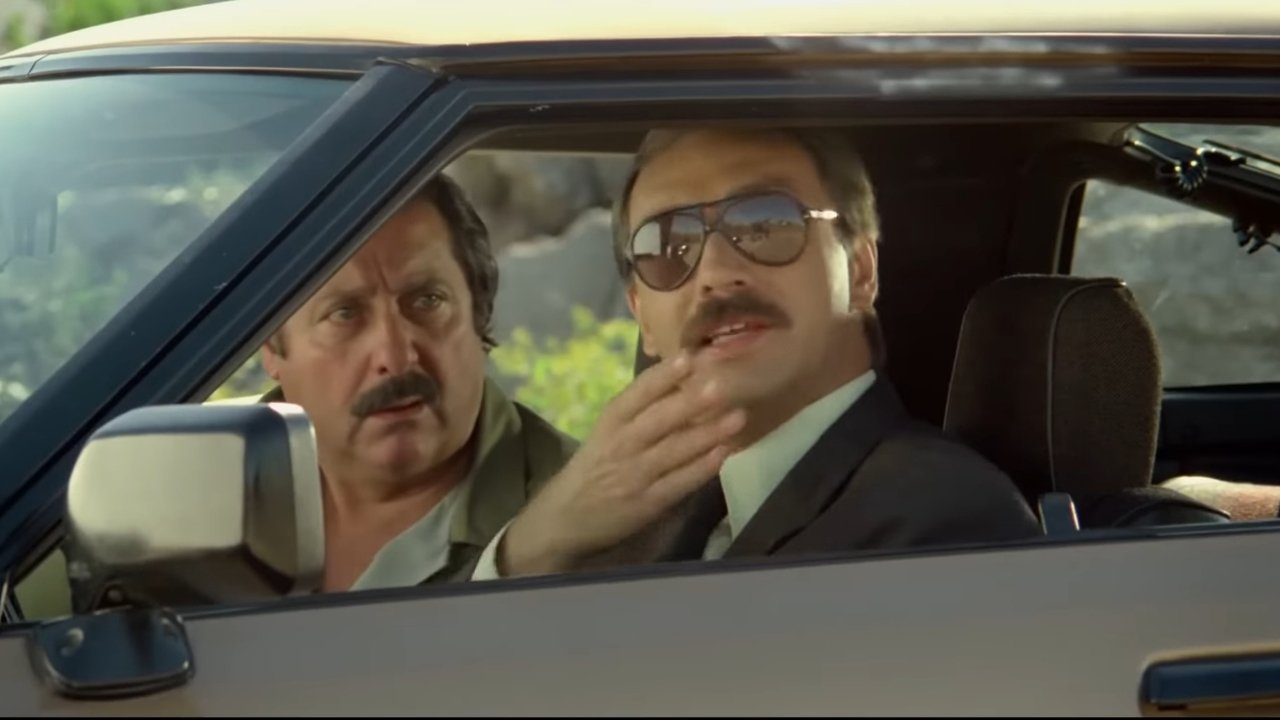
The setup, based on a play by Jacobo Langsner (who co-adapted the screenplay with director Alejandro Doria), is pure farce: the family mistakenly believes Mamá Cora has died tragically after finding an unidentified elderly woman who committed suicide. This morbid misunderstanding becomes the catalyst for an impromptu, disastrous wake at the home of the comparatively well-off Sergio (an exasperated Juan Manuel Tenuta) and his status-obsessed wife, Elvira (China Zorrilla, in perhaps the film's other most iconic performance). Zorrilla’s Elvira is a force of nature – vain, controlling, constantly bemoaning her perceived burdens while draped in gaudy jewelry. Her interactions with the poorer side of the family, particularly Susana (Mónica Villa) and Antonio (Luis Brandoni), are comedy gold, laced with the bitter tang of class tension and familial obligation. Remember those sprawling family get-togethers where tensions simmer just below the surface? Waiting for the Hearse cranks that dial to eleven and then breaks it off.
Alejandro Doria, known for navigating both drama and biting social commentary, directs with a kind of controlled chaos. The camera often feels like a harried observer, barely keeping up with the overlapping dialogue, slammed doors, and escalating emotional outbursts crammed into Sergio and Elvira’s home. Shot relatively quickly and on a modest budget (reportedly around $300,000 USD back then – peanuts even for the time), the film has an almost claustrophobic energy that perfectly suits the pressure-cooker environment. It’s a testament to how creative constraints can sometimes forge comedic diamonds.
### More Than Just Laughs: The Bitter Truth
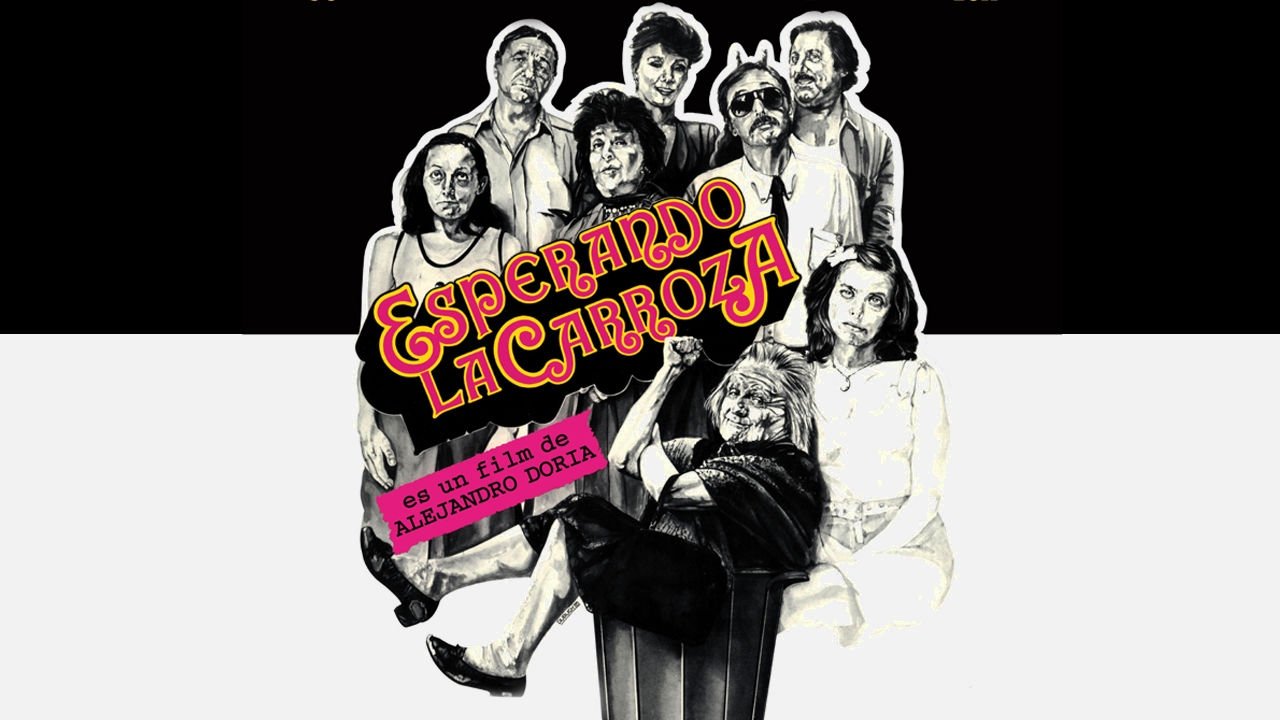
Beneath the rapid-fire dialogue and slapstick (like the infamous scene involving mayonnaise and speculation about Mamá Cora's final meal), Waiting for the Hearse offers a surprisingly sharp critique. It skewers the superficiality of middle-class aspirations, the way families weaponize guilt and obligation, and the often-callous treatment of the elderly. Mamá Cora, while the source of much frustration, is also a symbol of neglect, passed around between her children like an inconvenient piece of furniture. Doesn't this dynamic, the difficulty of caring for aging parents while juggling personal ambitions and simmering sibling rivalries, still resonate profoundly today?
The film is practically a national treasure in Argentina, quoted endlessly ("¡Yo hago puchero, ella hace puchero! ¡Yo hago flan, ella hace flan!" / "I make stew, she makes stew! I make flan, she makes flan!" - Elvira's lament about perceived imitation, or the simple, iconic "Tres empanadas" Mamá Cora requests, oblivious to the chaos). Its initial reception was somewhat mixed, critics perhaps unsure what to make of its almost grotesque portrayal of family ties. But audiences embraced it, recognizing the uncomfortable truths wrapped in outrageous humor. It found its true home on television and, of course, on countless VHS tapes passed between friends and families, becoming a cultural touchstone.
### The Legacy of a Chaotic Classic
Watching it now, decades later, the film holds up remarkably well. The fashion and decor scream 1985, yes, but the performances remain electric, particularly Gasalla and Zorrilla who deliver lines that land with comedic precision while hinting at deep-seated character flaws. The pacing is relentless, a barrage of arguments and absurdities that might exhaust some viewers but rewards those who appreciate pitch-black farce. It’s a film that understands that sometimes, the most profound human dramas are played out over lukewarm coffee and stale pastries at the most awkward family gatherings imaginable.
Rating: 9/10
This score reflects its status as a near-perfect execution of dark social satire disguised as farce. The performances are legendary, the script is ruthlessly funny and insightful, and its cultural impact in its home country is undeniable. It loses a single point perhaps only because its intense, specific cultural flavor and chaotic energy might not connect universally, but for fans of sharp comedy and fearless filmmaking, it’s essential viewing.
Waiting for the Hearse is more than just an 80s comedy; it's a hilariously uncomfortable, surprisingly poignant reminder that sometimes, the people we're closest to are the ones who drive us furthest up the wall. What lingers most isn't just the laughter, but the startling recognition of ourselves, and our own families, in the magnificent mayhem.