Alright folks, slide that well-loved cassette into the VCR – maybe give the heads a quick clean first – because we're diving into a true titan of Turkish comedy, a film series that felt like required viewing back in the day, even if you caught it on a fuzzy late-night broadcast. I'm talking about the legendary Hababam Sınıfı, specifically the sun-drenched chaos of "Hababam Sınıfı Tatilde" (1977), often known to international fans as "The Chaos Class on Vacation". Forget intricate plots; this is pure, unadulterated student anarchy served with a huge heart.
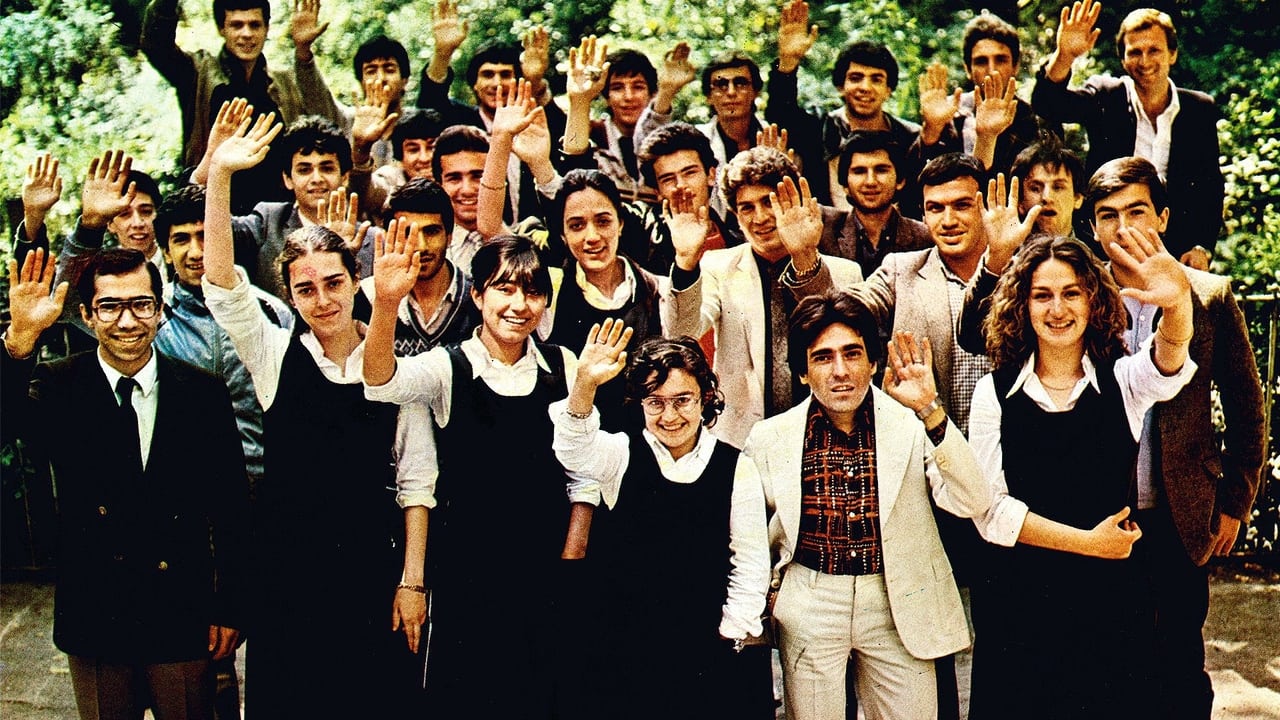
This entry, helmed by the master of Turkish ensemble comedy, Ertem Eğilmez (who directed several of the most beloved early installments), takes the familiar formula and gives it a dose of summer freedom. If you grew up watching these, the opening notes of Melih Kibar's instantly recognizable, jaunty theme music probably trigger an immediate Pavlovian response – a grin, a chuckle, maybe even the phantom smell of sunflower seeds cracked during tense (or rather, ridiculous) moments.
Back to School... By the Beach?
The premise is simple, as it often is with the Chaos Class: our favourite band of academically-challenged but creatively mischievous high schoolers pulls yet another fast one. This time, through a classic switcheroo involving forged documents (naturally), they convince the eternally exasperated but secretly affectionate school principal, Mahmut Hoca (the absolutely iconic Münir Özkul), and the school's beloved, motherly caretaker Hafize Ana (Adile Naşit, a national treasure), that they've won a school competition entitling them to a seaside vacation. In reality, they're meant to be attending a dull scout camp. What follows is classic Hababam: lazy days, schemes to avoid any form of work or learning, elaborate pranks, and the constant, hilarious battle of wits against the faculty who inevitably catch up with them.
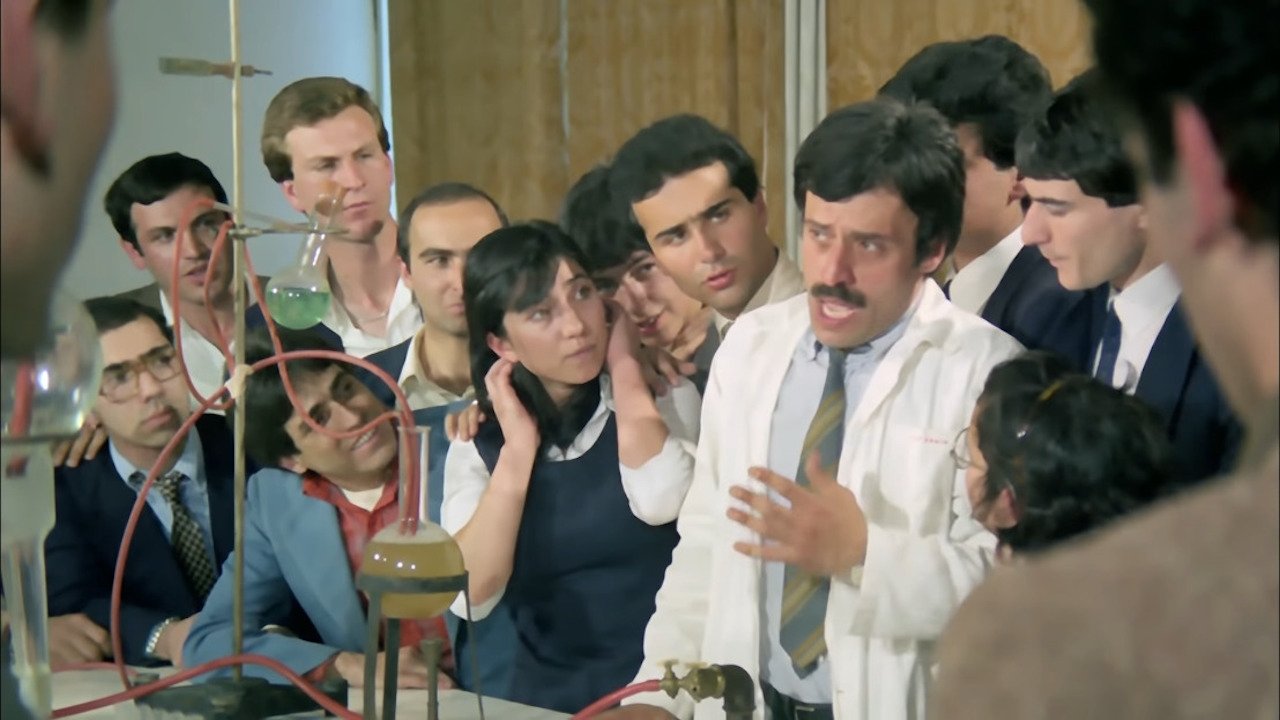
What always struck me, even watching grainy copies back then, was the incredible chemistry of this ensemble. You had Kemal Sunal as İnek Şaban, the "nerd" who was often the butt of the jokes but possessed a unique comedic timing all his own; the charming rogue Damat Ferit, played by heartthrob Tarık Akan; and the indispensable Güdük Necmi (Halit Akçatepe), often the mastermind (or chief instigator) of the chaos. These weren't just actors; they were the Chaos Class for generations of viewers. It’s a testament to Rıfat Ilgaz's original novels and the sharp writing adapted for the screen (often by Sadık Şendil) that these characters felt so real and relatable, despite their exaggerated antics.
The Charm of Old-School Comedy
Forget CGI explosions; the "special effects" here are pure comedic timing and brilliant physical comedy. Seeing the elaborate Rube Goldberg-esque plans the students concoct to cheat on exams or sneak out of bounds – often filmed in the historic Adile Sultan Palace, the real-life stand-in for their fictional boarding school – felt genuinely inventive. The humour isn't subtle, relying heavily on slapstick, witty banter, and the sheer absurdity of the situations. But beneath the laughs, there was always a warmth, particularly in the interactions with Mahmut Hoca and Hafize Ana, who represented the stern-but-loving authority figures trying, mostly in vain, to impose order.
It's fascinating to think these films, part of a massive franchise that churned out entries rapidly through the 70s and early 80s, were often made on relatively modest budgets. Yet, their cultural impact in Turkey was (and remains) colossal. They weren't just movies; they were cultural events, reflecting anxieties about education, generational clashes, and the simple joys of friendship and rebellion, all wrapped in layers of infectious laughter. Tatilde captures that feeling perfectly, adding a layer of summer escapism to the usual classroom-bound mayhem. Remember how liberating just seeing them escape the school walls felt back then?
Still Holds Up After All These Years?
Watching it now, sure, some of the gags feel of their time, and the pacing might seem leisurely compared to modern comedies. But the core appeal remains untouched. The interplay between the students, the long-suffering teachers, the sheer audacity of their schemes – it’s timeless humour. Münir Özkul's performance as Mahmut Hoca is a masterclass in weary authority, his facial expressions alone conveying volumes. And Adile Naşit as Hafize Ana is the comforting heart of the series, her infectious laugh and warmth balancing the surrounding chaos. The film perfectly captures that feeling of lazy summer days where the biggest worry is getting caught trying to have a little too much fun.
This wasn't just a movie; it was a visit with old friends, characters who felt as familiar as classmates. It’s comedy that doesn't rely on cynicism, but on affection for its flawed, lovable characters.
Rating: 8/10
Justification: While perhaps not the absolute peak entry for some purists (arguments about the best Hababam film could last for days!), Tatilde is quintessential Chaos Class. It delivers exactly what fans expect: hilarious ensemble comedy, iconic performances from Turkish cinema legends, and a huge dose of nostalgic warmth. The jokes land, the characters shine, and the summer setting adds a fun twist. It earns its points for sheer comedic consistency, cultural significance, and its ability to still raise genuine laughs decades later.
Final Thought: Like finding that perfect mixtape you made back in '88, "Hababam Sınıfı Tatilde" is a blast of pure, unfiltered joy from a different era of filmmaking – chaotic, charming, and guaranteed to leave you smiling. Still essential viewing for fans of classic comedy.