Alright, settle in, dim the lights, maybe adjust the tracking just a bit... because tonight on VHS Heaven, we're popping in a tape that might have escaped the mainstream radar outside of Italy, but offers a delightful dose of 80s cinematic chaos: Neri Parenti's 1986 comedy, Scuola di Ladri (School of Thieves). This isn't high art, folks, but if you stumbled upon this gem in the 'Foreign Films' section of your local video store back in the day, you likely found yourself chuckling at its sheer, unadulterated silliness.

The premise itself is pure farce: three down-on-their-luck, utterly incompetent cousins – Dalmazio (the legendary Paolo Villaggio), Amalio (Lino Banfi), and Egisto (Massimo Boldi) – discover they are related and are subsequently blackmailed by their wheelchair-bound, fabulously wealthy uncle, "Sir" Aliprando (Enrico Maria Salerno, oozing sophisticated menace), into becoming master thieves. The catch? They possess absolutely zero aptitude for crime. What follows is less Ocean's Eleven and more The Three Stooges Attempt Grand Larceny, Italian style.
### A Masterclass in Ineptitude
Forget slick heists and cool gadgets. The joy of Scuola di Ladri lies in watching this trio fail, spectacularly and repeatedly. Paolo Villaggio, already a national treasure in Italy for his iconic character Fantozzi, brings his signature brand of hangdog physical comedy to Dalmazio. He’s the perpetually bewildered centre, a man whose body seems actively working against any attempt at stealth or competence. Lino Banfi, another giant of Italian comedy known for his energetic, often boisterous roles, plays Amalio with a desperate bravado that constantly crumbles. And Massimo Boldi, often paired with Christian De Sica in wildly popular cinepanettone Christmas comedies, rounds out the trio as the slightly dim-witted Egisto.
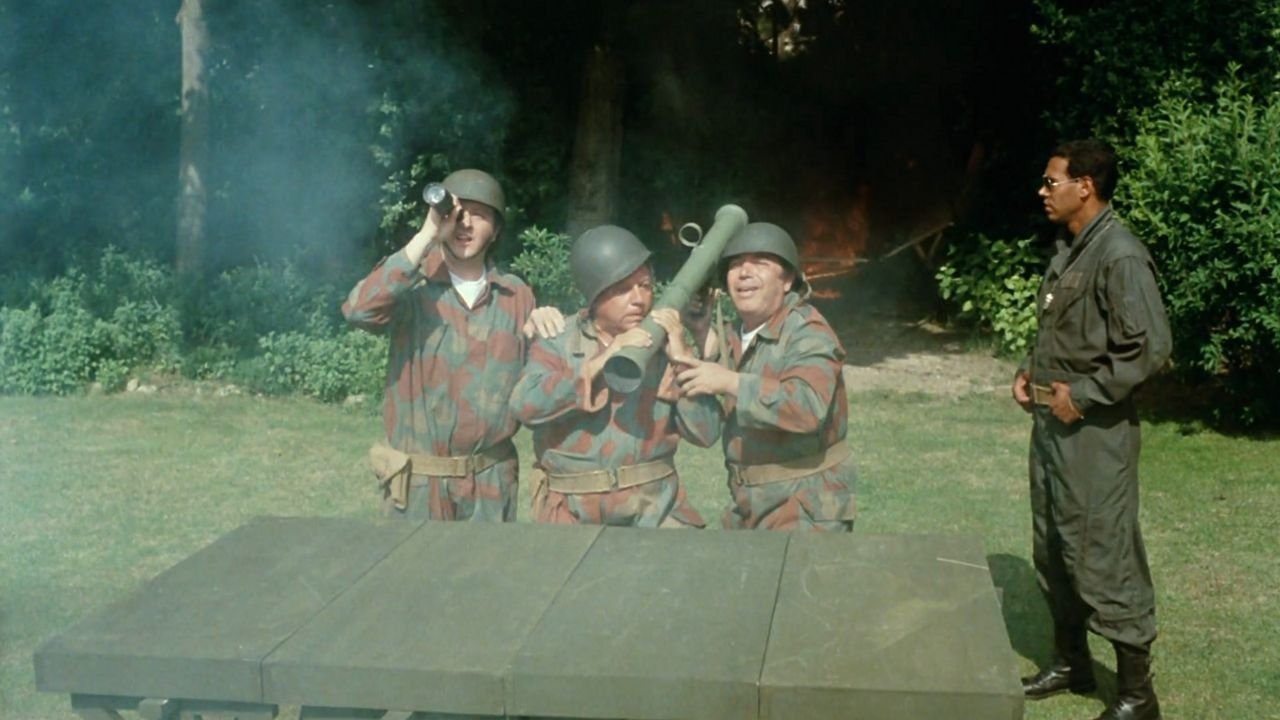
Their chemistry is the engine of the film. It's a collision of established comedic personas, expertly orchestrated by director Neri Parenti, a filmmaker who practically built a career on helming these kinds of fast-paced, star-driven ensemble comedies, including many Fantozzi sequels. He knows exactly how to stage a gag for maximum impact, relying less on witty dialogue (though there are amusing lines) and more on pure, unadulterated slapstick. Think less sophisticated satire, more guys falling down stairs, getting electrocuted, and generally making a mess of things. It's the kind of physical comedy that felt raw and immediate on that fuzzy VHS screen – real people performing real (albeit silly) stunts.
### The Practical Charm of 80s Italian Comedy
This is where the VHS-era magic really shines. There’s no slick CGI here to smooth over the edges. When a car chase happens (and there are some hilariously inept ones), it feels grounded, almost clumsy, which only adds to the humour. The "training" sequences under Sir Aliprando's harsh tutelage are highlights, showcasing the actors' commitment to the physical gags. Remember how real those pratfalls looked back then? That’s because they often were real, relying on timing and the performers' skill rather than digital trickery.
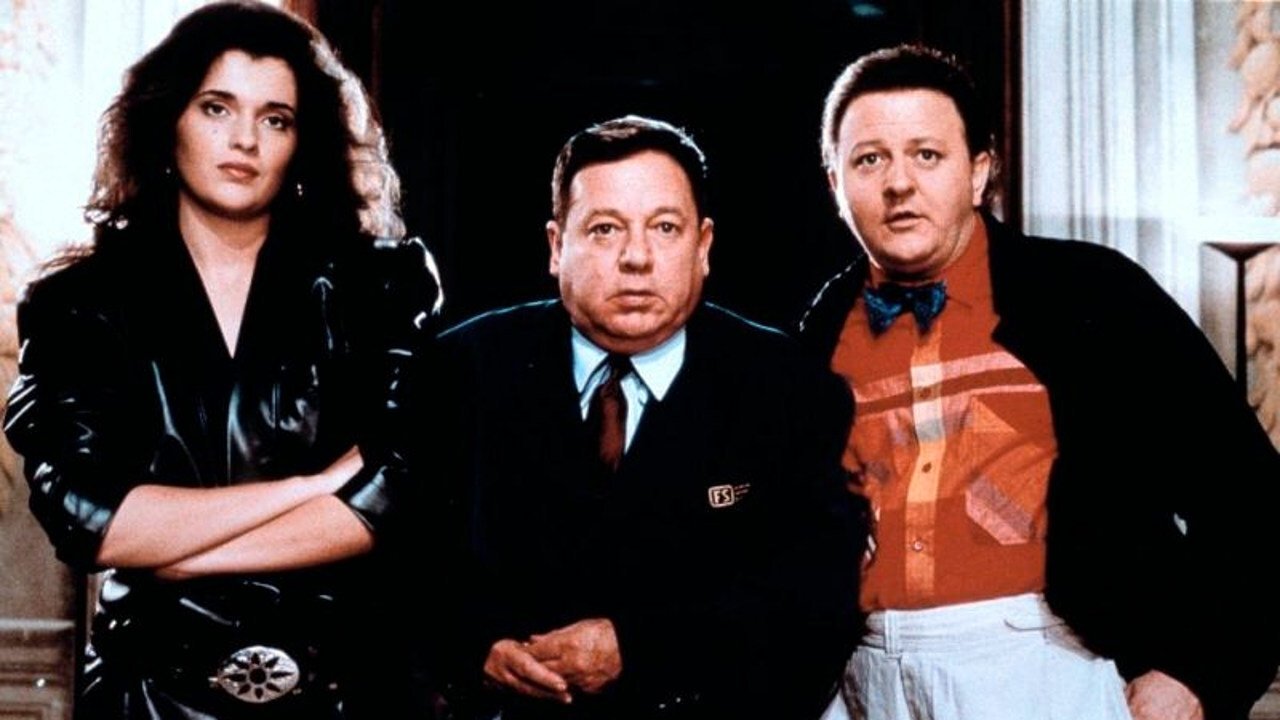
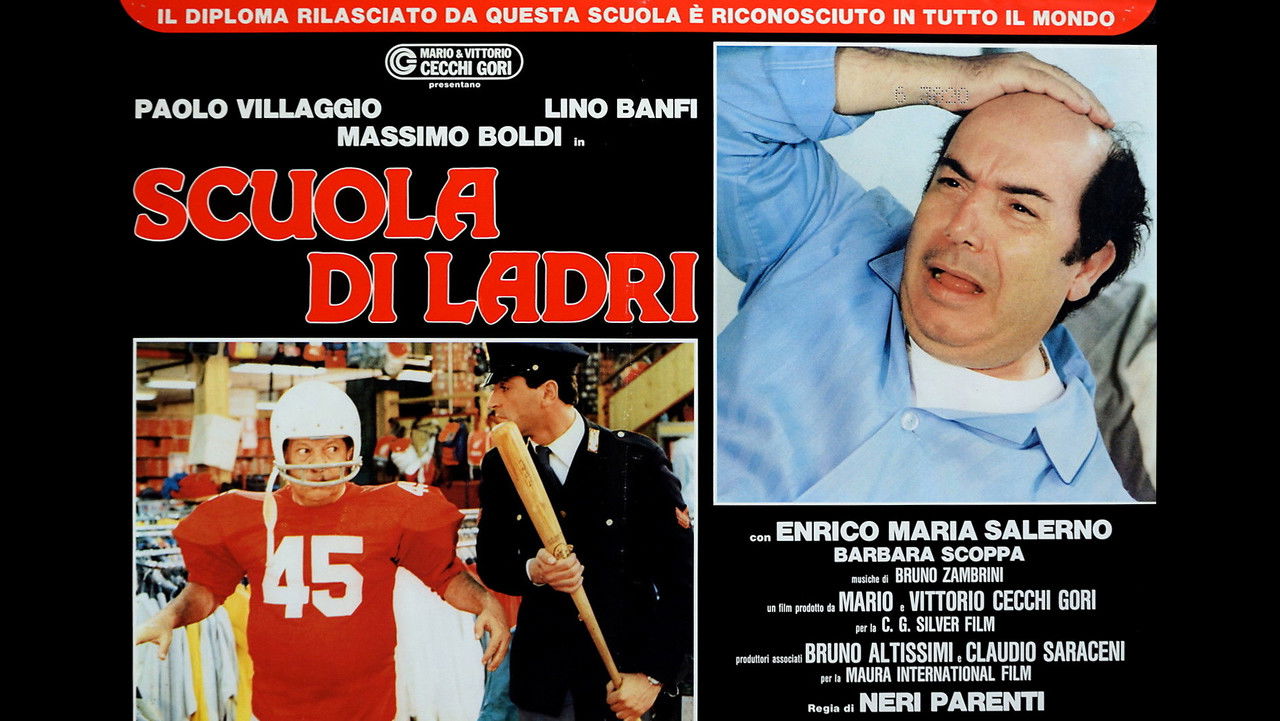
It’s fascinating to think that this film was a massive hit in Italy. Reportedly pulling in significant box office lira, Scuola di Ladri tapped directly into the public's affection for its leading men. Villaggio, Banfi, and Boldi were household names, and seeing them together was an event. The film's success even led to a direct sequel, Scuola di ladri - Parte seconda, released just a year later in 1987, reuniting the core cast (minus Banfi, replaced by Johnny Dorelli). While maybe not a global phenomenon, its domestic popularity speaks volumes about the specific comedic tastes it catered to.
### More Than Just Slapstick?
Okay, maybe not much more, but the film isn't entirely without its charms beyond the physical comedy. There's a certain sweetness to the trio's burgeoning, reluctant camaraderie. They might be terrible thieves, but they're our terrible thieves. Enrico Maria Salerno adds a touch of class as the manipulative uncle, providing a perfect foil to the leads' incompetence. The locations, often showcasing Rome and its surroundings, add a layer of authentic Italian atmosphere that feels pleasantly nostalgic now. The score, often a jaunty synth-pop affair typical of the era, perfectly complements the manic energy on screen.
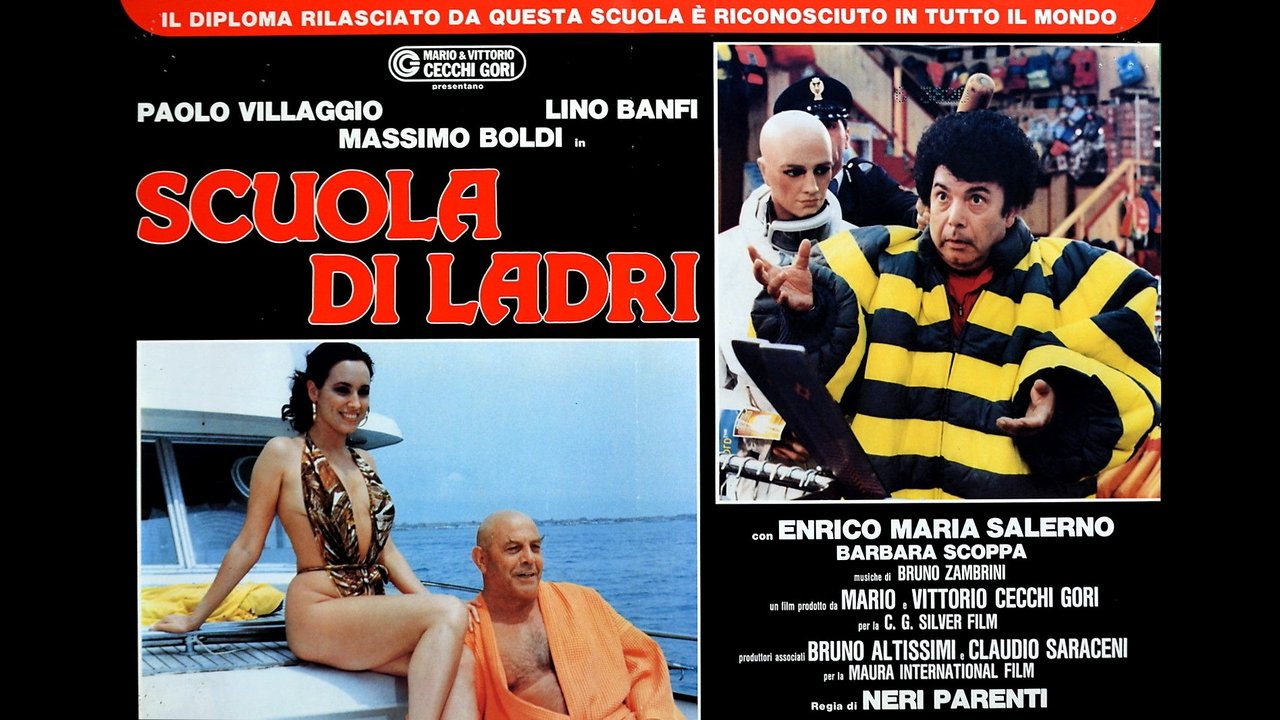
Does it hold up perfectly? Well, some of the humour is definitely broad, and the pacing can feel relentless, lurching from one set piece to the next. It’s very much a product of its time and place – mid-80s Italian popular cinema. But viewed through the lens of nostalgia, or simply as an example of a specific comedic tradition, it’s incredibly endearing. I remember renting this one on a whim, drawn by the goofy cover art, and being genuinely surprised by how much I laughed. It wasn't sophisticated, but it was fun.
***
VHS Heaven Rating: 6.5/10
Justification: Scuola di Ladri earns its score through the sheer comedic force of its legendary leads and its commitment to old-school, physical slapstick. While the plot is thin and the humour broad, the chemistry between Villaggio, Banfi, and Boldi is undeniable, and the film serves as a perfect time capsule of popular Italian comedy from the 80s. It loses points for its repetitive gags and lack of real depth, but gains them back for its nostalgic charm and genuinely funny moments of ineptitude. It delivered exactly what it promised: laughs, silliness, and three masters of Italian comedy bouncing off each other.
Final Thought: Forget intricate plots; this is pure, unadulterated 80s Italian farce, best enjoyed with adjusted expectations and maybe a fuzzy memory of the video store shelf. It’s the kind of chaotic comedy energy that feels wonderfully analogue in our digital age.