Okay, fellow tapeheads, let’s rewind to that glorious feeling: scanning the comedy shelves at the local video store, maybe on a Friday night, looking for something… different. You bypass the usual Hollywood hits and stumble upon a slightly worn box, maybe with slightly garish cover art, featuring a familiar, perpetually exasperated face if you were lucky enough to catch dubbed European comedies on late-night TV or through specialty rentals. That face belongs to Italian comedy legend Paolo Villaggio, and the tape is 1989’s Ho Vinto la Lotteria di Capodanno, or as we might know it, I Won the New Year's Lottery. This isn't sophisticated satire, folks; this is pure, unadulterated, late-80s Italian slapstick chaos, and sometimes, that’s exactly what the VCR ordered.
### The Ultimate Unlucky Break
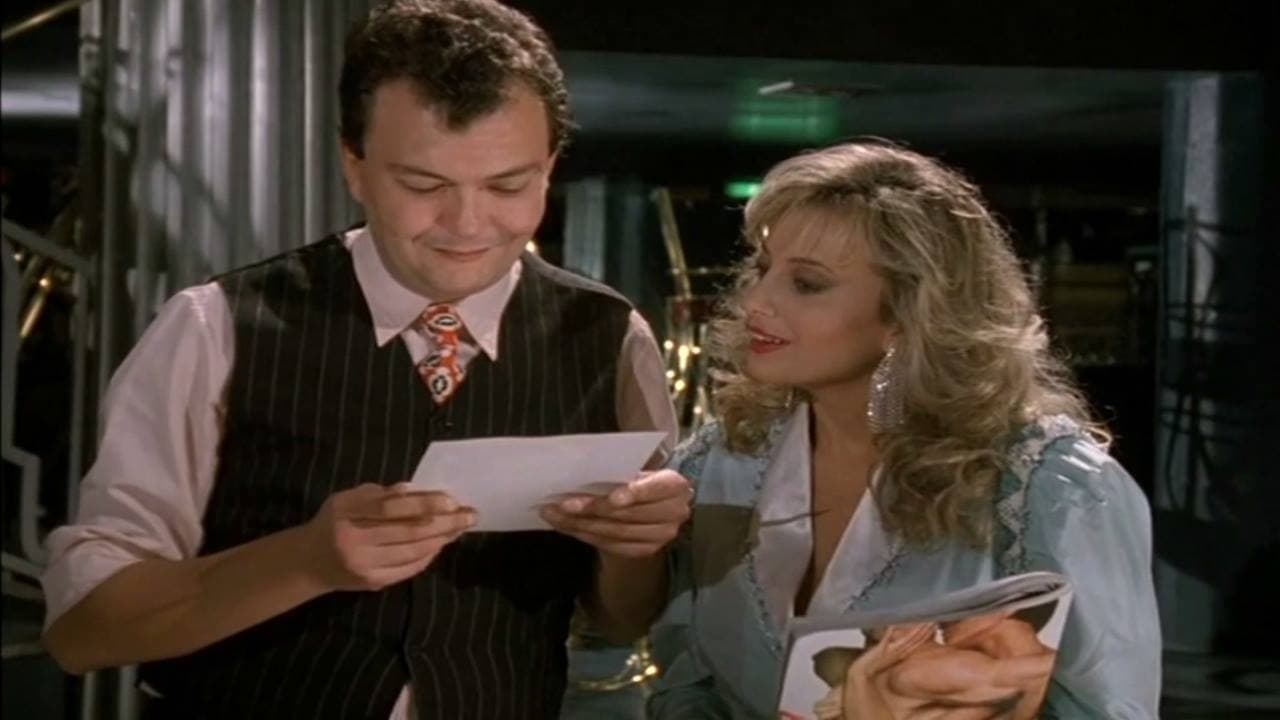
If you know Paolo Villaggio at all, you likely know him as Ragionier Ugo Fantozzi, the ultimate symbol of the put-upon, eternally unlucky Italian office drone. While I Won the New Year's Lottery isn't technically a Fantozzi film, Villaggio essentially ports over that same energy – the hangdog expression, the knack for finding disaster in triumph, the mastery of the physical gag. Here, he plays Paolo Ciottoli, a perpetually broke newspaper columnist reduced to writing the horoscope. On New Year's Eve, facing eviction and utter despair, a miracle happens: he wins the massive national lottery! His fortune is made! Except… in a moment of frazzled excitement mixed with characteristic misfortune, he promptly loses the winning ticket, stuck inside a suit jacket he just gave away. Cue 90 minutes of frantic, escalating desperation.
### Milanese Mayhem
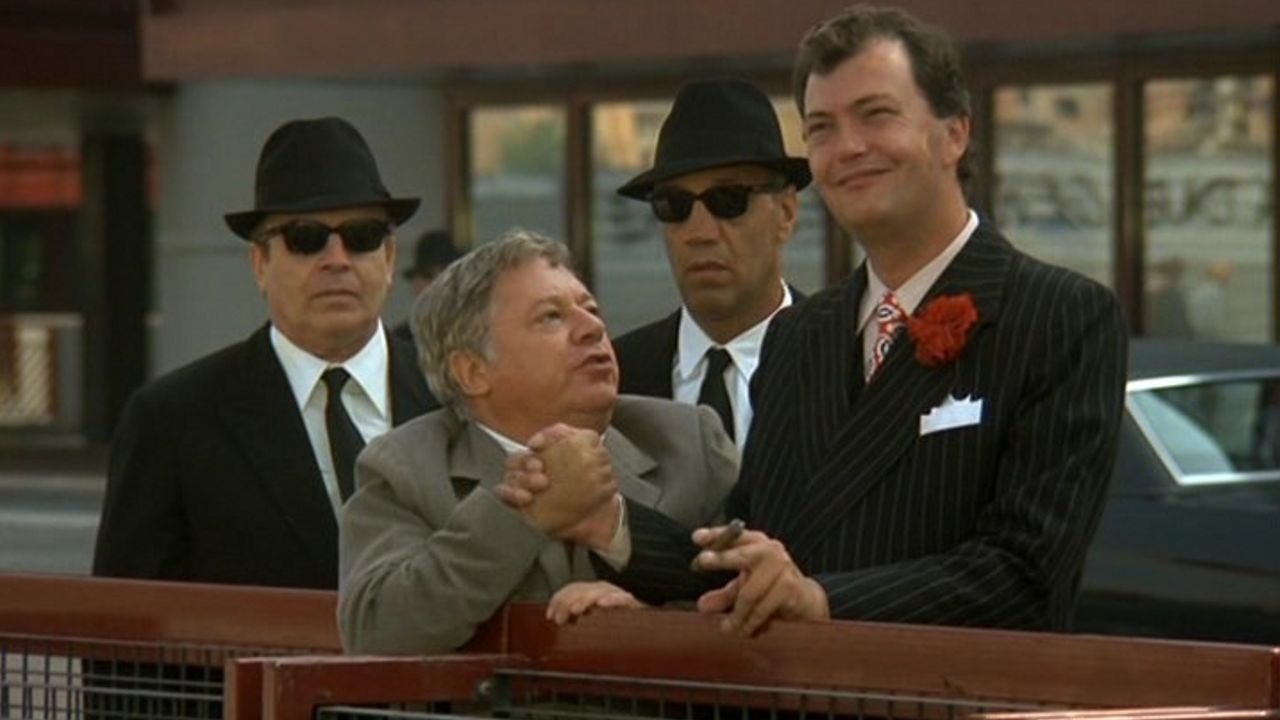
What follows is less a plot and more a series of increasingly absurd set pieces orchestrated by director Neri Parenti, a maestro of this specific brand of Italian comedic mayhem, who also directed Villaggio in several actual Fantozzi entries and many popular cinepanettoni (Christmas comedies). The film becomes a whirlwind tour of Milan as Ciottoli tries frantically to track down his lost jacket and the life-changing ticket within. Remember how grounded even the most outlandish stunts felt back then? This film leans heavily into that. We see Villaggio tumbling down stairs, getting tangled in ridiculous situations, and engaging in the kind of full-body physical comedy that requires commitment. There are no slick CGI fixes here; it’s all about the timing, the pratfalls, and Villaggio’s willingness to look utterly undignified in pursuit of a laugh. It's reported that Villaggio, even in his late 50s during filming, performed many of his own simpler tumbles and falls, adding a layer of authentic, slightly dangerous energy to the slapstick.
The chase takes us through recognizable Milanese landmarks, including the bustling Stazione Centrale and the elegant Galleria Vittorio Emanuele II – a nice touch seeing these iconic locations used as the backdrop for such low-brow panic. Parenti knows exactly how to build comedic tension through relentless pacing and piling misfortune upon misfortune. It's a formula, sure, but when executed with this kind of manic energy by a performer like Villaggio, it works.
### Familiar Faces and 80s Flavors
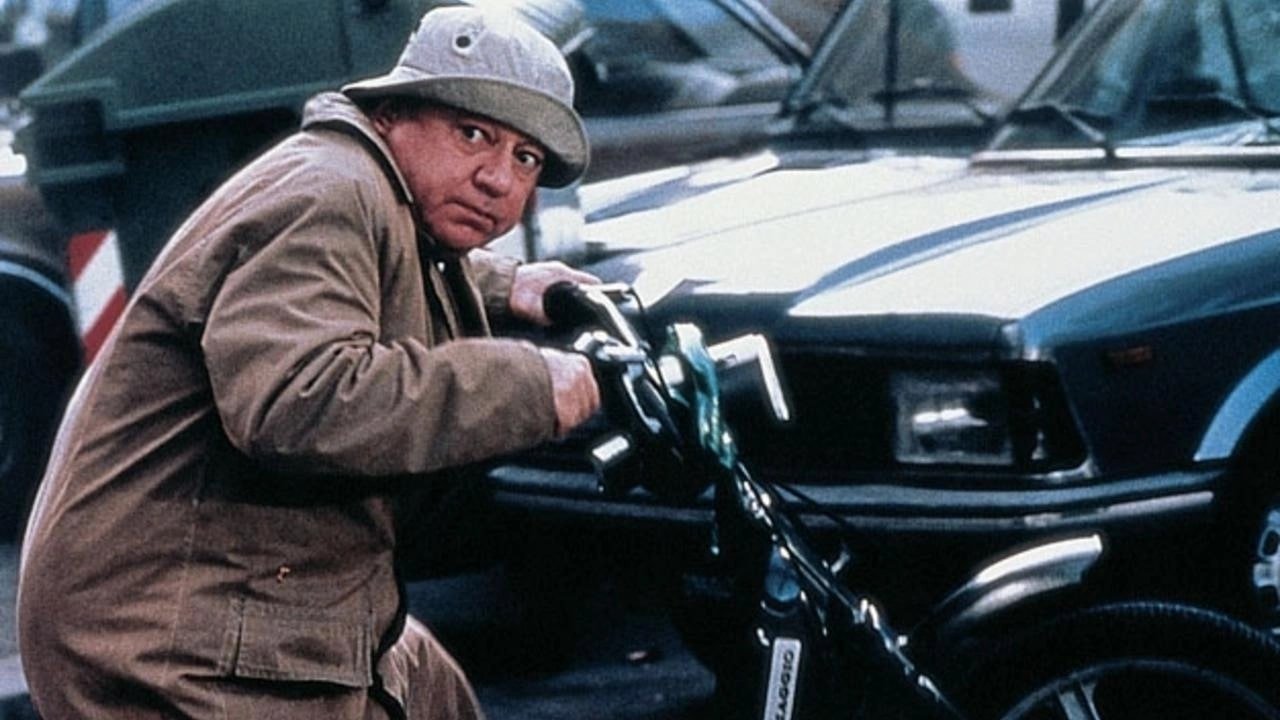
Part of the charm for audiences at the time, especially in Italy, was the familiarity. Alongside Villaggio, we have the wonderful Milena Vukotic, often cast as Fantozzi's beleaguered wife Pina, appearing here in a supporting role, adding to that comfortable comedic universe. Camillo Milli, another familiar face from Italian comedies of the era, also turns up. The film itself is drenched in late-80s aesthetics – the slightly oversized suits, the chunky briefcases, the very specific interior design choices. It’s a time capsule, capturing a particular moment in Italian popular cinema.
These films were often made relatively quickly and on modest budgets compared to Hollywood blockbusters. They weren't aiming for critical acclaim; they were aiming squarely at providing popular entertainment, leveraging Villaggio's immense star power. In Italy, Ho Vinto la Lotteria di Capodanno was reportedly quite successful, as expected. Critics might have shrugged, but audiences turned up for the guaranteed dose of Villaggio’s signature suffering-and-slapstick routine. It’s the kind of movie that played endlessly on Italian television for years after its release.
### The Verdict on This Winning (or Losing?) Ticket
So, how does I Won the New Year's Lottery hold up after popping it out of its cardboard sleeve and into the VCR of your mind? It depends on your appetite for broad, repetitive, but undeniably energetic physical comedy. The plot is thinner than Ciottoli's wallet pre-lottery, and the humor is entirely reliant on Villaggio's masterful portrayal of escalating panic and misfortune. Some gags land better than others, and the pacing can feel relentless, occasionally bordering on exhausting.
Yet, there’s an undeniable charm here. It's a film completely unpretentious about its goals: make the audience laugh through sheer comedic desperation. Villaggio is a unique talent, capable of conveying immense pathos even amidst the most ridiculous scenarios. Seeing him navigate this gauntlet of bad luck has a certain cathartic appeal, especially if you've ever felt like the universe was conspiring against you (though hopefully not involving a multi-million lire lottery ticket!). It’s a prime example of a specific type of European popular comedy that rarely gets made anymore, at least not with this kind of raw, physical commitment.
Rating: 6.5/10
Justification: The score reflects the film's success as a vehicle for Paolo Villaggio's specific comedic talents and its status as a solid example of late-80s Italian slapstick. It delivers exactly what it promises – frantic energy and physical comedy – though its repetitive nature and thin plot keep it from reaching classic status. It earns points for Villaggio's performance, Neri Parenti's energetic direction, and its nostalgic charm.
Final Thought: For a pure, uncut dose of late-VHS era Italian farce, powered by one of the masters of making misfortune funny, I Won the New Year's Lottery is a frantic, goofy reminder of a time when comedy chaos felt refreshingly physical and delightfully uncomplicated. Just try not to lose the tape behind the couch.