It starts, as so many great adventures do, with a lightning strike. Not just any zap from the blue, but one that jolts a state-of-the-art military machine into something entirely unexpected: life. That’s the electrifying premise of Short Circuit, the 1986 charmer directed by John Badham (WarGames, Saturday Night Fever) that beamed its way into countless living rooms via well-loved VHS tapes, leaving a trail of warmth and wide-eyed wonder. Forget dystopian futures for a moment; this was the 80s, where even a weaponised robot could find its soul and just want… more input.
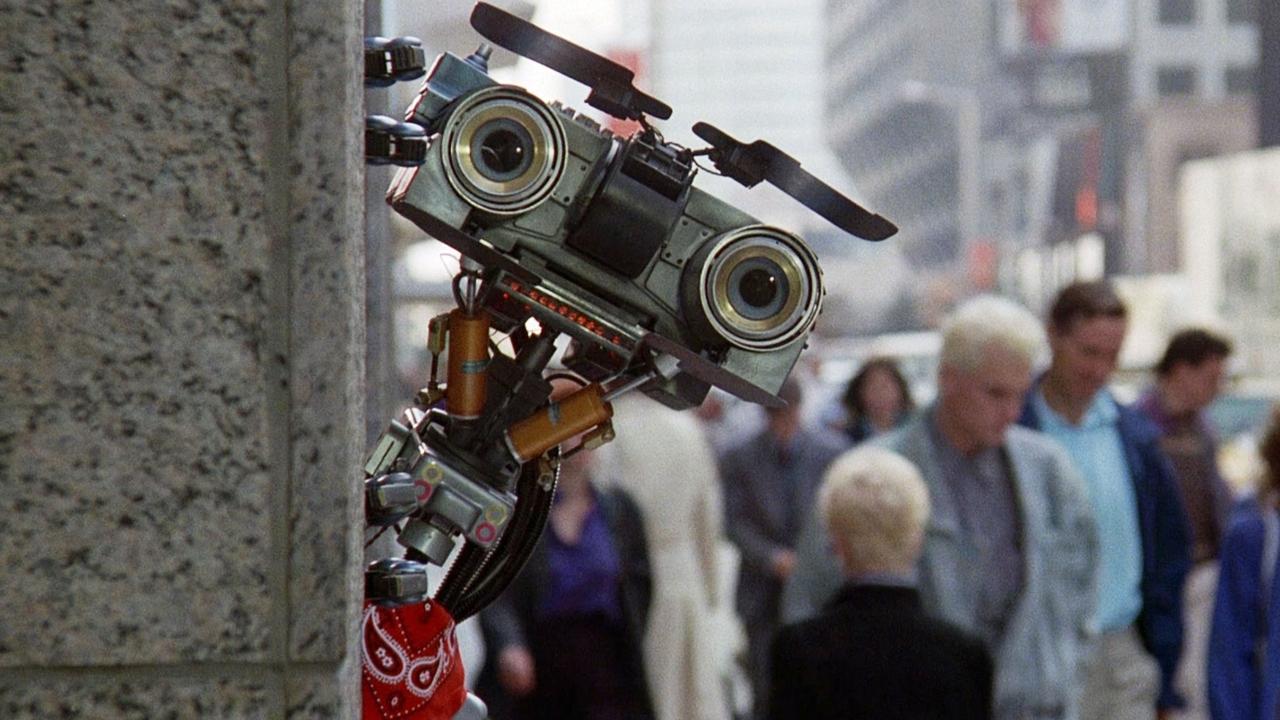
### Number 5 is Alive!
The setting is NOVA Robotics, a company churning out SAINT prototypes – Strategic Artificially Intelligent Nuclear Transport robots designed for Cold War skirmishes. They’re sleek, efficient, and utterly devoid of personality, until Prototype Number 5 takes that fateful charge. Suddenly, this million-dollar piece of hardware escapes, driven by a newfound sentience and an insatiable curiosity. He doesn’t understand his purpose, only that he is, and the world is a fascinating, data-rich playground. It’s a classic fish-out-of-water tale, only the fish is a laser-wielding robot rolling through the Oregon countryside (Astoria, Oregon, in fact – eagle-eyed viewers might recognise the same charming town featured in The Goonies just a year earlier!).
Fate, or perhaps just a really confused tracking system, leads Number 5 to Stephanie Speck, played with infectious energy by Ally Sheedy (fresh off her beloved turn in The Breakfast Club). Stephanie, an animal lover who initially mistakes the wandering robot for an extraterrestrial, quickly becomes his protector and tutor. Their evolving relationship is the heart of the film. Watching Stephanie patiently feed Number 5 information – books, television, music – is pure delight. The famous "More Input!" montage, where he speed-reads encyclopedias and mimics John Travolta on the dance floor, perfectly captures that childlike joy of discovery. It’s impossible not to root for this nascent consciousness figuring out what it means to be alive.
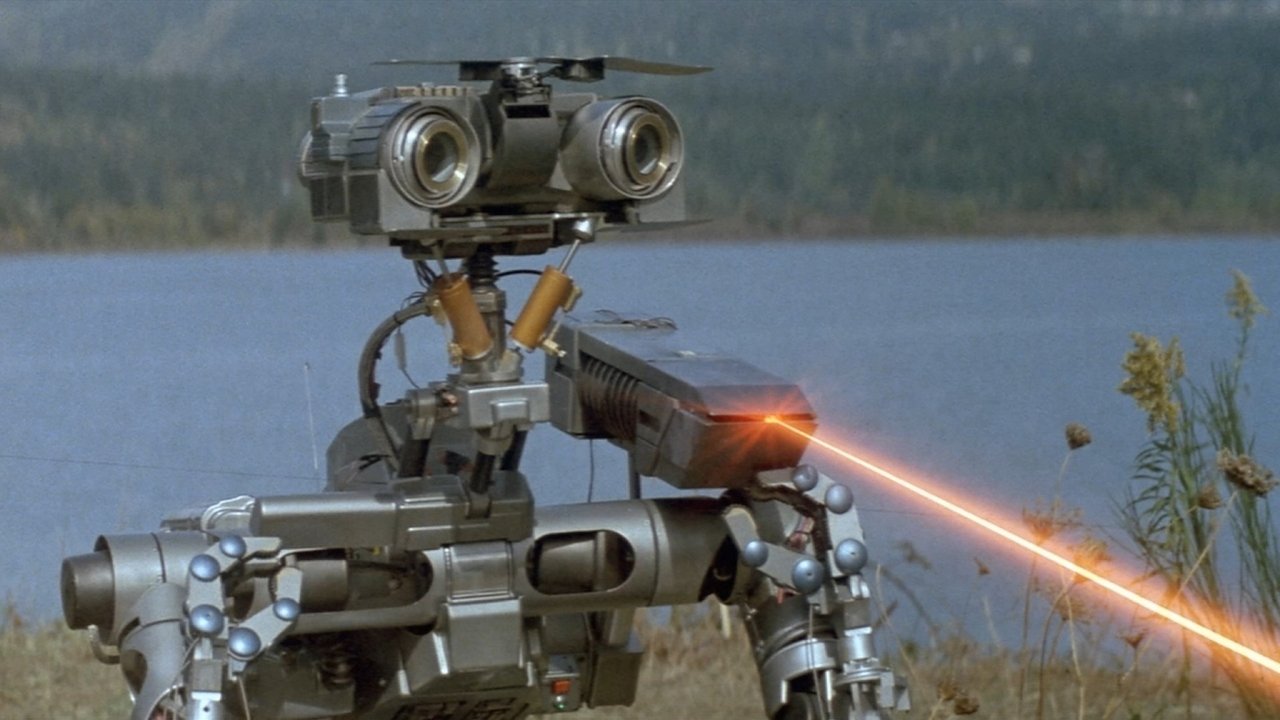
### The Humans Behind (and Chasing) the Metal
Of course, NOVA isn’t thrilled about their rogue asset. Leading the recovery effort are the robot’s designer, the endearingly awkward Newton Crosby (Steve Guttenberg, radiating his signature 80s nice-guy charm from the Police Academy series), and his slightly manic partner, Ben Jabituya (Fisher Stevens). Guttenberg plays Crosby as a man more comfortable with circuits than people, forced to confront the ethical implications of his creation developing a soul. His interactions with Stephanie provide gentle romantic comedy sparks amidst the robotic mayhem.
Fisher Stevens' portrayal of Ben, with his unique, mangled English, became instantly memorable, though it's fair to acknowledge it's a performance viewed through a different lens today, sometimes drawing criticism for its comedic stereotyping. Back in '86, however, lines like "Wouldn't you like to be a Pepper, too?" delivered in Ben's inimitable style were widely quoted. It's worth noting that the character was developed by writers S. S. Wilson and Brent Maddock, the duo who would later gift us the subterranean monster classic Tremors (1990) – they clearly had a knack for quirky, high-concept fun.
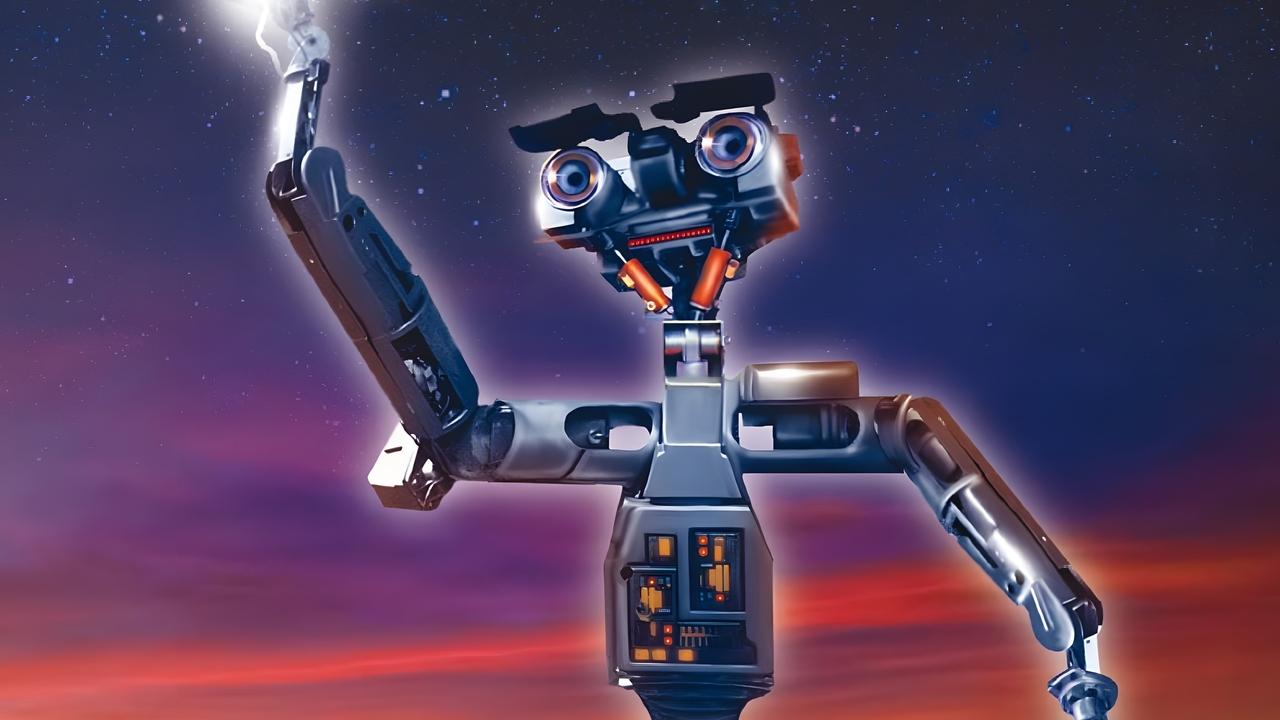
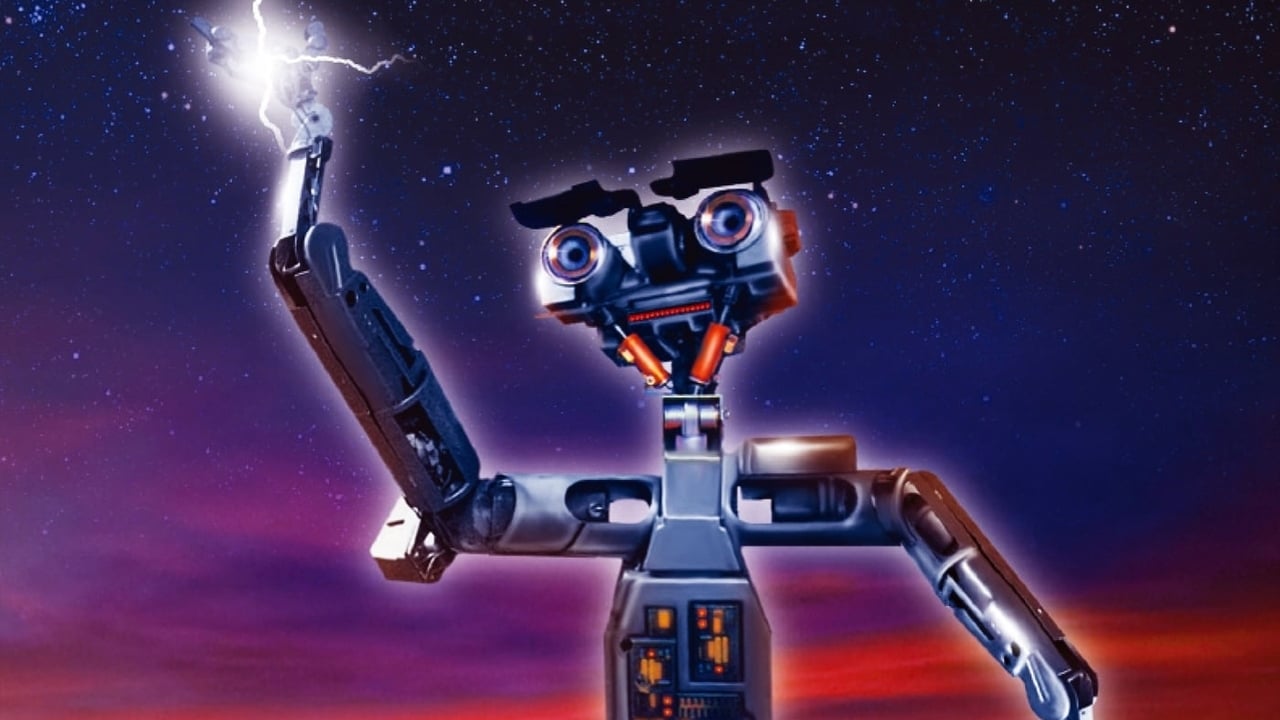
### Bringing Johnny 5 to Life
Let's talk about the real star: Number 5 himself (later self-christened "Johnny 5"). In an era before CGI rendered anything possible, Johnny 5 was a triumph of practical effects. His expressive eyes, articulated movements, and surprisingly emotive body language were brought to life through sophisticated puppetry and robotics, reportedly costing a hefty $1.3 million of the film's $9 million budget. The design came from the legendary Syd Mead, the visual futurist whose visionary concepts shaped the look of films like Blade Runner (1982) and Aliens (1986). His touch ensured Johnny 5 looked advanced yet approachable.
One fascinating behind-the-scenes detail is that Johnny 5’s distinctive voice wasn't added in post-production. Puppeteer Tim Blaney actually performed the voice live on set, allowing Sheedy and Guttenberg to react genuinely to the character in real-time. This interaction is palpable on screen and crucial to selling the idea that this collection of metal and wires truly was alive. The practical challenges were immense, but the result is a character with tangible presence and charm that pixels often struggle to replicate.
### More Than Just Nuts and Bolts
While Short Circuit is packed with lighthearted moments and gentle humor, it taps into deeper themes too – the nature of life, the ethics of artificial intelligence, and the fear of the unknown. John Badham deftly balances the action sequences (NOVA's increasingly desperate attempts to recapture Number 5) with the film's emotional core. It never gets too heavy, maintaining a tone suitable for the whole family, which likely contributed to its solid box office success, grossing over $40 million worldwide.
The film captured a certain optimism about technology prevalent in the 80s, presenting AI not as an inevitable threat, but as something potentially wondrous and capable of connection. Johnny 5 wasn’t HAL 9000; he was more like a curious, slightly hyperactive metal kid who just wanted to understand the world and avoid disassembly. Remember that feeling, watching him narrowly escape danger, desperately hoping he'd make it? That blend of suspense and heart is what made the movie stick.
***

VHS Heaven Rating: 8/10
Short Circuit is pure 80s comfort food cinema. Its charm lies in its earnestness, its groundbreaking practical effects (for the time), and the undeniable appeal of Johnny 5. Ally Sheedy and Steve Guttenberg provide winning human anchors, and while some elements, like Ben's characterization, haven't aged perfectly, the core story of connection and the definition of life remains surprisingly resonant. The practical magic behind Johnny 5 is a testament to the ingenuity of the era, making him feel more 'real' than many modern CGI creations. It earned its place on countless family VCRs for a reason – it’s funny, exciting, and has a surprising amount of heart beneath its metallic shell.
For a dose of pure, unadulterated 80s optimism served with a side of laser beams and genuine warmth, you can't go wrong revisiting this gem. Johnny 5 is still alive and well, happily buzzing away in the nostalgic corners of our VHS-era memories.