It wasn't just another Tuesday afternoon glued to Cartoon Network; the arrival of Dexter's Laboratory: Ego Trip felt like an event. Premiering in 1999, this wasn't your standard 22-minute dose of boy-genius antics and sibling rivalry. This was the feature-length culmination (or so we thought at the time!) of everything we loved about Dexter's world, promising a grand adventure through time itself. For many of us who caught it back then, maybe even on a lovingly taped VHS recording played until the magnetic strips wore thin, Ego Trip wasn't just a movie; it was a glimpse into the future, both literally for Dexter and perhaps figuratively for the ambition of television animation.
Beyond the Secret Door
At its core, Dexter's Laboratory always thrived on a simple, brilliant premise: a diminutive super-genius, voiced with iconic nasal intensity by the late, great Christine Cavanaugh (who also gave voice to Chuckie Finster in Rugrats and the titular pig in Babe), operates a colossal secret lab under his suburban home, constantly thwarted by his bubbly, destructive older sister, Dee Dee (Kat Cressida), and his arch-nemesis, Mandark (Jeff Bennett). Ego Trip, penned by series creator Genndy Tartakovsky along with Chris Savino, Amy Keating Rogers, and John McIntyre, takes this dynamic and blasts it across the decades. After easily dispatching some brainless robots sent by Mandark, Dexter uses his newly perfected Neurotomic Protocore to peek into his future, expecting to see the universally adored hero who saved humanity. What he finds instead is... complicated.
A Future Full of Dexters (and Mandarks)
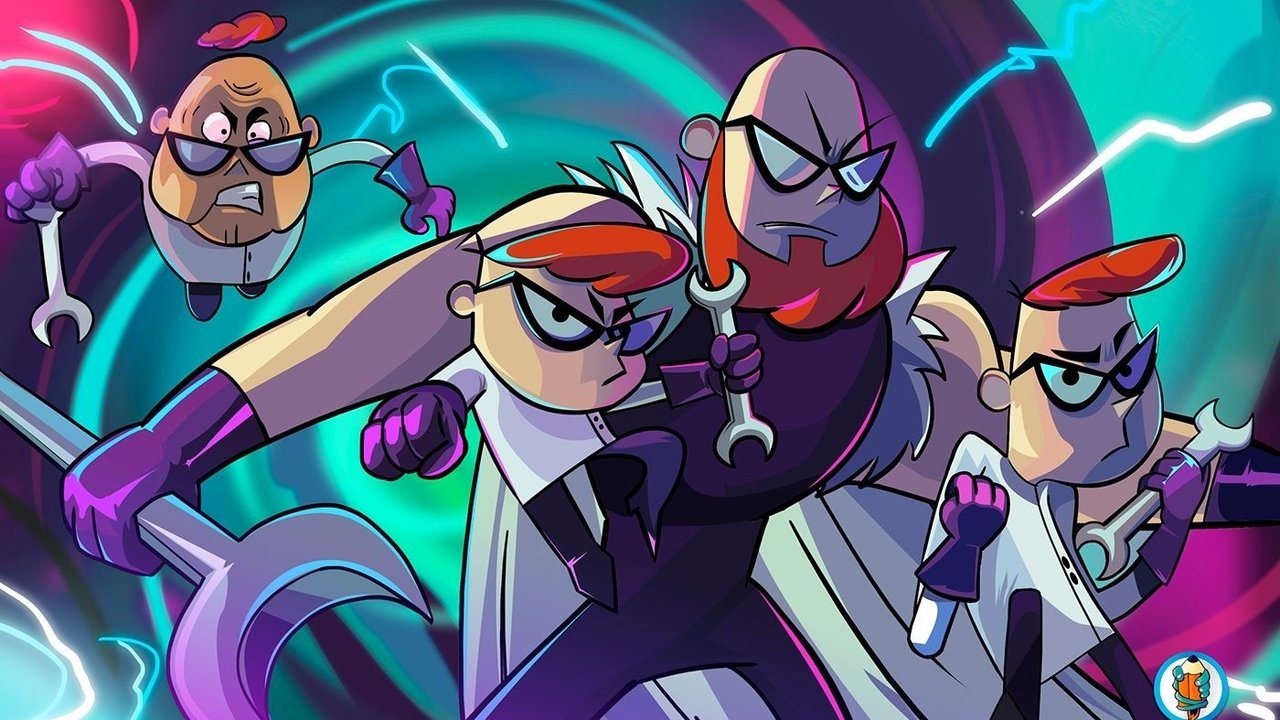
The genius of Ego Trip lies in its central conceit. Dexter travels forward only to find different versions of his future self: a lanky, ineffective cubicle drone; a still-brilliant but paunchy and jaded middle-aged Dexter; and finally, a wizened, cybernetically enhanced elder Dexter still battling Mandark. It’s a brilliantly conceived character study wrapped in a time-travel romp. The humor isn't just in the slapstick (though there's plenty of that) but in Dexter confronting the less-than-glorious realities of his potential futures. Each future Dexter is a distinct personality, yet recognizably Dexter, reflecting different facets of his ego, intellect, and social awkwardness. The sheer delight of seeing multiple Dexters bickering and collaborating ("You calibrate the framistat while I reroute the secondary plasma conduit!") is pure Dexter's Lab gold, amplified on a larger scale.
Of course, where there's Dexter, there's Mandark. The plot cleverly weaves Mandark's own journey through time, revealing how he ultimately achieved global domination not through superior intellect, but by stealing Dexter's crowning achievement. This revelation adds a surprising layer of depth to their rivalry – it's not just about brains, but about ambition, ethics, and maybe a little bit of dumb luck. Jeff Bennett's Mandark voice, shifting from scheming rival to cackling overlord across the timelines, is a constant joy.
Tartakovsky's Vision Unleashed
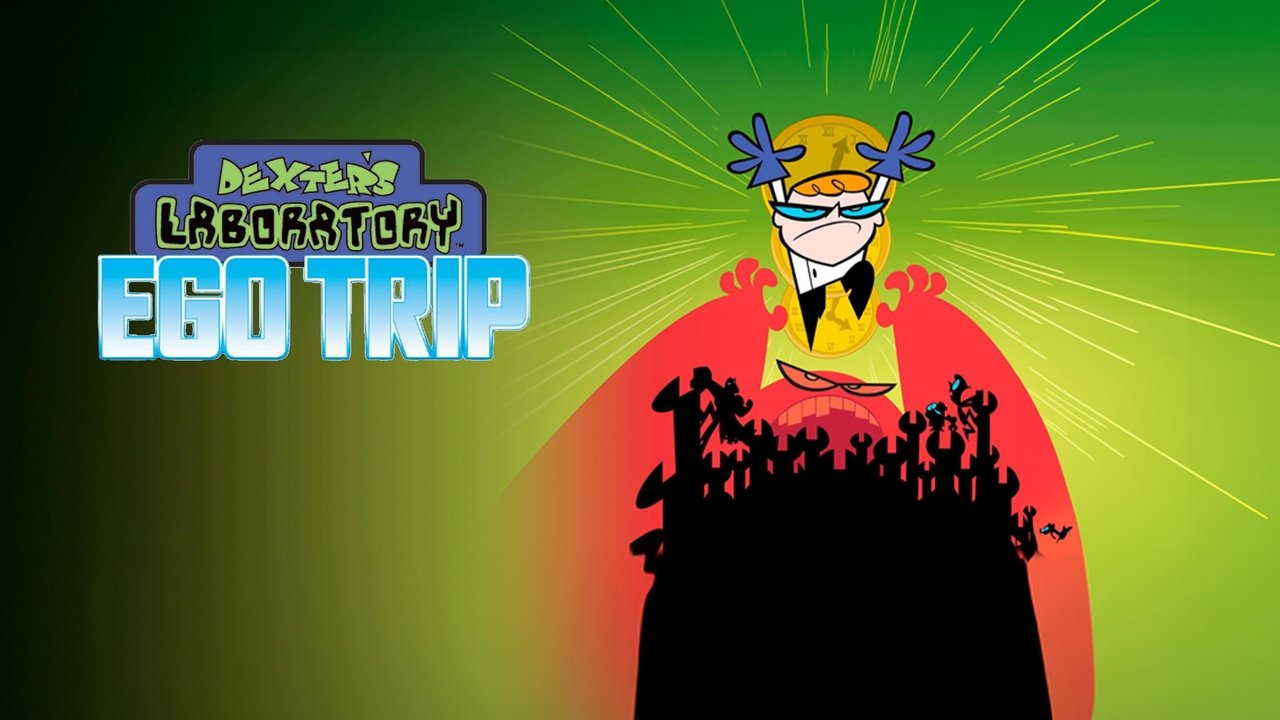
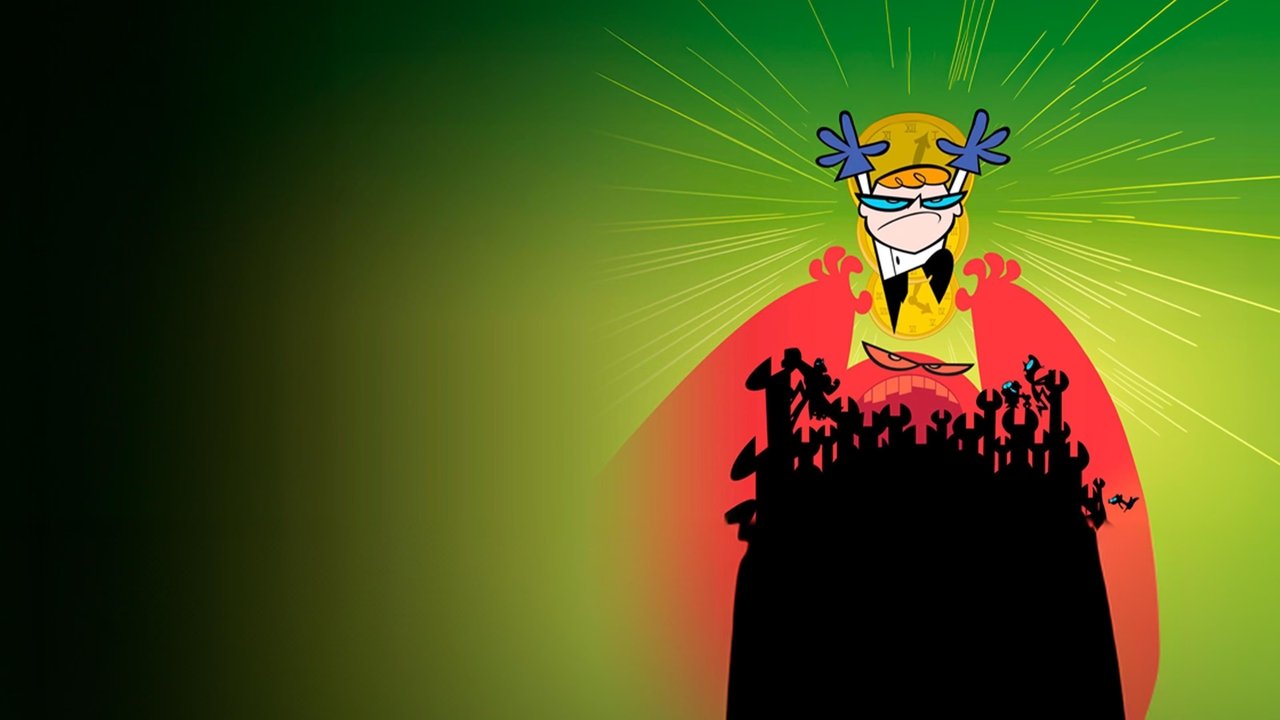
Visually, Ego Trip is pure Genndy Tartakovsky. Even in 1999, his signature style – sharp angles, bold lines, dynamic movement, and a flair for minimalist backgrounds that emphasize character action – was fully formed. This distinctive look, which he would later refine in masterpieces like Samurai Jack and Star Wars: Clone Wars (the good one, the 2D one!), gives Ego Trip a cinematic feel that elevates it beyond a typical TV episode. The action sequences, particularly the final confrontation involving all the Dexters and Mandarks, are fluid, inventive, and genuinely exciting. It moves with a confidence and visual punch that many theatrical animated features of the era lacked. One fun tidbit: the movie was actually Cartoon Network's first original TV movie, setting a precedent for future long-form animated specials from the network.
More Than Just 'Omelette du Fromage'
While Dexter's Lab often relied on brilliant sight gags and memorable catchphrases, Ego Trip dares to explore slightly more complex themes. Dexter's journey isn't just about seeing the future; it's about understanding the responsibility that comes with genius and the realization that saving the future isn't a solo act. The different future Dexters represent different paths – complacency, cynicism, and eventual wisdom gained through struggle. It asks, albeit in a typically hyperactive cartoon way, what truly matters: personal glory or the greater good? Seeing the frail, elderly Dexter impart wisdom to his younger selves adds a touch of unexpected poignancy. It’s still hilarious, but there’s a surprising bit of heart beating beneath the giant robot battles.
The Verdict from the Lab
Dexter's Laboratory: Ego Trip remains a high point not just for the series, but for late 90s television animation. It took the characters and world we knew and expanded them brilliantly, delivering a funny, action-packed, and surprisingly thoughtful adventure. The animation is sharp, the voice acting is spot-on, and the time-travel plot is executed with creativity and flair. It perfectly captured the blend of scientific absurdity and relatable character dynamics that made the show a classic. While the series would later be revived for more seasons with some changes, Ego Trip arguably served as the perfect, high-energy send-off for the original run, showcasing Dexter and his world at their absolute best. It felt like a genuine movie event beamed straight into our living rooms.
Rating: 9/10
This rating reflects Ego Trip's success as an ambitious TV movie special that perfectly expanded the Dexter's Lab universe. It delivered fantastic animation true to Tartakovsky's burgeoning style, clever writing that balanced humor with neat character arcs across time, and memorable voice performances. It hit all the right notes for fans while feeling genuinely bigger than a standard episode, justifying its feature length. A true gem from the Cartoon Network archives.
Rewatching Ego Trip is like finding a perfectly preserved schematic for fun – intricate, inventive, and guaranteed to spark a little nostalgic joy in your own internal protocore.