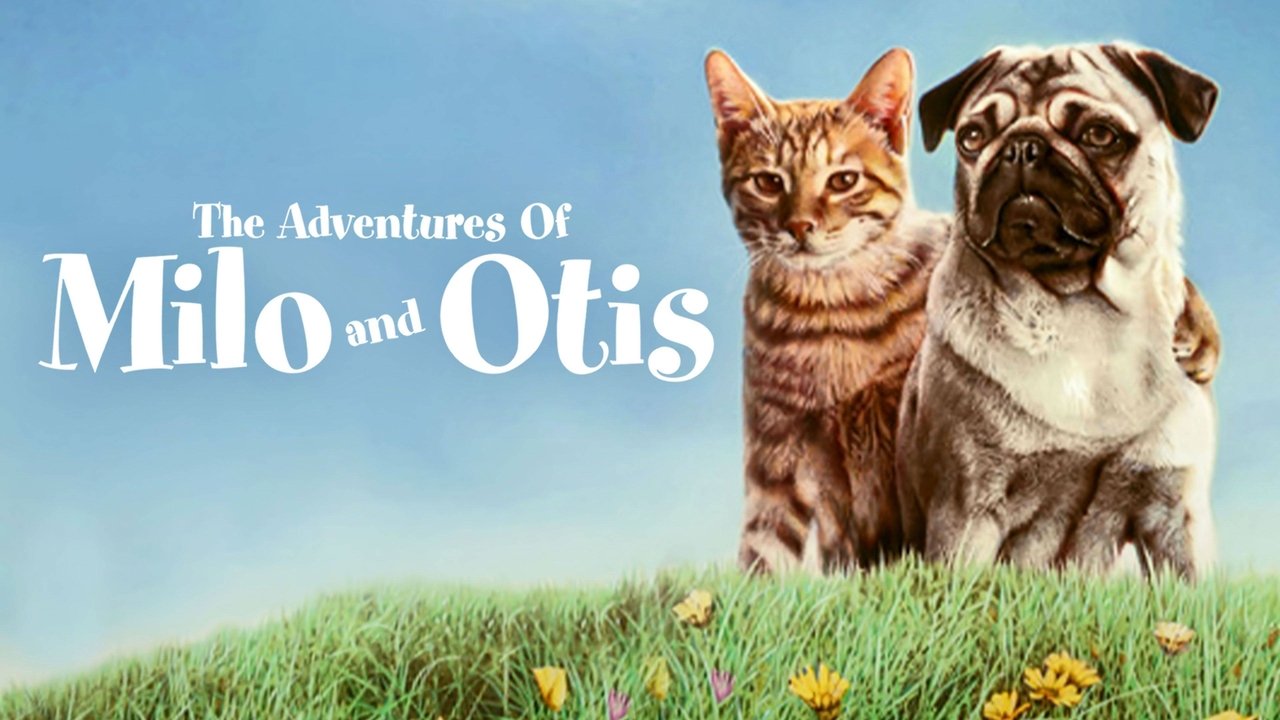
Okay, grab your favourite comfy spot on the couch, maybe picture that old wood-panelled TV set flickering to life. Remember those movies that felt less like plotted stories and more like pure, unfiltered glimpses into another world? That's the territory we're wandering into today with a film that’s as unique as it is utterly charming (and, admittedly, carries a bit of baggage we’ll touch on): the 1986 animal odyssey, The Adventures of Milo and Otis. Or perhaps you first encountered it under its original Japanese title, Koneko Monogatari (A Kitten's Story).

### A Friendship Forged in Fur
Forget intricate plots and complex character arcs. Milo and Otis strips filmmaking down to one beautifully simple concept: follow a curious orange tabby kitten named Milo and his devoted pug companion, Otis, as they get separated and embark on individual, often perilous, journeys through the stunning Japanese countryside before finding their way back to each other. It’s a premise so straightforward it feels almost like a nature documentary that accidentally stumbled into a fairytale narrative. Directed by Masanori Hata, a zoologist whose passion for the animal kingdom permeates every frame, the film relies almost entirely on the captivating (and sometimes unbelievable) actions of its animal stars.
The magic, especially back in the day, lay in the sheer how of it all. We see Milo accidentally tumble into a box and float downriver, encounter grumpy bears, dodge swooping seagulls, and navigate treacherous terrain. Otis, ever loyal, trots along riverbanks, faces his own challenges, and never gives up the search. Guiding us through this gentle saga is the unmistakable, warm, and slightly whimsical narration of Dudley Moore, fresh off his peak fame from films like Arthur (1981). His voice adds a layer of storybook charm, anthropomorphizing the animals just enough to make their plight relatable without tipping into outright cartoonishness. It was screenwriter Mark Saltzman (yes, the very same who penned many beloved Sesame Street segments!) who adapted Hata's vision and crafted the English narrative, giving it that familiar, comforting feel.
### The Unseen Journey: Behind the Cuteness
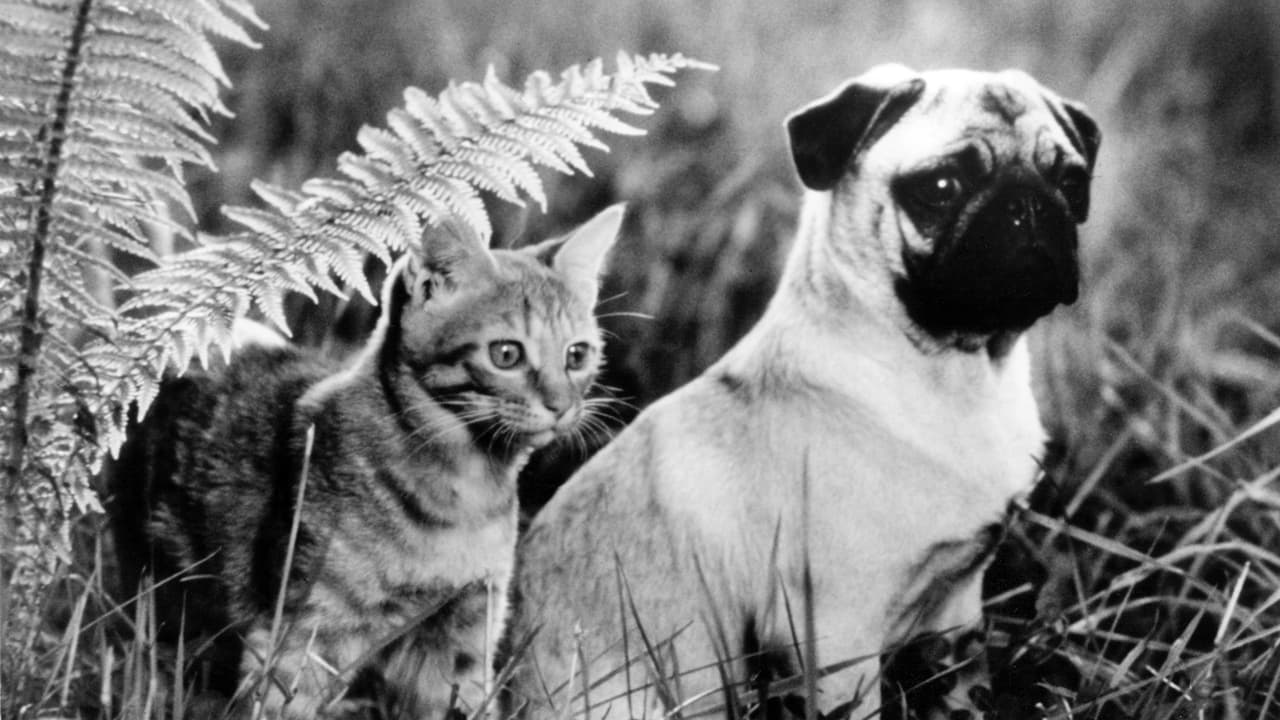
Watching Milo and Otis today feels like stepping back into a different era of filmmaking, one where patience and practical ingenuity (perhaps taken to extremes) were paramount. This wasn't knocked out in a few months. Word is the production spanned four years (some sources even suggest closer to seven!), much of it filmed on Masanori Hata's own sprawling animal sanctuary farm in Hokkaido, Japan. Imagine the dedication required to capture these moments – a kitten batting at a fish, a pug trying to climb a rocky incline, the delicate interactions between predator and prey (often framed with surprising gentleness). The commitment to capturing real animal behaviour, albeit carefully curated and edited, resulted in footage that often felt genuinely breathtaking on those old CRT screens. It became a colossal hit in Japan upon its 1986 release, earning roughly the equivalent of $47 million USD – a staggering amount for a film of its kind. Its US release in 1989, aided by Dudley Moore's star power, brought in a more modest but still respectable $13.3 million.
Now, we have to address the elephant (or perhaps, the bear?) in the room. Over the years, Milo and Otis has become associated with allegations of animal cruelty during its lengthy production in Japan. Rumours circulated about the treatment of the animal actors, particularly concerning the number of kittens supposedly used and the nature of some of the stunts depicted. While Columbia Pictures, the US distributor, stated that the American Humane Association supervised the editing and found no issues in the footage they saw, the AHA couldn't oversee the original Japanese filming process years earlier. It’s a shadow that undeniably hangs over the film's legacy, and it’s something modern viewers, quite rightly, often grapple with. It forces a conversation about filmmaking practices then versus now, and how our awareness and standards have evolved. Acknowledging this doesn't necessarily erase the childhood affection many hold for the film, but it adds a complex and necessary layer to revisiting it.
### A Different Kind of Adventure Tape
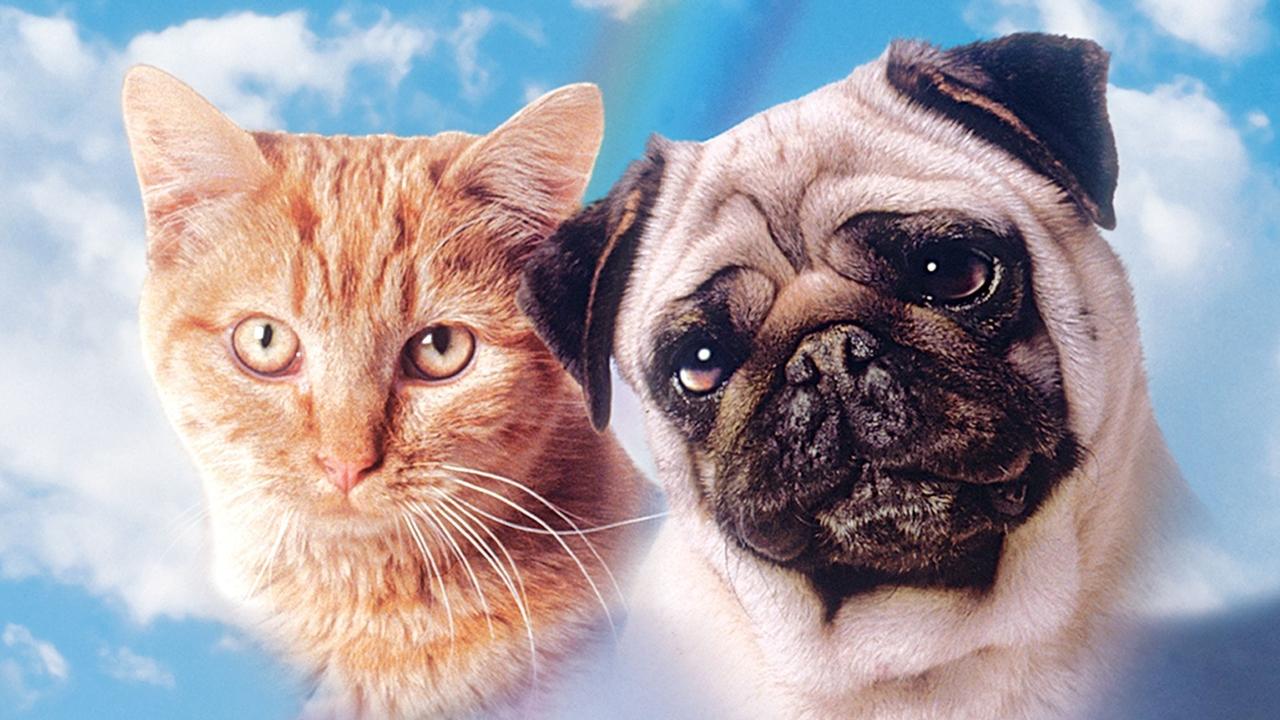
Despite the production controversies that later surfaced, for many who rented that iconic VHS tape back in the late 80s or early 90s, Milo and Otis was pure magic. It tapped into that universal childhood fascination with animals and the wild. There were no explosions, no car chases, just the quiet drama of survival and friendship played out by creatures we usually only see curled up on our own sofas. Remember watching Milo navigate the world from his low-to-the-ground perspective? Or Otis's unwavering, slightly dopey loyalty? These weren't actors pretending; they were animals being (or so it seemed), and that felt incredibly special.
The film’s gentle pacing and focus on the natural world offered a stark contrast to the hyperactive cartoons and action flicks often vying for VCR time. It had moments of genuine tension – the bear scene always got my heart pounding as a kid! – but it was cushioned by an overarching sweetness and the comforting presence of Dudley Moore's voice assuring us things would likely turn out okay. It wasn't about flashy effects; the 'special effect' was the seemingly impossible orchestration of animal behaviour, captured beautifully against the backdrop of changing seasons.
### The Verdict
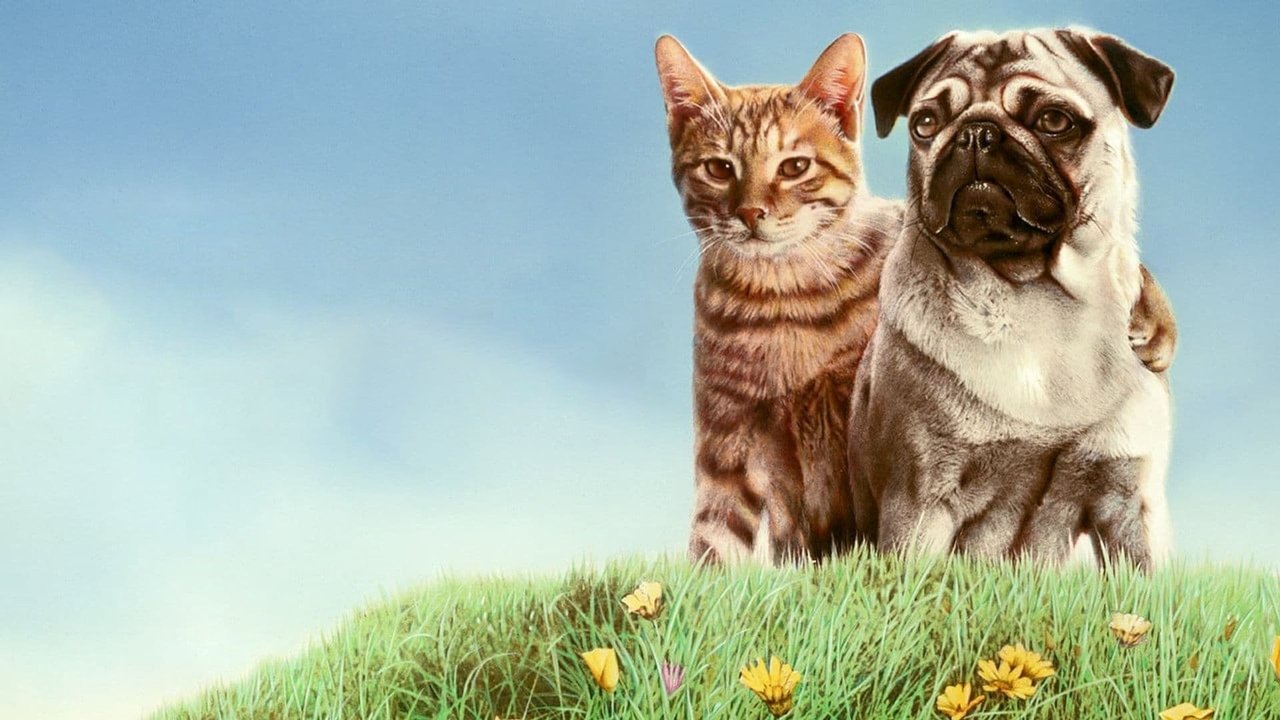
The Adventures of Milo and Otis remains a unique entry in the annals of family filmmaking. Its simple story, stunning natural cinematography, and the undeniable charm of its furry leads created a cinematic experience that resonated deeply with a generation. Dudley Moore's narration is the perfect cozy blanket wrapped around the whole affair. However, the historical context of its production and the unresolved questions surrounding animal welfare during filming are impossible, and irresponsible, to ignore. It complicates the nostalgia, prompting reflection alongside the reminiscence. For its ambition, its gentle spirit, and the sheer wonder it evoked on first viewing, tempered by the unavoidable production concerns that cloud its history...
Rating: 6/10
The score reflects the undeniable charm and nostalgic pull for many, and the technical achievement of capturing the animal footage, balanced against the serious and valid concerns regarding its production methods which cannot be overlooked. It’s a film that invites warmth and wonder, but also demands a more critical, modern eye when looking back.
It truly was a different kind of adventure, wasn't it? One measured in paw prints and river currents, a quiet epic tucked away on countless well-loved VHS tapes.