Homeward Bound II: Lost in San Francisco
Okay, grab your favourite comfy armchair, maybe pour yourself something retro like a Hi-C Ecto Cooler if you could somehow magic one into existence, because we're rewinding the tape to 1996 for a trip back to the world of talking pets with Homeward Bound II: Lost in San Francisco. If the first film was a warm blanket of wilderness adventure, this sequel felt like grabbing that same blanket and heading straight into the hustle and bustle of a bustling metropolis.
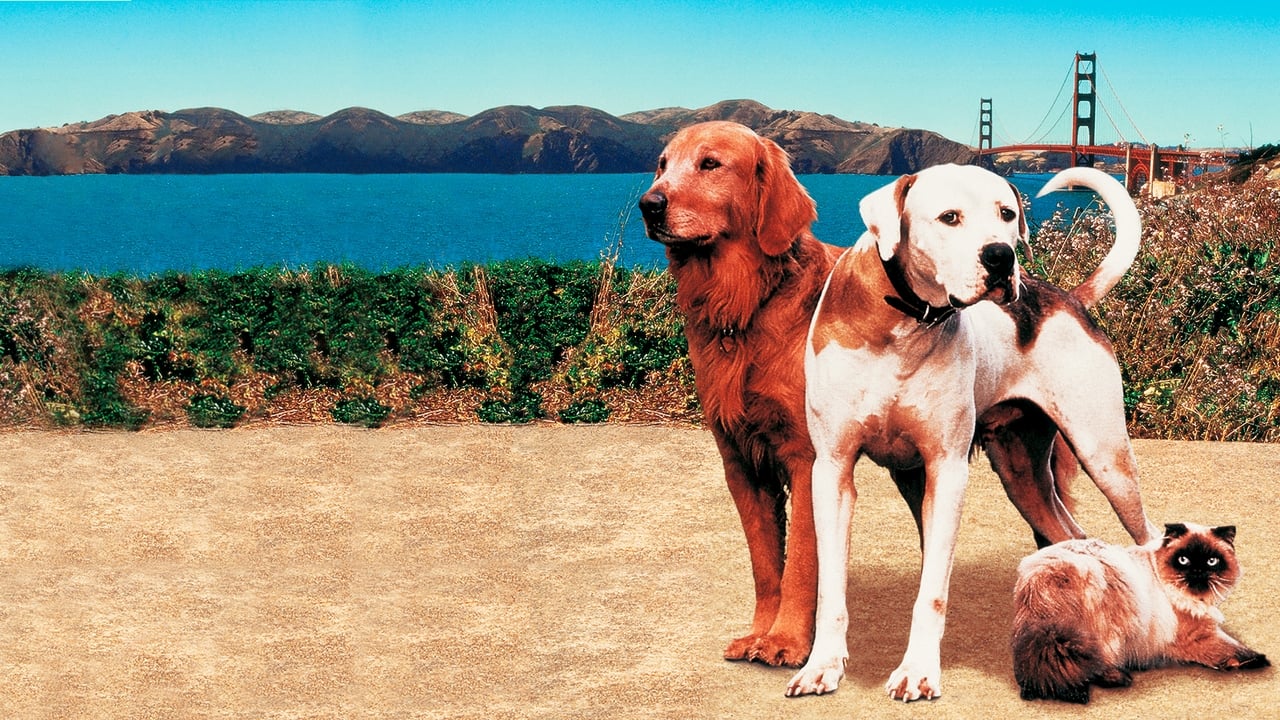
Remember the collective sigh of relief when Shadow, Chance, and Sassy made it home at the end of The Incredible Journey (the 1993 remake that kickstarted this specific iteration)? Well, apparently, these critters just can't resist a cross-country detour. This time, instead of majestic mountains and sprawling forests, our furry trio finds themselves accidentally separated from their beloved Seaver family (Robert Hays of Airplane! fame and Kim Greist, memorable from Manhunter) during a chaotic airport transfer en route to a Canadian vacation. Suddenly, the Golden Gate Bridge looms larger than any canyon, and cable cars present a whole new kind of peril.
### Paws on the Pavement
What immediately strikes you about Homeward Bound II is this very shift in scenery. Gone is the serene, almost timeless quality of the wilderness. San Francisco offers a vibrant, noisy, and often dangerous playground. It was a bold move, really, stepping away from the formula that made the first film such a heartwarming success. Director David R. Ellis, who would later carve out a niche in the thriller/horror genre with hits like Final Destination 2 (2003) and the delightfully absurd Snakes on a Plane (2006), handles the urban chaos competently here. There's a different energy – faster-paced, more reliant on near-misses with traffic and encounters with less-than-friendly city dwellers (both human and canine).
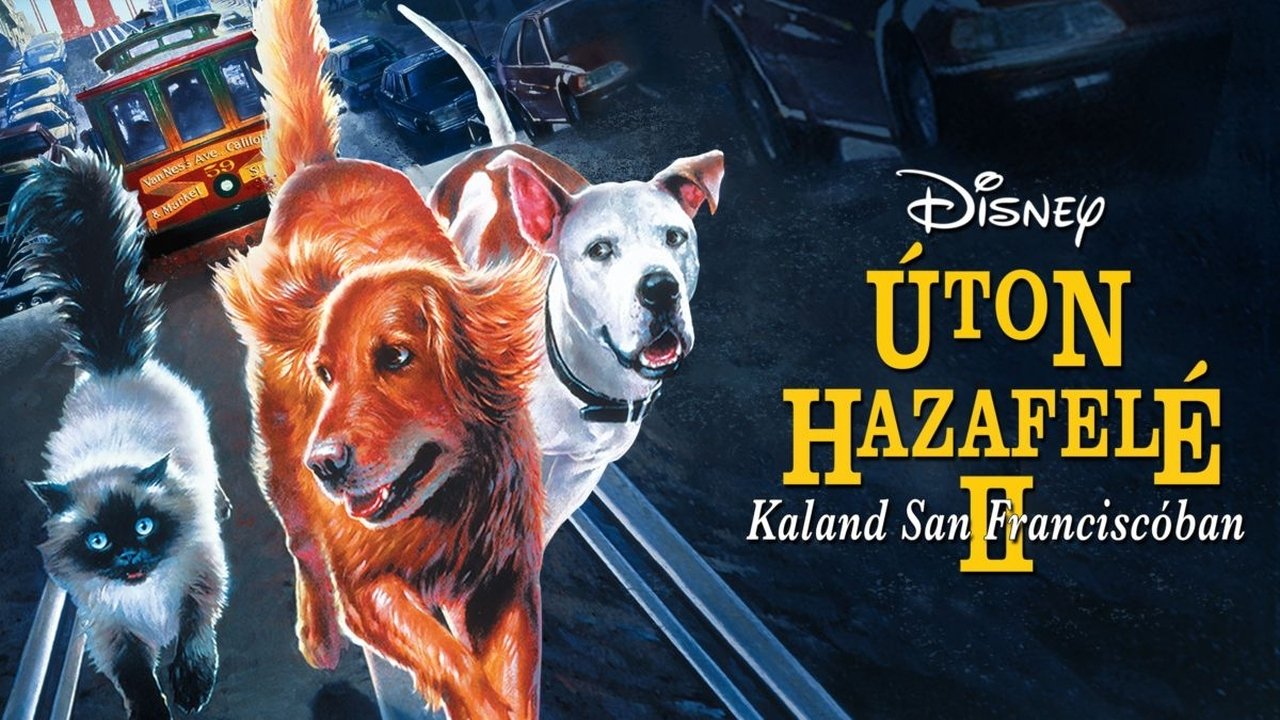
The heart of the film, thankfully, remains the delightful interplay between our three leads, brought to life by pitch-perfect voice acting. Michael J. Fox, already a legend thanks to Back to the Future (1985), returns as the irrepressible bulldog Chance, his youthful energy and witty narration driving much of the humour. Sally Field, an actress of incredible range (Norma Rae, Forrest Gump), is back as the prissy but resourceful Himalayan cat Sassy, delivering lines with just the right amount of feline superiority. And lending his warm, dignified tones to the wise old Golden Retriever Shadow is the late, great Ralph Waite, forever beloved as the patriarch from The Waltons. Their chemistry, even just through voice, is undeniable and carries the film through its weaker moments.
### City Critters and Sequel Steps
Of course, a new environment means new characters. Our trio quickly falls in with a gang of streetwise strays led by Riley (voiced by Sinbad, a ubiquitous comedy presence in the 90s). This introduces a "wrong side of the tracks" element, complete with tough-guy posturing and lessons in urban survival. While some of the new animal characters offer moments of fun, they don't quite achieve the same emotional resonance as the core group. The plot itself, penned by Chris Hauty and Julie Hickson, hits many familiar beats: the pets are lost, they face obstacles, they yearn for home, the family worries. It's comfortable, perhaps a little too comfortable, feeling less like an organic continuation and more like a mandated retread in a different location.

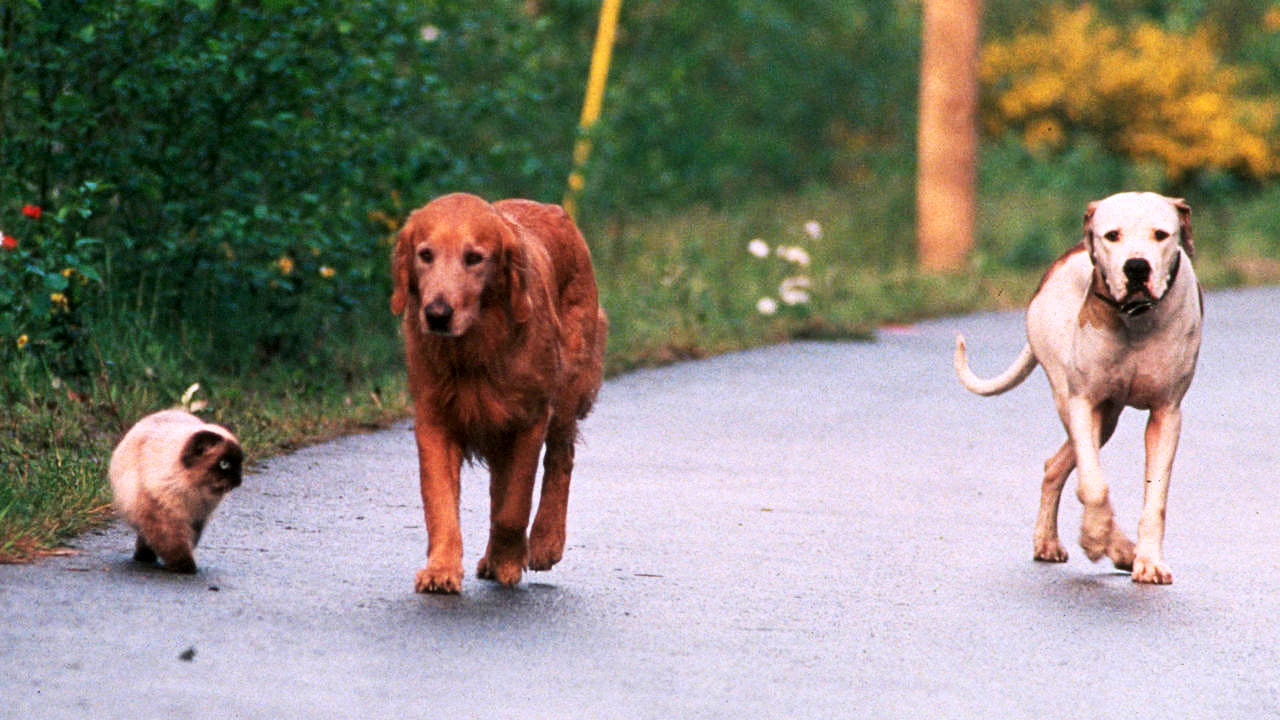
Still, there are moments of genuine charm and excitement. Seeing Sassy navigate treacherous construction sites or Chance trying to blend in with the local tough dogs provides some solid laughs. The practical animal training, always a marvel in these films, deserves applause. Getting dogs and cats to hit their marks and interact convincingly, especially amidst the unpredictable backdrop of a major city like San Francisco (with filming taking place in Vancouver, BC doubling for many SF scenes, alongside actual SF location shots), is no small feat. It’s a testament to the skill of the animal trainers and the patience of the filmmaking team. You can almost picture the controlled chaos on set, wrangling animals while trying to capture that perfect shot near iconic landmarks.
### Retro Fun Facts & Paw Prints
- Box Office Journey: While the first Homeward Bound was a surprise hit, pulling in nearly $42 million domestically, the sequel didn't quite capture the same magic at the box office, earning around $33.5 million worldwide against a reported $32 million budget. Not a flop, but perhaps indicative that the initial premise's novelty had worn slightly thin.
- Familiar Faces (and Voices): While the core voice cast returned, keen eyes might notice some subtle differences in the animal actors themselves – different animals were often trained for specific actions or stunts.
- Urban Jungle Gym: Filming animals in a city presented unique challenges compared to the relative control of wilderness locations. Wrangling strays, dealing with traffic, and ensuring animal safety required intricate planning.
### The Long Walk Home (Again)
So, does Homeward Bound II: Lost in San Francisco hold up? It's undeniably a product of its time – a mid-90s family sequel that plays it relatively safe. It lacks the raw emotional pull and majestic scope of the original, trading wilderness wonder for urban antics. The plot feels somewhat formulaic, essentially "Homeward Bound: City Edition."
However, the charisma of the voice cast is undeniable, and the core appeal of watching these beloved pets navigate dangers and express very human-like thoughts and feelings remains potent. It's still got that warmth, that gentle humour, and those moments that make you want to hug your own pet extra tight. It might not have been the monumental journey the first film was, but as a Saturday afternoon VHS rental back in the day? It delivered a perfectly pleasant, occasionally exciting adventure. It's like visiting old friends who've moved to a new neighbourhood – the dynamic is slightly different, the scenery has changed, but the affection is still there.
Rating: 6/10
Justification: Homeward Bound II earns a solid 6 for retaining the fantastic voice cast and the core charm of its animal protagonists. The shift to an urban setting offers some fun set pieces, but the plot feels repetitive and lacks the emotional depth and visual splendour of the original. It's an enjoyable enough family film and a decent hit of 90s nostalgia, but ultimately feels like a less essential journey than the first.
Final Thought: While it might not have pawed its way into cinematic history quite like its predecessor, Homeward Bound II is still a charming reminder that even in the busiest city, the call of home (and a familiar food bowl) is the strongest adventure of all.