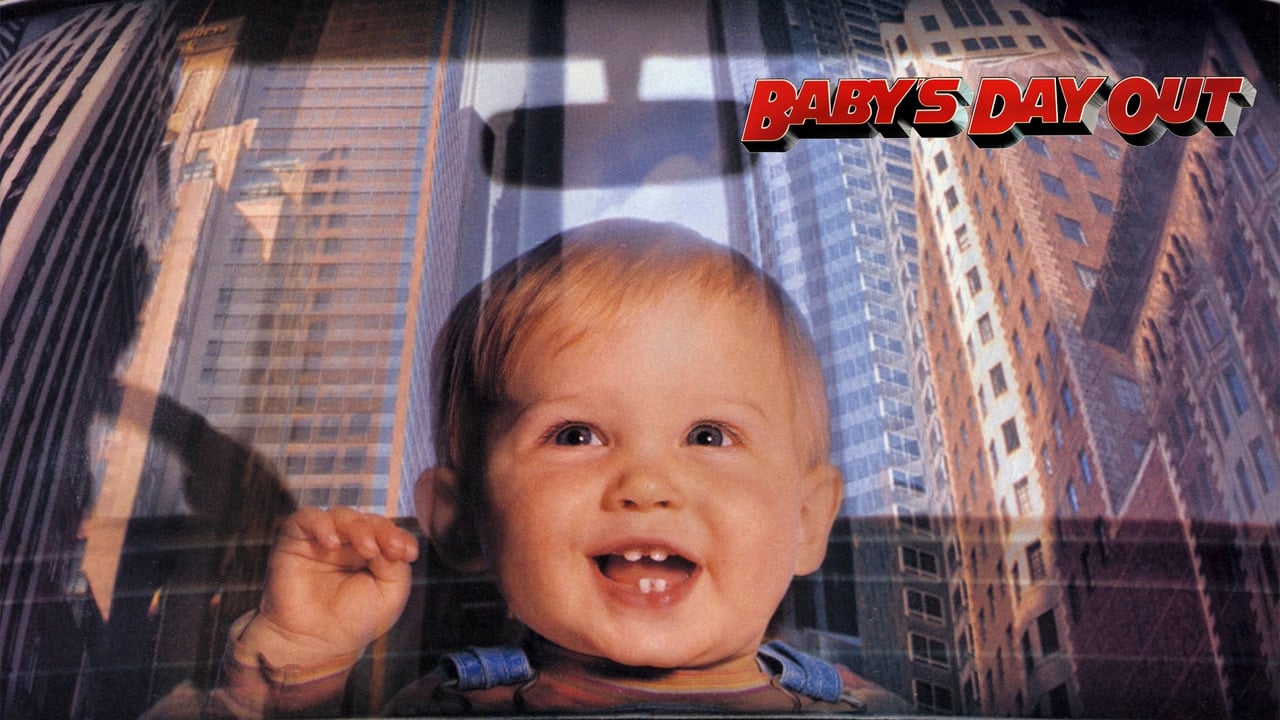
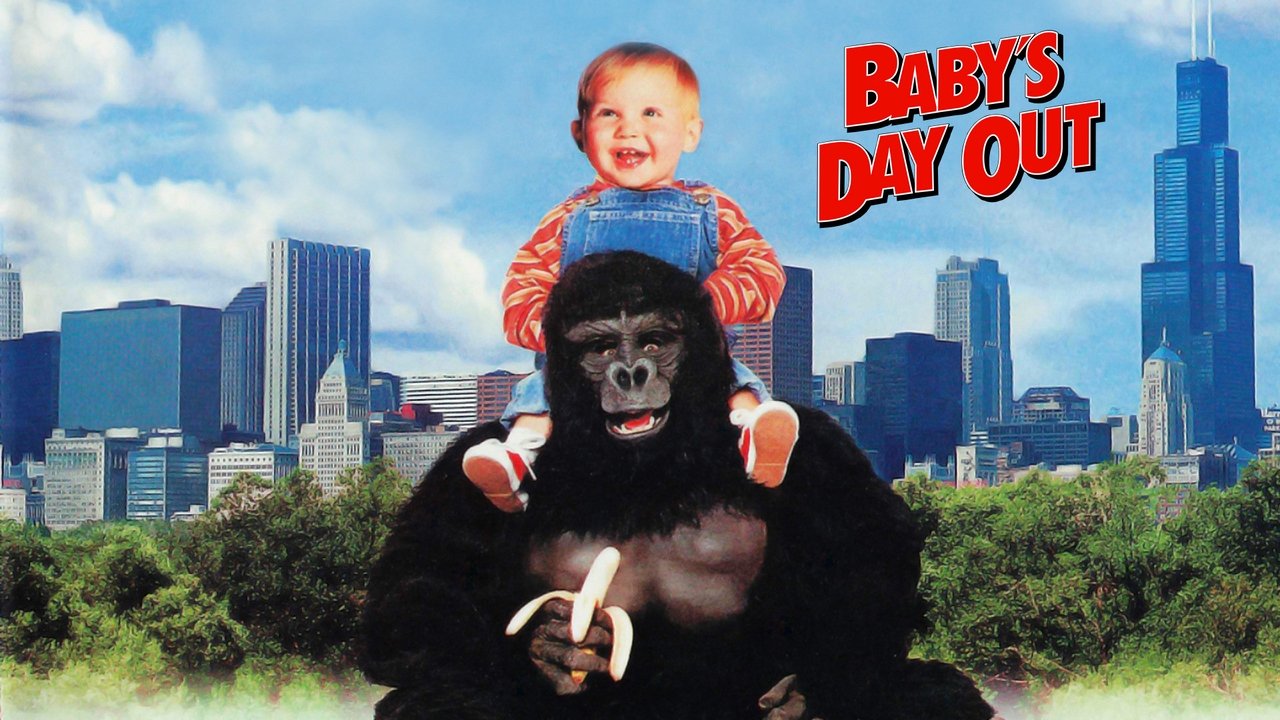
Alright, grab your favorite worn-out armchair and maybe a juice box (for old times' sake), because we're rewinding the tape to 1994 for a film that stretched credulity even by 90s family movie standards: Baby's Day Out. If you were anywhere near a video store back then, chances are you saw that iconic cover – a cherubic little face peeking out, blissfully unaware of the cartoonish chaos surrounding him.
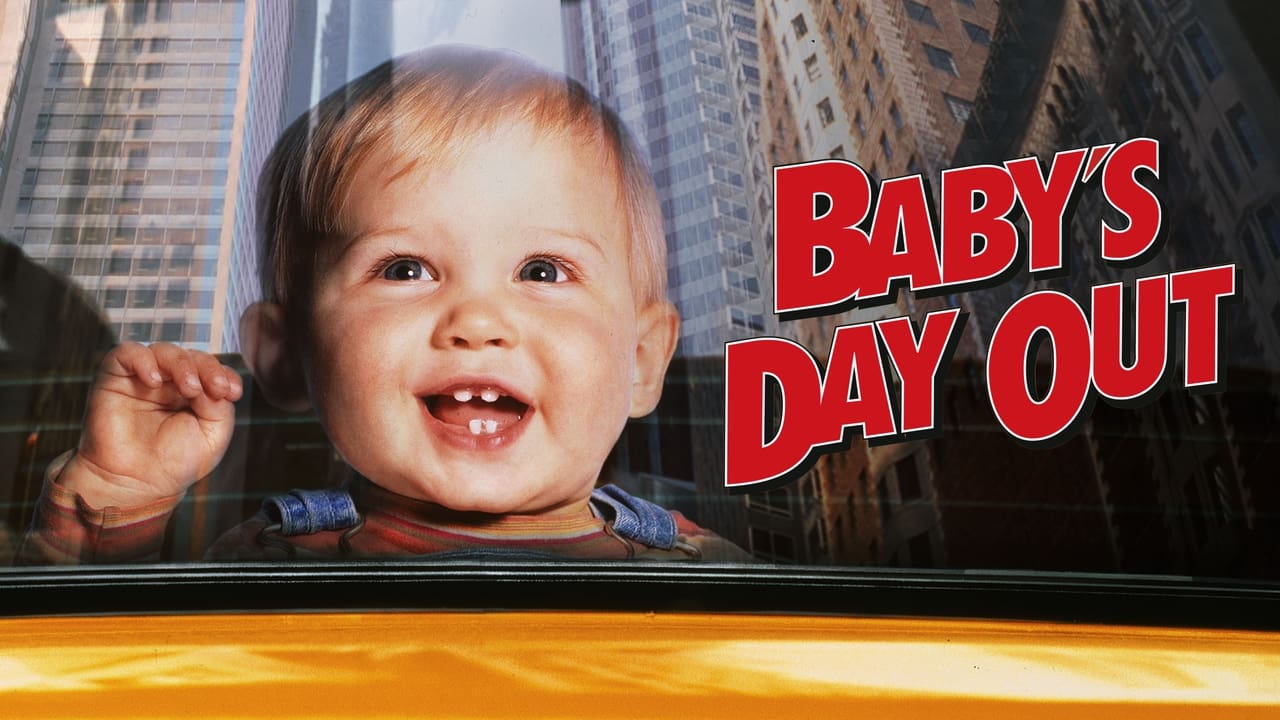
Few premises sound quite as unlikely on paper as a nine-month-old baby navigating the bustling streets of Chicago, pursued by three bumbling kidnappers straight out of a Wile E. Coyote cartoon. Yet, that's precisely the adventure cooked up by none other than John Hughes, the maestro of teen angst (The Breakfast Club, Ferris Bueller's Day Off) and holiday home defense (Home Alone). Handing the directorial reins to Patrick Read Johnson (who later gave us the nostalgic Angus), Hughes penned this tale of Baby Bink (played interchangeably by twins Adam Robert and Jacob Joseph Worton), the adorable offspring of wealthy parents (Lara Flynn Boyle and Matthew Glave), who gets snatched by a trio of ne'er-do-wells led by Eddie (Joe Mantegna), Norby (Joe Pantoliano), and Veeko (Brian Haley).
An Urban Adventure Through Toddler Eyes
The setup is classic Hughes: affluent family, precocious child, inept criminals. But where Kevin McCallister actively defended his turf, Baby Bink isn't outsmarting anyone intentionally. He simply crawls away from his captors, following the familiar sights from his beloved picture book, "Baby's Day Out" (or "Boo-Boo," as he knows it). This innocent journey takes him through iconic Chicago locations – the department store, the zoo, a construction site – while his increasingly battered kidnappers follow in his wake, enduring slapstick injuries that would hospitalize mere mortals.
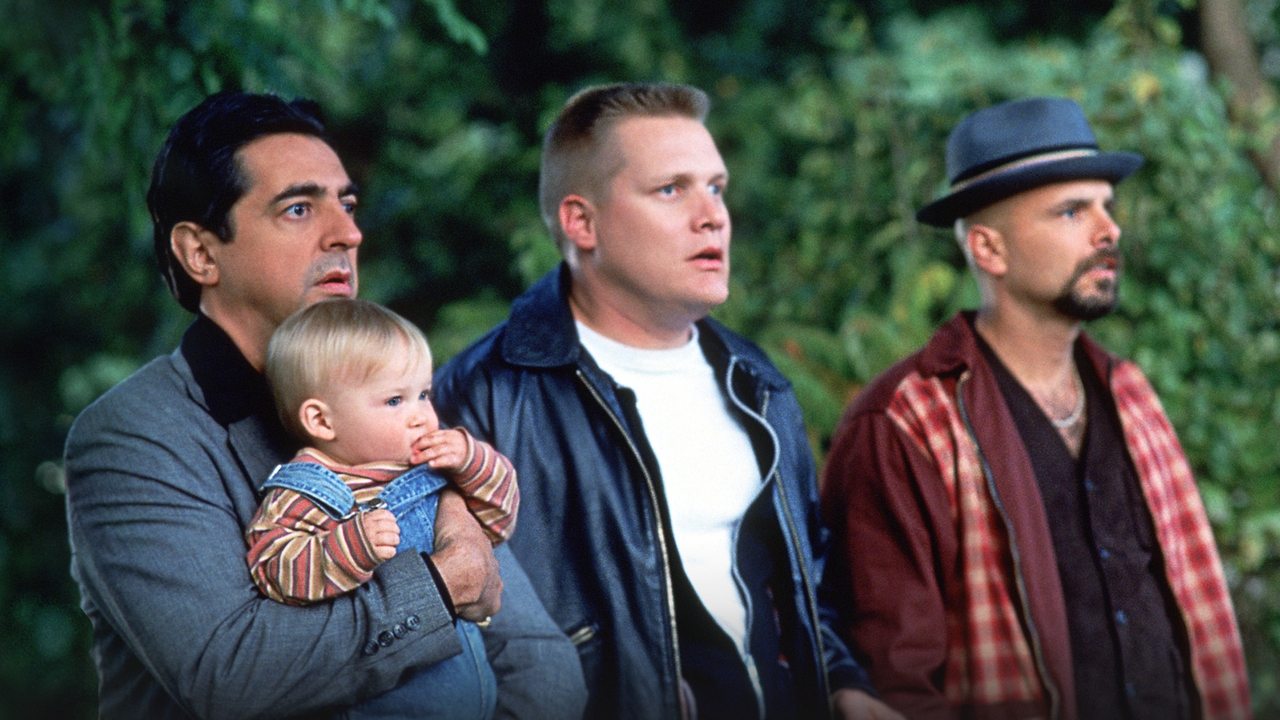
And oh, the slapstick! If Home Alone tested the limits of cartoon violence in a live-action setting, Baby's Day Out pole-vaults over them. Mantegna, Pantoliano, and Haley commit fully to the physical comedy, taking falls, getting covered in goo, enduring groin shots (a Hughes staple, it seems), and even having a close encounter with an angry gorilla. You have to admire their dedication. Joe Mantegna, known for more dramatic roles and voicing Fat Tony on The Simpsons, and Joe Pantoliano, a familiar face from countless films including The Goonies (1985) and The Matrix (1999), really lean into the absurdity, their exasperation growing with every pratfall.
Making Baby Magic (Sort Of)
Let's be honest, watching it now, the sheer impossibility of Baby Bink's journey is part of the charm, or perhaps the central gag. How did they film some of this? The answer lies in a blend of clever editing, strategically placed props, some impressive (and likely nerve-wracking) practical effects work, and the subtle use of early digital compositing to place the baby in seemingly perilous situations. It was a huge technical undertaking, especially coordinating everything around the unpredictable schedules and moods of the Worton twins. Rumor has it that filming often involved waiting patiently for the babies to perform a specific action, sometimes capturing only seconds of usable footage after hours of waiting. It's a testament to the patience of director Patrick Read Johnson and the crew.
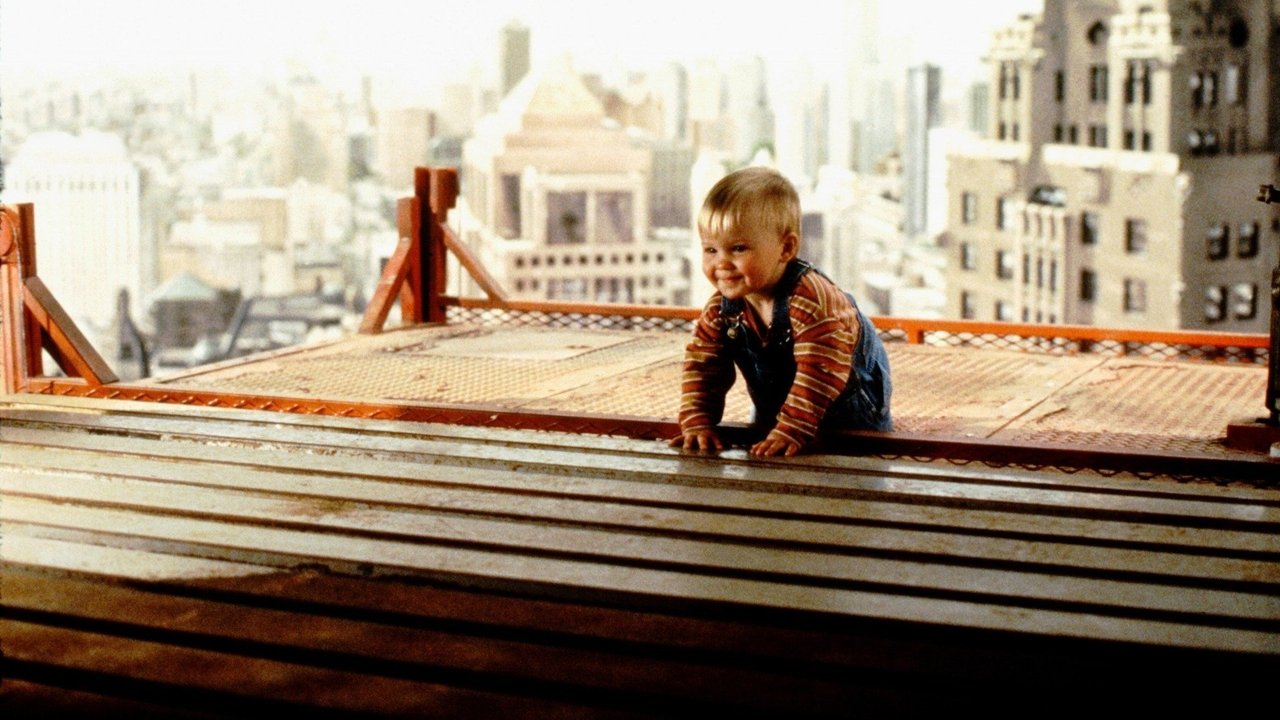
One can only imagine the safety meetings before filming sequences like the high-rise construction site scene. While camera tricks and stunt doubles (presumably very small ones, or clever forced perspective?) were heavily involved, the illusion is surprisingly effective for its time, inducing winces and chuckles in equal measure. Remember that feeling, watching as a kid, half-terrified for the baby and half-laughing at the criminals' misfortune? That strange mix was the experience.
A Box Office Crawl, A Cult Following Abroad
Despite the John Hughes pedigree and a hefty $48 million budget (a significant sum in '94!), Baby's Day Out famously underperformed at the US box office, pulling in just under $17 million domestically. Critics at the time were largely unimpressed, finding the premise too silly and the slapstick repetitive (currently holding a distinctly 'splat' score on Rotten Tomatoes). It seemed destined to be a forgotten footnote in Hughes' otherwise stellar writing career.
But here's a fascinating "Retro Fun Fact": while it stumbled in North America, Baby's Day Out became a massive, enduring hit internationally, particularly in South Asia (India, Pakistan, Sri Lanka) and parts of Southeast Asia. It found a huge audience on home video and television reruns in these regions, becoming a beloved childhood staple for millions who perhaps connected more readily with its simple, visual comedy and innocent charm. It’s a curious case of a film finding its true home far from where it was made.
Still Worth a Rewind?
Watching Baby's Day Out today through adult eyes is... an experience. The plot is wafer-thin, relying entirely on the repetition of Baby Bink wanders -> criminals follow -> criminals get hurt. Lara Flynn Boyle doesn't get much to do besides looking worriedly chic. Yet, there's an undeniable, almost innocent sweetness beneath the relentless slapstick. It hails from an era of family films that weren't afraid to be completely, unapologetically silly. It doesn't aim for deep themes or complex characters; it aims for giggles, gasps, and showcasing some truly dedicated stunt performers getting comically pummeled.
Maybe you remember renting this from Blockbuster for a sleepover, or watching it on a rainy Saturday afternoon. It wasn't high art, but it was diverting, and the sheer audacity of putting a baby through these scenarios felt novel. The practical effects, while sometimes obvious now, carried a certain weight that pure CGI often lacks.
VHS Heaven Rating: 6/10
Baby's Day Out is far from a masterpiece. Its domestic reception and critical consensus reflect its narrative shortcomings and repetitive gags. However, the commitment of the cast (especially the criminal trio), the technical challenges overcome in filming, its surprising international legacy, and the sheer, unadulterated silliness engineered by John Hughes give it a definite nostalgic charm. It earns points for ambition, for the dedication to its Looney Tunes-esque physical comedy, and for being a unique, if flawed, artifact of 90s family filmmaking.
It might not be the first tape you reach for, but pulling Baby's Day Out off the shelf is like finding a goofy, slightly unbelievable postcard from your childhood – guaranteed to raise an eyebrow, and probably a smile.