Alright, fellow tape travelers, gather 'round the flickering glow of the metaphorical CRT. Tonight, we're digging deep into the plastic clamshell case of memory to pull out a film that was practically mandatory viewing if you haunted the comedy section of any video store worth its salt in the late 80s: Ernest Goes to Camp (1987). Forget highbrow cinema; this was pure, unadulterated, know-what-I-mean-Vern? silliness delivered straight to your VCR.
### Hey Vern, Remember Kamp Kikakee?
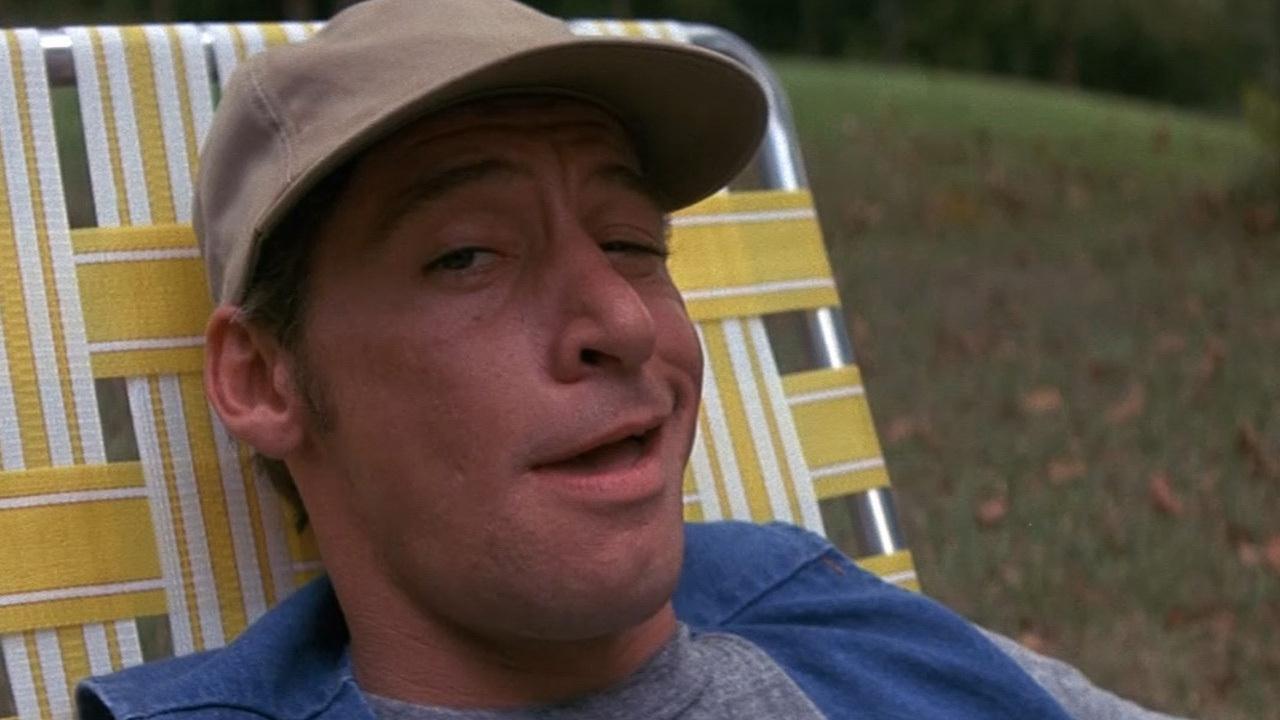
Before he went to jail, got scared stupid, or saved Christmas, Jim Varney's indestructible, denim-clad creation, Ernest P. Worrell, made his big-screen debut right here, trading TV commercials for the bug spray and burnt marshmallows of summer camp. And honestly? It felt like the most natural place in the world for him. The plot is classic 80s underdog fare: Ernest, the lovable but catastrophically clumsy handyman at Kamp Kikakee, gets his dream shot at being a counselor, only to be landed with a group of juvenile delinquents known as the Second Chancers. Meanwhile, a ruthless mining corporation, personified by the gloriously grumpy John Vernon as Sherman Krader (yes, that John Vernon, forever etched in our minds as Dean Wormer from Animal House!), wants to shut the camp down for its valuable petrocite deposits. You can pretty much guess where it goes from there, but the joy wasn't in the destination, it was in Ernest's journey getting there.
It's fascinating that this was the first Ernest feature film, considering how ingrained the character already felt in pop culture thanks to countless regional TV ads. Director and co-writer John R. Cherry III, who co-created Ernest with Varney for an advertising agency, clearly knew his star's strengths. The film, shot on location primarily at Montgomery Bell State Park in Tennessee, feels authentic in its summer camp setting – you can almost smell the pine needles and mosquito repellent. Made on a shoestring budget of around $3.5 million, it became a surprise hit, pulling in over $23 million, proving Vern wasn't the only one who thought Ernest was worth watching.
### The Art of Practical Pratfalls
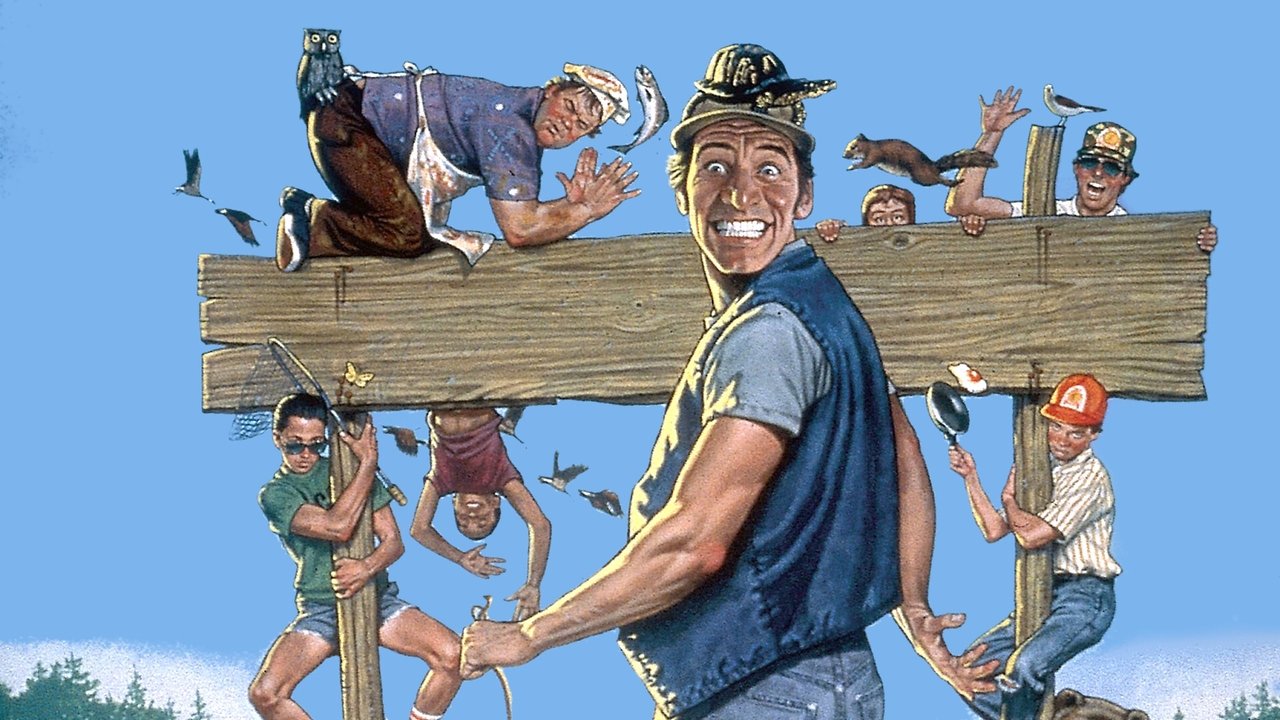
Let's talk about Jim Varney. The man was a rubber-faced force of nature. Forget subtle character studies; Varney's comedy was pure physical performance art. The gags in Ernest Goes to Camp aren't digital creations; they're built on timing, exaggerated reactions, and good old-fashioned slapstick stunt work. Think about the scene with the runaway bus, or the disastrous attempt at archery, or just the way Ernest's face could contort into impossible shapes. That was Varney, throwing himself into it with infectious energy. This was the era of practical comedy effects – real, tangible gags happening in front of the camera. Does it look dated now? Sure, maybe a little rough around the edges compared to slick modern comedies, but there's an undeniable charm and reality to seeing a performer actually do the ridiculous things Ernest did.
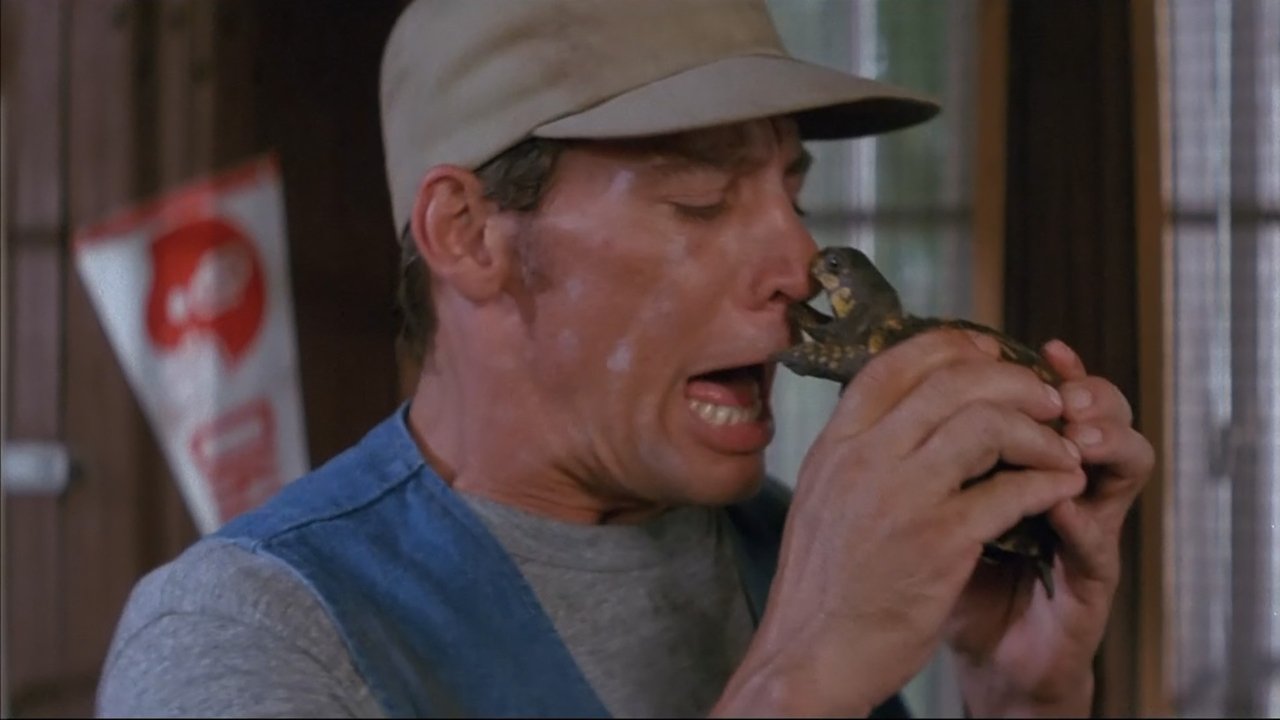
Remember that scene where Ernest inadvertently launches a turtle into the air with spectacular force? That wasn't CGI; that was clever camera work and prop handling creating a moment of pure, absurd hilarity. It’s the kind of tangible, slightly dangerous-feeling gag that defined so much 80s comedy. The climactic battle against Krader's construction crew feels like a kid's daydream brought to life, full of Rube Goldberg-esque traps and low-tech mayhem executed with practical ingenuity.
### More Than Just Ernest
While Varney is undeniably the whole show, the film wouldn't work without its supporting cast. Victoria Racimo brings a necessary warmth and patience as Nurse St. Cloud, the object of Ernest's awkward affections and the film's moral center. She grounds the film, providing a calm counterpoint to Ernest's constant chaos. And the kids, the Second Chancers, manage to be more than just plot devices. They have distinct personalities and a believable arc, from hardened delinquents to kids genuinely finding a place they belong, largely thanks to Ernest's unwavering (if often misguided) belief in them. Seeing them rally around Ernest and the camp provides the film's surprising heart.
The score, a blend of goofy cues and surprisingly earnest (pun intended!) heroic themes, perfectly captures the film's tone. It knows when to play up the laughs and when to lean into the moments of genuine camaraderie and underdog spirit. Cherry's direction is straightforward and functional, wisely keeping the focus squarely on Varney's antics and the camp atmosphere.
### Final Rewind
Ernest Goes to Camp isn't sophisticated, it isn't clever in a cerebral way, and it certainly won't win any awards for nuanced storytelling. But watching it again now, it’s like unearthing a time capsule of pure, unpretentious 80s fun. It’s goofy, it’s got heart, and it’s anchored by a truly unique comedic performance from Jim Varney. Finding this on the shelf at Blockbuster promised an hour and a half of uncomplicated laughs, perfect for a Friday night pizza party or a lazy Saturday afternoon. It delivered exactly what it promised, knowwhatImean?
Rating: 7/10 - The score reflects its success as a specific type of 80s family comedy and Varney's undeniable talent, even if the plot is thin and the humor basic by today's standards. It perfectly achieves what it sets out to do.
Final Thought: For all the eye-rolling the character might inspire today, Ernest Goes to Camp remains a potent dose of uncomplicated VHS-era joy, powered by practical gags and a whole lot of heart – a reminder that sometimes, silly is more than enough.