The hiss of the tape... the whir of the VCR... and then, that voice. Smooth, sophisticated, promising ecstasy, whispering directly into Brian's ear – and ours. Some films creep under your skin with shadows and suggestion. Brain Damage (1988) opts for a more direct, slimy route, introducing us to one of the most bizarre symbiotic relationships in 80s horror: a young man and the ancient, brain-eating parasite living in his neck. Forget subtle dread; this is a plunge into neon-drenched, grimy addiction horror, served with a side of dark, uncomfortable laughter.

### A Parasite Named Elmer (Or Is It Aylmer?)
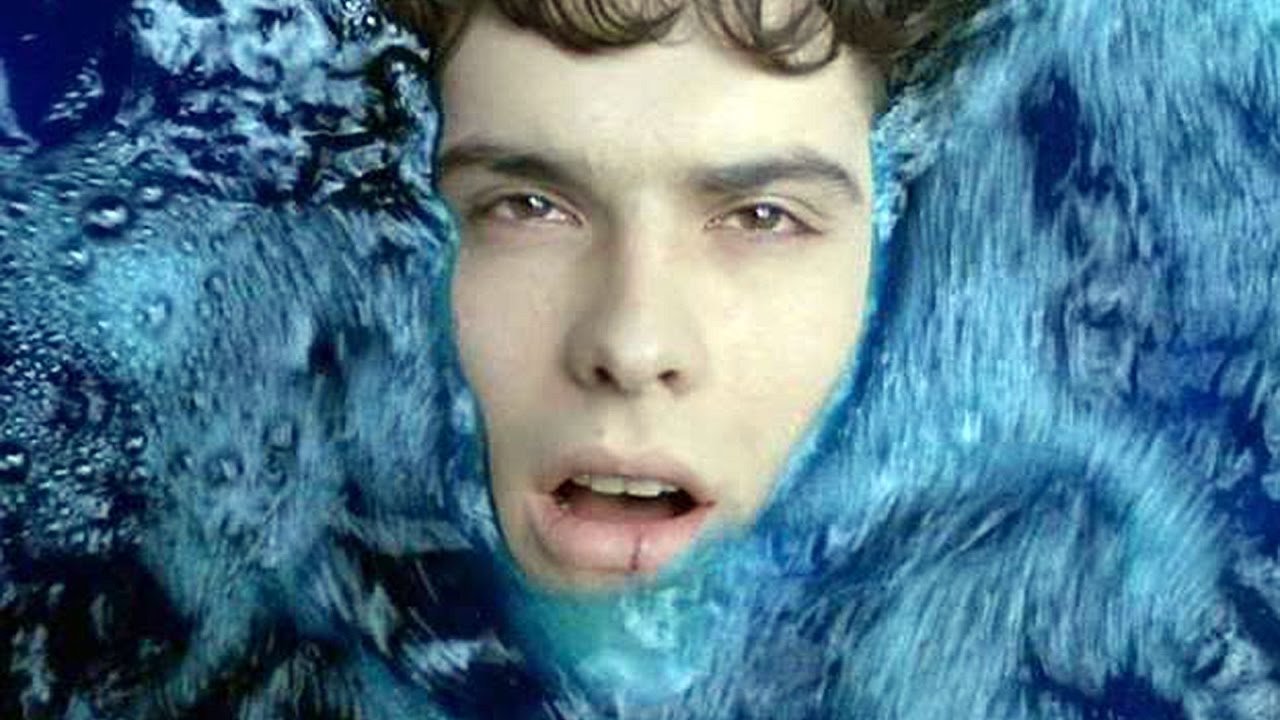
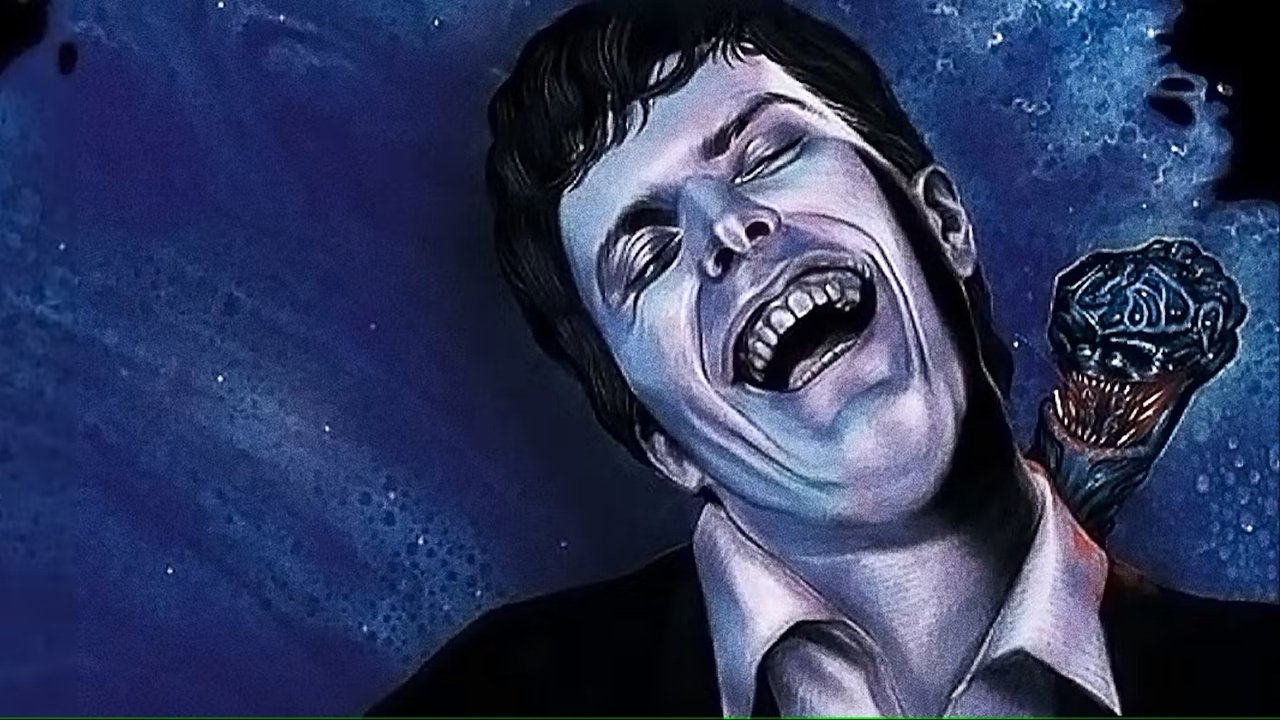
Our protagonist, Brian (Rick Hearst, in a performance that perfectly captures escalating desperation and euphoric highs), is just a regular New York guy until he wakes up with a small, slug-like creature attached to him. This creature, the eloquent and strangely charming Aylmer (voiced by horror host John Zacherle), secretes a hallucinogenic blue fluid directly into Brian's brain. The price for this constant state of bliss? Brian must become Aylmer's vessel, feeding the parasite's appetite... for human brains. What follows is a descent into a psychedelic nightmare, blurring the lines between addiction, body horror, and surreal black comedy. It's a premise so outlandishly specific, it could only have sprung from the mind of Frank Henenlotter, the maestro of low-budget New York City grot who previously gave us the unforgettable Basket Case (1982). Indeed, keep an eye out during a subway scene – you might spot Duane Bradley (Kevin Van Hentenryck) carrying a certain wicker basket, a fun nod linking Henenlotter's bizarre cinematic universe.
### Slimy Effects and Grimy Streets
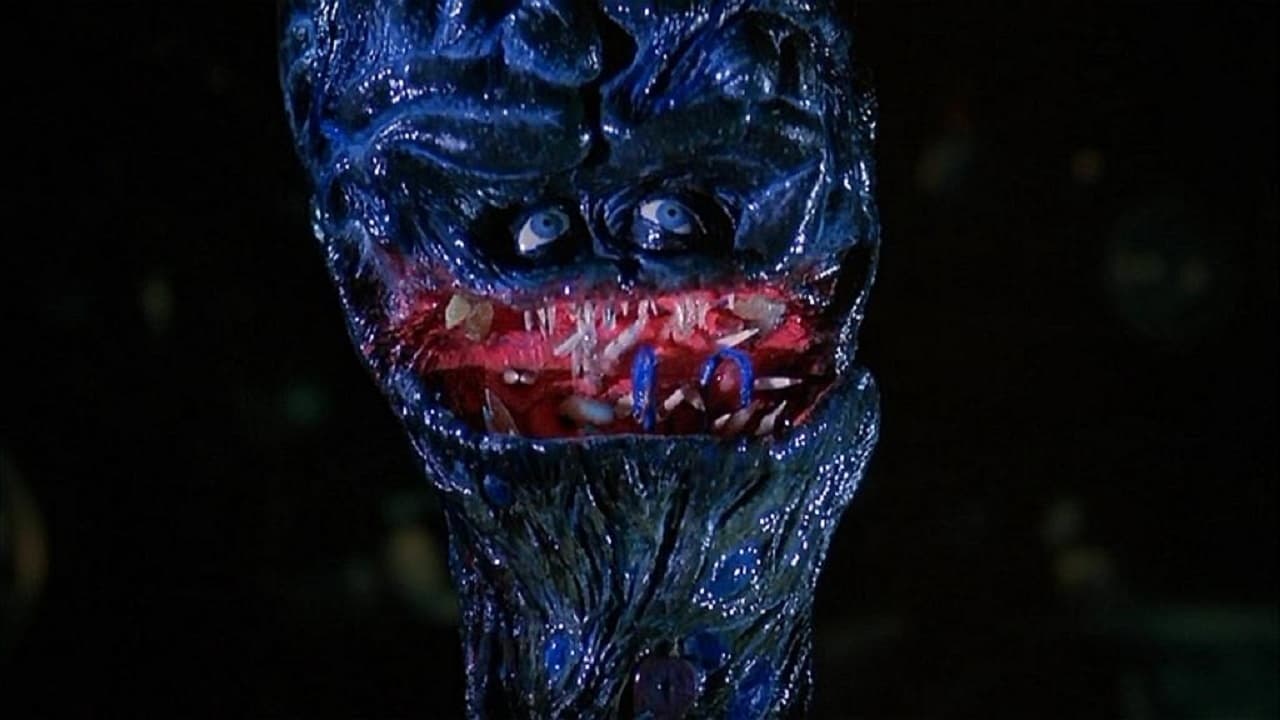
Let's talk about Aylmer. Is the puppet convincing by today's standards? Perhaps not entirely. But does it possess a grotesque charm and unsettling presence? Absolutely. Designed by Gabe Bartalos, Aylmer is a triumph of practical effects ingenuity on a limited budget (reportedly around $600,000). He sings, he cajoles, he threatens, and his disturbingly phallic appearance adds another layer of Freudian unease. The scenes where Aylmer's blue fluid sends Brian spiralling into vibrant, often disturbing hallucinations are highlights, showcasing a raw, visual creativity. The gore effects, particularly the brain-munching sequences, are delightfully messy and over-the-top in that classic 80s fashion. Henenlotter famously battled the MPAA over the gore and, most notoriously, a scene involving Aylmer and a character played by Jennifer Lowry. The struggle to release the film uncut became part of its cult legend, with fans eagerly seeking out the more graphic versions on bootleg tapes or later, thankfully, on official "unrated" releases. It’s the kind of visceral, boundary-pushing content that felt almost illicit to watch back in the day, discovered on a dusty shelf at the back of the video store. Remember that feeling? Finding a tape that promised something truly weird and forbidden?
### Addiction as Body Horror
Beneath the gore and psychedelic visuals, Brain Damage offers a surprisingly potent (if not particularly subtle) allegory for drug addiction. Brian’s initial euphoria, his growing dependence, the secrecy, the paranoia, the physical deterioration, and the lengths he’ll go to for his next "fix" from Aylmer mirror the destructive cycle of substance abuse. Rick Hearst sells Brian’s journey convincingly, swinging from blissful highs to agonizing withdrawal and crippling guilt. The parasite isn't just feeding on brains; it's consuming Brian's life, his relationships (particularly with his girlfriend Barbara, played by Jennifer Lowry, and brother Mike, Gordon MacDonald), and his soul. This thematic core elevates Brain Damage beyond mere schlock, giving its weirdness a surprisingly resonant, albeit grim, undercurrent. It taps into that late-night fear, not just of monsters, but of losing control, of becoming enslaved to something destructive.
### A Cult Classic's Enduring Ooze
Brain Damage didn't set the box office alight upon its limited release, finding its true home on VHS where its unique blend of horror, humour, and hallucinatory visuals captivated cult audiences. Frank Henenlotter cemented his reputation as a purveyor of singular, often sleazy, but always memorable exploitation cinema. The film feels inextricably linked to its time and place – the grimy, pre-gentrified New York City serving as the perfect backdrop for Brian and Aylmer's parasitic partnership. The synth score pulses with an appropriate 80s vibe, sometimes dreamy, sometimes jarring, enhancing the disorientation. Does some of the acting feel a bit stiff? Sure. Is the plot straightforward? Absolutely. But the sheer audacity of the concept and the commitment to its bizarre vision make it unforgettable. Doesn't that little parasitic crooner still feel unnerving, even endearing, in his own twisted way?

Rating: 8/10
Justification: Brain Damage earns a strong 8 for its sheer originality, memorable creature design, potent addiction allegory, and Frank Henenlotter's unapologetically weird and grimy vision. It’s a perfect slice of 80s cult horror – inventive, shocking (especially in its uncut form), darkly funny, and wonderfully grotesque. While hampered slightly by its low budget and occasional rough edges, its ambition and unique charm make it a standout title from the VHS era.
Final Thought: More than just a gore-fest, Brain Damage is a wonderfully bizarre cautionary tale oozing with personality – a film that gets under your skin and maybe, just maybe, makes you crave a little blue fluid yourself. A true gem for connoisseurs of cinematic oddities.