Okay, fellow travelers of the magnetic tape era, let's talk about a film that embodies the grimy, glorious, and utterly gonzo spirit of early 80s exploitation cinema like few others. Forget polished multiplex fare; this is pure, uncut 42nd Street nightmare fuel, discovered flickering on a worn-out VHS tape rented from some gloriously cluttered neighborhood video store. I'm talking, of course, about Frank Henenlotter's 1982 marvel of low-budget madness, Basket Case.
### What's In the Basket?
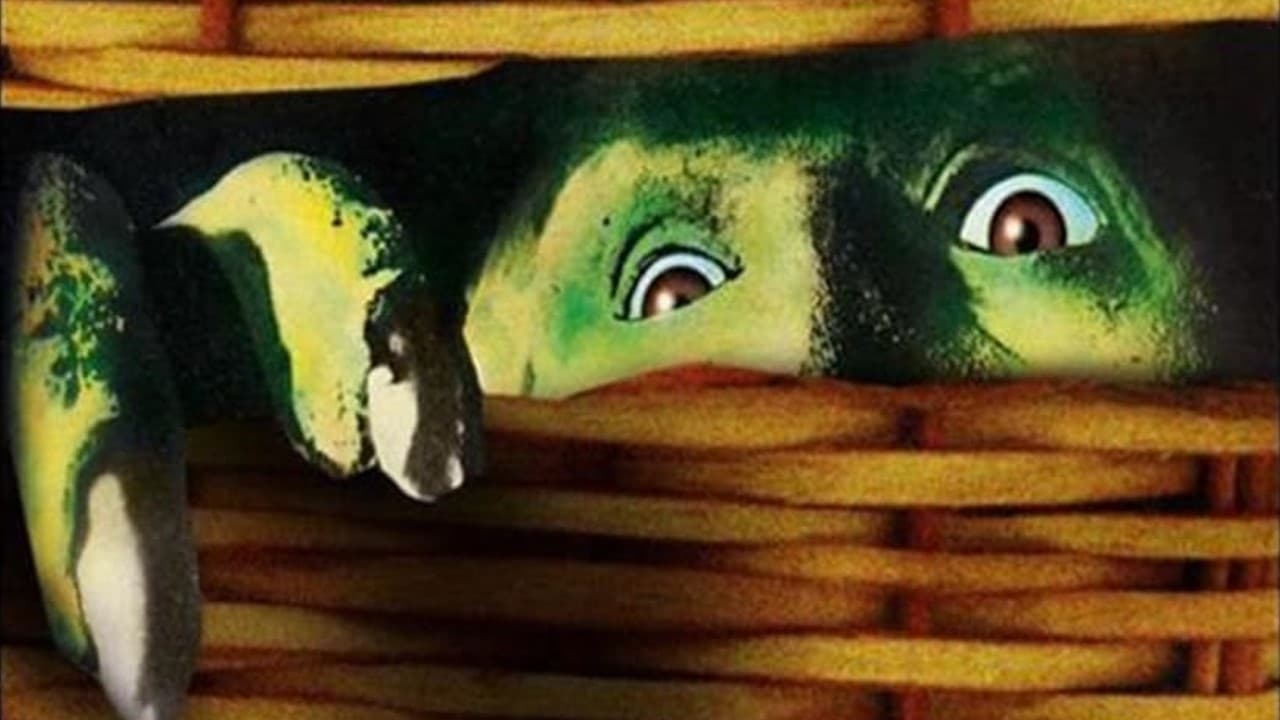
The premise alone is the stuff of legend, whispered about in hushed, excited tones after midnight screenings. We meet Duane Bradley (Kevin Van Hentenryck), a seemingly ordinary, if slightly awkward, young man who arrives in New York City carrying little more than a change of clothes and a large, padlocked wicker basket. What's in the basket, you ask? Oh, just Belial, Duane's formerly conjoined, hideously deformed, and murderously enraged twin brother. Separated against their will years ago, the brothers are now on a bloody quest for revenge against the doctors who performed the operation.
Right away, Basket Case plunges you into a version of New York City that feels both terrifyingly real and surreally heightened – the pre-cleanup Times Square of peeling paint, greasy spoons, and dimly lit hotel rooms populated by society's fringe dwellers. Frank Henenlotter, in his feature directorial debut, captures this gritty milieu perfectly. It's not just a backdrop; it's practically a character in itself, amplifying the film's sense of sleazy dread and off-kilter atmosphere. You can almost smell the stale cigarette smoke and desperation wafting off the screen. It’s a far cry from the tourist-friendly version we know today, and the film is all the better for it. Reportedly shot on a shoestring budget of around $35,000 (that's roughly $110,000 today – still peanuts for a feature!), much of it was filmed guerilla-style on these very streets, adding an undeniable layer of authenticity.

### Brotherly Love, Mutant Style
At the heart of this bizarre tale is the relationship between Duane and Belial. Kevin Van Hentenryck, despite having minimal prior acting experience, brings a compelling blend of naive charm and simmering intensity to Duane. He's our anchor in this sea of weirdness, struggling with his loyalty to his monstrous sibling and his burgeoning desire for a normal life, particularly when he meets the kind receptionist Sharon (Terri Susan Smith). Their psychic connection is depicted with a raw simplicity that somehow works amidst the chaos.
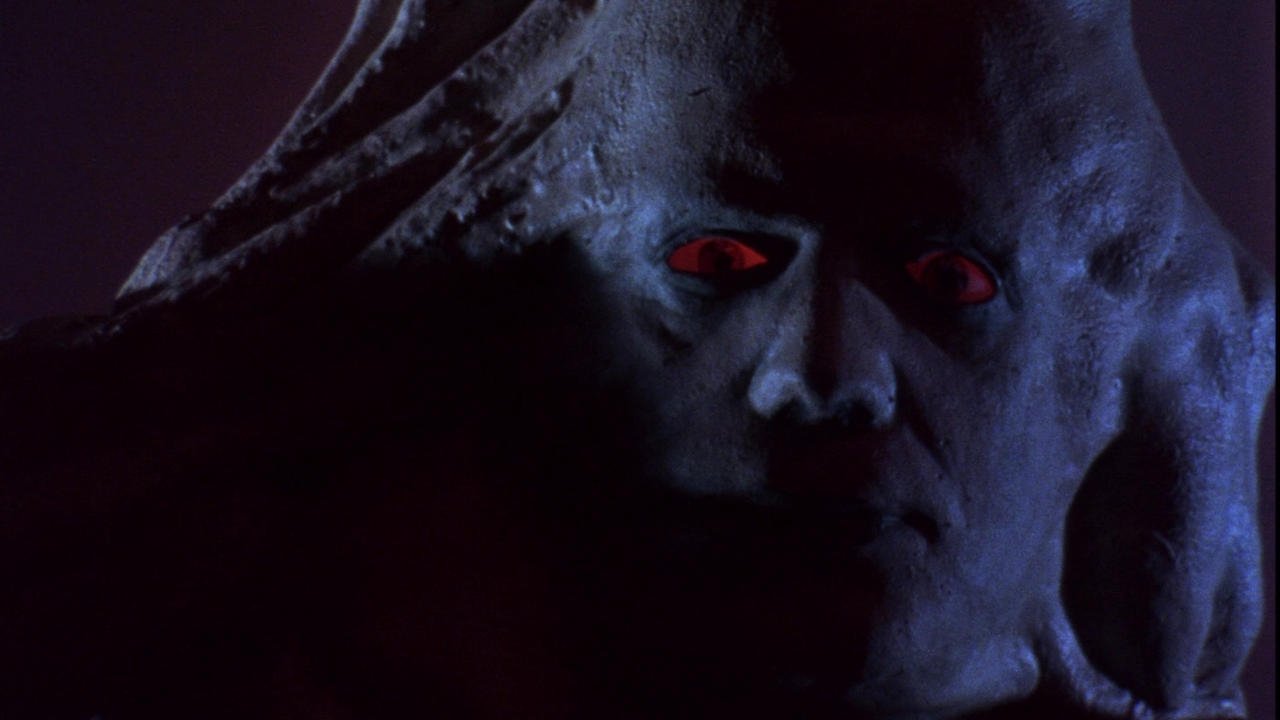
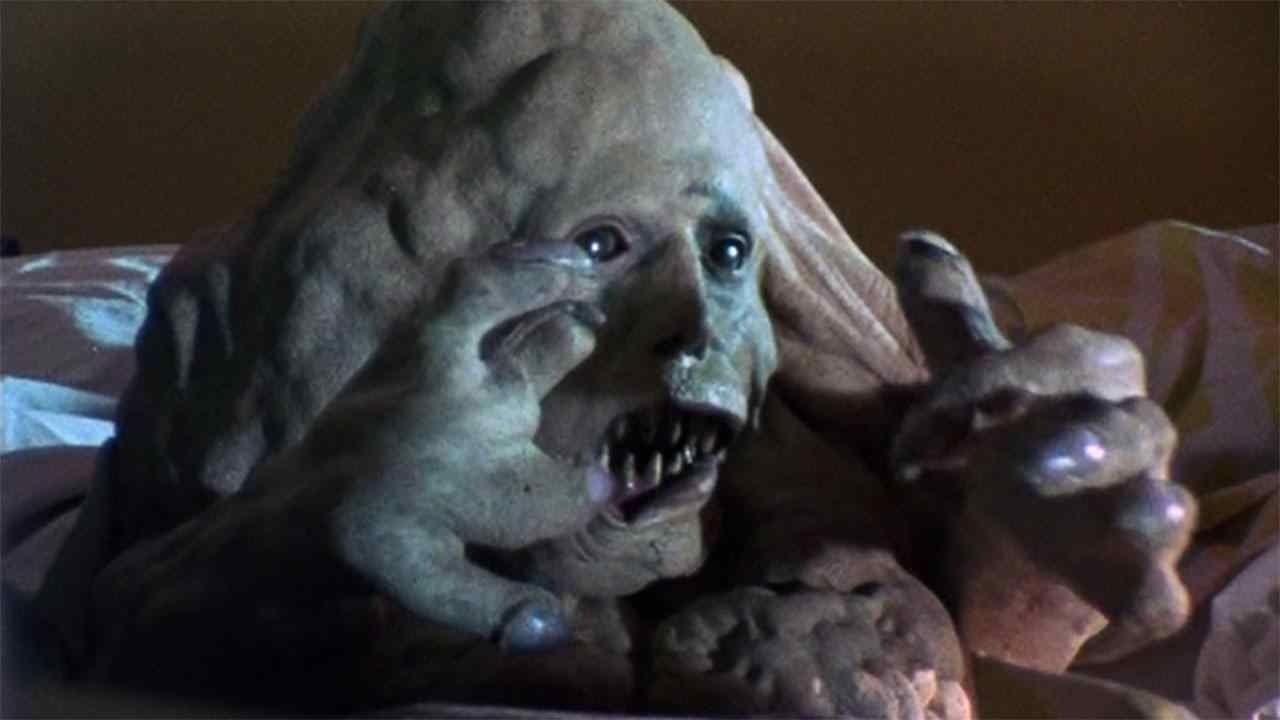
And then there's Belial. Ah, Belial! Forget slick CGI monsters; this is the golden age of practical effects ingenuity born from necessity. Brought to life primarily through puppetry and some truly memorable stop-motion animation sequences (particularly during his vengeful rampages), Belial is a triumph of low-budget creature design. Is it technically perfect? Absolutely not. You can sometimes see the strings, figuratively and perhaps literally. But does it matter? Not one bit. There’s a tangible, grotesque physicality to Belial – a lumpy, pulsating mass of teeth and rage – that feels uniquely disturbing and, dare I say, weirdly sympathetic at times. The sheer audacity of putting this creature front and center is part of the film's enduring charm. That stop-motion freakout in the hotel room? Pure nightmare fuel back in the day, and still wonderfully unsettling.
### Grindhouse Grit and Glory
Basket Case isn't just about the creature feature element; it's steeped in the traditions of grindhouse and exploitation cinema. Henenlotter doesn't shy away from gore (those surgical flashback scenes are rough!) or sleaze, but it’s all filtered through his distinctly warped sense of humor. There's a darkly comedic undercurrent running through the film, from the eccentric residents of the Hotel Broslin (like Beverly Bonner's memorable turn as Casey) to the sheer absurdity of Duane trying to explain his brother's dietary needs (mostly junk food, apparently shoved under the door).
The film wasn't exactly a mainstream hit upon release, finding its home, appropriately enough, on the midnight movie circuit where its blend of horror, gore, and black comedy resonated with audiences seeking something far outside the norm. It became a quintessential cult classic, a badge of honor for adventurous viewers navigating the wilder sections of the video store. Its success, against all odds, even spawned two sequels in the early 90s (Basket Case 2 and Basket Case 3: The Progeny), which leaned even heavier into the comedic aspects, expanding the world of "unique individuals." It's a testament to the original's raw power that it carved out such a lasting niche. Sadly, a fascinating bit of trivia often recounted is that the original Belial puppet, the star of the show, was apparently stolen shortly after filming wrapped – a truly bizarre endnote to a uniquely bizarre production.
### The Verdict
Watching Basket Case today is like unearthing a time capsule from a grungier, weirder era of filmmaking. The rough edges, the sometimes-stilted dialogue, the delightfully handmade effects – they're not bugs, they're features. It’s a film made with passion, audacity, and probably not much sleep, radiating a creative energy that's impossible to fake. It taps into primal fears about bodily autonomy, familial bonds, and the monsters lurking just beneath the surface of polite society, all while delivering gore-soaked thrills and genuine laughs.
Rating: 8.5/10
Justification: Basket Case gets a high score not for technical perfection, but for its sheer cult status, undeniable creativity on a micro-budget, unforgettable central monster, perfectly captured gritty atmosphere, and its enduring place as a cornerstone of 80s midnight movie madness. It's raw, shocking (for its time), surprisingly funny, and utterly unique. The low budget shows, but it only adds to the charm.
Final Thought: This is pure, unadulterated VHS-era weirdness – handle with care, keep away from bright lights, and maybe don't watch it right after dinner. It’s a beautifully ugly masterpiece that reminds you just how wild and wonderful low-budget horror could be before everything got quite so polished. Still crawls under your skin after all these years.