Okay, picture this: the first Short Circuit (1986) had been a surprise hit, a charming blend of sci-fi, comedy, and heart, launched by established director John Badham (Saturday Night Fever, WarGames). So, when the sequel arrived two years later in 1988, expectations were high, but the landscape felt… different. No Ally Sheedy, no Steve Guttenberg. Instead, the lovable robot Number 5, now proudly calling himself Johnny 5, was stepping fully into the spotlight, relocating from the quiet countryside to the chaotic heart of New York City. It was a bold move, trading familiar faces for a bigger stage, and Kenneth Johnson (V, The Incredible Hulk TV series) stepping in to direct promised a potentially different flavour. Did Short Circuit 2 recapture the magic? Well, grab your oversized toolkit, because we're taking this lovable bot apart piece by piece.
Big City, Bigger Personality
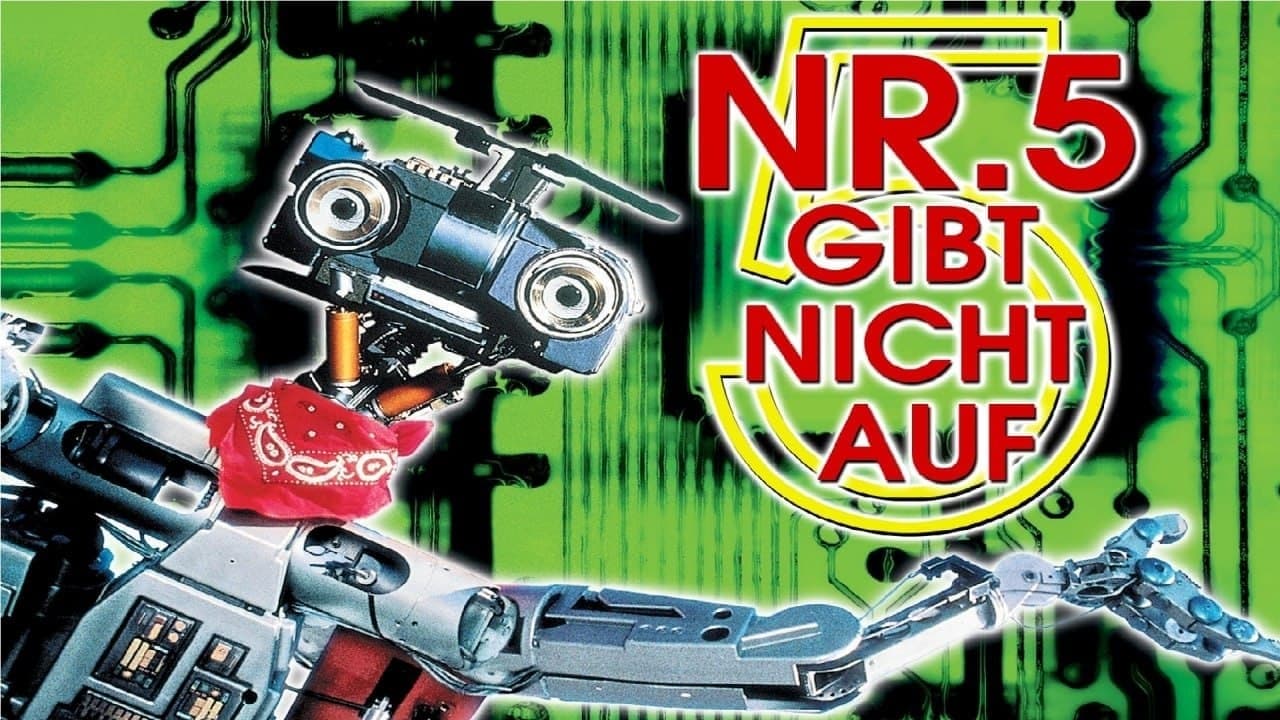
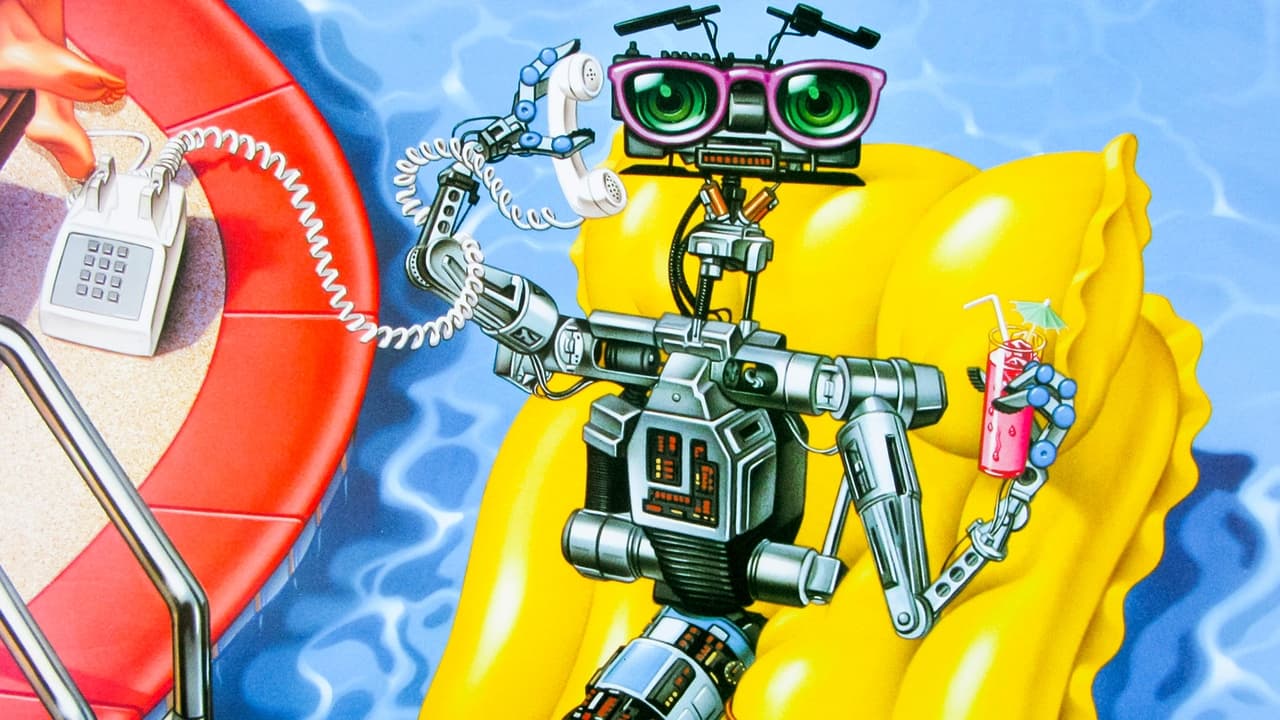
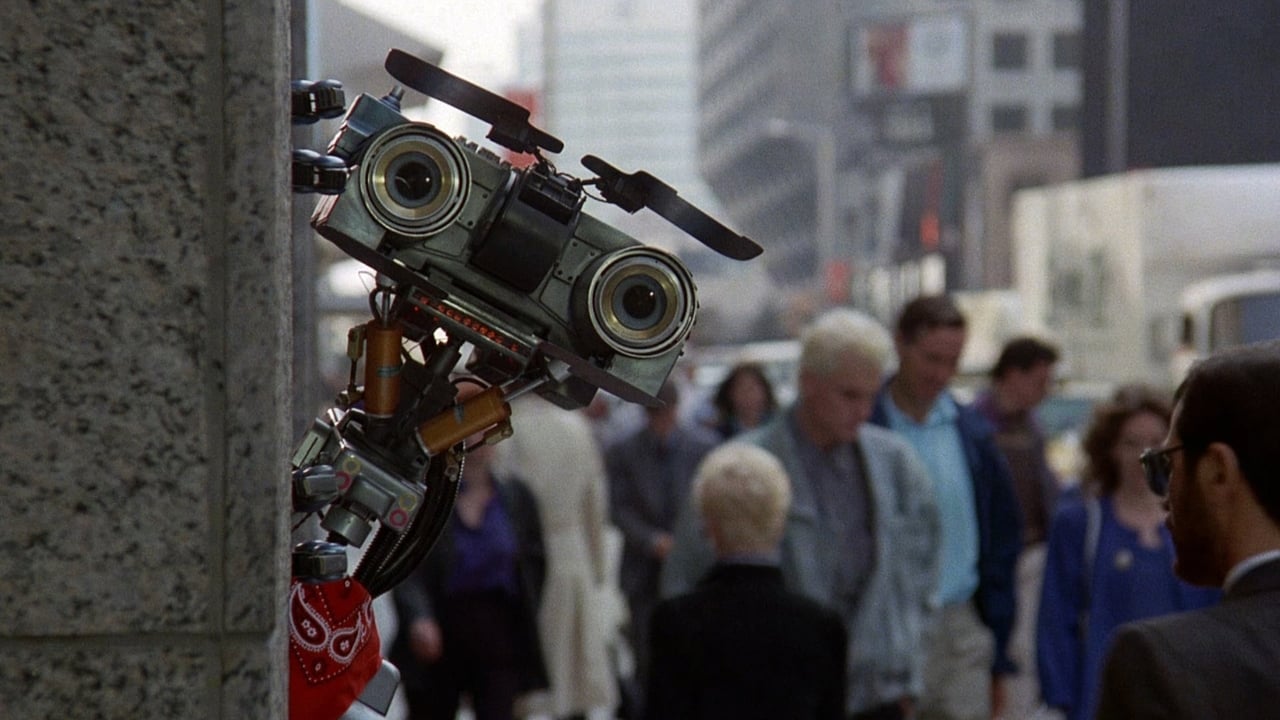
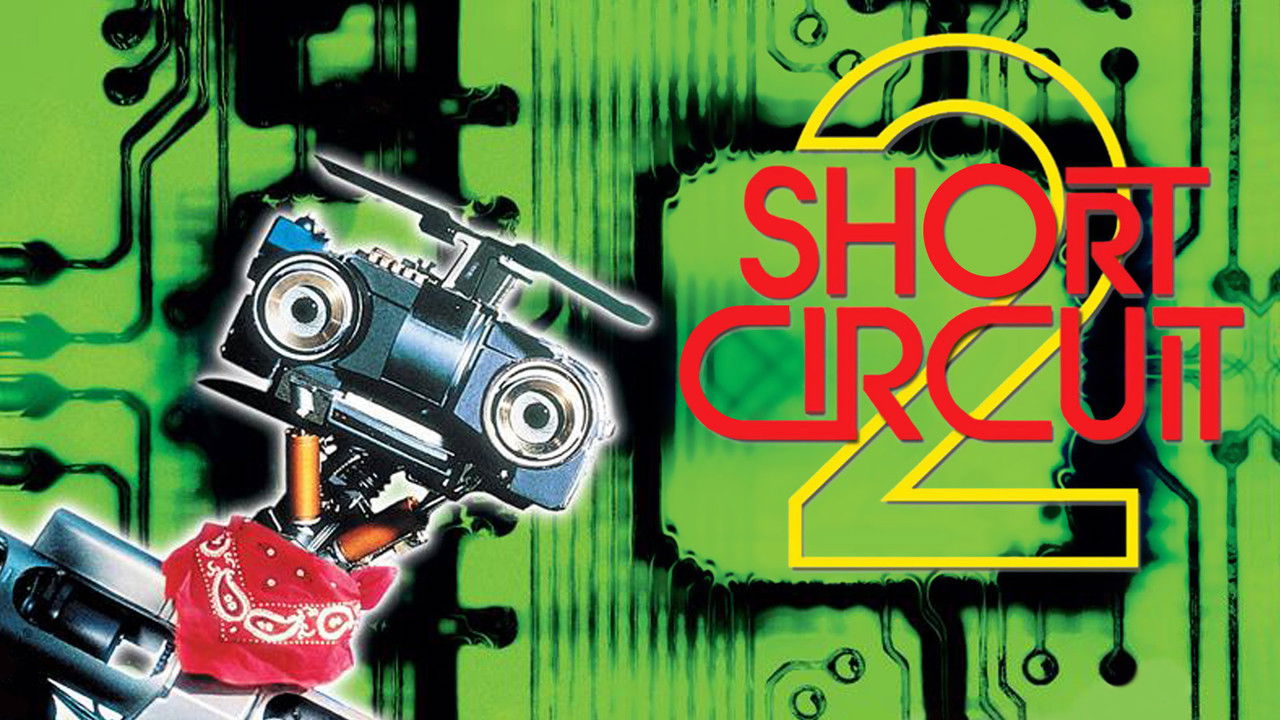
The absolute, undeniable star here is Johnny 5 himself. While the first film focused on his accidental sentience and escape, this sequel explores his desire for acceptance and his burgeoning personality. Voiced again with infectious energy by Tim Blaney (who also performed puppetry), Johnny 5 remains a marvel of 80s animatronics, courtesy of the genius Eric Allard and his All Effects Company. Watching him navigate the bustling streets of Manhattan, interacting with bewildered (and often greedy) city dwellers, is the film's core joy. The upgraded design – that gleaming gold plating! The multi-tool appendage! – felt like a genuine evolution. There’s a tactile reality to Johnny 5, a weight and presence that CGI creations often struggle to replicate. You believed this collection of servos, wires, and personality was truly there, exploring, learning, and getting into trouble.
Remember his wide-eyed wonder at simply being in the city? His attempts to understand human slang, often with hilariously literal interpretations? That charm is potent, carrying much of the film's emotional weight. The sequences where he rapidly assembles toys or helps his human friends feel like pure wish-fulfillment – who wouldn't want a super-intelligent, friendly robot sidekick? This focus on Johnny 5 as a character, rather than just a plot device, is where the sequel finds its strongest footing.
Human Connections (and Complications)
With Nova and Newton out of the picture, the human element falls primarily on Fisher Stevens as Ben Jahrvi (reprising his role, now promoted from assistant to protagonist) and Michael McKean as Fred Ritter, Ben’s smooth-talking, slightly shifty business partner. Stevens throws himself into the role with gusto, continuing the heavily accented, grammatically unique portrayal of Ben. While the character's origins and depiction faced criticism even then (and more scrutiny today) regarding ethnic caricature, Stevens' comedic timing and genuine affection for Johnny 5 provide the film's heart. His journey from hopeful immigrant toy-maker to Johnny's fierce protector is the main human arc.
Retro Fun Fact Alert: The character of Ben was originally conceived differently. In early drafts for the first film, he was intended to be a Caucasian American character named Ben Jabituya, with the last name being a quirky invention. However, when Fisher Stevens was cast, the decision was made to make the character Indian, leading to the specific accent and mannerisms. Stevens himself has since expressed regret over the portrayal, acknowledging the issues surrounding brownface performance.
Michael McKean, always a welcome presence (This Is Spinal Tap, Clue), brings his trademark cynical wit as Fred, the street-smart hustler hoping to cash in on Johnny 5’s abilities. His dynamic with the naive Ben and the even more naive Johnny creates some fun comedic friction. Cynthia Gibb (Fame, Youngblood) plays Sandy Banatoni, a department store buyer who gets drawn into their venture (and provides a touch of romance for Ben). While the human plot involving jewel thieves using a secret tunnel feels somewhat generic 80s fare, the actors commit and keep things moving.
Navigating the Urban Jungle
Director Kenneth Johnson brings a different energy than Badham. Where the first film had a sense of rural discovery and military pursuit, Short Circuit 2 embraces its urban setting. The film captures the grit and energy of late-80s New York, contrasting sharply with Johnny 5’s inherent innocence. Seeing him navigate traffic, interact with street gangs (leading to the memorable "Los Locos kick your ass, Los Locos kick your face..." scene where he reprograms their boombox), and marvel at the scale of the city provides constant fish-out-of-water amusement.
The practical effects work required to bring Johnny 5 to life in these complex environments was genuinely impressive. Imagine the logistics! Operating the sophisticated animatronics (rumoured to cost significantly more per unit than in the first film) on location amidst the chaos of NYC streets required immense skill. Each movement, each expressive tilt of the 'head', was a coordinated effort by a team of puppeteers, making the performance feel tangible and real.
Another Retro Fun Fact: The budget for Short Circuit 2 ballooned to around $25 million, a considerable sum for 1988 and significantly more than the original's $15 million. Despite the increased investment and the beloved central character, the film unfortunately underperformed at the box office, grossing only about $21.6 million domestically. This likely dashed any hopes for the planned third installment. It became one of those sequels that found more life, perhaps, on home video shelves than in theaters.
More Than Meets the Eye?
Beneath the comedy and robotic antics, Short Circuit 2 touches on themes of prejudice (Johnny being seen as just a machine), the corrupting influence of greed (personified by the jewel thieves and initially Fred), and the meaning of being "alive." The sequence where Johnny is brutally attacked by the thieves is surprisingly dark for a family film and genuinely upsetting – a testament to how effectively the film makes you care about this bucket of bolts. It raises the stakes and gives Johnny's eventual triumphant return real emotional payoff.
Yes, the plot is simple, and some elements feel distinctly of their time (hello, stereotypical villains!). The pacing occasionally dips, relying heavily on Johnny 5's charm to bridge narrative gaps. But the core appeal – the optimistic view of technology embodied by a curious, learning, feeling robot – resonates. It taps into that childlike wonder about what machines could be if they had a soul.
Final Input
Short Circuit 2 might not have the tighter narrative focus or the fresh surprise of the original, but it doubles down on what worked best: Johnny 5. It’s a film carried almost entirely by the charm, personality, and technical wizardry behind its robotic star. The human performances are capable, the NYC setting adds a new dimension, and the practical effects remain a joy to behold for fans of the craft. It stumbled commercially and carries some baggage regarding character portrayal, but its heart is undeniably in the right place. It delivers warmth, gentle laughs, and a surprisingly poignant robot journey.
VHS Heaven Rating: 7/10
Justification: The score reflects the undeniable star power and technical achievement of Johnny 5 (worth several points alone), Fisher Stevens' committed central performance, and the genuine heart and charm sprinkled throughout. Points are deducted for the somewhat generic plot, the dated handling of certain character aspects, and pacing issues that prevent it from reaching the classic status of its predecessor. It's a film that succeeds more on charm and nostalgia than on narrative brilliance.
Ultimately, Short Circuit 2 feels like catching up with an old, incredibly endearing, and slightly chaotic friend who moved to the big city. It might not be perfect, but its optimistic spirit and the sheer likability of its golden protagonist make it a fondly remembered piece of 80s sci-fi comfort food. Number 5 is still alive in our nostalgic memories, that's for sure.