The Adventures of Baron Munchausen
Alright, fellow tape travelers, let’s dust off a truly unique cassette today. Forget your standard action blockbusters for a moment and journey with me back to a time when cinematic imagination felt truly boundless, occasionally bordering on bonkers. I’m talking about Terry Gilliam’s sprawling, chaotic, and utterly breathtaking fantasy, The Adventures of Baron Munchausen (1988). Seeing this film for the first time felt less like watching a movie and more like dreaming someone else's impossibly vivid dream – a whirlwind of powdered wigs, cannonballs, and trips to the moon.
### A Story Too Tall Not To Be True?
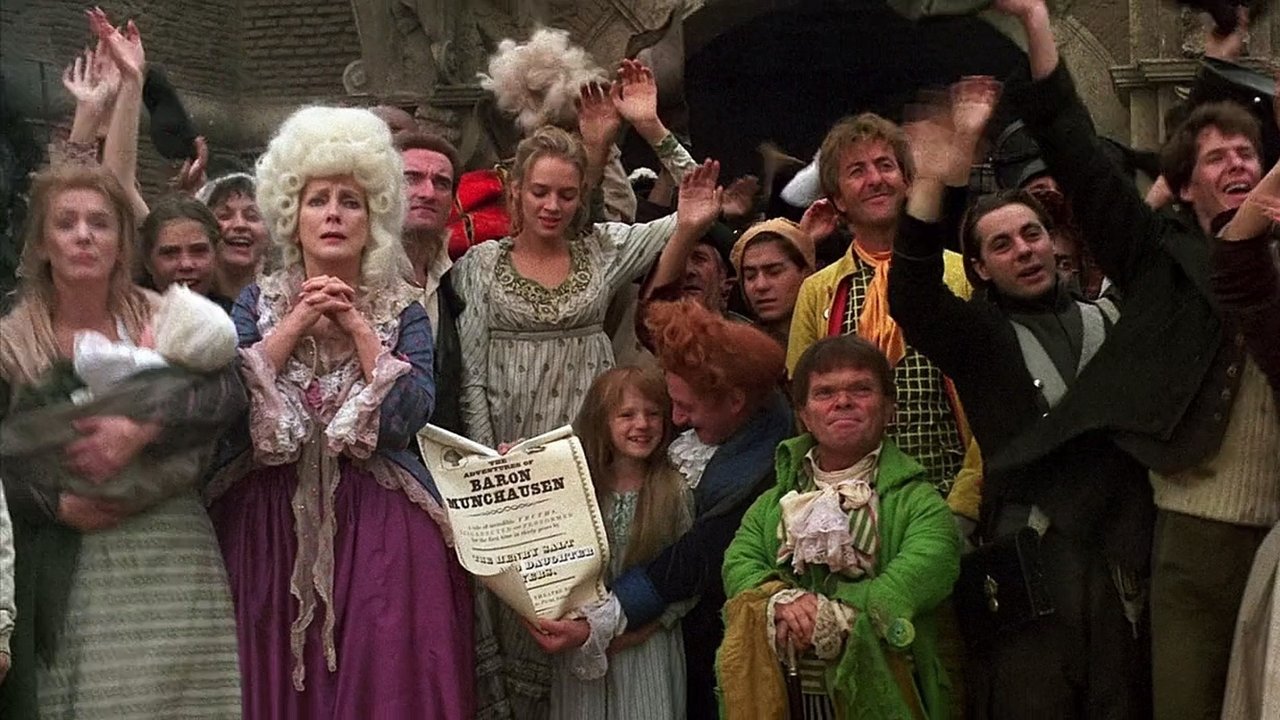
Remember settling in, maybe with a bowl of questionable 80s snacks, hitting play, and being plunged directly into… well, into utter glorious madness? The film throws us into a besieged, war-torn European city during the "Age of Reason," where logic and bureaucracy threaten to stifle every last spark of magic. Amidst the cannon fire and drab reality, a theatrical troupe attempts to stage the legendary tales of Baron Munchausen. Suddenly, an elderly man claiming to be the real Baron (John Neville) storms the stage, incensed at the inaccuracies, and proceeds to recount his actual, far more unbelievable adventures.
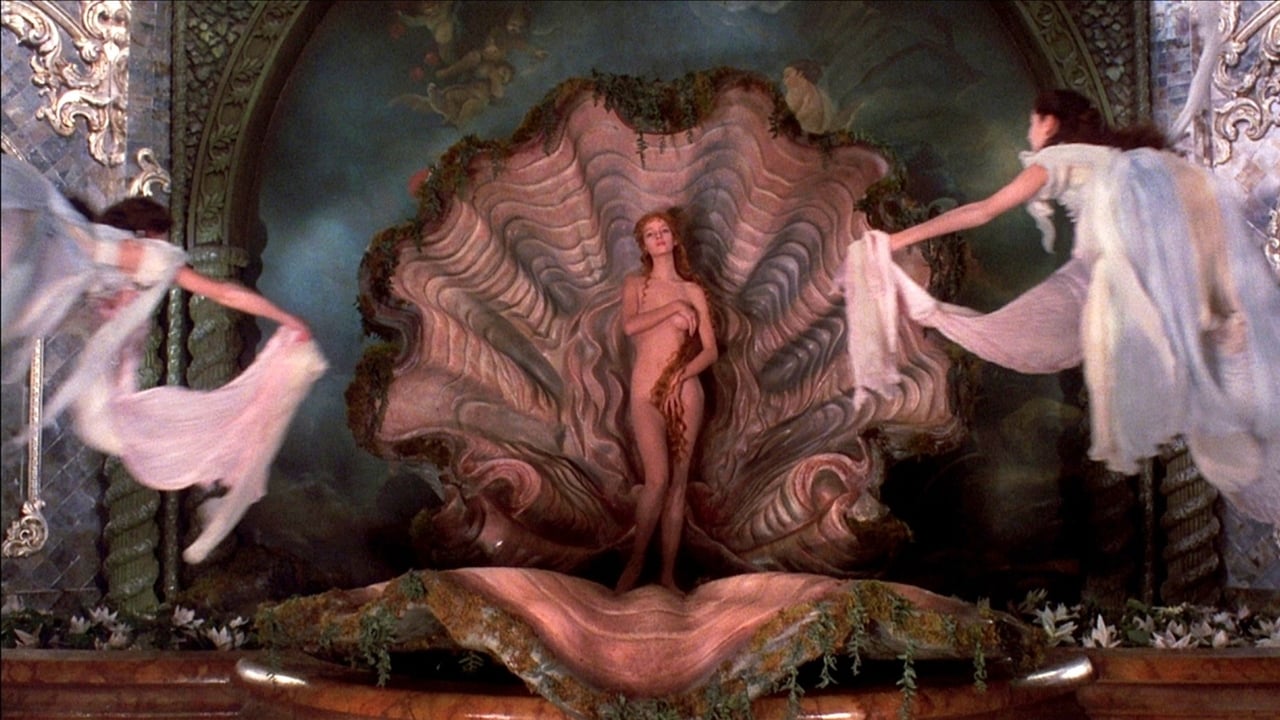
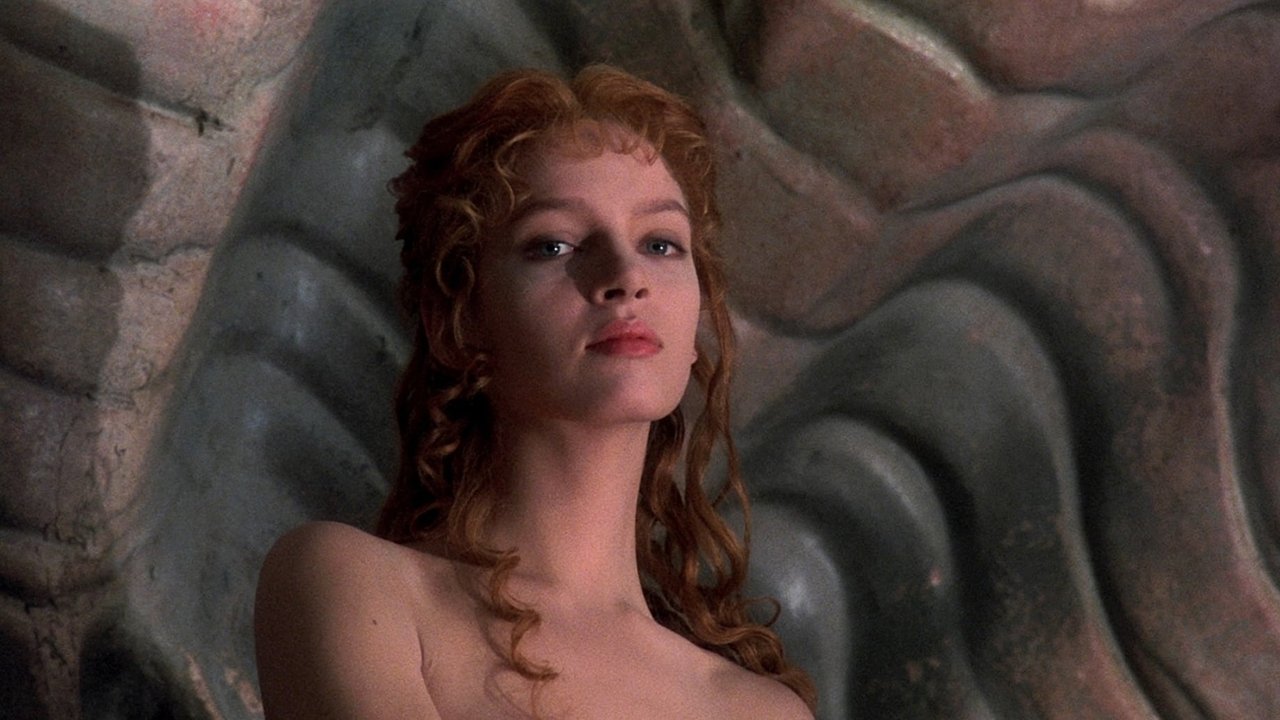
From there, it's a cascade of phantasmagorical set pieces. We join the Baron and young Sally Salt (Sarah Polley, in a remarkably poised early role) as they escape the city via a hot air balloon made of knickers (yes, really), gather the Baron’s old, super-powered companions, journey inside a giant sea monster, visit the Moon (ruled by a detached, floating head played hilariously by Robin Williams, credited pseudonymously as Ray D. Tutto!), and even dance with Venus (Uma Thurman in an early, luminous appearance) emerging Botticelli-style from a seashell. Gilliam, who co-wrote the screenplay with Charles McKeown (his collaborator on Brazil), isn't just telling a story; he's waging a visual war against mundanity itself.
### The Glorious Chaos of Creation
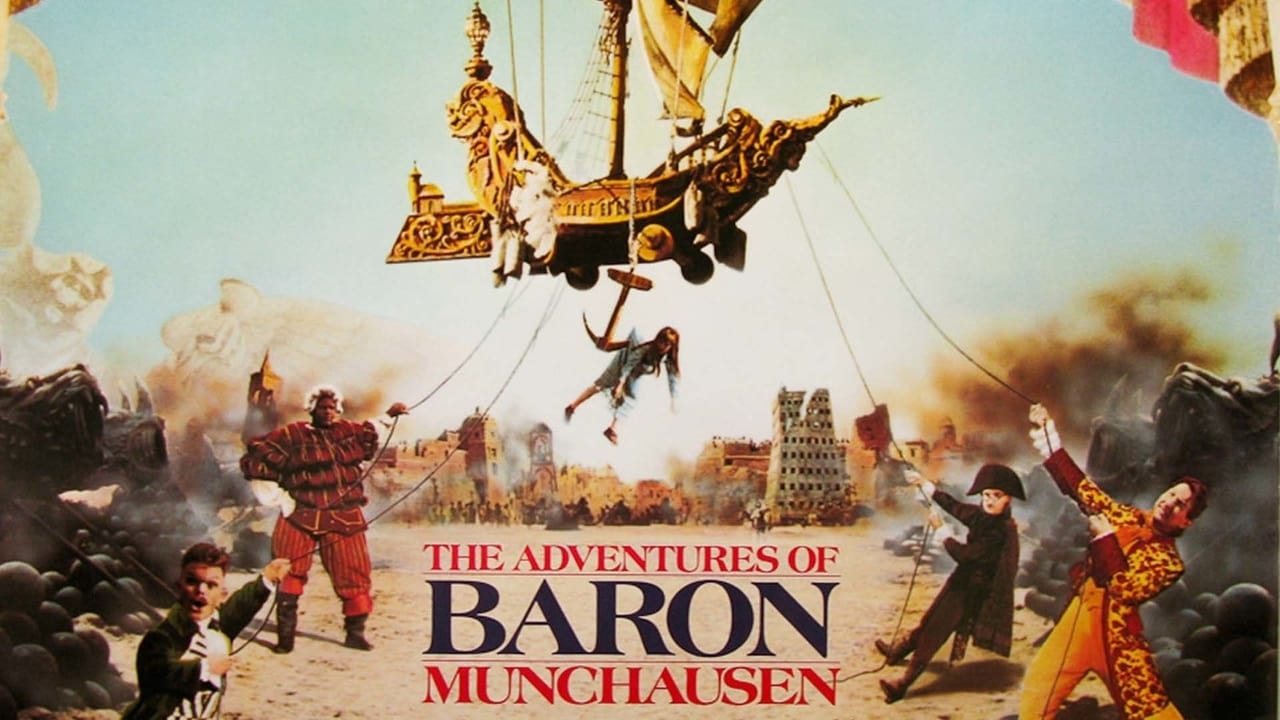
Pulling this off was, appropriately enough, an adventure almost as fraught as the Baron's own. The Adventures of Baron Munchausen is legendary for its troubled production. What started with a hefty (for the time) budget of around $23.5 million spiraled dramatically to an estimated $46.6 million – a sum that would make even a Hollywood studio treasurer blanch back in '88. This financial saga, coupled with notoriously difficult shooting conditions at Italy's Cinecittà studios and locations in Spain, earned the film a reputation as a financial disaster long before it even hit screens. It ultimately clawed back only about $8.1 million at the US box office, becoming a cautionary tale about unchecked directorial ambition.
But oh, what ambition! Every single one of those fraught dollars feels splashed onto the screen. Dante Ferretti's production design is a baroque marvel, Richard Conway's special effects are a masterclass in pre-digital ingenuity, and the costumes by Gabriella Pescucci are pure fantasy fodder. Watching it now, the practical effects – the creaking lunar landscapes, the tangible texture of the giant fish's innards, the sheer theatricality of Venus's arrival – possess a charm and weight that modern CGI often lacks. You feel the handcrafted nature of this world, which perfectly mirrors the Baron's own reliance on wit and imagination over brute force. I recall being utterly mesmerized by the sequence on the moon; the sheer weirdness of it felt revolutionary compared to the slicker sci-fi offerings of the day.
### More Than Just Spectacle
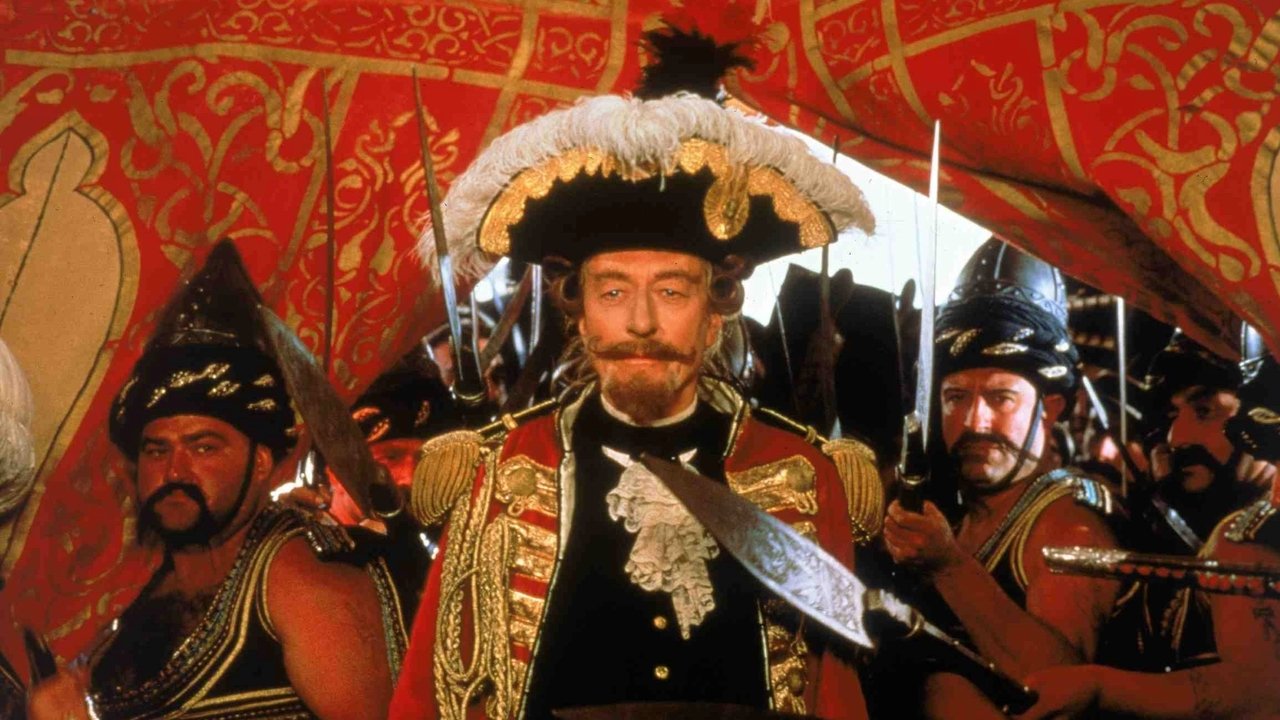
Beyond the visual feast, the casting is spot-on. John Neville, a respected stage actor, embodies the Baron with twinkling charm, unwavering self-belief, and a hint of melancholy. He sells the Baron's most outrageous boasts with effortless grace. The supporting cast, including fellow Python Eric Idle as the lightning-fast Berthold, Oliver Reed as the strongman Albrecht, and Charles McKeown himself as the sharp-eyed Adolphus, form a delightfully eccentric ensemble. And Jonathan Pryce, a Gilliam regular, is perfectly cast as the officious villain, The Right Ordinary Horatio Jackson, representing the stifling rationality the Baron rails against.
The film isn't just about fantastical journeys, though. It's a passionate defence of storytelling, imagination, and the power of dreams in the face of grim reality. The Baron’s “lies” are presented as essential truths, capable of literally saving the day. It’s a theme Gilliam explored before in Time Bandits (1981) and Brazil (1985) – forming an unofficial "Trilogy of Imagination" – but rarely with such visual opulence or defiant romanticism. Despite its troubled birth and initial commercial failure (garnering mixed reviews, though now boasting a strong 92% on Rotten Tomatoes and a 7.1 on IMDb), its reputation has rightly grown over the years. It’s a cult classic cherished for its audacity and artistry.
### Our Final Take
The Adventures of Baron Munchausen is like finding an ornate, slightly battered music box in the attic. It might be fussy, perhaps a bit overstuffed, and its narrative occasionally meanders like one of the Baron’s own tales. But open it up, and the sheer beauty, invention, and heartfelt passion spill out in a way few films dare to attempt. It’s a movie that demands you surrender to its logic, embrace its eccentricities, and believe in the impossible.
Rating: 9/10
This score reflects the film's staggering visual artistry, its unwavering commitment to imagination, delightful performances, and its status as a unique, if flawed, masterpiece. It loses a point perhaps for a narrative that sometimes feels secondary to the spectacle, but its ambition and charm are undeniable. It’s a film born of chaos, celebrating chaos, and ultimately, a triumphant testament to the power of a story fantastically told – a perfect gem for any VHS Heaven collection.