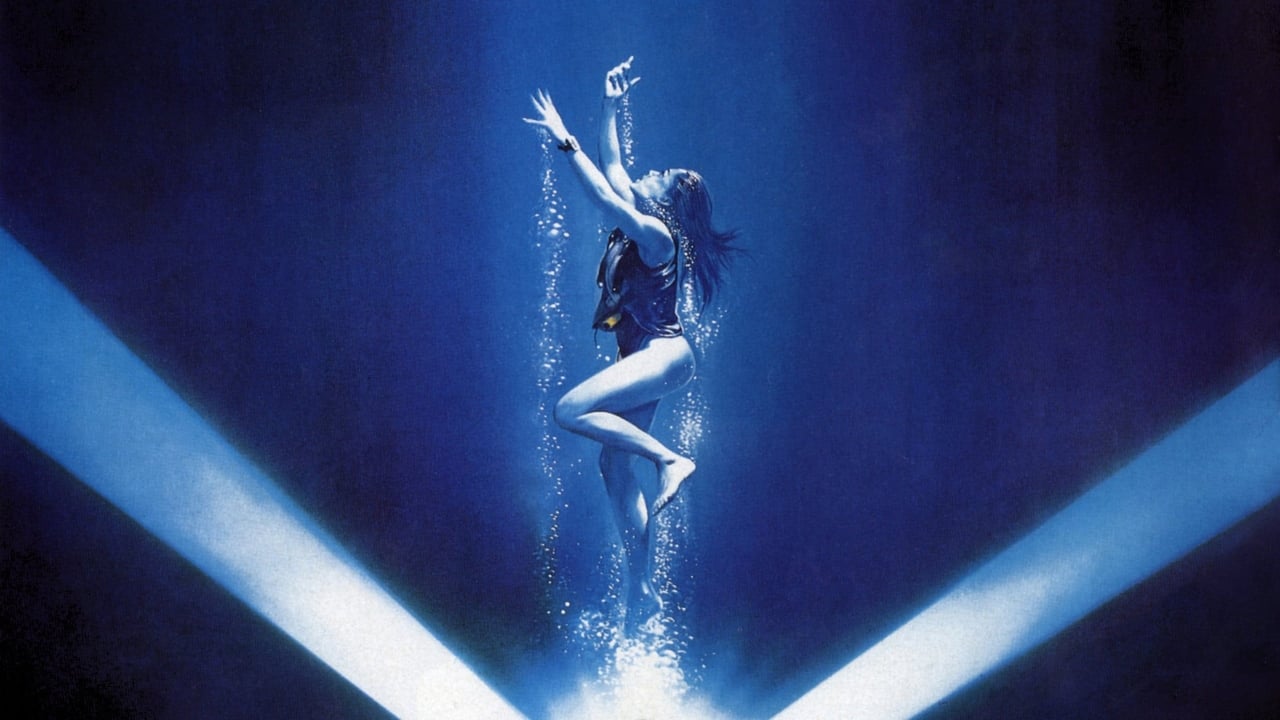
The static hiss of the deep-sea comms crackles, but it’s the silence that truly chills. Down there, leagues below the sunlit surface, pressure mounts – not just the crushing weight of the ocean, but the suffocating dread that permeates every bolted metal corridor of the Shack 7 mining facility. Leviathan (1989) plunges us into that abyss, a place where isolation breeds paranoia, and something ancient and hungry stirs in the wreckage of Cold War secrets. Remember the heft of that clamshell case, the promise of underwater terrors glimpsed on the cover? This was prime late-night rental fodder, the kind of movie that made you check the locks twice.
Into the Crush Depth
Directed by George P. Cosmatos, a filmmaker more readily associated with the explosive action of Rambo: First Blood Part II (1985) and Cobra (1986), Leviathan trades bullets for bio-horror. We join the weary crew of an undersea mining operation, counting down the days until their return to the surface. There’s geologist Steven Beck (Peter Weller, fresh off his iconic RoboCop duties), the pragmatic Dr. Thompson (Richard Crenna, reliable as ever after facing jungle warfare in First Blood), the sharp Willie (Amanda Pays, bringing some of that Max Headroom cool), and a familiar roster of blue-collar deep-sea grunts played by faces like Daniel Stern, Ernie Hudson, and Hector Elizondo. They're a solid ensemble, effectively selling the fatigue and burgeoning fear. Their discovery of a scuttled Soviet vessel, the titular Leviathan, and a sealed container of suspiciously potent vodka, kicks off a nightmare sequence of genetic mutation and desperate survival.
Winston's Watery Wonders
Let’s be honest: the plot, penned by heavyweights David Webb Peoples (Blade Runner, Unforgiven) and Jeb Stuart (Die Hard, The Fugitive), wears its influences on its dripping sleeve. You can practically tick off the checkboxes nodding to Alien (claustrophobic setting, corporate malfeasance, evolving monster) and The Thing (paranoia, body horror, assimilation). It arrived in 1989 alongside DeepStar Six and James Cameron’s The Abyss, part of an inexplicable underwater arms race. Yet, while Leviathan might not win points for originality, it delivers where it counts for fans of the era: creature effects.
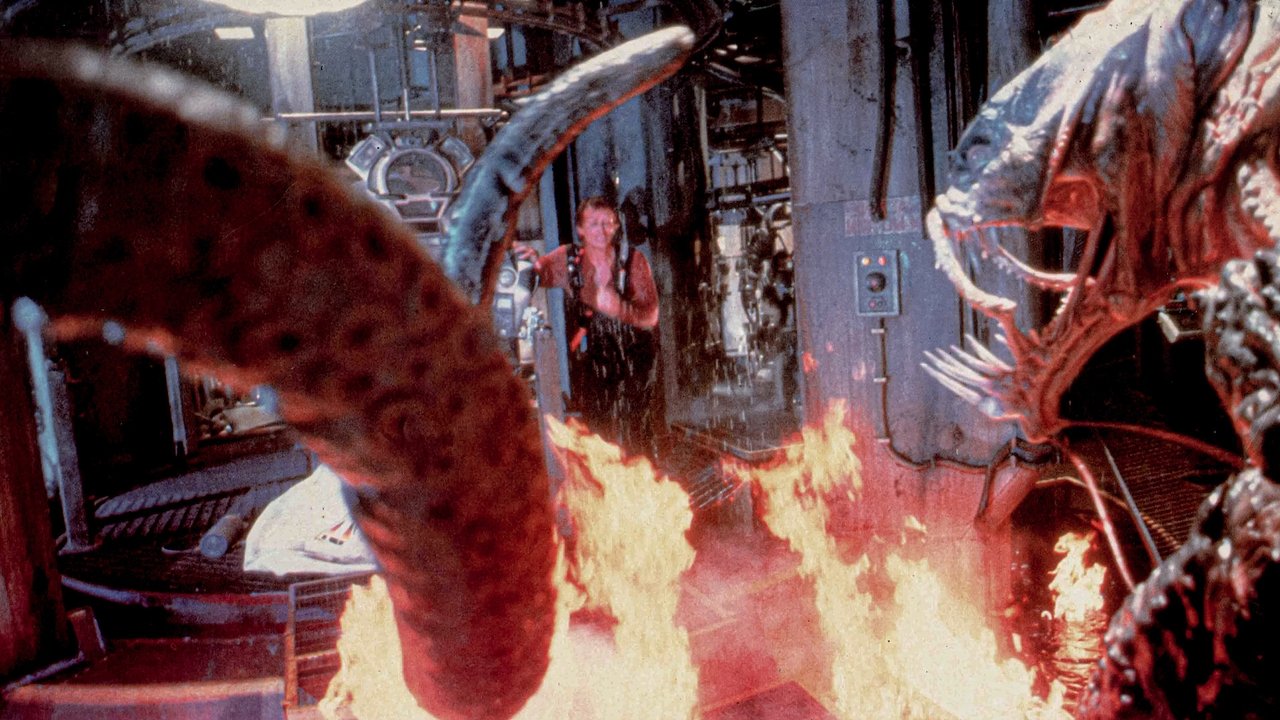
The legendary Stan Winston Studio was behind the grotesque transformations and the final monster mash. Remember seeing that first mutation bloom? The way flesh bubbles and reshapes itself? It’s pure, visceral body horror, rendered with a slimy tangibility that CGI rarely captures. Winston’s team reportedly faced considerable challenges bringing these nightmares to life within the film's estimated $20 million budget, but the results are often genuinely unsettling. The creature itself, a gruesome hybrid of its assimilated victims, feels like a tangible threat – a thrashing, biting mass of stolen biology. Doesn't that practical, almost tangible horror still get under your skin in a way slicker modern effects often miss?
Atmosphere and Aqueous Anxiety


Cosmatos, despite his action pedigree, manages to build a decent sense of claustrophobia. The Shack 7 interiors, filmed primarily at Cinecittà in Rome and on Malta, feel appropriately cramped and utilitarian. Water is everywhere – dripping, leaking, flooding – adding to the oppressive dampness. Coupled with a typically effective, driving score by the master, Jerry Goldsmith (whose iconic work includes Alien and Poltergeist), the film cultivates a persistent hum of anxiety. It might borrow heavily, but it executes its borrowed elements with a certain workmanlike intensity. It’s fascinating to note that David Webb Peoples reportedly disliked the final film, suggesting perhaps studio tinkering or budgetary constraints might have diluted the original vision penned by him and Stuart. Despite making back around $16 million worldwide, it wasn't the hit the studio hoped for, perhaps lost in the wake of its deep-sea competitors.
A Familiar Descent Worth Retaking
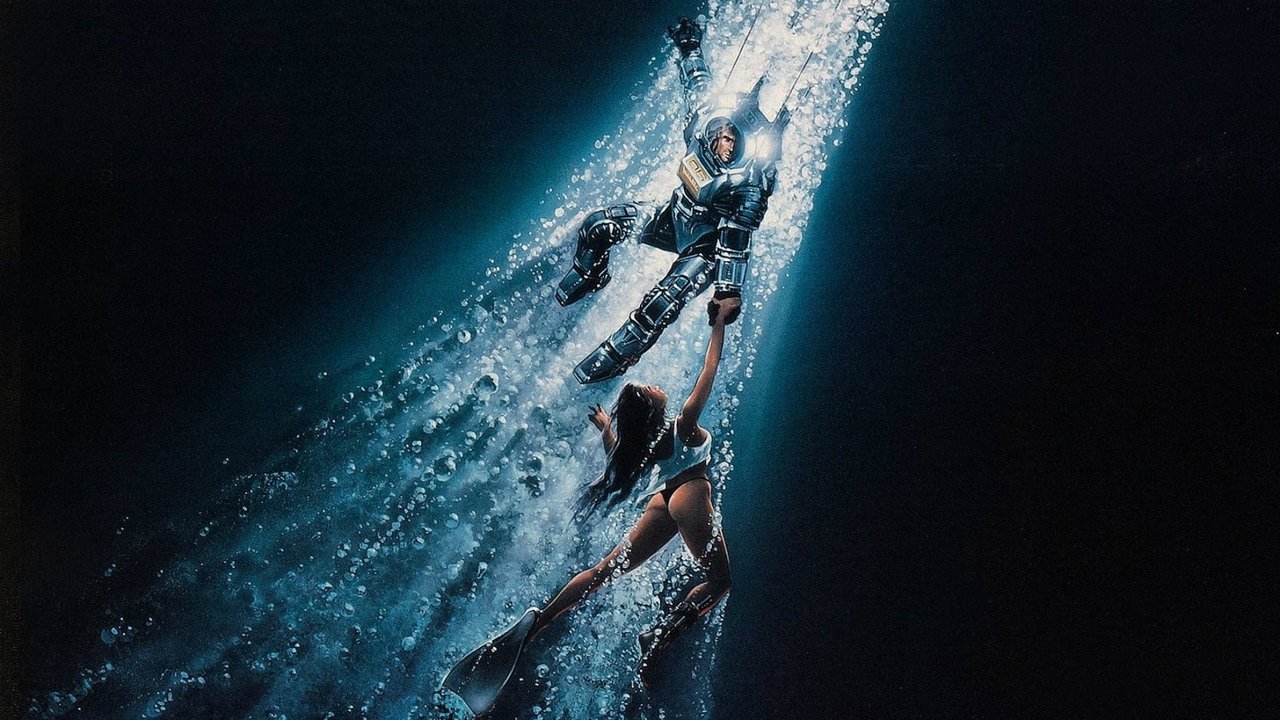
Watching Leviathan now feels like revisiting a comfortable, if slightly damp, corner of the 80s video store. It’s a creature feature built from familiar parts, yet assembled with enough craft and featuring such memorable practical effects that it transcends mere imitation. Peter Weller provides a solid anchor, projecting intelligence and quiet desperation, while Crenna adds gravitas as the voice of scientific reason amidst the chaos. The supporting cast holds their own, even if their characters feel somewhat archetypal. I recall renting this one specifically because the box art promised something monstrous lurking in the deep, and while it delivered on that promise, it was the slow creep of infection and the grotesque transformations that truly stuck with me long after the credits rolled and the VCR clicked off.
It may not be the apex predator of the underwater horror subgenre, lacking the profound mystery of The Abyss or the relentless perfection of Alien, but Leviathan is a damn effective creature feature in its own right. It’s a testament to the power of practical effects, a showcase for a solid cast trapped in watery hell, and a perfect slice of late-80s genre filmmaking.
Rating: 7/10
Leviathan earns its score through sheer atmospheric dread, impressive (and often disgusting) Stan Winston creature work, and a committed cast. While its narrative DNA is clearly borrowed, it executes the familiar beats with enough conviction and slimy spectacle to make it a satisfying dive into deep-sea horror. It remains a quintessential example of the kind of movie that made browsing the horror aisle of the video store such a thrilling gamble – sometimes you found derivative duds, but sometimes you unearthed a genuinely creepy gem like this.