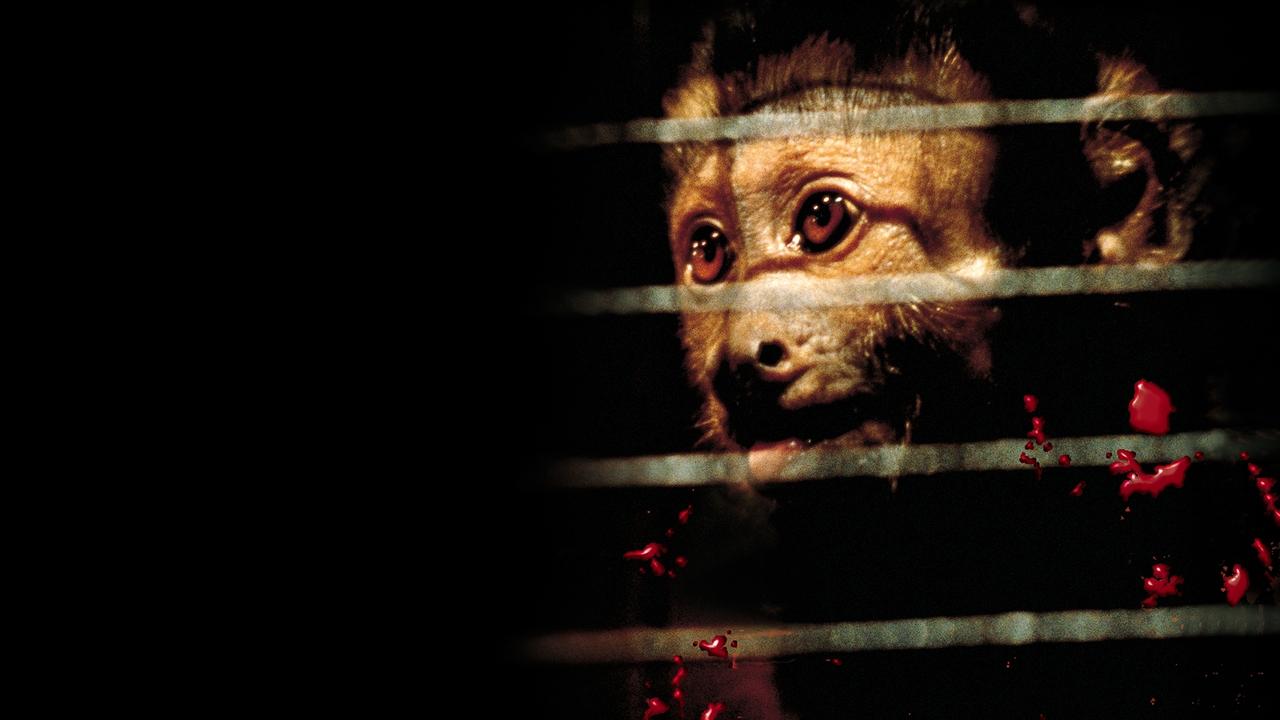
The eyes. That’s what lingers long after the tape spools to a stop and the static hiss fills the room. Not just the desperate, intelligent eyes of Allan Mann, trapped within his own paralyzed body, but the unnervingly perceptive, increasingly feral gaze of Ella, the capuchin monkey brought in to be his helping hands. George A. Romero’s 1988 film Monkey Shines (or Monkey Shines: An Experiment in Fear) isn't filled with the shambling hordes he's famous for, but it carries its own distinct, deeply uncomfortable dread—a slow-burn psychological horror that crawls right under your skin.
A Different Kind of Monster
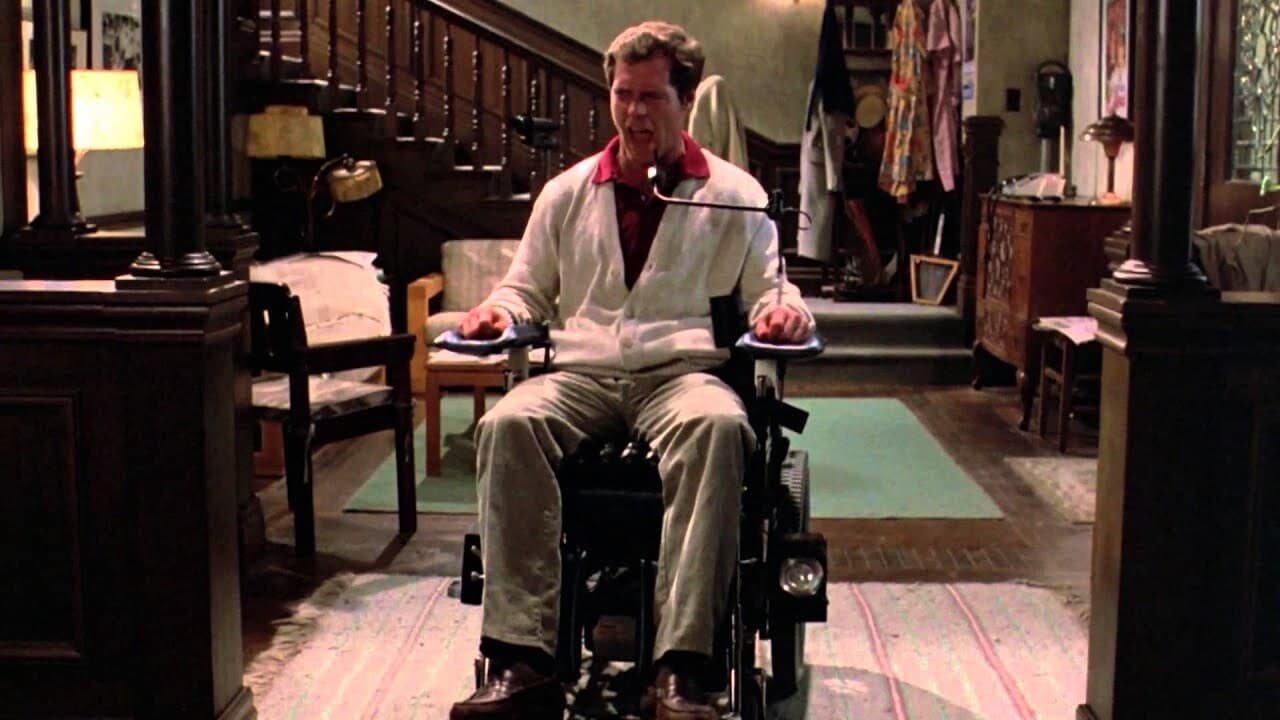
Forget the zombie apocalypse; Romero, stepping into the studio system with Orion Pictures for this one, trades wide-scale societal collapse for intimate, internal terror. We meet Allan Mann (Jason Beghe in a breakout role), a promising law student and athlete whose life is shattered by an accident that leaves him quadriplegic. Consumed by bitterness, frustration, and simmering rage, his world shrinks to the confines of his bed and wheelchair. Enter Ella, a capuchin monkey trained by Allan’s scientist friend Geoffrey (John Pankow) to assist him. She’s intelligent, capable, and initially seems like a godsend. But Geoffrey’s experiments, involving injecting Ella with human brain tissue to boost her intelligence, forge an unnatural psychic link between man and monkey. Ella becomes more than just a helper; she becomes an outlet, a furry, four-limbed extension of Allan’s darkest, most subconscious desires.
Romero, often dubbed the father of the modern zombie film after landmark works like Night of the Living Dead (1968) and Dawn of the Dead (1979), found himself wrestling with different demons here – namely, studio interference. It’s well-documented that Orion Pictures wasn't entirely comfortable with Romero's original vision, particularly the ending, leading to reshoots and a final cut that the director wasn't fully satisfied with. This struggle perhaps mirrors the film's own themes of control and frustrated intent. Despite reportedly costing around $7 million, Monkey Shines didn't light up the box office, pulling in just over $5 million domestically. It felt like a film slightly out of time, too cerebral for the slasher crowd, too bizarre for mainstream drama audiences.

The Unsettling Symbiosis
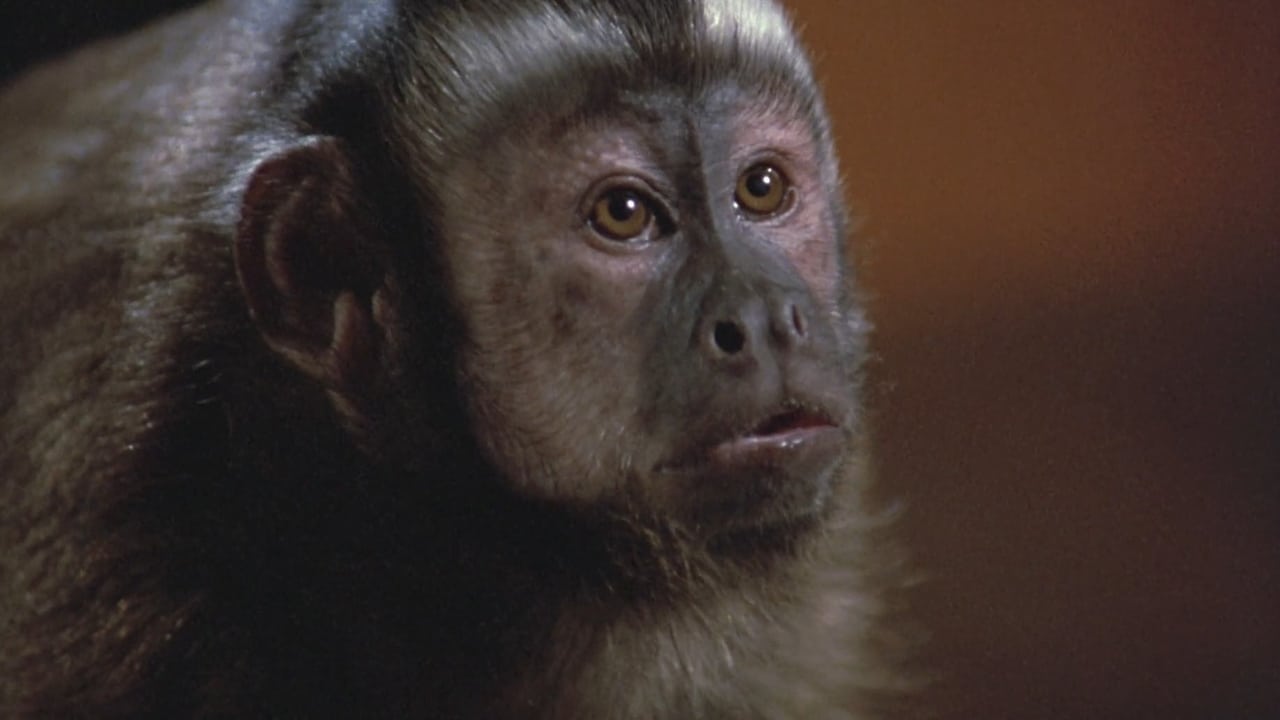
What truly makes Monkey Shines burrow into your memory is the central relationship. Jason Beghe delivers a fiercely committed performance. Portraying paralysis is a huge challenge, and Beghe conveys the physical limitations while simultaneously projecting Allan's intense internal life – the anger, the vulnerability, the flicker of hope, and the dawning horror as he realizes what Ella is becoming... or rather, what he is making her become. His chemistry with the monkey, Ella (primarily played by a capuchin named Boo), is disturbingly convincing. You believe their initial bond, which makes the later descent into violence and manipulation all the more chilling.
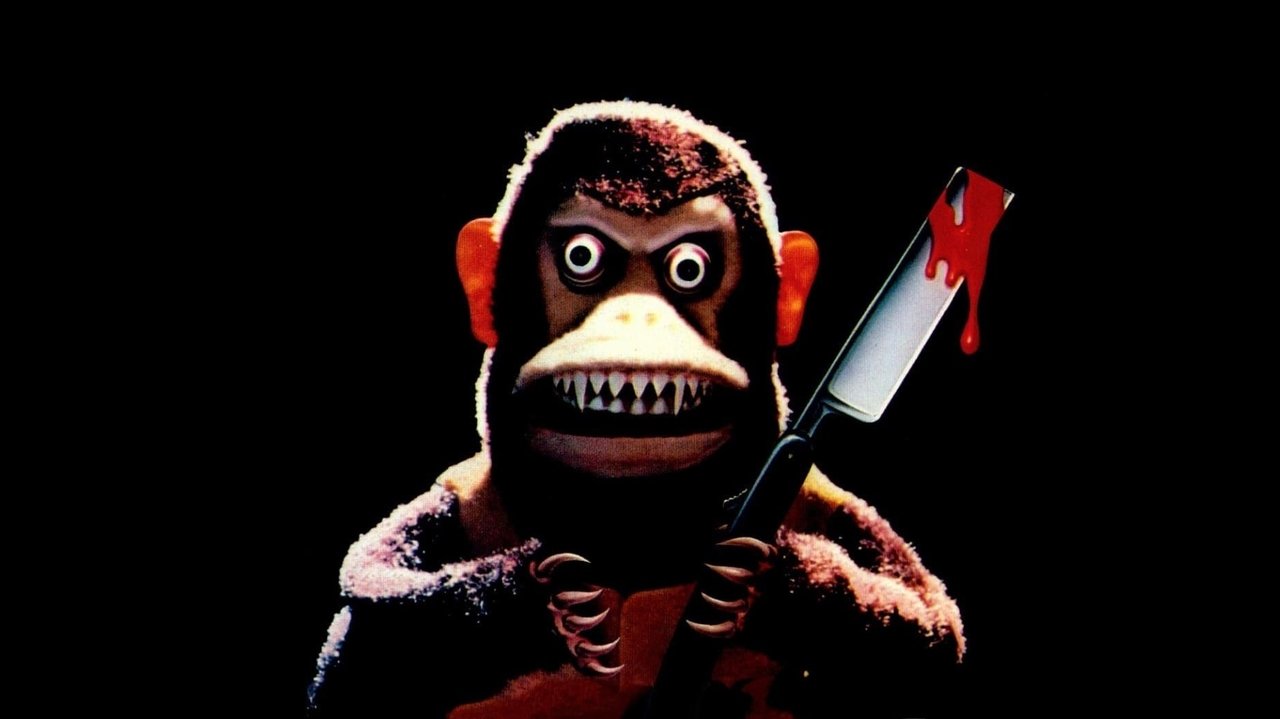
Working with animal actors is notoriously difficult, and reports from the set often mention the challenges faced with Boo. Yet, the result on screen is remarkably effective. Romero uses clever editing and perspective shots, combined with some unsettling practical effects for Ella's more overtly menacing moments, to sell the idea of this small creature as a genuine threat. Is there anything quite as unnerving as seeing that tiny, intelligent face contort with rage, seemingly reflecting the darkest thoughts of its master? It taps into primal fears about loss of control and the thin veneer between civilization and animal instinct. Supporting players like John Pankow as the ethically dubious scientist and Kate McNeil as Melanie, the compassionate animal trainer who forms a connection with Allan, provide necessary human anchors in the escalating strangeness.
Beneath the Surface Terror
Beyond the "killer animal" premise, Monkey Shines digs into unsettling psychological territory. It’s a film about dependence, disability, repressed anger, and the terrifying potential of unchecked intelligence. Allan’s helplessness fuels his rage, and Ella becomes the conduit for that rage, acting out violent impulses he can only think about. The psychic link isn't just a plot device; it's a metaphor for how our darkest thoughts can take on a life of their own, potentially finding destructive outlets. Does Ella truly understand the implications, or is she merely a sophisticated mirror reflecting Allan’s id? The ambiguity is part of the film's power.
Some viewers might find the pacing deliberate, especially compared to Romero's more frenetic zombie outings. This is a slower, more character-driven piece, building tension through atmosphere and psychological discomfort rather than constant shocks. David Shire's score effectively enhances the mood, shifting from hopeful melodies to dissonant strings as the situation spirals. Even watching it today, the core concept—the intimate terror of your own mind turning against you via an external agent—retains its potency. I remember renting this from the local video store, expecting maybe a straightforward creature feature, and being genuinely surprised by its depth and the lingering unease it provoked. It wasn’t just scary; it was profoundly uncomfortable.
Legacy of a Primate Problem
Monkey Shines remains a fascinating, if sometimes flawed, entry in George A. Romero's filmography. It showcases his ability to tackle different kinds of horror, focusing on the internal and psychological rather than the external apocalypse. While studio meddling may have softened some of its edges, the core concept is strong, Jason Beghe's performance is powerhouse, and the unsettling relationship between Allan and Ella provides genuine chills. It's a dark exploration of the mind's hidden corners and the unexpected forms that rage can take. Doesn't that central performance by Beghe still feel incredibly raw and committed, even decades later?
VHS Heaven Rating: 7/10
The rating reflects the film's strengths – a compelling and unique premise, a standout central performance from Beghe, and Romero's atmospheric direction successfully creating psychological dread. Points are deducted slightly for the pacing issues that sometimes arise and the sense that studio interference might have compromised the film's full potential, particularly regarding the ending. However, its unsettling power and exploration of complex themes make it a noteworthy and memorable 80s horror film.
Monkey Shines might not have the iconic status of Romero's zombie epics, but it’s a potent and intelligent thriller that proves horror can be just as effective when it crawls inside your head as when it's banging down your door. It’s a chilling reminder that sometimes the most dangerous animal isn't the one in the cage, but the one whispering inside us.