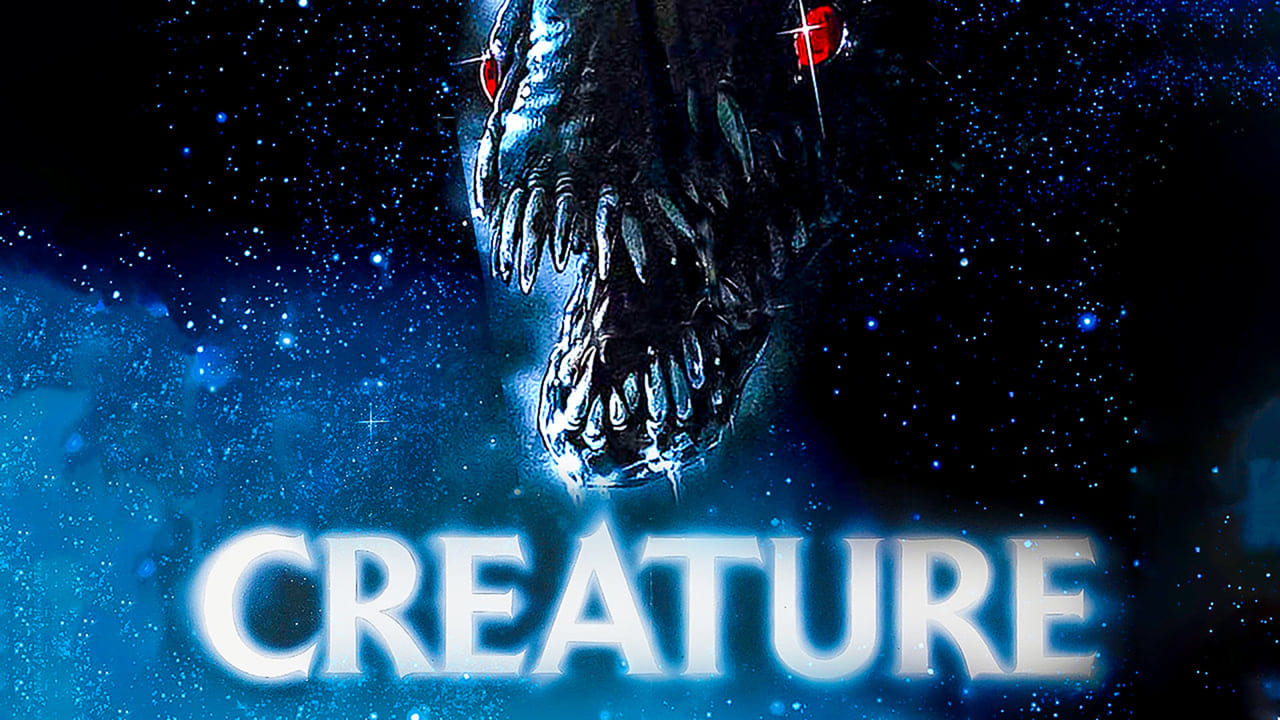
Dust motes dancing in the projector beam of memory often land on familiar territory: the soaring spectacle of a blockbuster, the gut-punch of a prestige drama. But sometimes, they illuminate something else… something dredged from the deeper, darker shelves of the video store. Something like William Malone’s Creature (1985). The stark, often lurid VHS cover promised interstellar terror, a promise whispered in the shadow of a cinematic titan that had landed just six years prior. Did it deliver? Well, that depends on which moon you landed on.
### Echoes in the Void
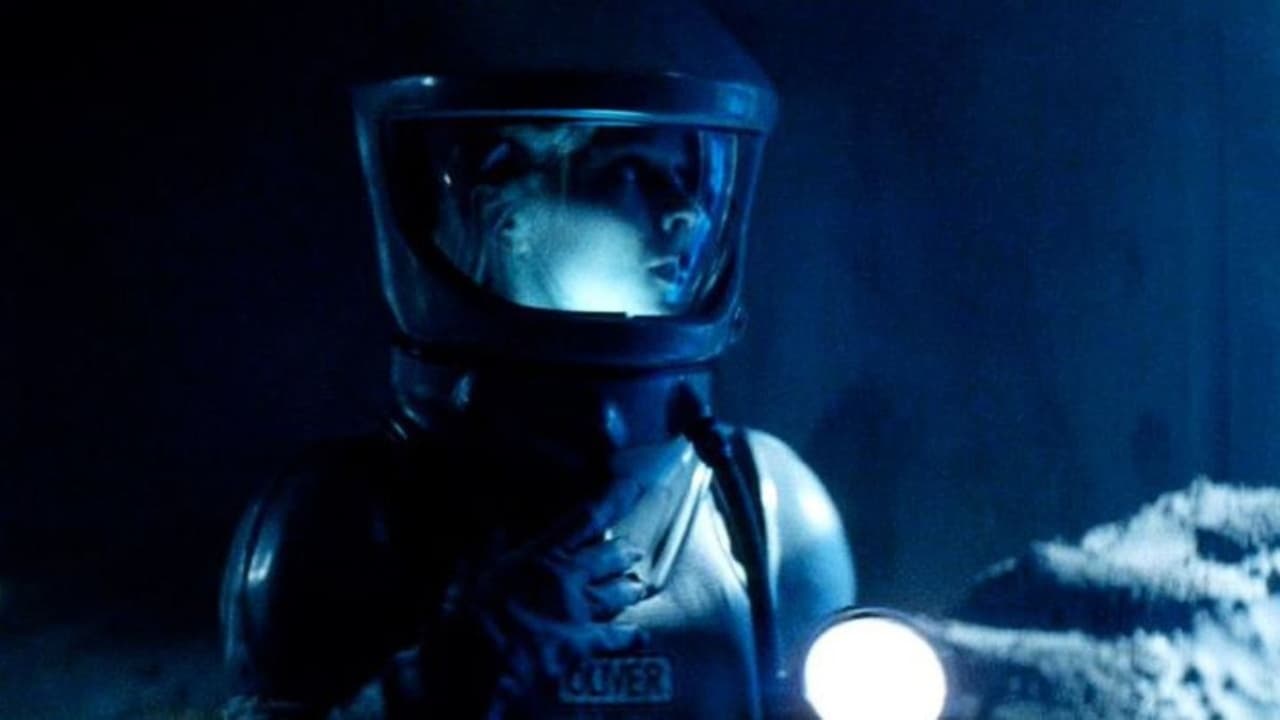
Let’s be blunt: the specter of Ridley Scott’s Alien (1979) hangs heavy over Creature like the perpetual twilight on Titan's moon, where our story unfolds. Rival corporations, a distress signal, a derelict alien craft, a parasitic life form using human hosts… the checklist is undeniable. Yet, dismissing it solely as a clone feels… incomplete. Watching it again, decades removed from its initial release (often under the alternate title Titan Find), there’s an earnestness to its B-movie aspirations, a grimy, low-budget charm that resonates with the particular frequency of Reagan-era sci-fi horror. Malone, who cut his teeth making masks and props (including for his debut Scared to Death), clearly pours his passion for monster-making into this $750,000 endeavor, stretching every dollar until it screams.
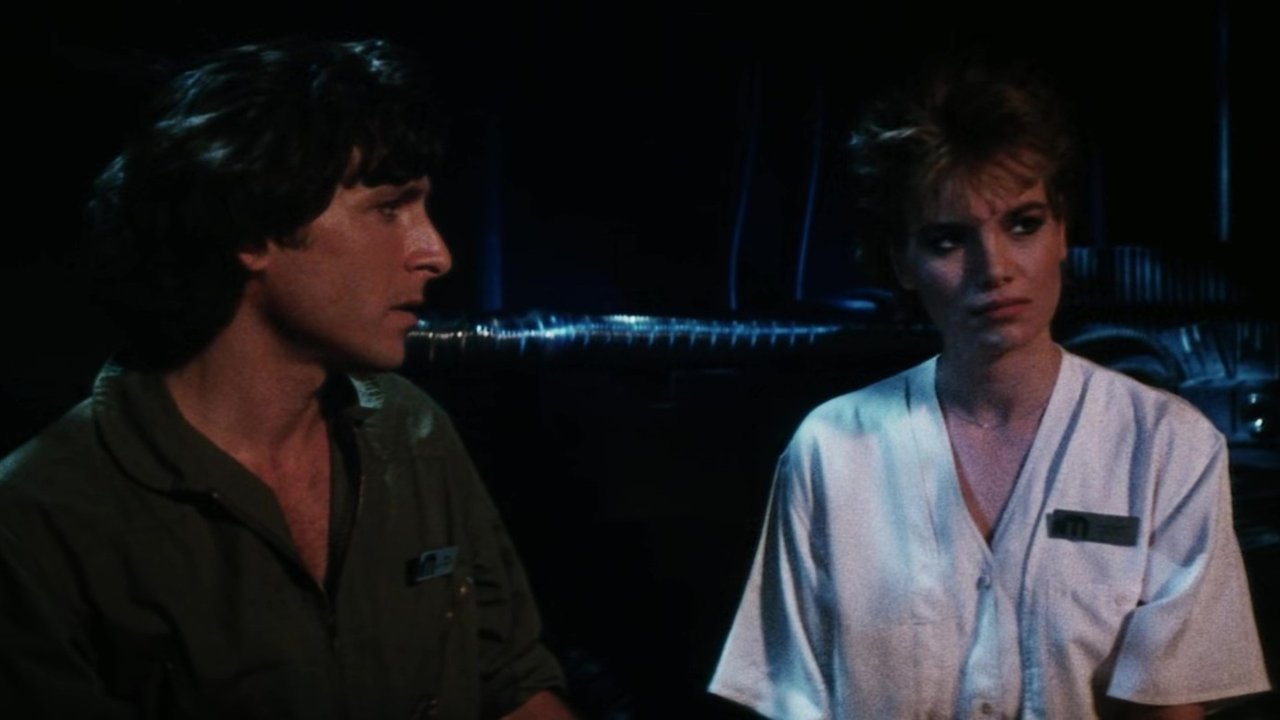
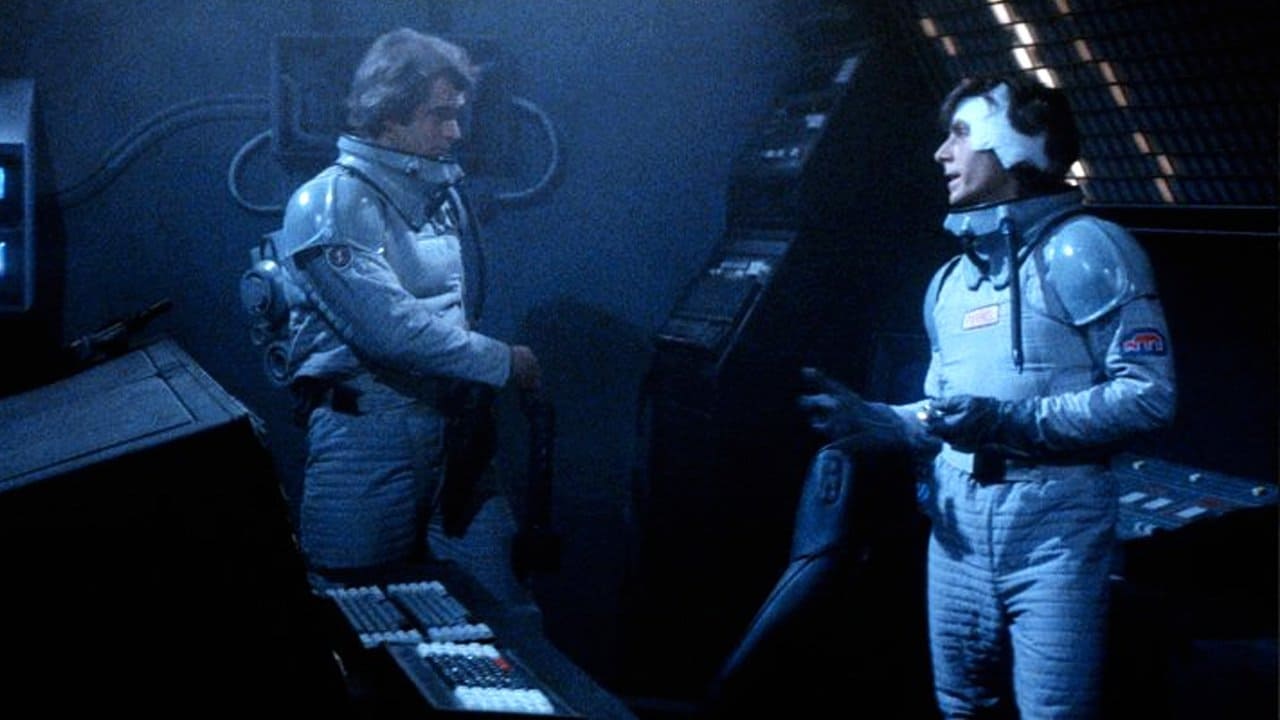
The setup is pure pulp: American NTI and German Richter corporations race to exploit resources on Titan. When the NTI crew crash-lands near a prior Richter expedition's base, they discover not competitors, but victims. An ancient, predatory alien, unearthed from geological samples, has turned the outpost into a charnel house, capable of reanimating its prey into zombie-like thralls controlled by eerie parasites clamped onto their skulls. It falls to the NTI survivors, including rugged Captain Mike Davison (Stan Ivar, a familiar face from TV’s Little House on the Prairie), corporate scientist Beth Sladen (Wendy Schaal, later of Innerspace fame), and security chief David Perkins (Lyman Ward, just a year before becoming Ferris Bueller’s dad), to figure out what they’re up against before they join the collection.
### Grime, Gore, and German Intensity
Where Creature finds its own murky identity is in its tactile, claustrophobic execution. Forget gleaming corridors; these sets feel constructed from salvaged industrial parts, perpetually damp and dimly lit. Malone leverages the limited budget to create a sense of oppressive confinement. Steam hisses, lights flicker, and the production design feels functional and lived-in, albeit in a distinctly ‘80s sci-fi way. The film’s true star, however, is the titular beast and its gruesome handiwork. The practical effects, while clearly showing their seams today, possess a visceral, slimy quality that CGI often lacks. The creature itself is a memorable piece of grotesque bio-mechanics, and the parasite-controlled zombies, with their milky eyes and jerky movements, are genuinely unsettling. Remember how tangible those latex skins and corn syrup blood felt on a fuzzy CRT? Creature delivers that specific brand of physical horror.
And then there's Klaus Kinski. Appearing as Hans Rudy Hofner, the sole, unhinged survivor of the German crew, Kinski doesn't just chew the scenery; he appears to be attempting to psychically devour it. Reportedly, he rewrote most of his dialogue and brought his trademark intensity (read: volatility) to the set. His performance is utterly bizarre, oscillating between catatonic whispers and sudden, feral outbursts. It’s a detour that injects a jolt of pure, unpredictable weirdness into the proceedings, a genuine "What is happening?" moment that elevates the film beyond mere imitation. Does it make narrative sense? Barely. Is it fascinating to watch? Absolutely. It’s one of those strange casting choices that accidentally becomes iconic within the film’s cult following.
### Legacy of a Low-Budget Survivor
Despite its derivative nature, Creature manages moments of genuine tension and effective scares. The pacing can be uneven, and the characters are largely archetypes moving through familiar motions, but Malone orchestrates some solid sequences, particularly the initial exploration of the silent, corpse-strewn Richter base. It plays like a funhouse version of Alien, hitting similar beats but with a scrappier, more desperate energy. Its journey from theatrical release to becoming a staple on video store shelves, often discovered by horror fans looking for their next fix after exhausting the bigger names, cemented its place in the VHS ecosystem. It wasn’t Alien, no, but it was available, it had a cool monster, and sometimes, on a Friday night with a pizza, that was more than enough.
Watching it now evokes that specific nostalgia – the thrill of finding a hidden gem (or at least a competent copycat) in the horror aisle, the slight grain of the tape somehow enhancing the film's gritty aesthetic. It represents a certain tier of 80s sci-fi horror: ambitious within its means, packed with practical effects, and aiming squarely to deliver creature-feature thrills. It might borrow heavily, but it does so with a certain endearing, B-movie conviction.
Rating: 6/10
Justification: Creature earns a solid 6 for its effective atmosphere, memorable practical creature design, and the sheer unhinged energy brought by Klaus Kinski. It delivers on its promise of 80s sci-fi horror thrills, even if its narrative owes an enormous debt to Alien. The low budget is palpable but often used creatively to enhance the claustrophobia. It loses points for its derivative plot, somewhat wooden acting from the leads (bar Kinski's wild card performance), and occasionally sluggish pacing. However, for fans of the era's practical effects extravaganzas and those seeking a prime example of an Alien-inspired creature feature, it remains a worthwhile watch.
Final Thought: While it may forever dwell in the shadow of its obvious inspiration, Creature stands as a testament to the enduring appeal of low-budget ingenuity and practical monster mayhem – a true relic of the VHS era's deeper cuts.