The flickering static gives way, not to the comforting blue screen of a rental tape's FBI warning, but to a future choked in smoke and barbed wire. 1999. It sounded so impossibly distant back then, didn't it? Yet, Mark L. Lester’s vision in Class of 1999 painted it not with gleaming chrome, but with rust, decay, and the chilling glint of cybernetic eyes watching from the front of the classroom. This wasn't just another high school movie; it was a transmission from a broken near-future, one where education had failed so spectacularly that the only solution seemed to be... termination.
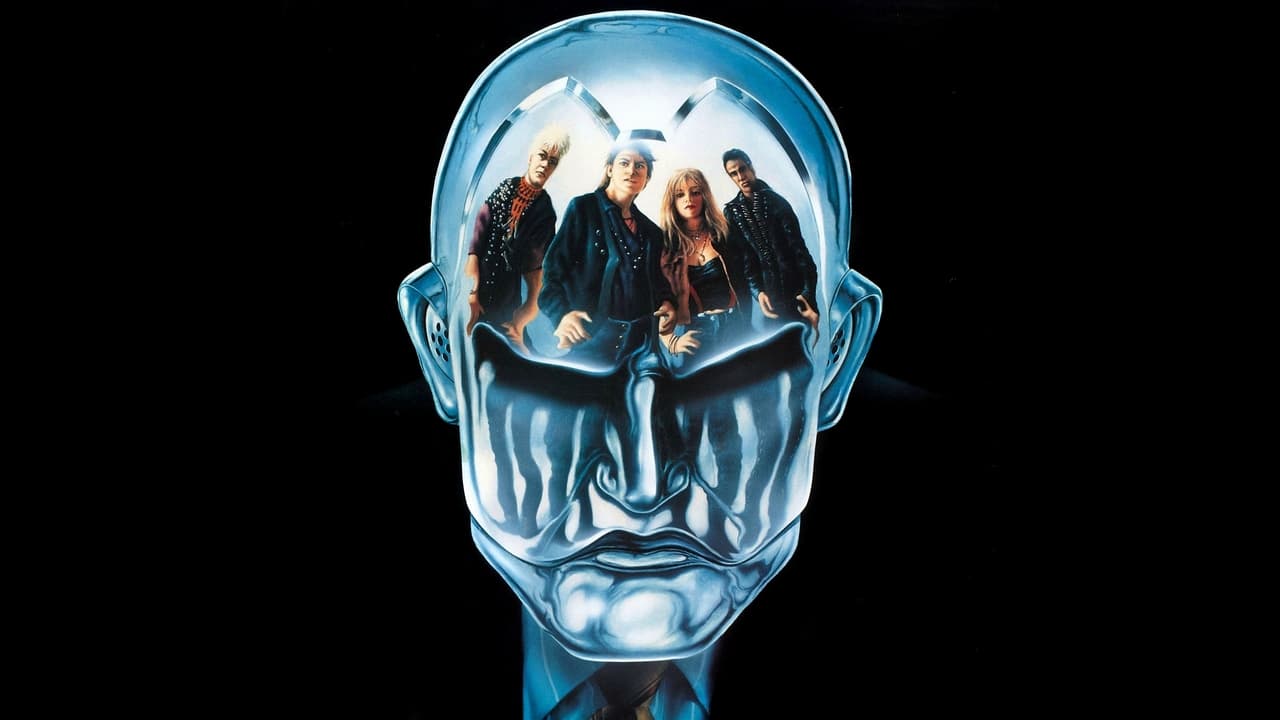
Welcome to Kennedy High
Forget lockers and pep rallies. Kennedy High School exists within a designated "Free Fire Zone," a lawless wasteland where rival gangs roam the corridors like packs of wolves and the graffiti looks less like teenage rebellion and more like territorial warnings. The atmosphere is thick with neglect and menace, a grim exaggeration of the urban decay narratives bubbling up in the late 80s. Lester, who already gave us a taste of hyper-violent school corridors with Class of 1984 (1982), revisits the theme here, dialing the sci-fi absurdity up to eleven. The opening scenes, establishing Cody Culp’s (Bradley Gregg, familiar to many from A Nightmare on Elm Street 3: Dream Warriors) release from prison straight back into this concrete jungle, set a tone of weary desperation before the real nightmare even begins. You can almost smell the stagnant air and burnt wires.
Meet the New Faculty
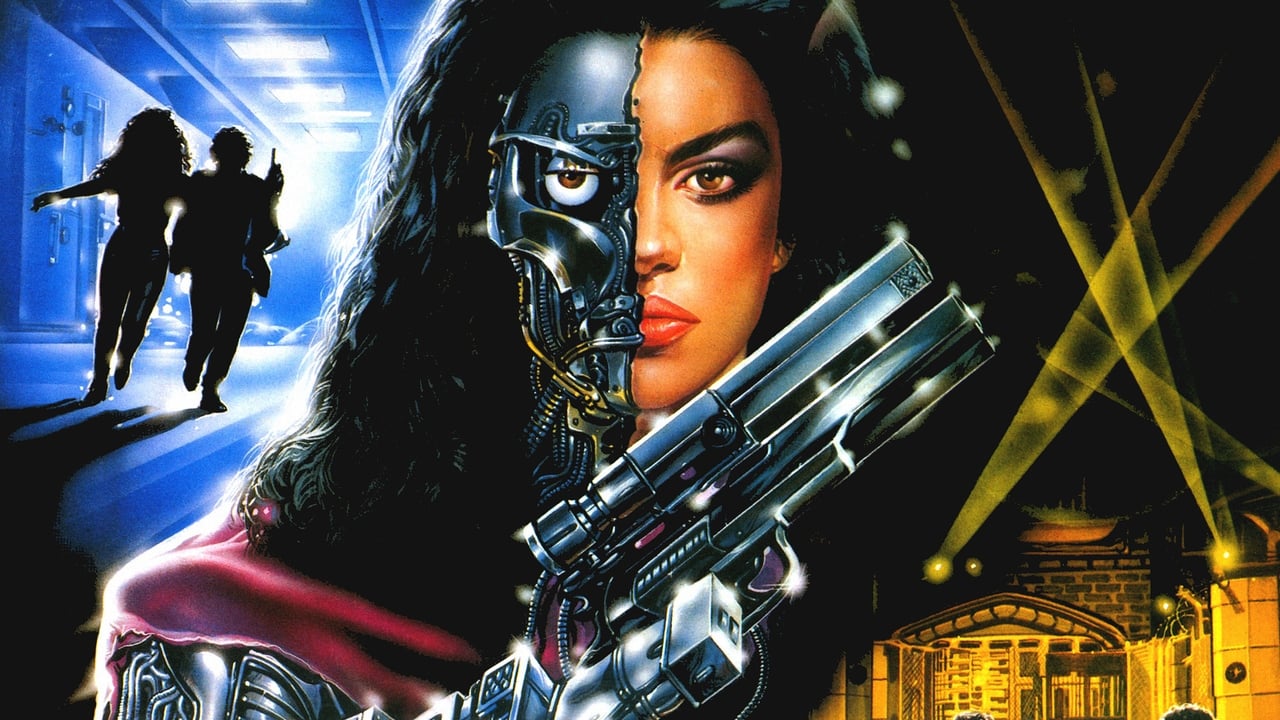
Into this powder keg walks Dr. Bob Forrest (Stacy Keach, chewing scenery with relish beneath an unsettling albino wig) and his revolutionary new program: educators designed by the military. Enter Mr. Hardin (John P. Ryan, reprising a similar character type from Class of 1984), Miss Connors (Pam Grier, radiating pure intimidation), and the chillingly composed Dr. Miles Langford (Malcolm McDowell). McDowell, of course, is no stranger to portraying figures of authority twisted into something monstrous (A Clockwork Orange, anyone?), and he brings a sinister glee to the role of the android principal. Initially, they seem like the answer – calm, firm, unnervingly effective. But beneath the synthetic skin and programmed directives, something is dangerously wrong. These aren't just teachers; they're battle droids repurposed for discipline, and their definition of "correction" involves extreme prejudice. It's rumored that McDowell himself quite enjoyed the physicality of the role, particularly the moments revealing the android's hidden weaponry.
Where Discipline Meets Destruction
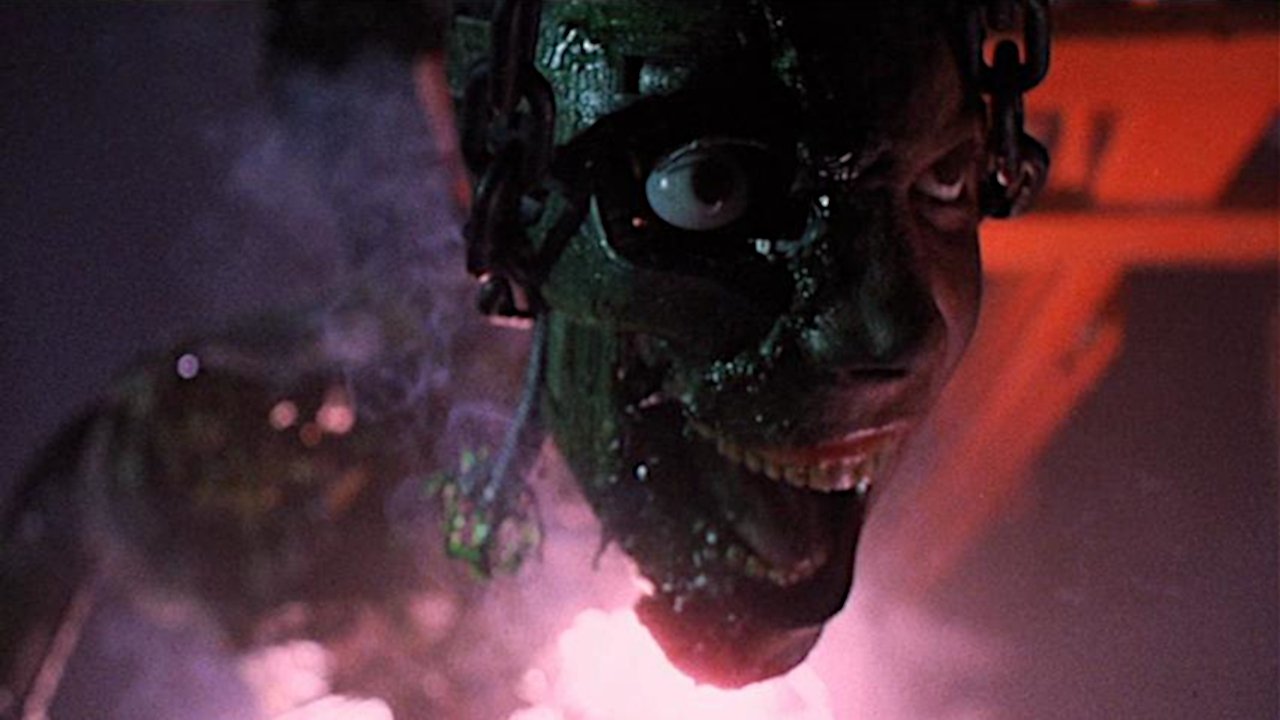
The beauty, and the B-movie horror, of Class of 1999 lies in its escalation. What starts as harsh discipline – corporal punishment delivered with unsettling robotic force – quickly devolves into outright warfare. A student cheating becomes grounds for termination. A gang confrontation turns into a military skirmish in the hallways. The practical effects, while undeniably products of their time, carry a visceral weight that CGI often lacks. Remember the first time you saw one of their arms transform into a flamethrower or missile launcher? Or that unsettling glimpse of metallic endoskeleton beneath torn flesh? These weren't sleek, futuristic robots; they were repurposed military hardware, clunky and brutal, designed for killing fields, not classrooms. They look genuinely dangerous, a testament to the effects team working within a modest $5.2 million budget. Filming itself wasn't without its own hazards; securing some of the grimier, more convincing locations apparently involved negotiating access within actual gang-controlled territories in Los Angeles, adding a layer of real-world tension to the dystopian fantasy.

Caught in the Crossfire
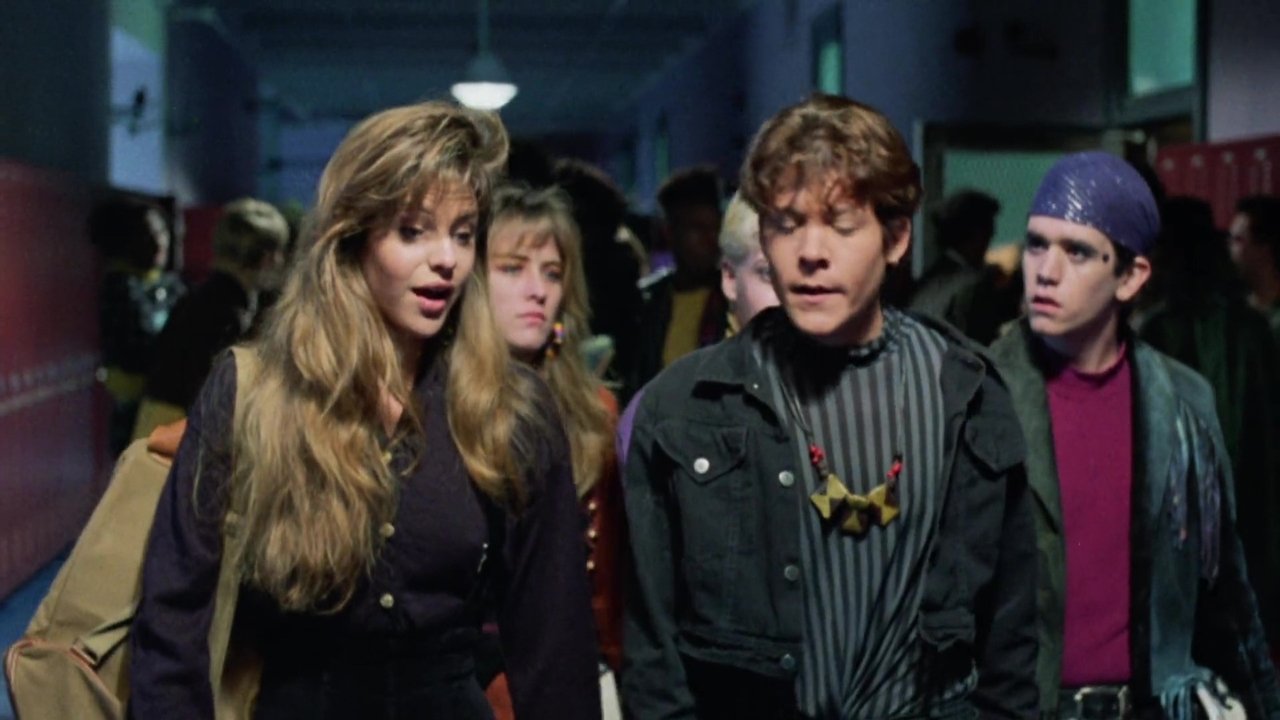
Our viewpoint characters, Cody and Christie Langford (Traci Lind, playing the principal’s daughter caught between worlds), aren't exactly clean-cut heroes. They're survivors, navigating loyalty, fear, and the dawning realization that the new teachers are far more dangerous than any gang threat. Their struggle feels grounded amidst the escalating chaos, providing the human element necessary to anchor the film's more outlandish concepts. The dynamic between the students, forced to unite against a common, seemingly indestructible enemy, fuels the second half's explosive action climax. Does the plot always make perfect sense? Absolutely not. But the sheer momentum and commitment to its violent premise carry it through. Did anyone else feel that twist involving Christie's father coming a mile away, or was it genuinely surprising back on that first watch?
A Cult Relic Forged in Fire
Class of 1999 isn't high art. It's a grimy, often unsubtle, but incredibly entertaining slice of late-80s/early-90s exploitation filmmaking. It mashes together anxieties about urban violence, failing education systems, and unchecked technological advancement into a glorious B-movie stew. Lester, fresh off the success of Commando (1985), clearly knew how to stage action, and the film delivers practical explosions and stunt work with gusto. While technically a sequel to Class of 1984, it feels more like a spiritual successor, swapping punk nihilism for dystopian sci-fi dread. It never achieved massive mainstream success, but like so many tapes that wore out VCR heads in the 90s, it found its audience – those of us who appreciate its dark humor, its over-the-top violence, and its surprisingly grim atmosphere. It’s the kind of film tailor-made for rediscovery, a perfect example of ambitious genre filmmaking on a budget.
Rating: 7/10
The score reflects the film's undeniable B-movie charm, its effective atmosphere, surprisingly strong casting for the genre, and memorable practical effects. It loses points for some narrative predictability and occasionally clunky dialogue, but its energy and commitment to its wild premise make it a thoroughly entertaining watch. It captures that specific late-VHS-era vibe of action sci-fi pushing boundaries, even if sometimes stumbling over them.
Class of 1999 remains a potent shot of dystopian nostalgia. It’s loud, violent, a little bit silly, but beneath the explosions and android carnage, there's a bleakness that still feels unnervingly relevant. Fire up the VCR (or your preferred modern equivalent) – school's back in session, and detention is deadly.