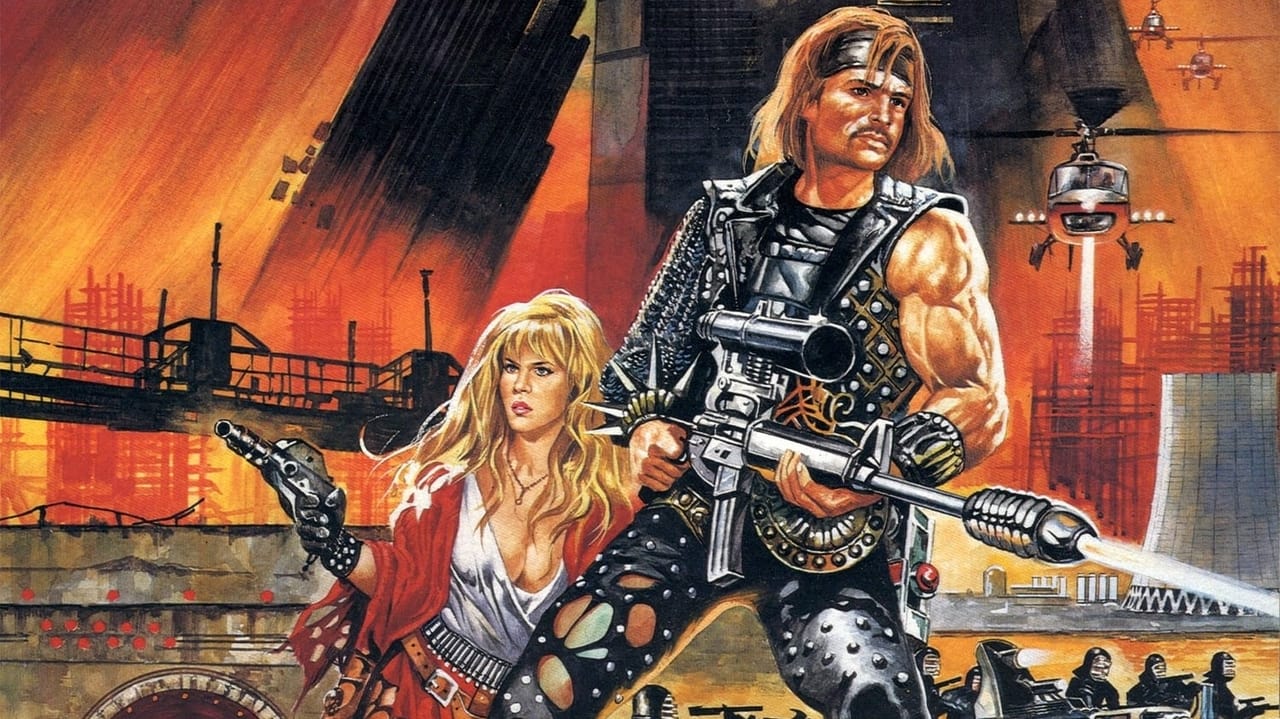
"Twenty years after the flash... the radiation... the plague..." The words echo across a wasteland, not just of bombed-out cities, but of dashed hopes. 1983’s 2019: After the Fall of New York (2019 - Dopo la caduta di New York) doesn't gently ease you into its bleak future; it throws you headfirst into the irradiated rubble, a world choking on its own radioactive dust. Forget the gleaming futures some sci-fi promised; this was the early 80s vision, forged in the nuclear anxieties of the Cold War and filtered through the gloriously unrestrained lens of Italian exploitation cinema.
Rubble Kings and Barren Queens
Directed by the prolific Sergio Martino, a maestro of Giallo (like the unnerving Torso) and genre grit, 2019 arrived hot on the heels of certified classics like Mad Max 2: The Road Warrior and, most obviously, John Carpenter’s Escape from New York. The influence isn't subtle; it's practically spray-painted on the crumbling walls of the film's devastated Big Apple. Our hero, Parsifal (played with stoic resolve by American model-turned-Eurocult staple Michael Sopkiw), is a Snake Plissken-esque mercenary tasked with a suicide mission: infiltrate the ruins of New York City, now controlled by the vicious Eurac faction, and retrieve the only fertile woman left on Earth. No pressure, right? The Pan-American Confederacy needs her to restart the human race, a desperate gamble against the ticking clock of extinction. It’s a premise steeped in pulpy urgency, perfectly suited for the kind of relentless, often brutal storytelling Martino excelled at.
Grime, Grit, and Grand Guignol
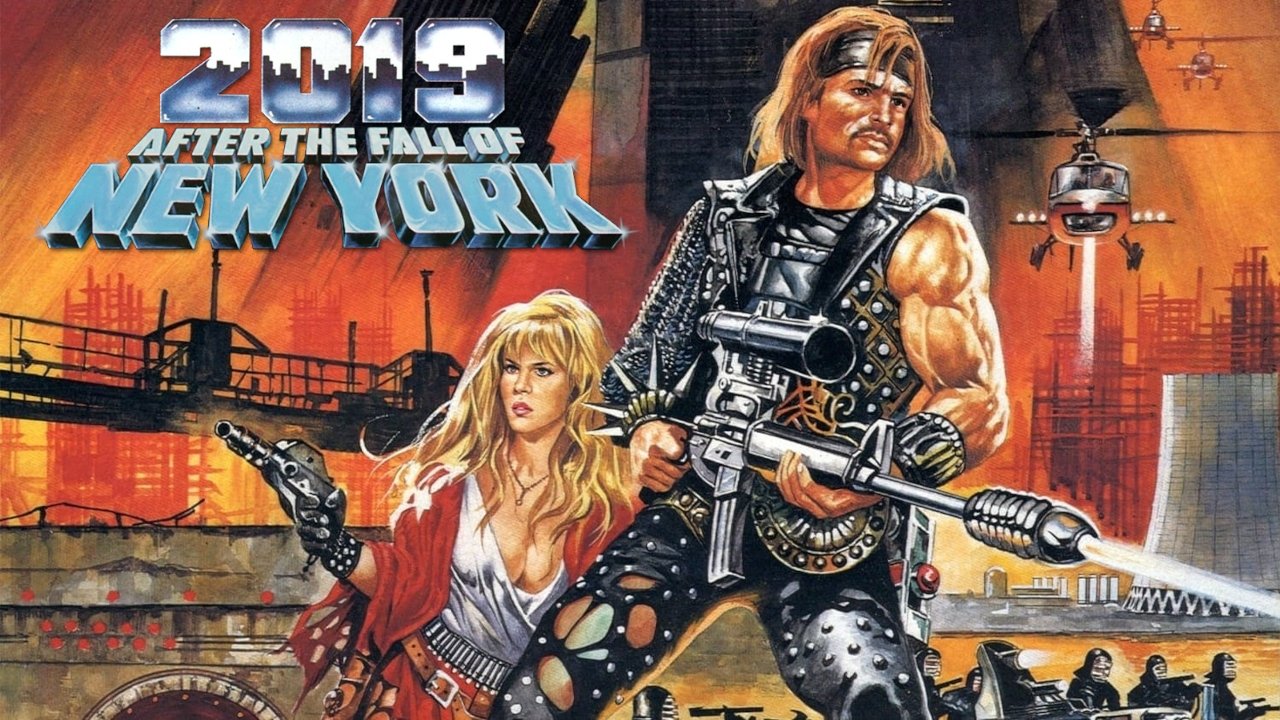
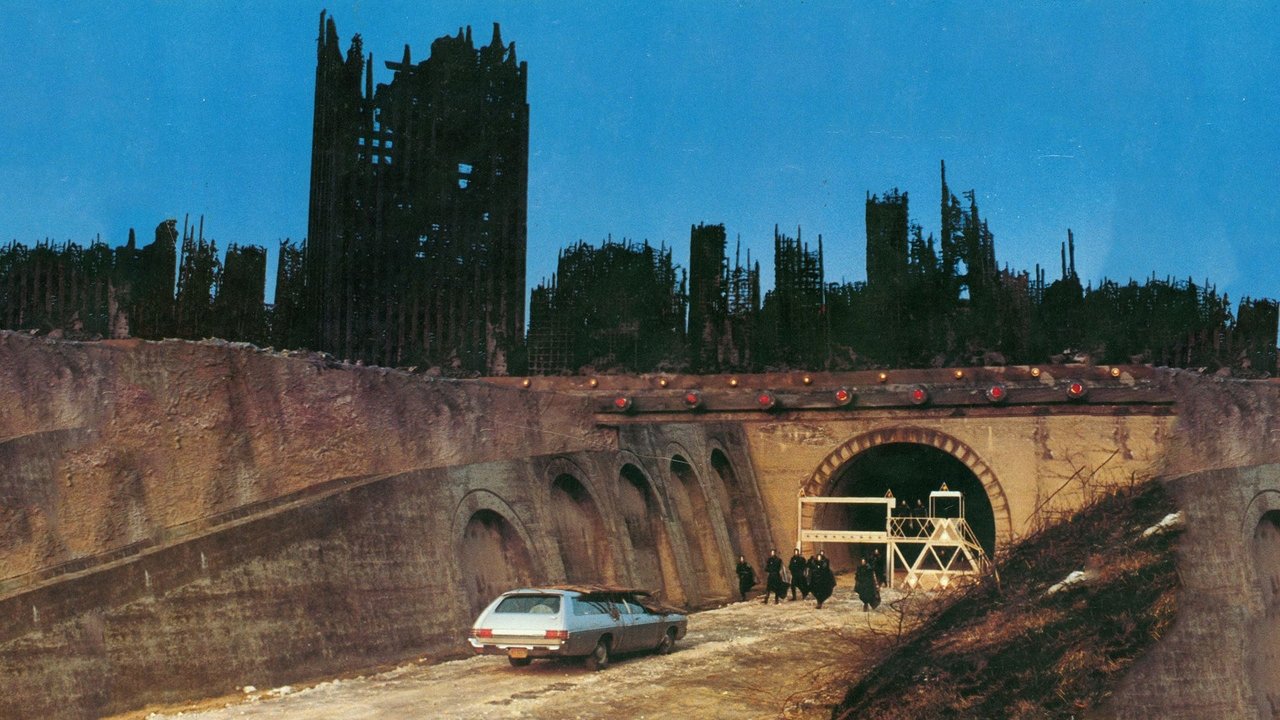
What sets 2019 apart from its American inspirations is that distinctly Italian flavour. There's a rawness, a willingness to embrace the bizarre and grotesque that feels less polished, more visceral. The atmosphere isn't just grim; it's grimy. You can almost smell the decay emanating from the screen. Martino, working with cinematographer Giancarlo Ferrando, crafts a surprisingly effective vision of urban desolation on what was undoubtedly a constrained budget – much of it filmed not in New York itself, but leveraging the versatile ruins and backlots of Cinecittà in Rome, a common trick for these Italian productions aiming for international appeal. Remember those hazy, smoke-filled sets that felt genuinely dangerous on your grainy CRT screen? This film delivers that feeling in spades.
The journey through the ruins is punctuated by encounters that stick with you, often for their sheer strangeness. We have mutated rat-eaters lurking in the subways, led by their grotesque king. We have gladiatorial combat. And then there's "Big Ape," a hulking, loyal companion played by George Eastman (Luigi Montefiori), another legend of Italian genre cinema often seen in Joe D'Amato films. These elements push the film beyond mere imitation into something uniquely oddball, a fever dream cobbled together from scavenged parts. The practical effects, while dated now, had a tangible quality back then – the creature makeup, the explosions, the general sense of physical peril felt disturbingly real through the flickering static of a well-worn VHS tape.
Parsifal's Plight
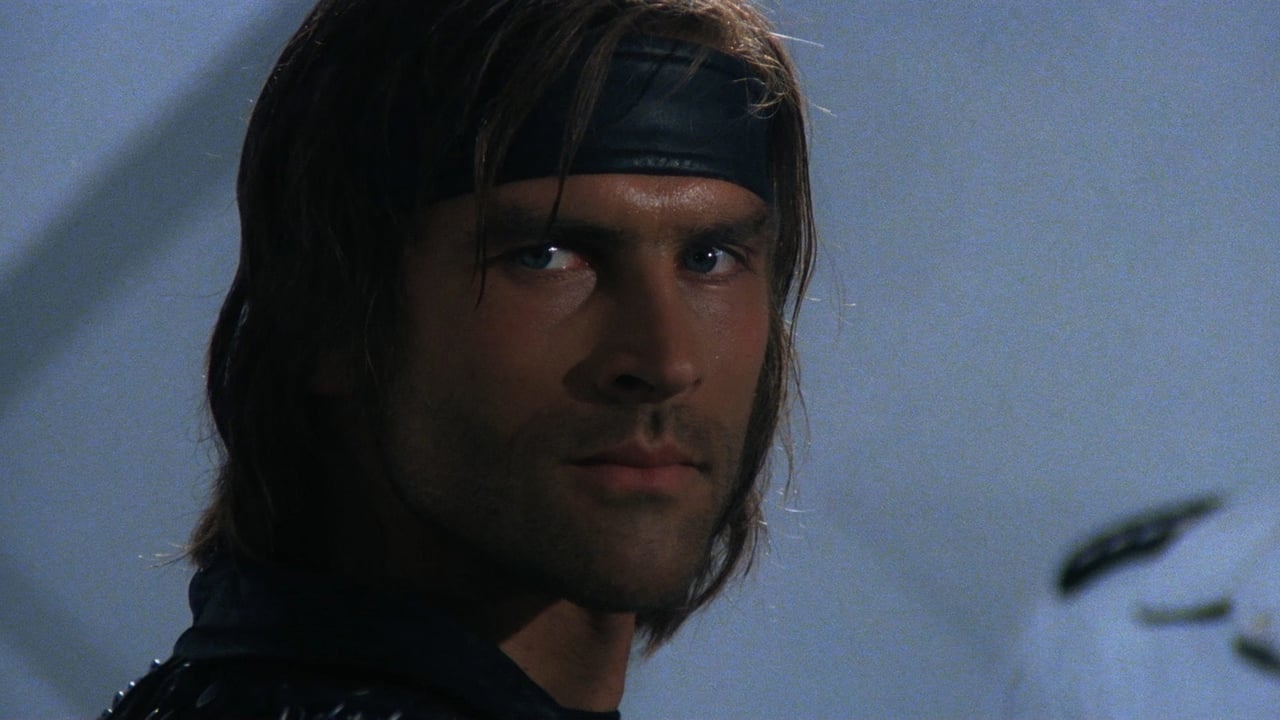
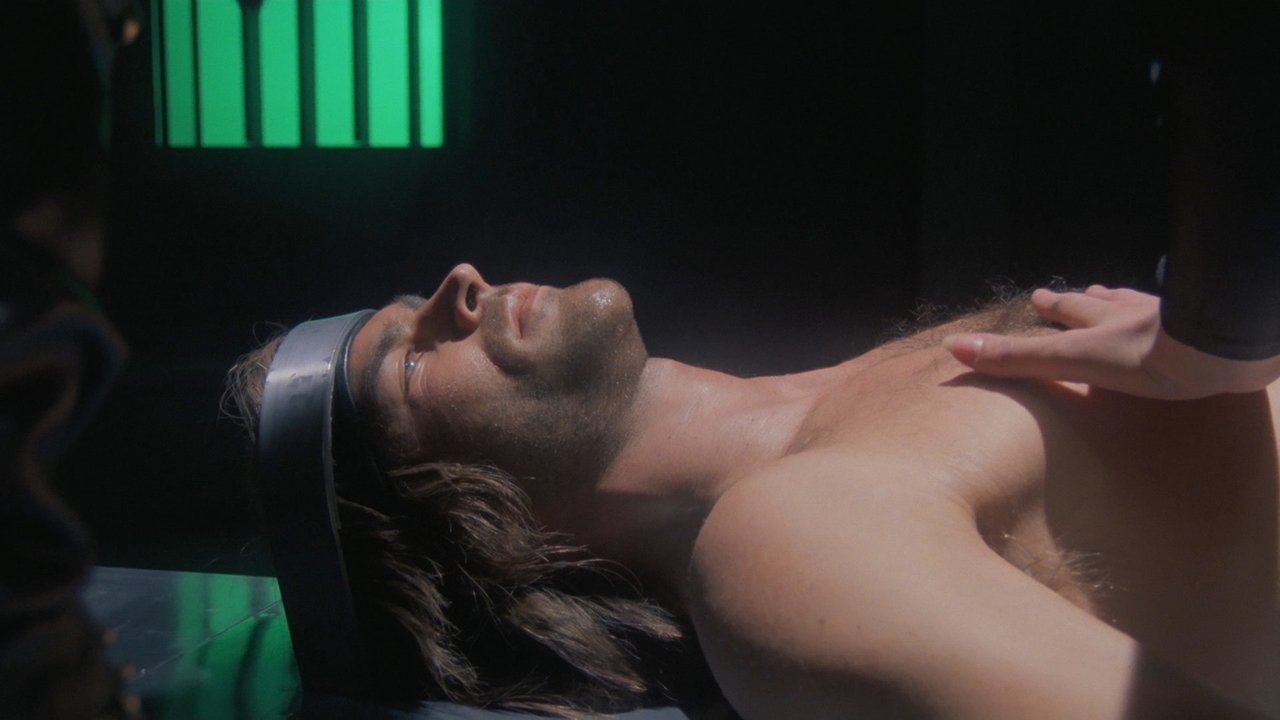
Michael Sopkiw as Parsifal cuts a memorable figure, less cynical than Snake Plissken, perhaps, but equally driven. His background as a model gave him the chiselled look, but it's his quiet intensity that sells the role amidst the chaos. Supporting players like Valentine Monnier as Giara, the tough scavenger who aids Parsifal, and Anna Kanakis as the Eurac officer with shifting loyalties, add layers to the desperate struggle. As was typical for these international co-productions, dialogue was often dubbed later, sometimes leading to slightly detached performances, but the physicality and the raw emotion often shine through, especially in the action sequences. Did anyone else find the dynamic between Parsifal and Big Ape surprisingly touching back in the day? It added an unexpected heart to the relentless violence.
The score by Guido & Maurizio De Angelis (often credited as Oliver Onions, famous for Bud Spencer & Terence Hill soundtracks) is another key element, pulsing with synths and driving rhythms that perfectly complement the on-screen mayhem. It captures that distinct early-80s electronic soundscape that defined so many action and sci-fi flicks of the era.
Retro Fun Facts: Echoes from the Wasteland
- The film reportedly cost around $2 million, a respectable sum for an Italian production then, aiming squarely at the international action market hungry for post-apocalyptic fare.
- Sergio Martino was incredibly efficient, known for delivering genre pictures quickly and on budget. He often worked with recurring collaborators, building a familiar stable of actors and crew.
- Notice the similarities in costume design and factional warfare to films like 1990: The Bronx Warriors (1982)? The Italian "post-nuke" subgenre was a tight-knit community of shared ideas and aesthetics.
- Michael Sopkiw actually starred in a handful of these Italian action/adventure films in a short period during the early 80s (like Massacre in Dinosaur Valley), becoming a minor icon of the VHS era before largely disappearing from acting.
The Verdict from the Video Store Shelf
2019: After the Fall of New York is pure, uncut 80s Italian exploitation. It’s derivative, certainly, borrowing heavily from bigger-budget American hits. The plot logic occasionally strains credulity, and the acting can be uneven thanks to the nature of its production. Yet, it possesses an undeniable energy, a grim atmosphere, and moments of genuinely startling weirdness that elevate it above simple mimicry. It delivers the action, the grit, and that specific brand of dystopian despair that scratched a particular itch for those of us haunting the video store aisles back then. My trusty VHS copy, long since degraded, saw plenty of late-night viewings.
It's not high art, but it's a fiercely entertaining slice of post-apocalyptic pulp fiction, brimming with the kind of gonzo creativity that budget limitations often inspire. For fans of the genre, or those simply nostalgic for the wilder side of 80s action cinema discovered on grainy tape, it remains a compelling watch.
Rating: 7/10
This rating reflects the film's effectiveness as a high-energy, atmospheric slice of Italian exploitation cinema. It delivers on its B-movie promises with memorable visuals, bizarre encounters, and relentless pacing, overcoming its derivative nature and budget limitations through sheer audacity and that unique Italian genre flair. It perfectly captures a specific time and place in action filmmaking, warts and all. It may be a 'knock-off', but it's a damn entertaining one that still holds a grubby, irradiated charm.