Okay, rewind your minds with me. Remember summer 1990? The buzz around Warren Beatty’s Dick Tracy was electric. It wasn’t just another movie hitting the shelves at Blockbuster; it felt like an event. Popping that tape in, even with the slightly fuzzy tracking on your trusty CRT, was like stepping directly into the Sunday funnies – only louder, brasher, and starring some of the biggest names on the planet. This wasn't just adapting a comic strip; it was trying to be one, frame by vibrant frame.
A Riot of Primary Colors
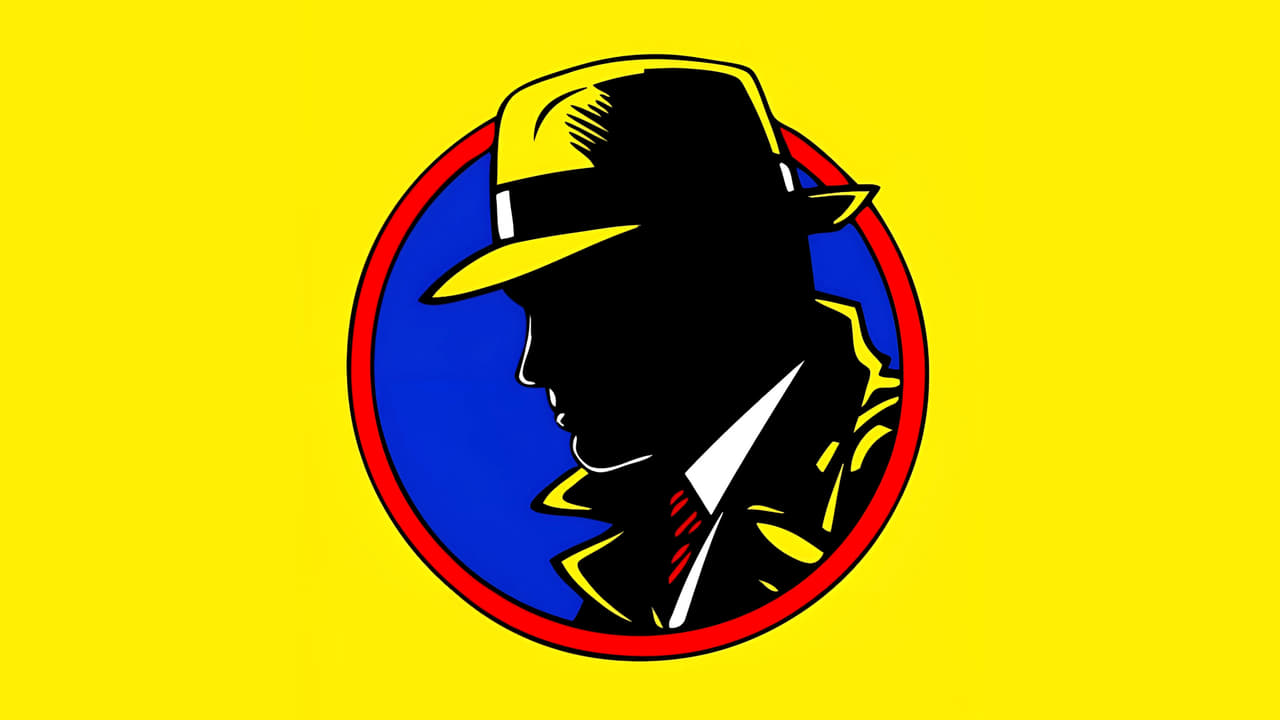
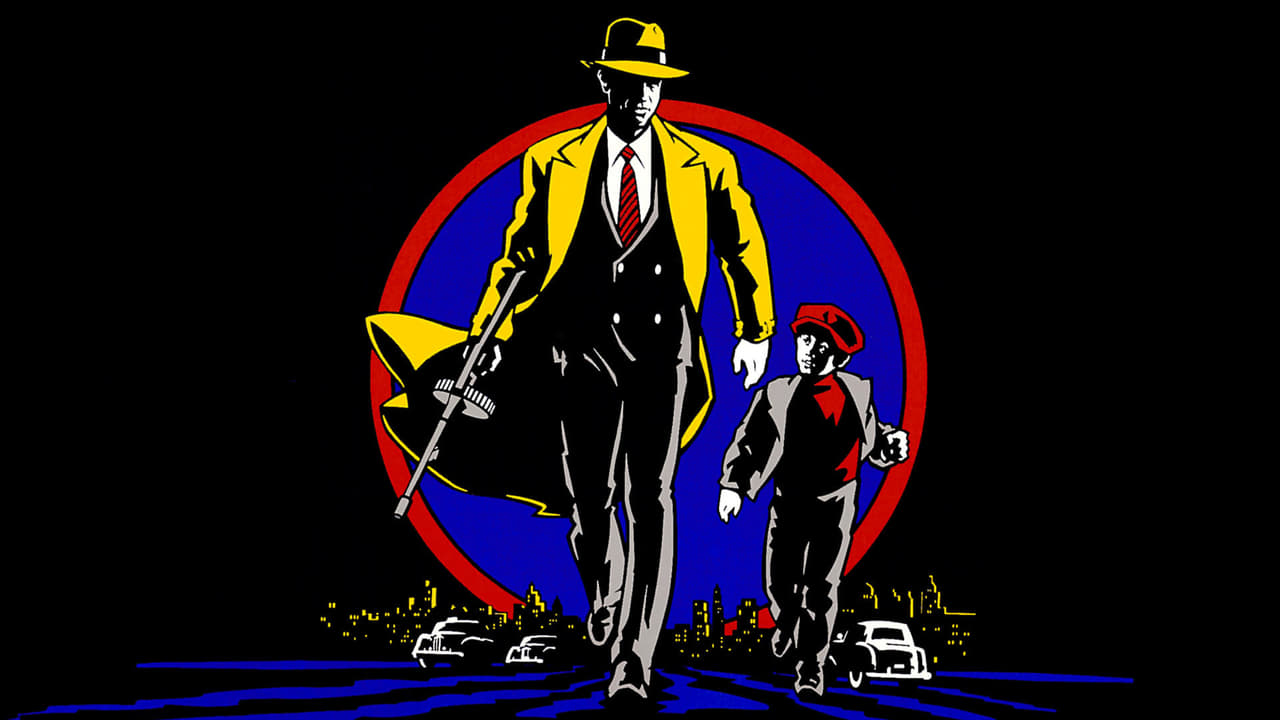
Forget gritty realism. Dick Tracy throws subtlety out the window faster than Big Boy Caprice throws a punch. Beatty, pulling triple duty as star, director, and producer after pursuing the project for well over a decade, made a daring choice. Working with legendary cinematographer Vittorio Storaro (Apocalypse Now, The Last Emperor) and production designer Richard Sylbert (Chinatown), they committed to an incredibly restricted palette – reportedly only seven primary and secondary colors (plus black and white) were allowed for the sets, costumes, and even the matte paintings that created the film's distinct skyline. The result is pure visual pop art, a stark contrast to the darker comic book adaptations like Tim Burton’s Batman which had landed just the year before, scored, incidentally, by the same composer, the brilliant Danny Elfman. Elfman’s score here is suitably bold and brassy, perfectly complementing the film's heightened reality.
Meet the Grotesques
The story itself is classic pulp: square-jawed detective Dick Tracy (Warren Beatty, perhaps a touch too stoic but undeniably committed) takes on a rogue's gallery of deformed gangsters led by the snarling Alphonse "Big Boy" Caprice. And let's talk about those gangsters! The makeup, masterminded by John Caglione Jr. and Doug Drexler, wasn't just good; it was groundbreaking, rightfully snagging an Academy Award. Forget CGI – this was latex, glue, and pure artistry transforming actors into living cartoons. Flattop, Pruneface, Mumbles – they looked like they’d leaped directly off Chester Gould’s original panels.
But the standout, the one chewing scenery with glorious abandon, is Al Pacino as Big Boy. Buried under pounds of makeup (reportedly taking over three hours to apply!), Pacino unleashes a performance of such operatic fury and surprising comedic timing that he practically vibrates off the screen. It's a performance so huge, so theatrical, it perfectly matches the film's exaggerated world. Rumor has it Pacino took a massive pay cut but negotiated hefty profit participation – a gamble that likely paid off handsomely given the film's box office success (grossing over $162 million worldwide on a $47 million budget).
Style Over Substance? Maybe. Who Cares?
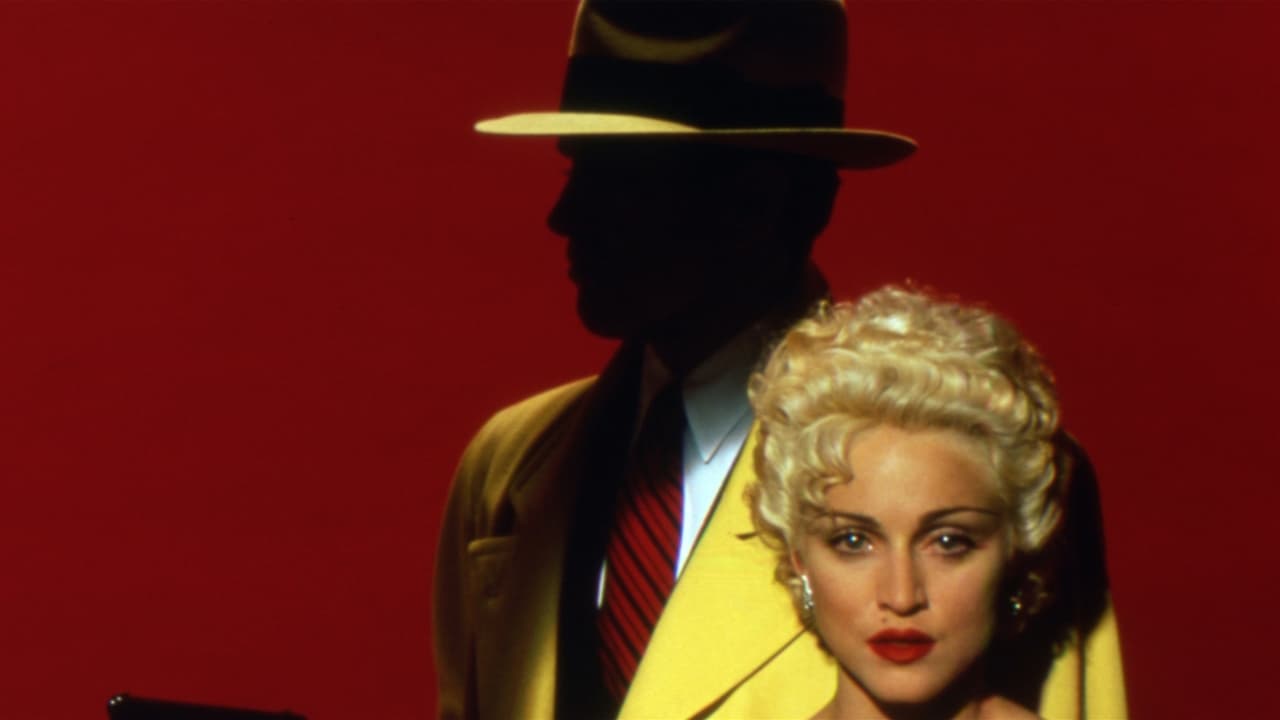
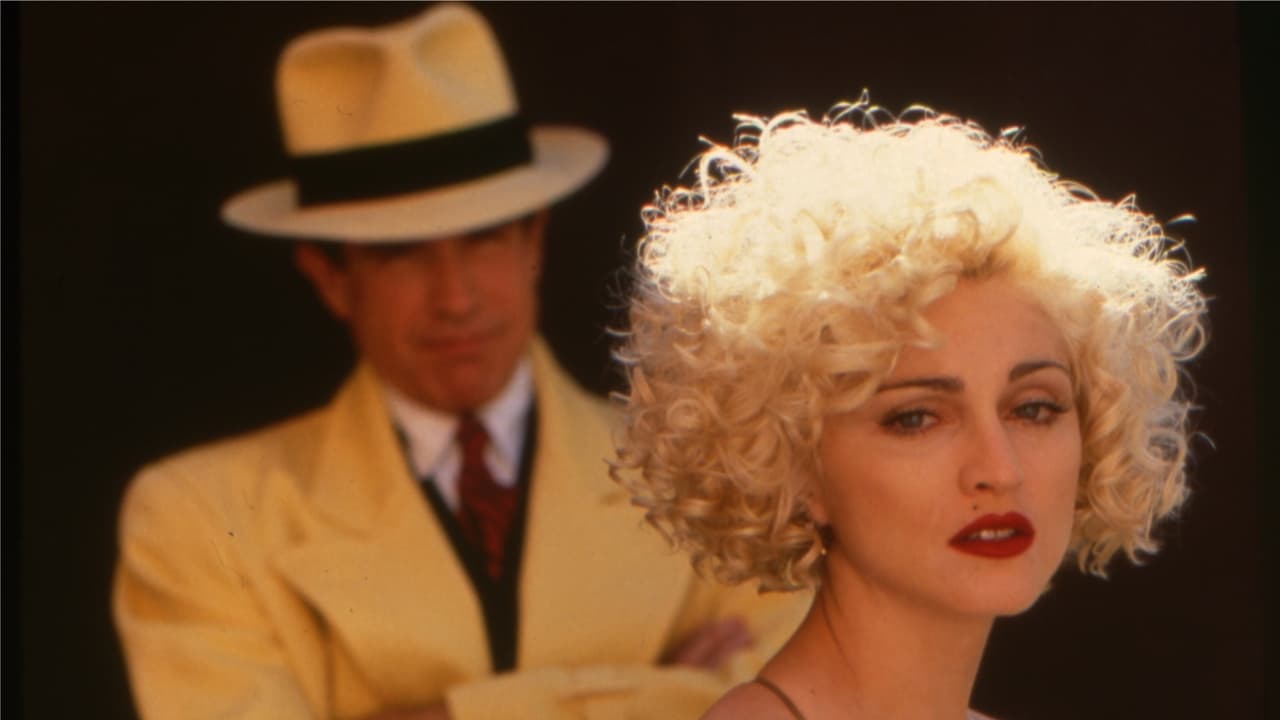
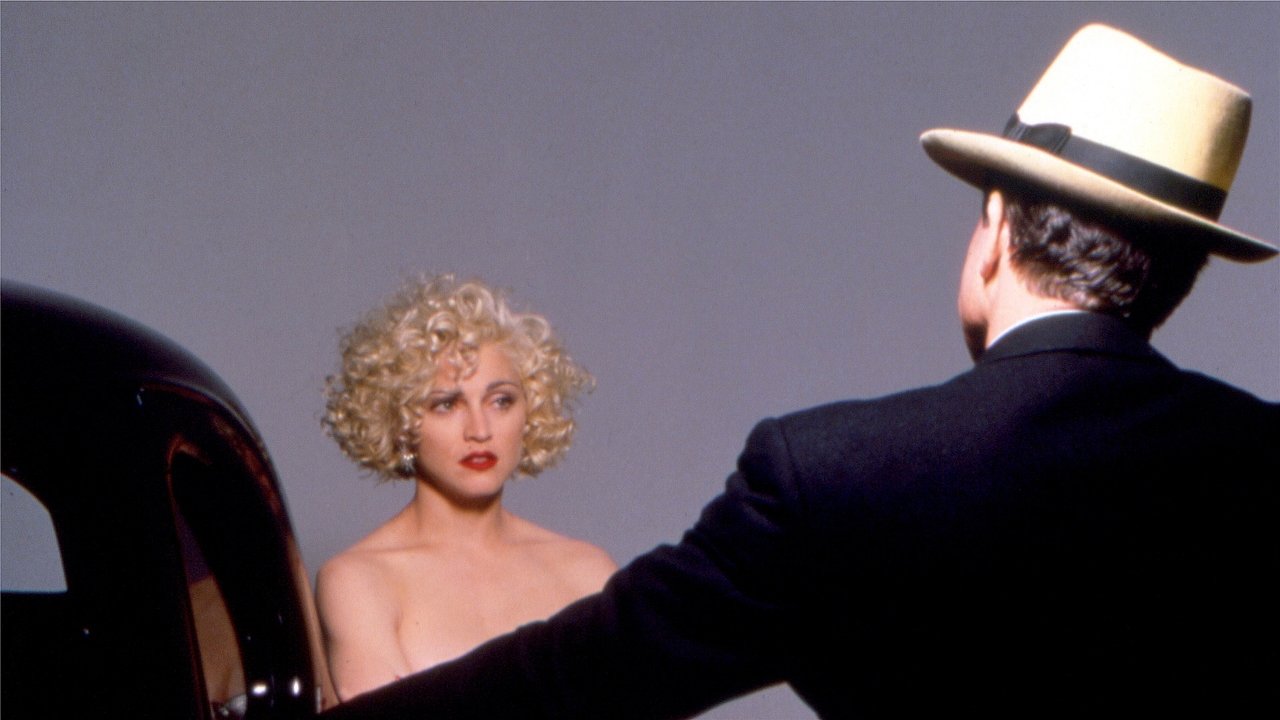
While Beatty anchors the film with his earnest portrayal, and Glenne Headly provides warmth as the ever-loyal Tess Trueheart (a role originally intended for Sean Young before her departure from the film), the narrative can sometimes feel secondary to the spectacle. The plot involving Tracy’s pursuit of Big Boy, his complicated relationship with sultry nightclub singer Breathless Mahoney (Madonna, in a role perfectly leveraging her iconic mystique), and his burgeoning fatherly connection with the streetwise Kid (Charlie Korsmo) hits familiar beats.
Madonna, at the peak of her global fame and romantically linked with Beatty at the time, certainly looks the part and croons the Oscar-winning Stephen Sondheim tune "Sooner or Later (I Always Get My Man)" with seductive flair. Her performance might not have won over every critic, but her star power undeniably added to the film's event status. Sondheim actually penned five original songs for the film, showcasing his legendary wit and musical complexity, perfectly fitting the film's unique tone.
But honestly, criticizing Dick Tracy for a simple plot feels like missing the point. It's an exercise in style, a bold aesthetic experiment. Watching it now, especially thinking back to the VHS era, the sheer practicality of its visuals is astounding. Those incredible matte paintings, the elaborate sets, the painstaking makeup – it was all done in-camera or through traditional optical effects. There’s a tangible quality, a handcrafted feel that digital effects, for all their smoothness, often lack. Remember how jaw-droppingly weird and wonderful those villains looked back then?
The Verdict on Tracy
Dick Tracy landed in theaters to considerable fanfare and decent reviews, though some critics found its visual slavishness potentially overwhelming the human element. Audiences turned up, making it a financial hit, even if it didn't quite reach the stratospheric heights some predicted. It scooped up Oscars for Art Direction, Makeup, and Best Original Song, cementing its technical achievements.
Looking back, it occupies a unique space in the evolution of comic book movies – less interested in psychological depth or gritty action, more fascinated by the possibilities of pure visual translation. It’s a film bursting with creative energy and audacious design choices.
Rating: 8/10 - The score reflects the sheer artistic ambition and stunning technical achievement. While the story might be thin and Beatty a bit stiff, the visual feast, Pacino's powerhouse performance, the Oscar-winning makeup and design, and the knockout Sondheim/Elfman musical contributions make it a must-see artifact of its time. It earns major points for its unparalleled commitment to a unique aesthetic vision.
Final Thought: A dazzling, primary-colored time capsule that still pops, Dick Tracy is a testament to a pre-digital era where translating a comic strip meant building its impossible world by hand, one bold brushstroke (and latex appliance) at a time. It’s less a movie, more a moving painting – and a gorgeous one at that.