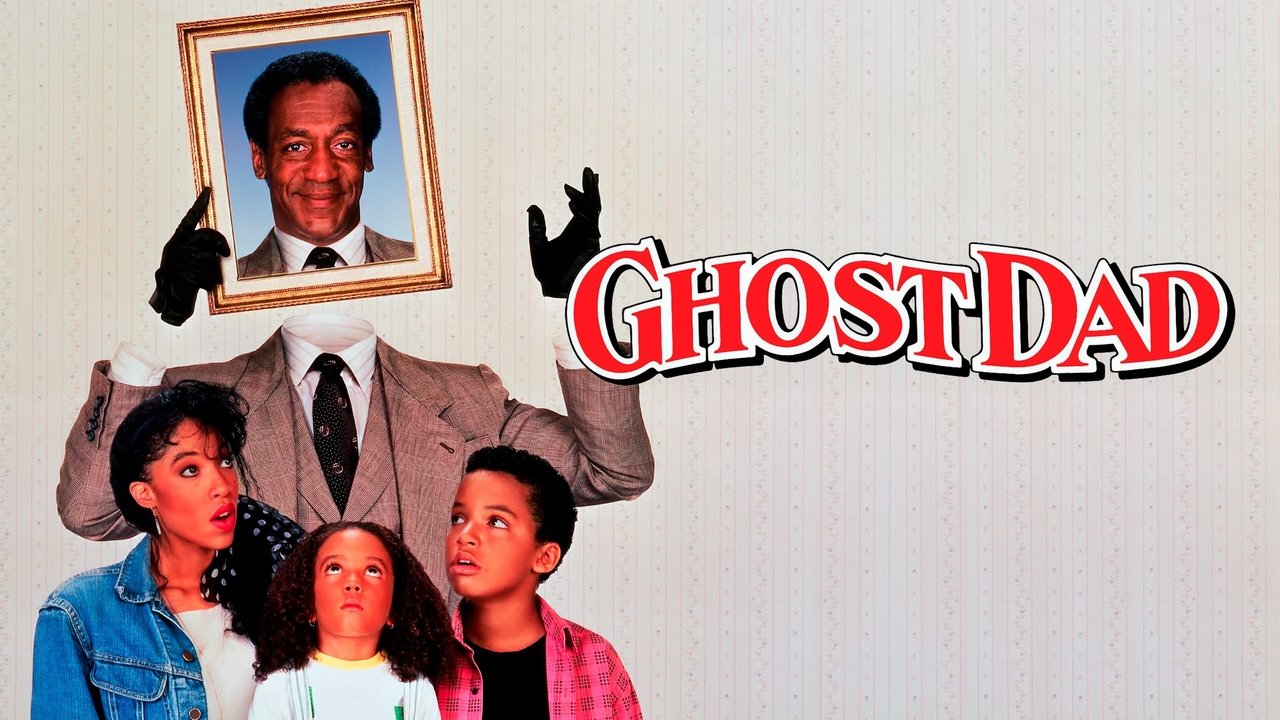
Okay, rewind time. Picture this: it's 1990. You're browsing the aisles of the local video store, the scent of plastic cases and slightly worn carpet in the air. You spot a familiar face – Bill Cosby, then arguably America's Dad, beaming from a VHS cover. But the title? Ghost Dad. Directed by the legendary Sidney Poitier? Curiosity piqued, you grab the tape, maybe alongside a copy of Teenage Mutant Ninja Turtles or Pretty Woman. What unfolds back home on the Magnavox is... well, it’s certainly something. Ghost Dad wasn't just another family comedy; it was a high-concept gamble that landed with a curious thud, becoming one of those quintessential early 90s oddities you either vaguely remember or completely forgot existed.
Spectral Shenanigans in the Boardroom
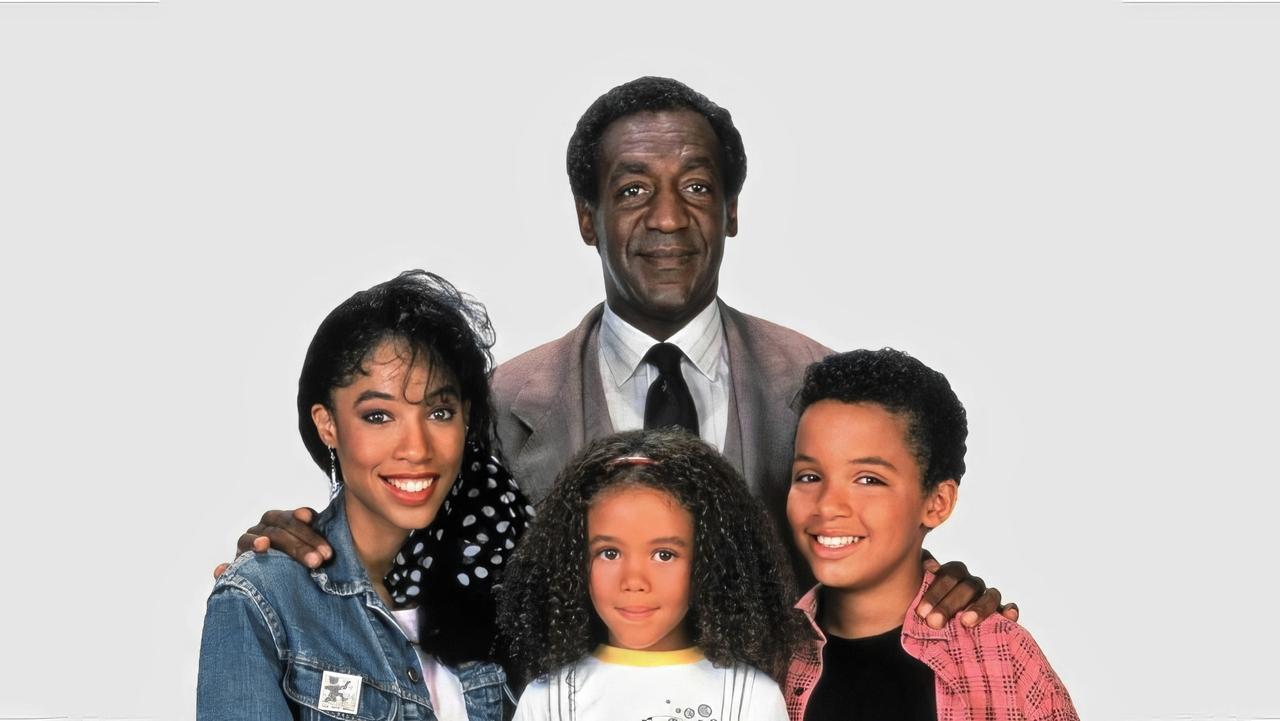
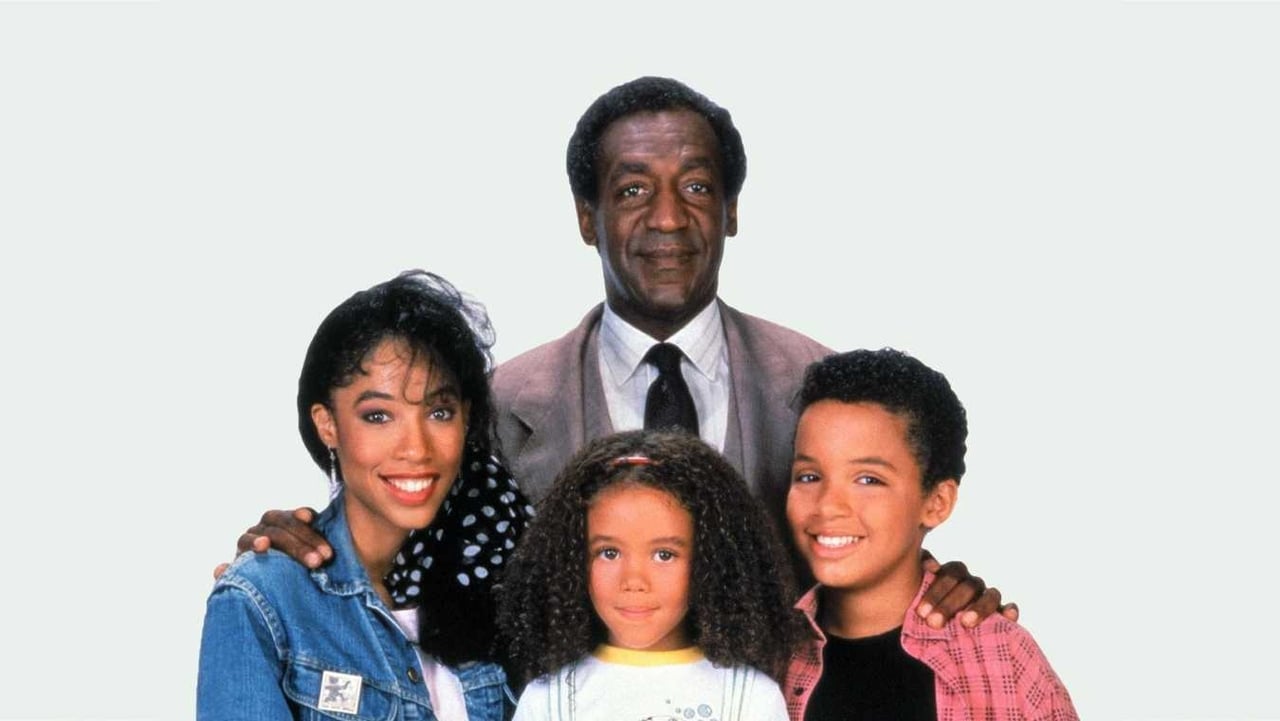
The setup is pure Hollywood pitch meeting gold: Elliot Hopper (Bill Cosby) is a driven, workaholic widower utterly consumed by his job, often neglecting his three kids, Diane (Kimberly Russell), Amanda (Salima Koroma), and Danny (Deon Richmond). After a truly bizarre taxi ride driven by a Satan-worshipping cabbie (yes, really), Elliot ends up in a watery grave... temporarily. He returns as a ghost, initially visible only in darkness, phasing in and out of existence, and desperately needing to sort out his life insurance before his impending, permanent departure. His kids, primarily the level-headed eldest Diane, are the only ones who can see or hear him, leading to a frantic race against time filled with spectral misunderstandings and attempts at posthumous parenting.
It's a concept ripe for both slapstick and sentiment, penned by the writing trio of Brent Maddock, S. S. Wilson (the minds behind Short Circuit (1986) and the same year's creature feature classic Tremors!) and Chris Reese. You can see their knack for blending the fantastical with the everyday, but here, the execution feels strangely muted. Cosby, riding high on his Cosby Show fame, tries to inject his trademark exasperated warmth and physical comedy into Elliot, but the character is often too self-absorbed pre-death and frustratingly inept post-death to fully root for. There are flashes of the Cosby persona – the mugging, the exasperated sighs – but it feels less organic, more like fulfilling contractual obligations for family-friendly laughs.
Poitier Behind the Camera: An Unexpected Turn
Perhaps the most intriguing aspect, looking back, is Sidney Poitier in the director's chair. This is the man who broke barriers acting in films like In the Heat of the Night (1967) and directed bona fide comedy hits like Stir Crazy (1980) with Richard Pryor and Gene Wilder. Ghost Dad feels worlds away from his usual dramatic heft or even the manic energy of his previous comedies. While competently shot, there's a certain lack of spark, a feeling that maybe the director and the material weren't quite sympatico. The pacing often drags, and the tonal shifts between goofy supernatural antics and attempts at genuine family drama can be jarring. Universal Pictures undoubtedly hoped Poitier could work his magic and deliver another Cosby-led family hit, banking on that $15 million budget, but the result felt oddly flat.
Those Early 90s Ghost Effects
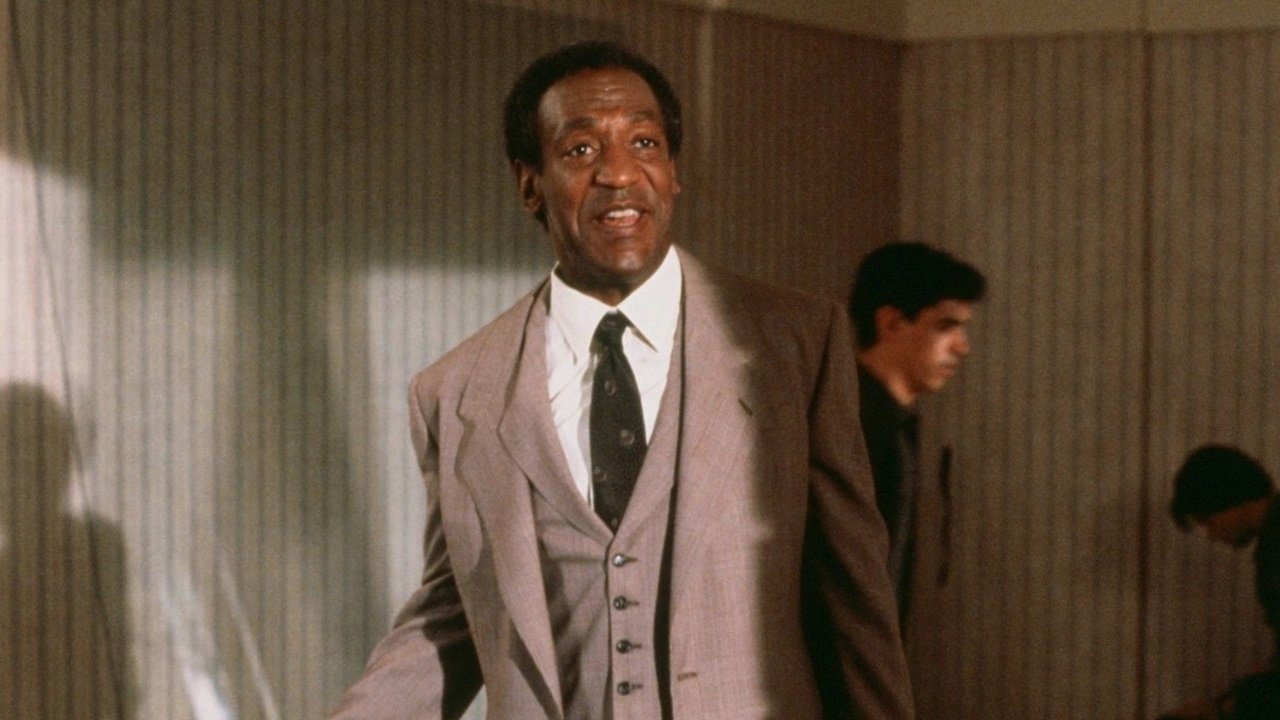
Let's talk about the ghost stuff, because that's where the real VHS-era charm (or cringe) lies. Remember how mind-blowing some of those early spectral effects seemed? Elliot phasing through walls, objects floating, his voice echoing disembodiedly – it was all part of the cinematic magic we rented on a Friday night. Watching now, the blue-screen work and transparency effects look exactly like what they were: early stabs at digital compositing mixed with time-honored practical gags like wires and trick props. There's a certain tangible quality, though, isn't there? It lacks the seamlessness of modern CGI, sure, but you can almost feel the effort involved in making Cosby appear translucent or walk through a door. It’s a far cry from the slick ghosts of later decades, possessing a clunky, almost endearing quality specific to its time. Some gags, like Elliot struggling with a possessed phone cord, land better than others.
Family Ties and Critical Woes
Amidst the ghostly chaos, the film attempts to find its heart in the Hopper children. Kimberly Russell as Diane does much of the heavy lifting, acting as the responsible anchor trying to manage her spectral father and keep the family together. She brings a grounded sincerity that the film desperately needs. The younger kids fulfill their roles adequately, but the family dynamic often feels secondary to the increasingly convoluted plot mechanics involving Elliot’s attempts to communicate with the living world to finalize that all-important merger and secure his family's future.
Upon release, Ghost Dad wasn't exactly embraced. Critics were largely unkind, and it landed several Razzie nominations, including Worst Picture, Worst Actor for Cosby, and Worst Director for Poitier. Audiences weren't overly enthusiastic either, with a modest $36 million box office return. Yet, for a certain generation who caught it on cable or VHS, it occupies that weird nostalgic space – not quite a classic, not entirely forgettable, just… that movie where Bill Cosby was a ghost.
Final Verdict
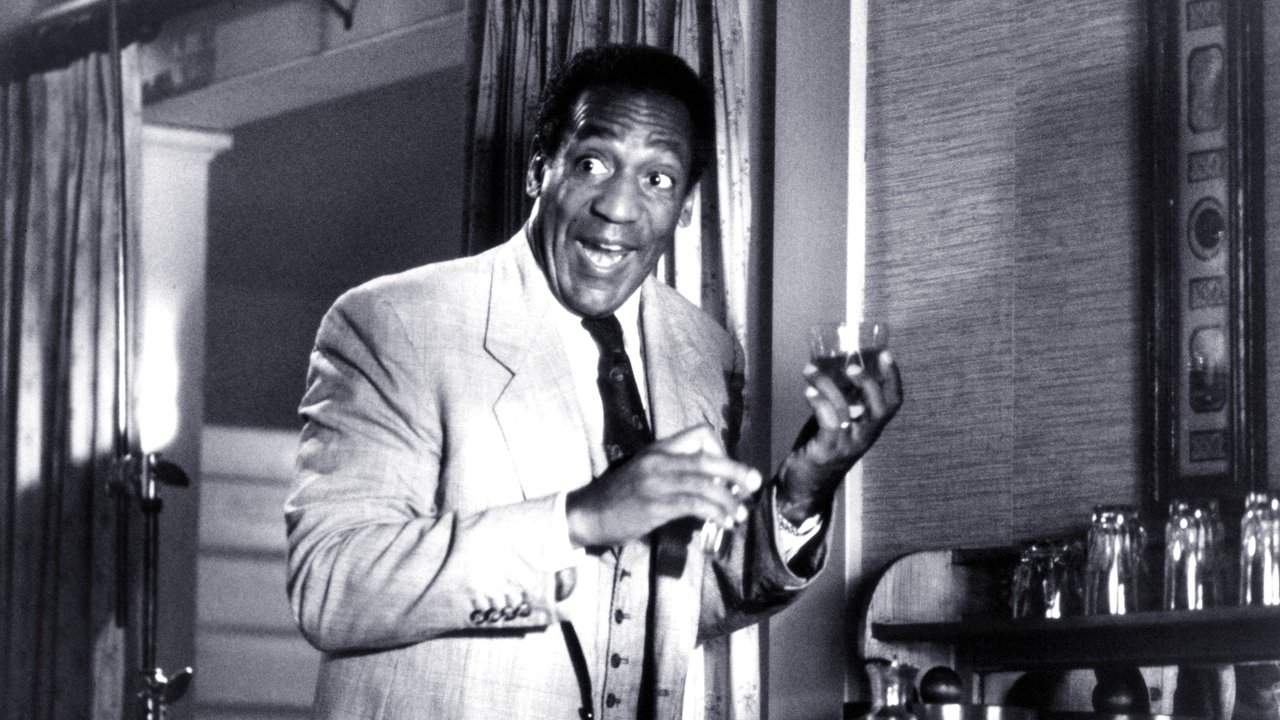
Ghost Dad is a fascinating time capsule. It captures a moment when a beloved TV star tried to translate his persona to a high-concept movie, helmed by an iconic director stepping outside his usual zone, all wrapped in the burgeoning special effects of the early 90s. It’s tonally uneven, the comedy often falls flat, and the plot mechanics creak louder than a haunted house floorboard. But there’s an undeniable earnestness to it, particularly from Kimberly Russell, and the sheer oddity of the project gives it a certain rewatch value for retro enthusiasts.
Rating: 4/10 - The score reflects a film hampered by an awkward script, uneven tone, and dated execution, even by 1990s standards. While Poitier's involvement and the writers' pedigree promise more, the end result is largely forgettable family fare saved from complete obscurity only by its high-concept premise and Cosby's then-ubiquitous stardom. There's nostalgic curiosity, but little cinematic magic.
Final Comment: Like finding an old, slightly demagnetized tape, Ghost Dad offers a fuzzy, sometimes baffling glimpse back – a spectral reminder that not every high-concept 90s comedy could quite materialize into solid gold.