It starts, perhaps unexpectedly for a feel-good Christmas classic, with a potential tragedy averted and a legal technicality. Scott Calvin, a cynical, divorced toy company executive, accidentally causes Santa Claus to fall off his roof on Christmas Eve. Finding a business card instructing him to put on the suit if Santa is indisposed, Scott reluctantly obliges, only to find himself bound by "The Santa Clause" – he is the new Santa. It’s a premise that, in 1994, felt refreshingly modern and slightly absurd, instantly setting this film apart from more traditional yuletide fare. I remember catching this one at the cinema, amidst the buzz surrounding its lead star, and feeling like Christmas movies just got a clever, contemporary upgrade.

The Tool Man Takes the Reins
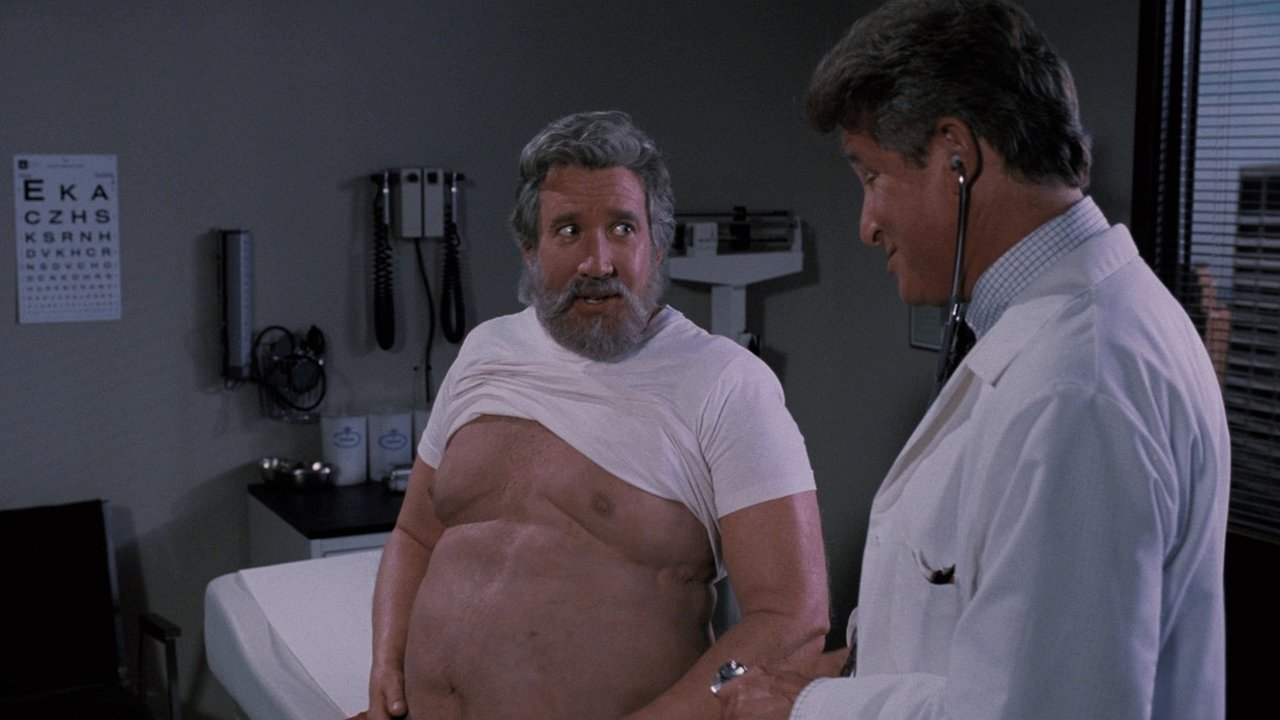
The casting of Tim Allen as Scott Calvin was, at the time, both obvious and a bit of a gamble. Deep into his reign as Tim "The Tool Man" Taylor on the massively popular sitcom Home Improvement, Allen brought an established persona: a slightly chauvinistic but ultimately well-meaning guy's guy, prone to grunting and mishaps. Could he carry a whole movie, let alone embody Santa Claus? As it turned out, his specific brand of comedic timing was perfect. Allen masterfully portrays Scott’s initial disbelief and sarcastic resistance, making his gradual, involuntary transformation – the weight gain, the beard growth, the sudden craving for milk and cookies – genuinely funny. It's a physical comedy masterclass wrapped in a heartwarming journey of rediscovery. It's fascinating to think that comedic heavyweights like Chevy Chase (reportedly turned it down) and Bill Murray were also considered for the role; while they undoubtedly would have brought their own genius, Allen's slightly curmudgeonly warmth feels absolutely definitive now. He found the heart beneath the bluster, connecting especially well with young Eric Lloyd playing his son, Charlie, the first true believer.
A Clause Like No Other
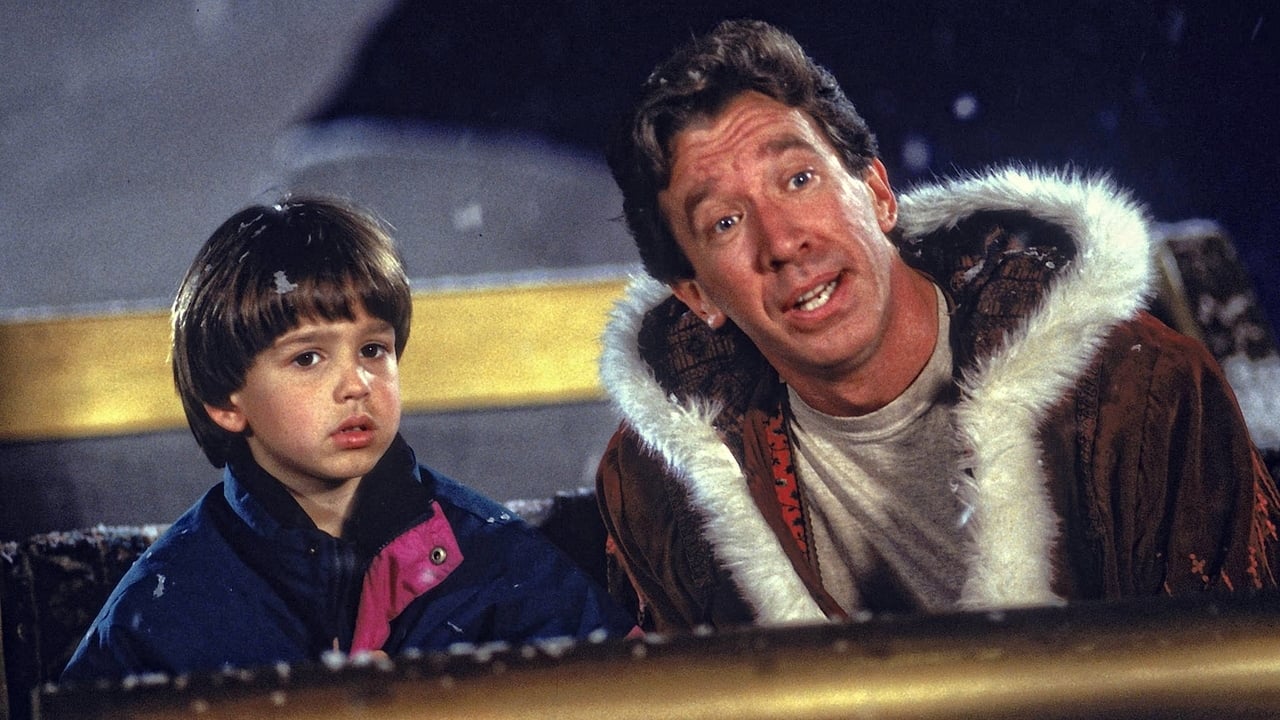
What makes The Santa Clause work so well, beyond Allen's central performance, is the clever script penned by Leo Benvenuti and Steve Rudnick. Directed with a steady hand by John Pasquin (who had also directed numerous Home Improvement episodes, bringing a comfortable familiarity to the set), the film balances the magical elements with relatable, grounded family dynamics. Scott’s strained relationship with his ex-wife Laura (Wendy Crewson, bringing intelligence and believable concern to the role) and her psychiatrist husband Neal (Judge Reinhold, perfectly cast as the well-meaning but rather clinical stepfather, complete with an iconic collection of sweaters) provides the film's emotional core. The scenes where Scott tries to explain his Santa-fication to disbelieving colleagues, doctors, and eventually the police, are played for maximum comedic effect, contrasting the mundane world with the utterly extraordinary situation he finds himself in. Remember Neal trying to rationalize Santa's existence through psychology? Pure 90s gold.
Crafting Christmas Magic
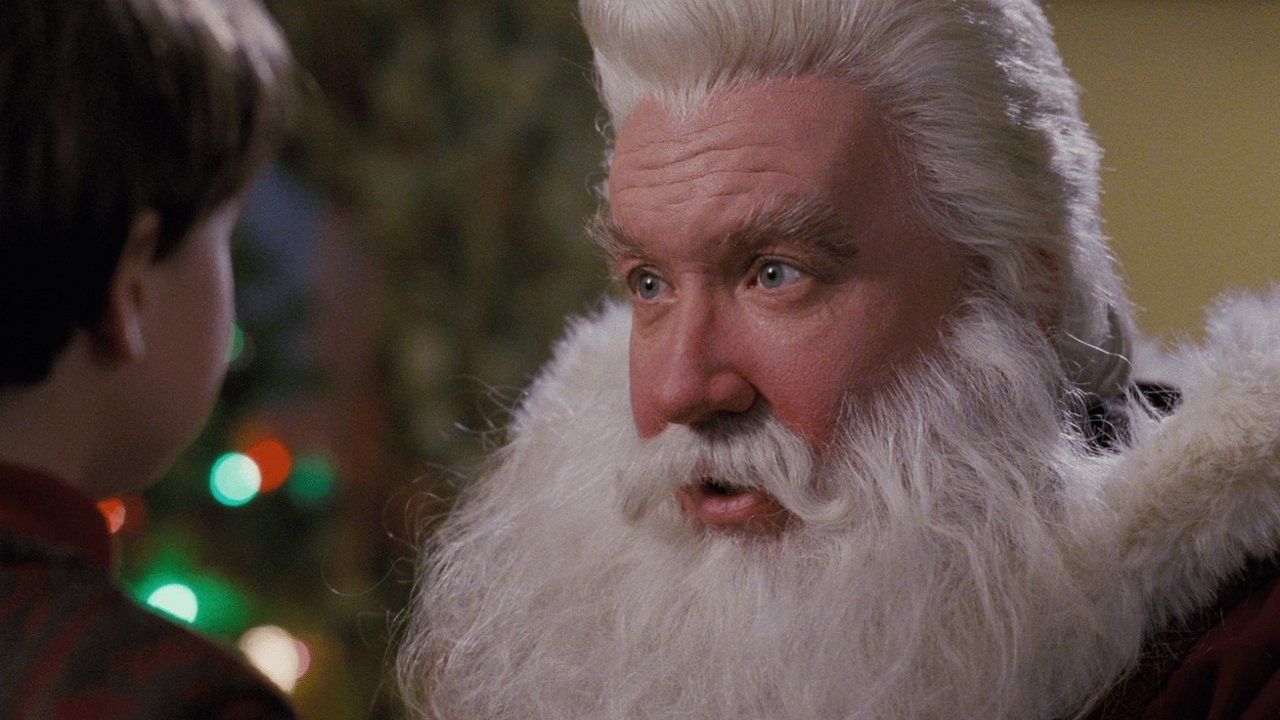
For a mid-90s family film operating on a respectable but not astronomical $22 million budget (around $45 million today), The Santa Clause delivers some truly memorable visuals. The North Pole isn't just a workshop; it's a bustling, slightly industrial-looking headquarters, blending old-world charm with quasi-corporate efficiency run by child-like elves (played, indeed, by actual children, navigating the logistical challenges that entails on set). The practical effects, particularly Scott's physical transformation, are convincingly done. Allen famously endured hours in the makeup chair each day, donning prosthetics and fat suits – a process he reportedly found quite challenging, but the results on screen are seamless and often hilarious. And let’s not forget the rooftop arrival and the sleigh ride – moments designed to spark wonder, captured with enough movie magic to make you believe, even if just for a little while. The film clearly struck a chord, becoming a surprise smash hit, pulling in over $190 million worldwide (close to $400 million adjusted for inflation!) and proving that audiences were hungry for this blend of sass and sentiment.
More Than Just Ho-Ho-Ho
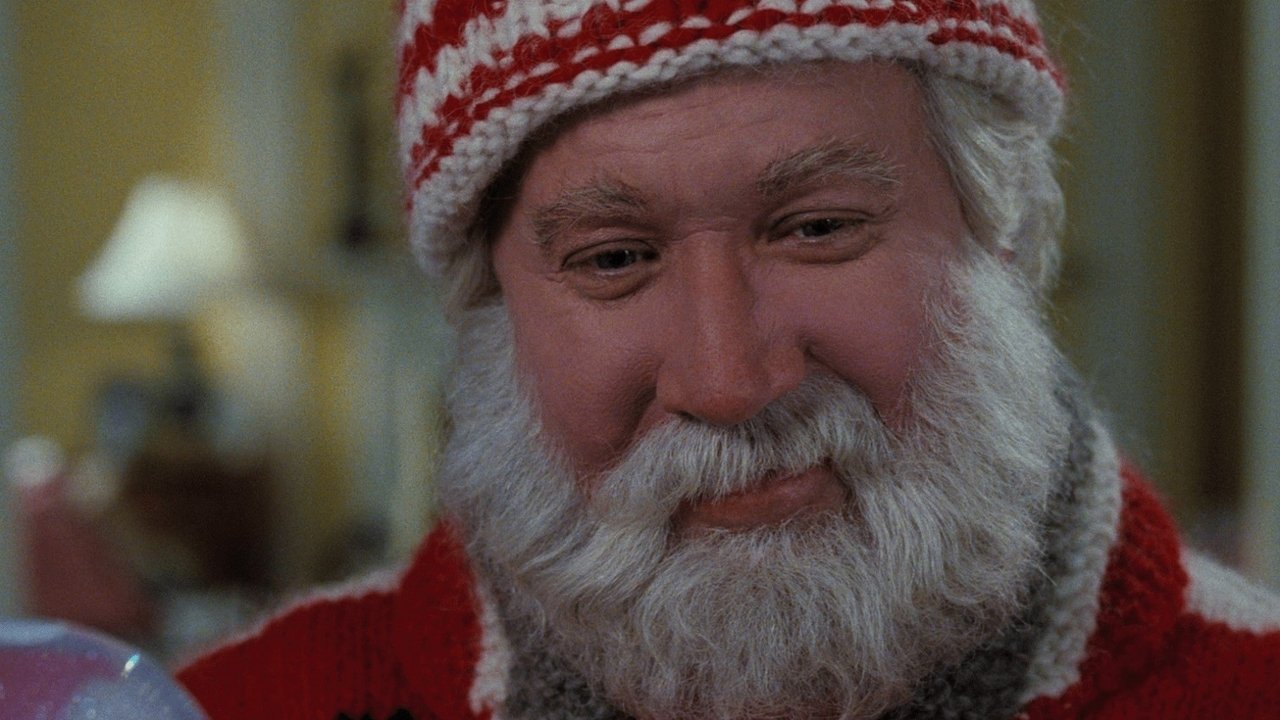
Beneath the laughs and the festive sparkle, The Santa Clause taps into something deeper. It’s a story about belief – not just in Santa, but in the possibility of wonder itself. Charlie’s unwavering faith in his dad contrasts sharply with the cynicism of the adult world, represented initially by Scott himself, and later by Laura and Neal. The film argues, quite persuasively, that seeing isn't always believing; sometimes, believing is seeing. It’s also a touching story about fatherhood, as Scott rediscovers his connection with Charlie through this extraordinary shared secret, ultimately becoming a better, more present dad because he became Santa Claus. It handles the complexities of a divorced family navigating the holidays with a surprising degree of sensitivity for a mainstream comedy of the era.
VHS Heaven Rating: 8/10
The Santa Clause is one of those films that just feels like Christmas. It captured lightning in a bottle: the perfect star finding the perfect vehicle at the height of his TV fame, a clever concept executed with wit and heart, and just the right amount of 90s charm. While the subsequent sequels (released in 2002 and 2006, followed by a recent Disney+ series) tried to recapture the magic, the original remains the undisputed champion. It’s funny, imaginative, and surprisingly touching, earning its place as a perennial holiday favourite. The effects might look a tad dated here and there, and Judge Reinhold's sweaters are a glorious time capsule, but the core story of cynicism melting away in the face of pure, unadulterated Christmas spirit? That’s timeless.