It's funny how some movies lodge themselves in your memory, not just for the story they told, but for how they felt watching them on that chunky CRT TV, the VCR whirring comfortingly nearby. 1995's Casper is definitely one of those films for me. It arrived with a spectral splash, promising a live-action take on the friendly ghost we all knew from cartoons, but delivered something unexpectedly richer – a blend of cutting-edge digital magic, goofy fun, and a surprising layer of emotional depth.

### More Than Just a Boo!
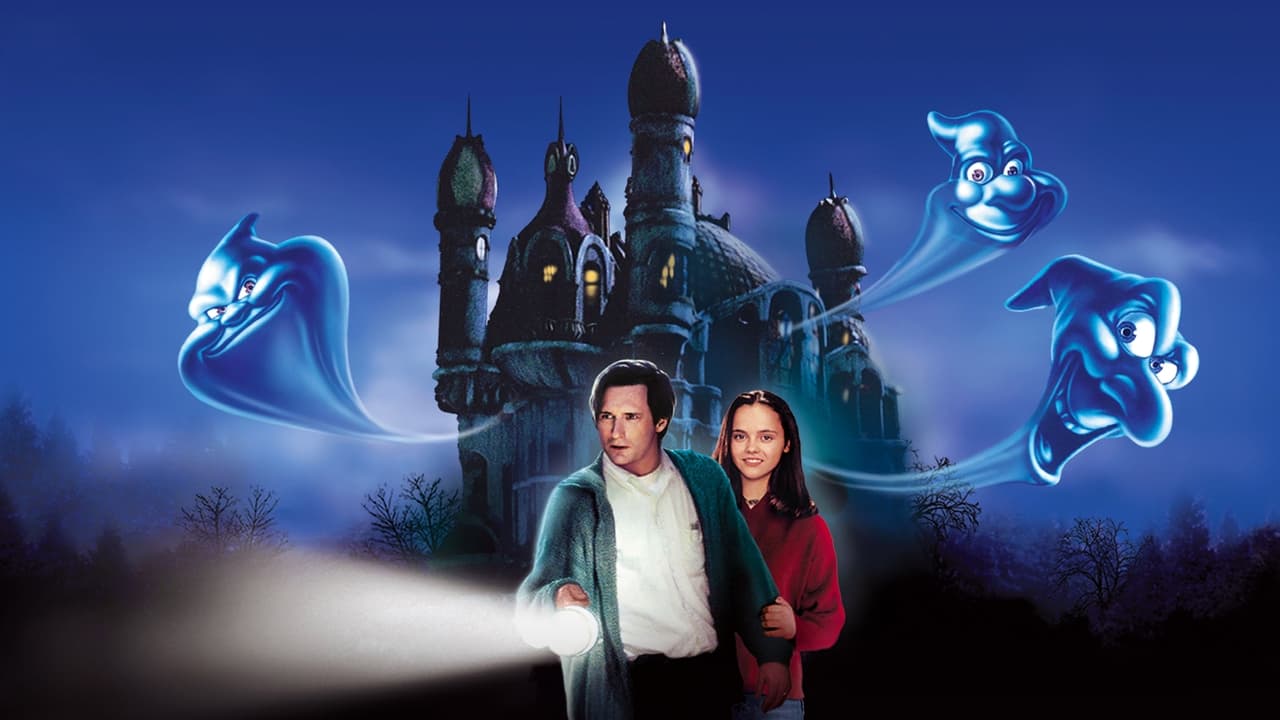
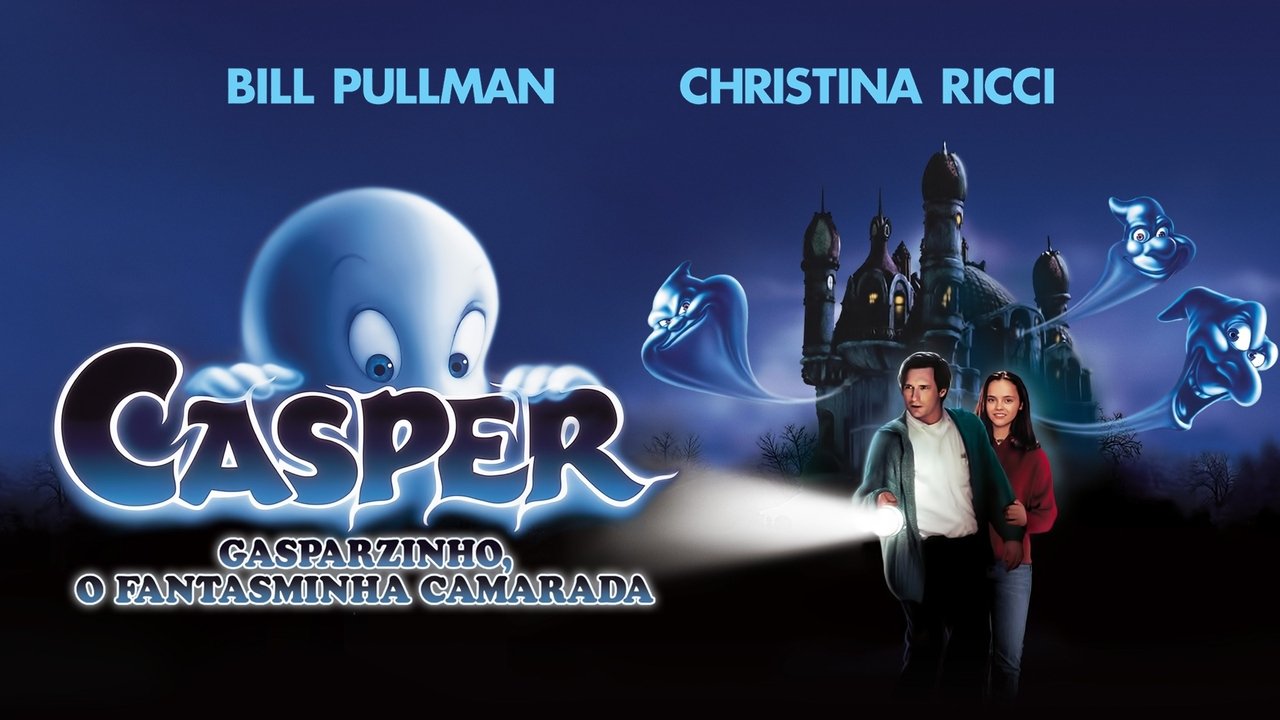
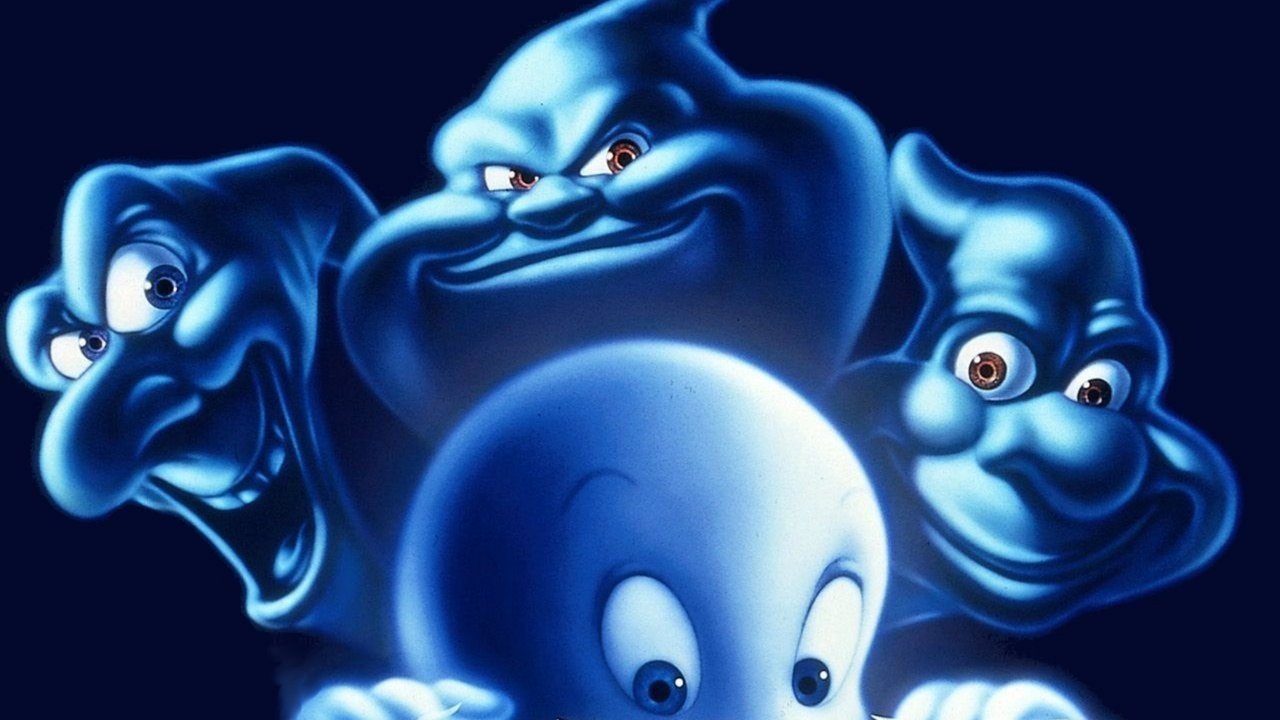
Based on the Harvey Comics character, the setup is classic haunted house fare. Scheming heiress Carrigan Crittenden, played with delicious, scenery-chewing glee by Cathy Moriarty (Raging Bull), inherits the dilapidated Whipstaff Manor in Friendship, Maine. Discovering a map promising treasure within, she hires afterlife therapist Dr. James Harvey (Bill Pullman, bringing his signature gentle charm) to exorcise the resident ghosts. Along for the ride is his cynical teenage daughter, Kat (Christina Ricci, fresh off her iconic Wednesday Addams role and perfectly cast here), who's understandably weary of her dad's spectral pursuits and constantly moving house. Of course, Whipstaff isn't just haunted; it's home to the boisterous, trouble-making Ghostly Trio – Stretch, Stinkie, and Fatso – and their far more amiable nephew, Casper.
### Groundbreaking Ghosts
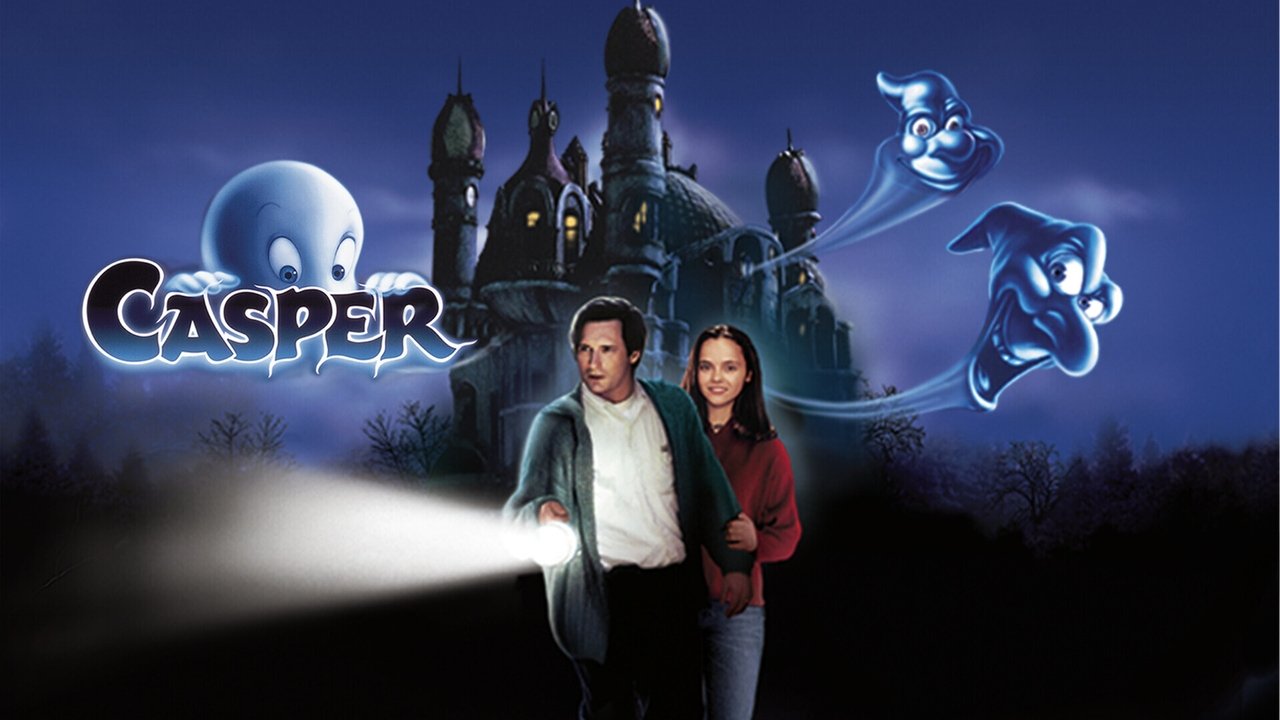
Let's talk about the ghost in the room: the groundbreaking visual effects. Directed by Brad Silberling in his feature debut, Casper was a landmark achievement for Industrial Light & Magic (ILM). Casper himself was one of the first fully computer-generated lead characters in a feature film, interacting seamlessly (well, mostly seamlessly – the tech was still evolving!) with live actors. Seeing this in '95 felt like witnessing genuine movie magic. That smooth, translucent animation, Casper's expressive face... it was miles beyond anything we'd seen on such a scale. I remember being glued to the screen, utterly convinced a friendly ghost was floating right there with Ricci and Pullman. The reported $55 million budget, hefty for the time, was clearly visible on screen, and it paid off handsomely, conjuring up a worldwide gross of nearly $288 million. It wasn't just effects for effects' sake; they served the story, bringing Casper's loneliness and gentle nature to life. The actors, of course, spent much of their time performing opposite tennis balls on sticks – a testament to their skill that the interactions feel so natural.
### Laughter, Longing, and the Lazarus Machine
While the Ghostly Trio (voiced energetically by Joe Nipote, Joe Alaskey, and Brad Garrett) provide plenty of cartoonish slapstick, writers Sherri Stoner and Deanna Oliver cleverly weave in more poignant themes. Kat and Casper bond over their shared feelings of isolation – she, the perpetual new kid, and he, the lonely ghost longing for a friend and remembering fragments of his past life. Bill Pullman’s Dr. Harvey isn’t just a wacky ghost-hunter; he’s a man deeply grieving his late wife, Amelia, clinging to the hope of contacting her spirit. This underlying melancholy gives the film an unexpected weight. Director Brad Silberling himself channelled personal tragedy into the film’s emotional core (his girlfriend, actress Rebecca Schaeffer, had been murdered years earlier), lending a genuine sensitivity to the exploration of loss and memory that elevates Casper beyond typical family fare.
Retro Fun Fact: Keep your eyes peeled during Dr. Harvey's mirror moment – that's Dan Aykroyd making a hilarious cameo, fully decked out as his Ghostbusters character Ray Stantz, famously warning, "Who ya gonna call? Someone else." Other blink-and-you'll-miss-them mirror gags involved footage intended to feature Clint Eastwood, Rodney Dangerfield, and Mel Gibson. Talk about a spectral surprise party!
The plot pivots around the mythical Lazarus machine, supposedly capable of bringing ghosts back to life, which becomes the target for both Carrigan (and her snivelling lawyer Dibs, played by Monty Python's own Eric Idle) and Casper, who dreams of being human again. This quest fuels the film’s climax, culminating in that iconic Halloween party scene. Who could forget Kat descending the stairs in her mother’s dress, and Casper, briefly granted human form (played by Devon Sawa), finally getting his dance? It’s a moment of pure, heart-swelling 90s movie magic, perfectly scored by the late, great James Horner.
### A Friendly Film Haunting Our Shelves
Does Casper hold up? Absolutely. The CGI, while obviously dated compared to today's standards, possesses a certain charm and still effectively conveys Casper's personality. The blend of humour, slight spookiness (it pushed the PG rating a bit!), and genuine heart remains incredibly effective. The performances are spot-on, especially Ricci's grounded portrayal of teenage angst and Moriarty's wonderfully over-the-top villainy. It captured a specific moment in filmmaking – the dawn of believable CGI characters – but rooted it in timeless themes of friendship, loss, and the desire to connect. It’s a film that understood that even a story about ghosts needs a soul. Revisiting it feels like catching up with an old, slightly translucent friend.
VHS Heaven Rating: 8/10
Justification: Casper earns an 8 for being a technically ambitious marvel of its time that successfully blended spooky fun with genuine emotional depth. Strong performances, particularly from Ricci, Pullman, and Moriarty, anchor the fantastical elements. While some CGI shows its age, the core charm, humour, and heartfelt moments endure, making it a standout 90s family classic that went beyond its cartoon origins. It loses a couple of points for some pacing lags and cartoonish elements that might not land as well for everyone today, but its heart is undeniably in the right place.
Final Thought: More than just a digital spectacle, Casper proved that sometimes the friendliest spirits are the ones that linger longest in our memories, especially when they remind us what it truly means to feel seen. Can I keep you? We definitely kept this tape in heavy rotation.