Here we are, back in the dusty aisles of memory, but this time we’re pulling out a tape that doesn’t offer easy comfort. Some films from the era hit you like a sugar rush, a jolt of pure action, or a warm comedic hug. Others... others slide under your skin and stay there, unsettling you long after the VCR clicks off. Philip Ridley's 1990 directorial debut, The Reflecting Skin, is emphatically one of the latter. Forget feel-good nostalgia; this is a plunge into a sun-drenched nightmare, a prairie gothic poem that still whispers uneasy questions.
### Golden Fields, Dark Secrets
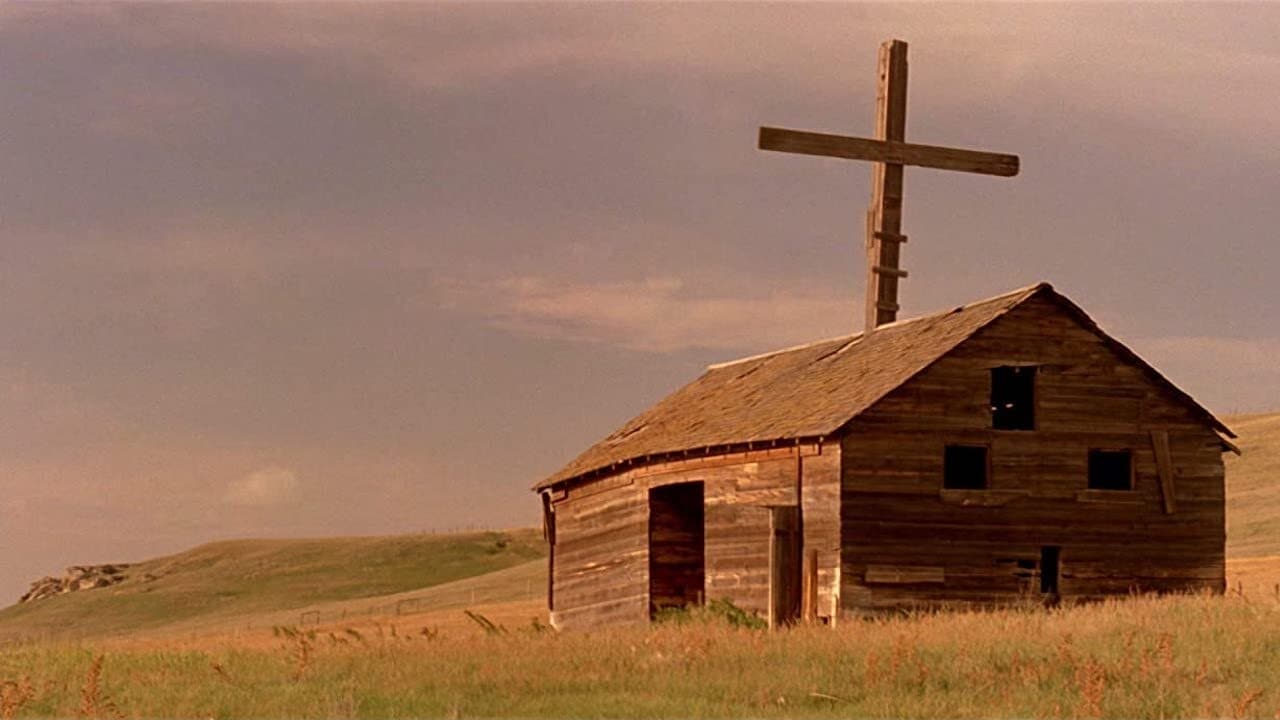
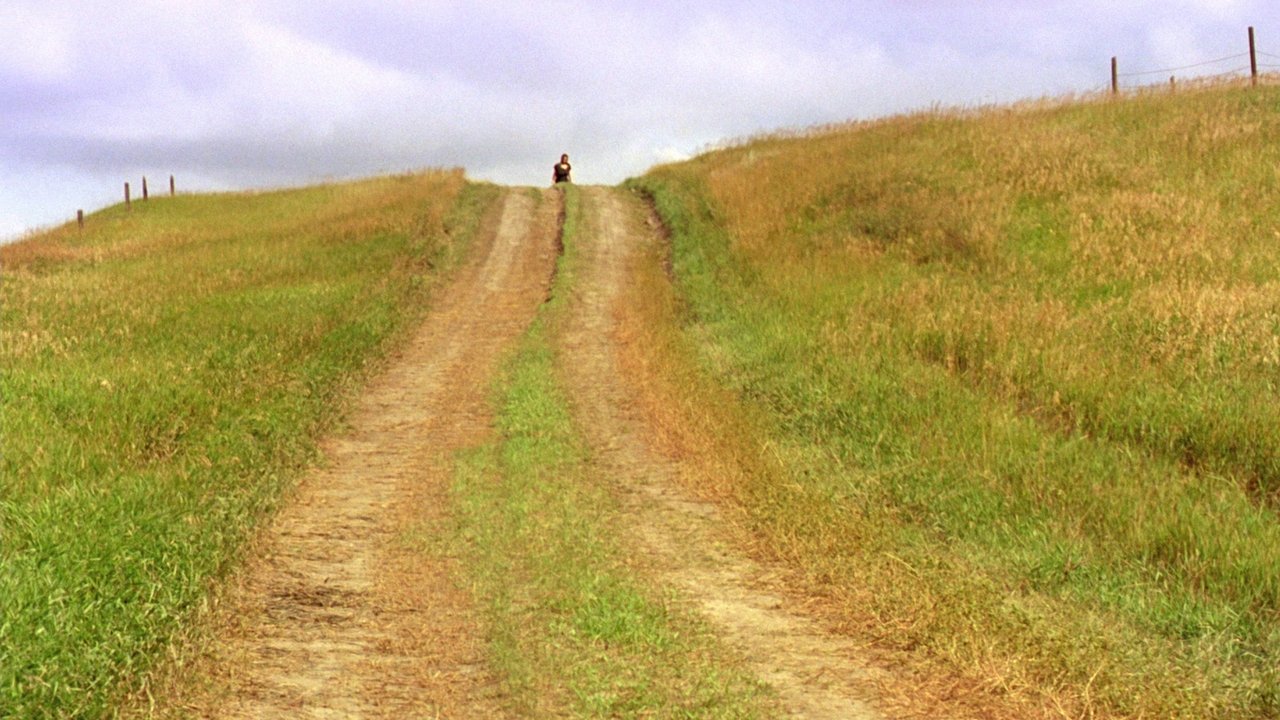
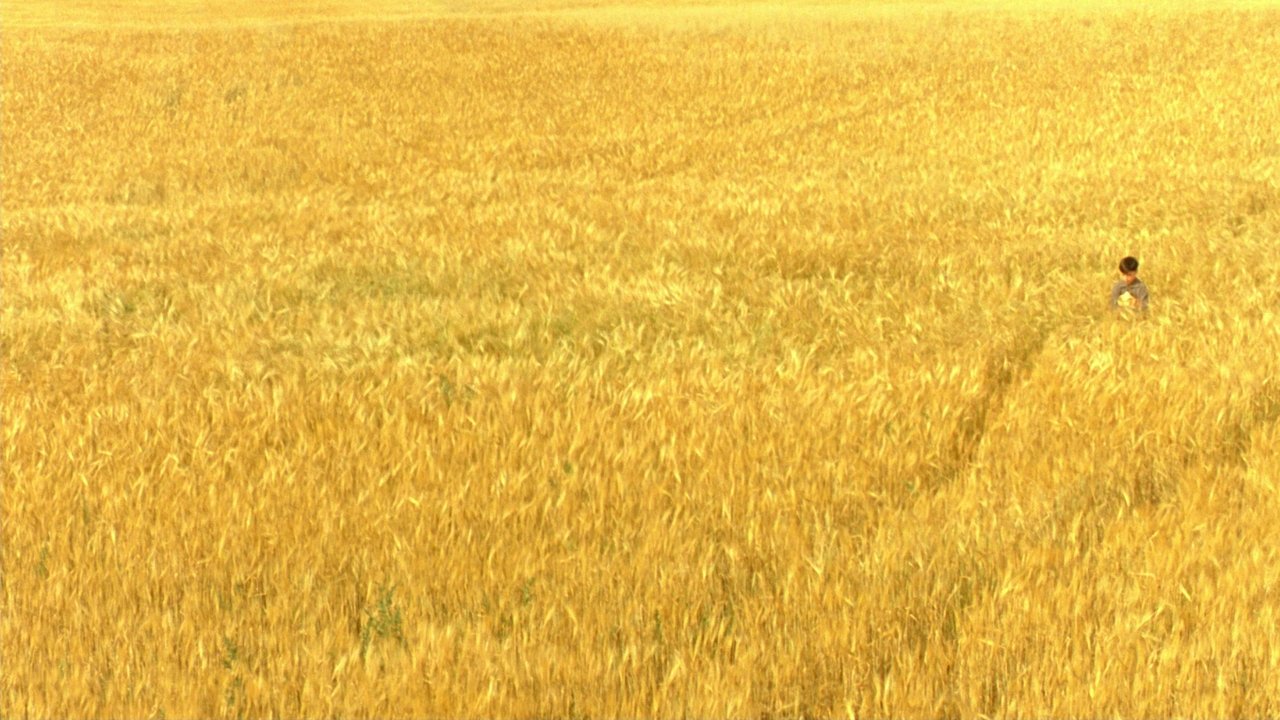
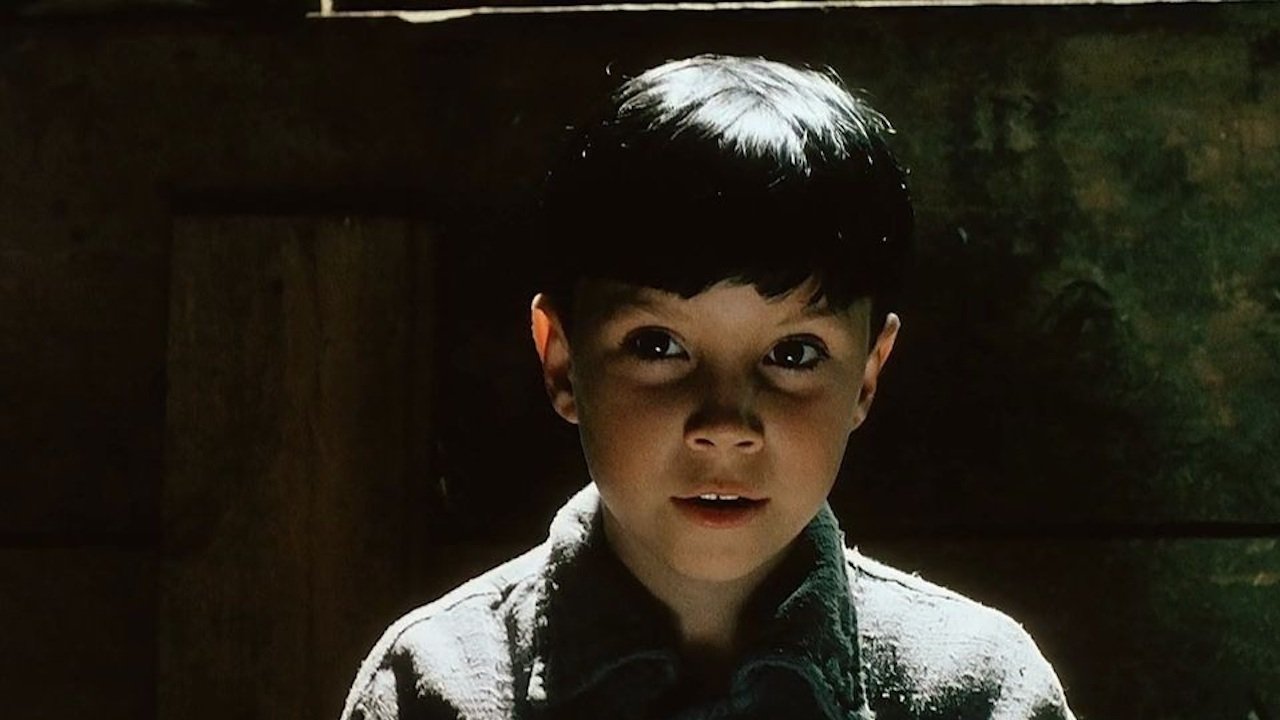
What strikes you first, and perhaps hardest, is the look of the thing. Set in a starkly isolated 1950s Idaho (though actually filmed across the vast, hypnotic landscapes of Crossfield, Alberta, Canada), the film is drenched in an almost painful, hyper-real yellow. Cinematographer Dick Pope captures wheat fields under an endless sky with a painterly quality – Ridley himself came from a background as a visual artist and playwright, and it shows in every meticulously composed frame. He reportedly sought out this specific Canadian location precisely for that intense, almost artificial-looking light. But this isn't the golden glow of wholesome Americana. It's the sickly yellow of decay, the colour of jaundice setting in on the American Dream. Beneath this beautiful, reflective surface, something is profoundly wrong.
Our guide into this world is eight-year-old Seth Dove, played with unnerving intensity by Jeremy Cooper. Seth isn't your typical movie kid. Living amidst peeling paint and simmering adult despair, his playtime involves inflating frogs with straws until they explode – a grotesque image that sets the tone early. He’s imaginative, certainly, but his imagination twists the real horrors around him – a local widow, Dolphin Blue (Lindsay Duncan), grieving her husband’s suicide; mysterious deaths plaguing the community; his own mother's descent into neurotic agony – into a fantastical narrative involving vampires driving a sleek black Cadillac. Ridley apparently took great care to shield the young Cooper from the full psychological weight of the material during filming, a necessary boundary given the darkness Seth navigates.
### Faces in the Glare
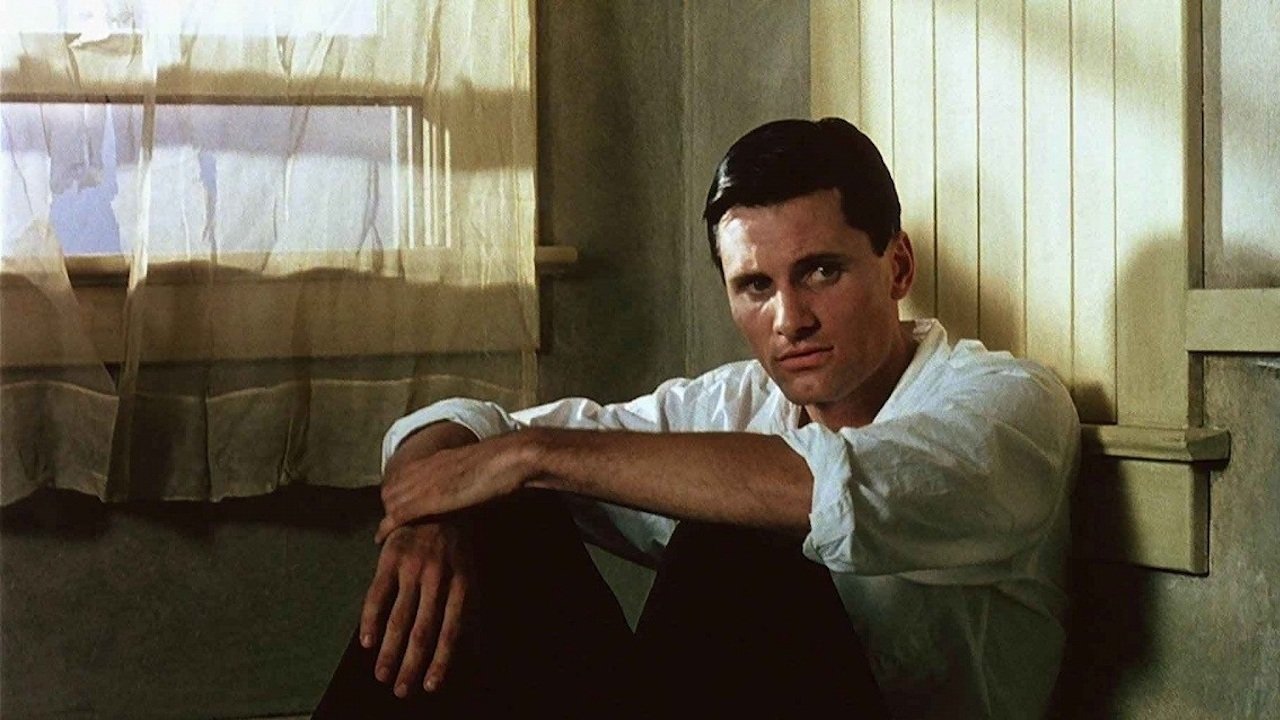
The performances are uniformly mesmerizing, etched against that unforgiving landscape. Lindsay Duncan as Seth’s mother is a study in brittle desperation, her anxieties manifesting in obsessive cleanliness and a palpable fear of the world outside her door. Her performance is raw, uncomfortable, and utterly believable. And then there’s Viggo Mortensen, in one of his earliest and most striking roles, as Seth’s older brother, Cameron. Returning from military service (ambiguously implied to be related to atomic testing in the Pacific), Cameron is handsome, seemingly gentle, but carries a haunted quality. His budding relationship with the widow Dolphin becomes a focal point for Seth’s confused fears and accusations. Mortensen, years before becoming Aragorn for a generation, already possessed that captivating screen presence, a quiet intensity that could suggest deep sensitivity or something far more unsettling. Seeing him here, you understand the star power was always latent.
Philip Ridley doesn't hand you easy answers. Is Dolphin truly a vampire, as Seth believes? Or is Seth's perspective merely the fractured lens through which we witness the fallout of very human traumas – grief, abuse, fear, the corrosive effects of secrets in a small town? The film operates in ambiguity, letting the surreal imagery and Seth’s unreliable narration create a fever-dream logic. The "vampires" in their Cadillac might be just local hoods, but through Seth's eyes, amplified by the oppressive atmosphere, they become mythic figures of dread.
### A Troubling Artifact
The Reflecting Skin wasn't an easy sell in 1990. Premiering at Cannes, it divided critics – some hailed its astonishing visuals and originality, while others recoiled from its bleakness and disturbing content (that infamous exploding fetus imagery, achieved through practical effects, likely didn't help). It’s certainly not a film that slots neatly into any genre box. Is it horror? A dark fairy tale? Rural gothic? Psychological drama? It borrows elements from all, creating something uniquely unsettling. It’s a film that requires patience and a willingness to sit with discomfort.
Finding this on VHS back in the day, perhaps tucked away in the 'Drama' or 'Cult' section, would have been a jarring experience compared to the mainstream fare surrounding it. It didn’t offer the catharsis of a slasher or the wonder of a sci-fi epic. Instead, it offered beauty laced with poison, innocence corrupted, and questions without comforting answers. It’s a reminder that the 90s indie scene could produce works of profound strangeness and artistic ambition, films that challenged audiences rather than just entertaining them.
### Lingering Shadows
Does The Reflecting Skin hold up? Absolutely, perhaps even more so now. Its themes of damaged youth, the darkness hidden beneath picturesque surfaces, and the way trauma shapes perception feel chillingly relevant. It's a demanding watch, make no mistake. There’s little levity, and the pacing is deliberate, allowing the atmosphere to build and suffocate. But for viewers willing to engage with its challenging vision, it offers a uniquely powerful cinematic experience. It’s art-house horror with a capital A, beautiful and repellent in equal measure.
Rating: 8/10
This score reflects the film's undeniable artistic merit, stunning visuals, and haunting performances, balanced against its deliberately challenging and often unpleasant subject matter. It's not for everyone, but its power is undeniable. It’s a film that, like a strange prairie dust devil, spins into your consciousness and leaves a residue of unease, forcing you to question what horrors are real and which are born in the reflecting skin of a child’s eye. What truly lingers after the credits isn't jump scares, but the profound sadness woven into its beautiful, terrible tapestry.