Dust settles thick on velvet curtains, muffling the sounds of a supposedly civilized world outside. Inside the opulent, yet strangely decaying Daitokuji residence, a different kind of rot is taking hold. Shinya Tsukamoto traded the screeching metal and urban decay of his signature work like Tetsuo: The Iron Man (1989) for Meiji-era Japan in his 1999 film Gemini (Sôseiji), but don't mistake the period setting for a lack of visceral unease. This is a different breed of nightmare, one steeped in privilege, secrets, and the terrifying fragility of identity. Forget the cyberpunk; here, the horror wears a tailored suit before dragging you into the mud.
Beneath the Silk Kimono
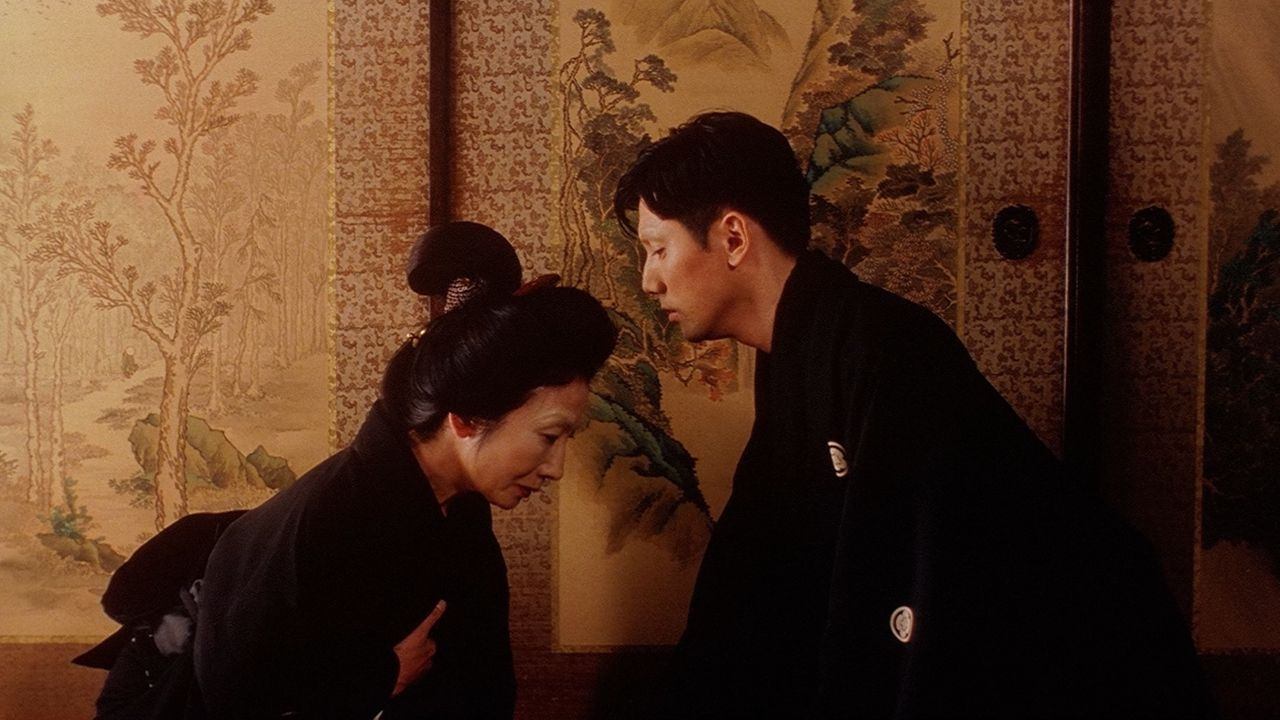
We are introduced to Dr. Yukio Daitokuji (Masahiro Motoki), a respected physician seemingly embodying Meiji-era progress and decorum. He lives a life of calculated order: a successful practice treating the wealthy, a beautiful wife, Rin (Ryō), plagued by amnesia, and a sprawling mansion inherited from his parents. Yet, something feels immediately... off. The house itself breathes decay beneath its surface luxury. The surrounding slums, which Yukio regards with clinical disdain, press in, a constant reminder of the world he desperately wants to keep separate. Tsukamoto, adapting a story by the legendary master of the grotesque, Edogawa Rampo, masterfully establishes this brittle façade, ripe for shattering. The tension isn't just in what happens, but in the suffocating atmosphere of denial hanging over Yukio's perfect world. Doesn't that clash between pristine surfaces and underlying filth feel jarringly deliberate?
The Other Self Arrives

The shattering begins violently. Yukio's parents are murdered, and soon after, he is confronted by his döppelganger – Sutekichi, a grimy, feral version of himself emerging from the very slums Yukio despises. Also played by Masahiro Motoki, Sutekichi is pure Id to Yukio's Superego. He is rage, poverty, and raw survival instinct, claiming a birthright stolen from him. Motoki's dual performance is the anchor here; a fascinating turn, especially considering his background as a former pop idol (member of the Shibugakitai). He embodies both the cold repression of Yukio and the simmering fury of Sutekichi with unnerving conviction. The transformation – Yukio being cast down into the filth while Sutekichi usurps his life – is brutal and psychologically harrowing. The makeup distinguishing the two is simple yet effective, emphasizing not just physical difference but a chasm of experience etched onto Sutekichi's face.
Tsukamoto's Controlled Descent
Fans expecting the hyper-kinetic, industrial assault of Tsukamoto's earlier work might be initially surprised by Gemini's comparative restraint. The frantic editing is largely replaced by a more deliberate pace, allowing the dread to build through atmosphere and performance. However, Tsukamoto's visceral sensibilities are far from absent. The violence, when it erupts, is shocking and impactful. The production design is superb, contrasting the sterile elegance of the doctor's quarters with the abject squalor of the nearby slum and the hidden, decaying parts of the mansion itself. It's a visual representation of the film's core themes: the rot beneath respectability, the darkness hidden by privilege. Chu Ishikawa's score complements this perfectly, weaving traditional Japanese sounds with unsettling, discordant notes that amplify the psychological tension. It's worth noting that Tsukamoto wasn't initially slated to direct; he stepped in after the original director departed, bringing his unique vision to the Rampo adaptation, a project that feels both distinct within his filmography and yet undeniably his.

Secrets and Squalor
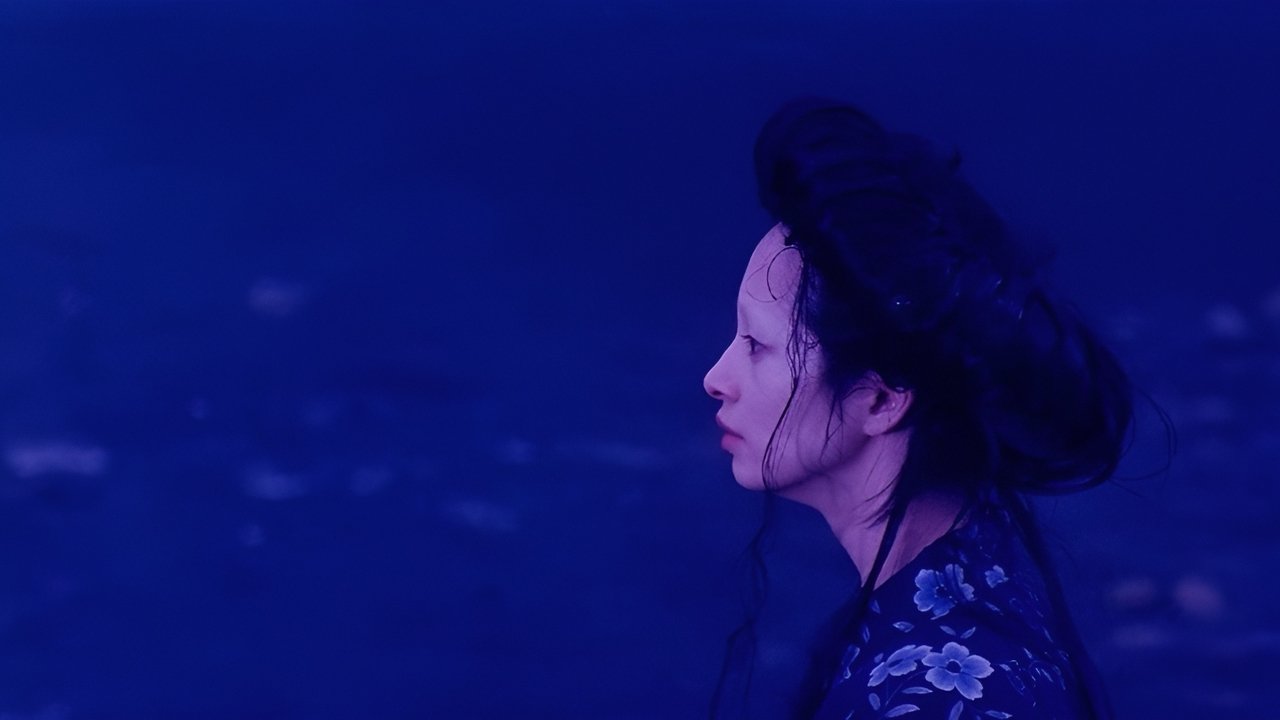
As Sutekichi takes over Yukio's life, the film delves deeper into the family's buried secrets, particularly concerning Rin's past and the true circumstances of Sutekichi's existence. The narrative explores class conflict, the arbitrary cruelty of fate, and the inescapable nature of one's origins. Ryō gives a compelling performance as Rin, caught in a disorienting nightmare as her husband is replaced by a violent stranger who seems disturbingly familiar. Her journey through recovering memory adds another layer to the film's exploration of identity and hidden truths. The film asks uncomfortable questions about who deserves what, and whether civility is merely a mask for profound barbarism. The squalor isn't just physical; it's deeply moral and psychological.
Retro Fun Facts
- The film premiered at the Venice Film Festival in 1999, showcasing Tsukamoto's shift towards period drama to an international audience.
- Adapting Edogawa Rampo (a pseudonym playing on Edgar Allan Poe) was a significant move, tapping into a rich vein of Japanese literary horror known for its bizarre and erotic undertones.
- The Meiji Restoration period (late 19th/early 20th Century) setting is crucial, representing a time of immense social upheaval and Westernization in Japan, adding another layer to the themes of identity crisis and societal stratification.
A Different Kind of Chill
Gemini might not be the relentless sensory assault of Tetsuo, but its power lies in its insidious crawl under your skin. It’s a film that uses its period setting not just for aesthetic, but to explore timeless anxieties about identity, class, and the darkness we try to suppress. Motoki's performance is a standout, carrying the weight of the dual roles admirably. While the pacing might test those seeking non-stop action, the atmosphere, psychological depth, and unsettling imagery make it a truly memorable piece of late-90s Japanese cinema – a gem, perhaps, retrieved from the dustier corners of the video store shelf. It’s a disturbing reminder that sometimes the most terrifying monster is the one staring back from the mirror.
Rating: 8/10
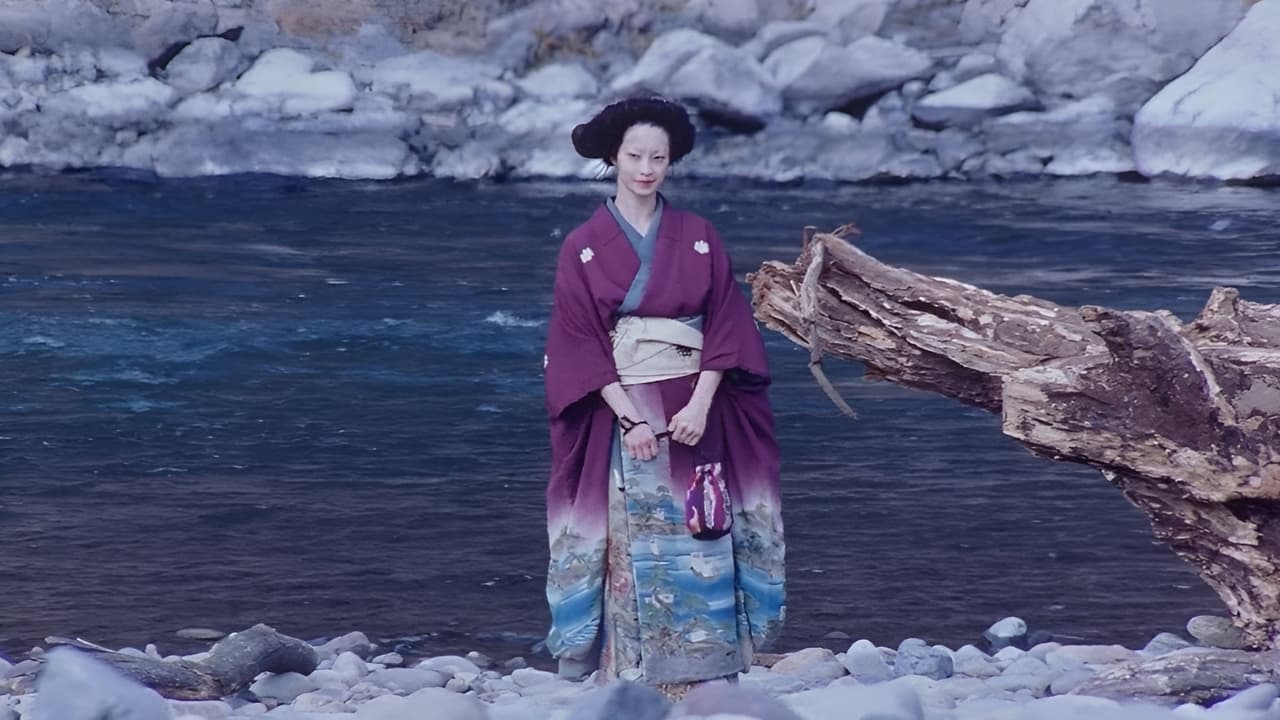
Justification: Gemini earns its score through its masterful atmosphere, Tsukamoto's successful stylistic shift into controlled period dread, Motoki's compelling dual performance, and its potent exploration of dark themes rooted in Edogawa Rampo's unsettling world. The production design and score are exceptional in building the film's specific brand of unease. It loses minor points perhaps for a pace that might feel slow to some accustomed to Tsukamoto's more frantic work, but the deliberate build-up is ultimately effective.
Final Thought: A chilling döppelganger tale wrapped in Meiji-era decay, Gemini proves Shinya Tsukamoto could conjure nightmares just as potent in silk and shadow as he could in metal and wire. It remains a uniquely unsettling entry in his formidable body of work.