A colossal silver shoe, gleaming unnervingly amidst the dense, whispering pines. That’s one of the first indelible images seared into memory from Philip Ridley’s feverish Southern Gothic nightmare, The Passion of Darkly Noon (1995). It’s a symbol, perhaps, of the fairy tale warped into something far more disturbing, a signpost on the road to a very specific kind of hell. Finding this tape tucked away on a dusty rental shelf felt like uncovering forbidden knowledge, a far cry from the usual blockbuster fare. It promised something strange, something unsettling, and boy, did it deliver. This isn't a comfortable watch; it’s a descent into religious fervor, sexual repression, and hallucinatory violence that crawls right under your skin.

### Lost in the Woods
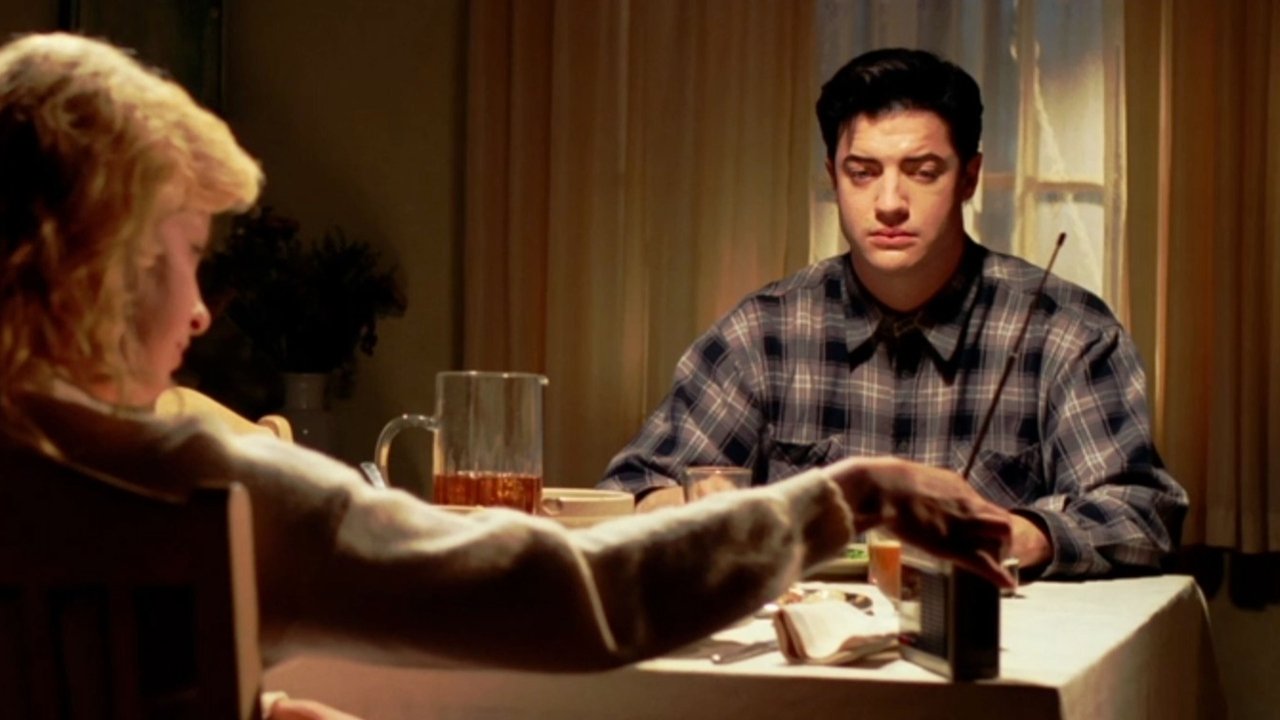
The film drops us immediately into disorientation alongside the titular Darkly Noon (Brendan Fraser), a young man stumbling shell-shocked from the wreckage of his ultra-conservative religious community, violently disbanded. Rescued by the pragmatic Jude (Loren Dean), Darkly finds refuge deep in an isolated forest cabin occupied by the alluring, free-spirited Callie (Ashley Judd) and her mute, menacing lover, Clay (Viggo Mortensen), a carpenter who crafts coffins by trade. Doesn’t exactly scream “safe haven,” does it? Darkly, indoctrinated to see sin in every shadow and temptation in every kindness, becomes increasingly unmoored in this strange new world. His repressed desires clash violently with his fire-and-brimstone upbringing, manifesting in terrifying visions and escalating paranoia.
Ridley, who also penned the screenplay (and whose previous film, the equally disturbing The Reflecting Skin (1990), should have been a warning), crafts an atmosphere thick with dread. The woods themselves feel alive, oppressive, mirroring Darkly’s fractured psyche. Filmed largely in Germany, the locations possess an almost mythical quality, a Black Forest fairy tale gone rotten, standing in effectively for the story’s intended Appalachian setting. This displacement adds another layer of unreality, enhancing the sense that Darkly has stepped outside the known world entirely. There’s a palpable tension woven into the very fabric of the film, fueled by Nick Bicat's haunting, minimalist score and the claustrophobic intimacy of the cabin.
### A Cast on the Edge
This film arrived at an interesting point for its cast. Brendan Fraser, still riding the wave of lighter fare like Encino Man (1992) but before his full-blown action hero status in The Mummy (1999), throws himself into the tortured role of Darkly with startling intensity. It's a raw, physical performance, capturing the character's vulnerability and terrifying potential for violence. You see the internal battle raging behind his wide, confused eyes. Did seeing him this vulnerable, this disturbed, shock anyone else back then?
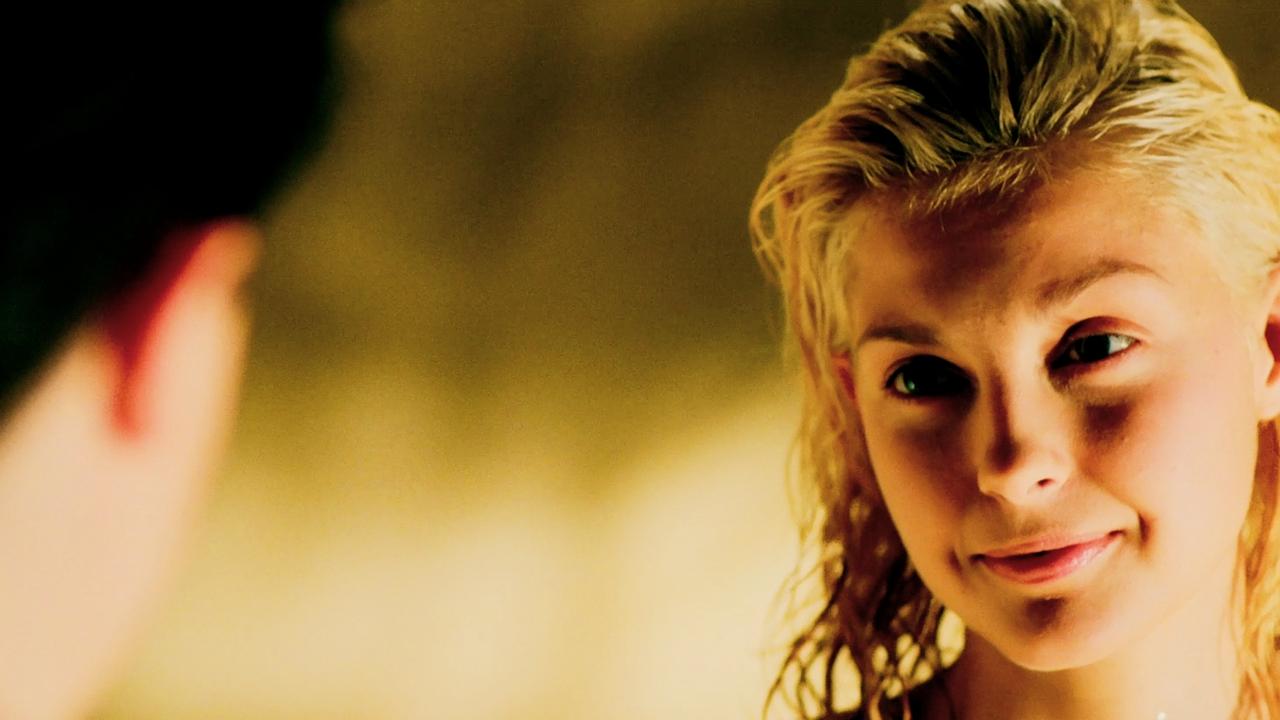
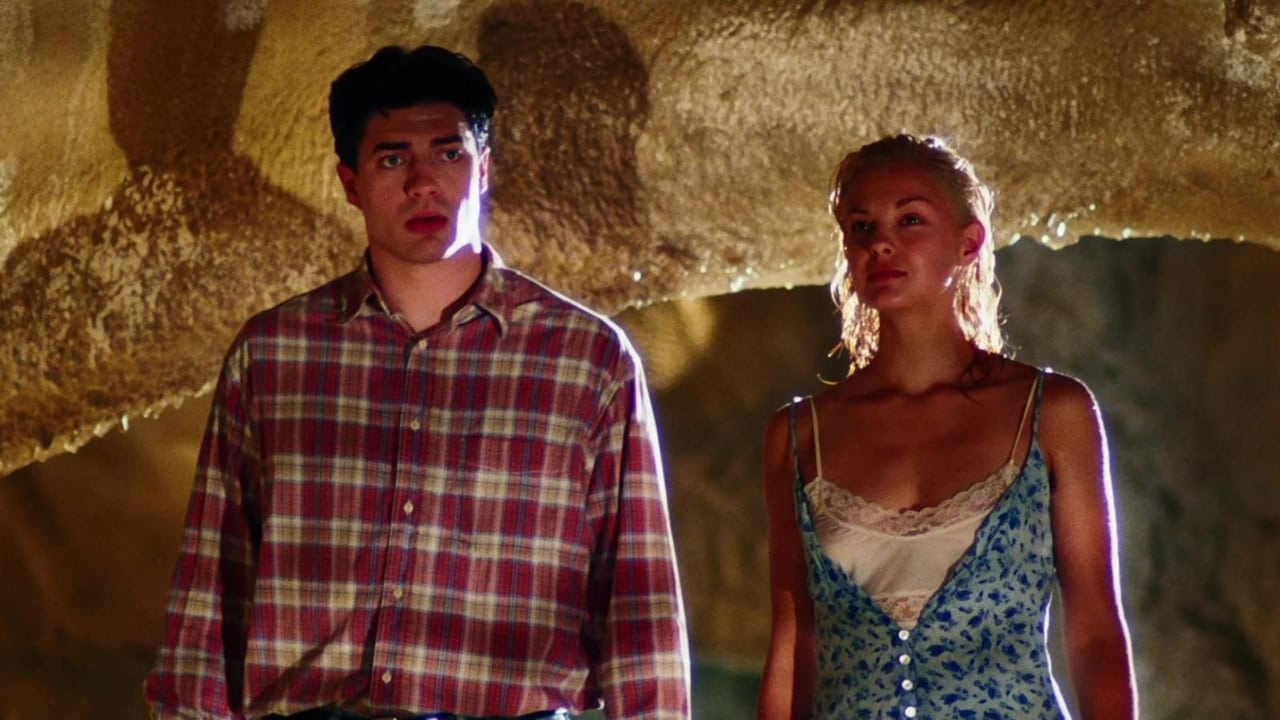
Ashley Judd, radiating earthy sensuality, embodies the perceived temptation that unravels Darkly. She's compassionate but perhaps naive to the storm brewing within her guest. And then there's Viggo Mortensen. Before Aragorn, he specialized in quiet intensity, and his Clay is a masterpiece of simmering threat. His silence speaks volumes, his occasional interactions laced with unspoken warnings. The dynamic between these three, trapped in the crucible of the forest, is electrifying and deeply uncomfortable. Fun fact: the giant silver shoe Darkly discovers belonged to the deceased mother of Clay – a former circus performer adding yet another layer of bizarre backstory to this already strange narrative.
### Unravelling Sanity
Ridley, also a respected visual artist and novelist, approaches the film with a painter's eye. The imagery is often striking, bordering on the surreal – the aforementioned shoe, the blood-red paint, the final, fiery confrontation. He doesn't shy away from the ugliness of Darkly's mental breakdown, fueled by misinterpreted scripture and jealousy. The film’s exploration of religious fanaticism as a destructive force feels particularly potent, depicting how rigidly enforced dogma can twist natural human impulses into monstrous shapes.
The production itself wasn't without its challenges, operating on a relatively modest budget (reportedly around $5 million) which perhaps contributes to its lean, focused intensity. There's little fat here; every scene tightens the screws. The practical effects, especially in the later stages, retain a visceral power. It’s not about jump scares; it’s about the slow burn, the psychological unraveling that feels disturbingly plausible even within its heightened reality. Ridley reportedly preferred minimal rehearsal to capture a rawer energy from his actors, a choice that seems evident in the often volatile onscreen chemistry.
### Legacy of Unease
The Passion of Darkly Noon wasn't a box office smash. How could it be? It’s too peculiar, too abrasive, too willing to delve into uncomfortable truths about faith, desire, and violence. It garnered polarized reviews upon release, hailed by some as visionary, dismissed by others as overwrought. But like many unique visions relegated to the cult section of the video store, it found its audience – those drawn to its dark poetry and unsettling power. It’s a film that doesn’t offer easy answers or resolutions, leaving you with lingering questions and a distinct sense of unease. It’s a testament to Philip Ridley's singular, uncompromising artistic voice.

Does it hold up? Absolutely. Its themes remain relevant, its performances are still captivating, and its atmosphere is as thick and suffocating as ever. It’s a challenging piece of 90s independent cinema that dared to be different, a true oddity from the VHS era that deserves to be rediscovered, even if it means watching through slightly parted fingers.
Rating: 8/10
This score reflects the film's undeniable artistic merit, its powerhouse performances (especially Fraser's committed turn), and its success in creating a genuinely disturbing and unique atmosphere. It’s a challenging, sometimes unpleasant film, but its ambition and haunting imagery are undeniable. It loses a couple of points perhaps for pacing that might test some viewers and a narrative intensity that borders on relentless, but its effectiveness as a dark, psychological fable is remarkable. It remains a potent reminder of the strange and sometimes brilliant risks cinema could take, risks often discovered on a forgotten tape in a dimly lit store.