Okay, grab your favourite fizzy drink (maybe something stronger, Werner would approve), settle back into that worn armchair, and let's rewind the tape to 1990. Forget polished Disney fantasies or slick Hollywood productions for a moment. We're diving headfirst into the gloriously crude, unapologetically German, and utterly unique world of Werner - Beinhart! This wasn't just a movie; for a whole generation in Germany, it was a cultural event, an explosion of comic book anarchy brought to messy, beer-soaked life. Finding this on a dusty shelf felt like unearthing forbidden treasure – animation that wasn't trying to be cute, but raw and real in its own chaotic way.
From Comic Panel to Big Screen Mayhem
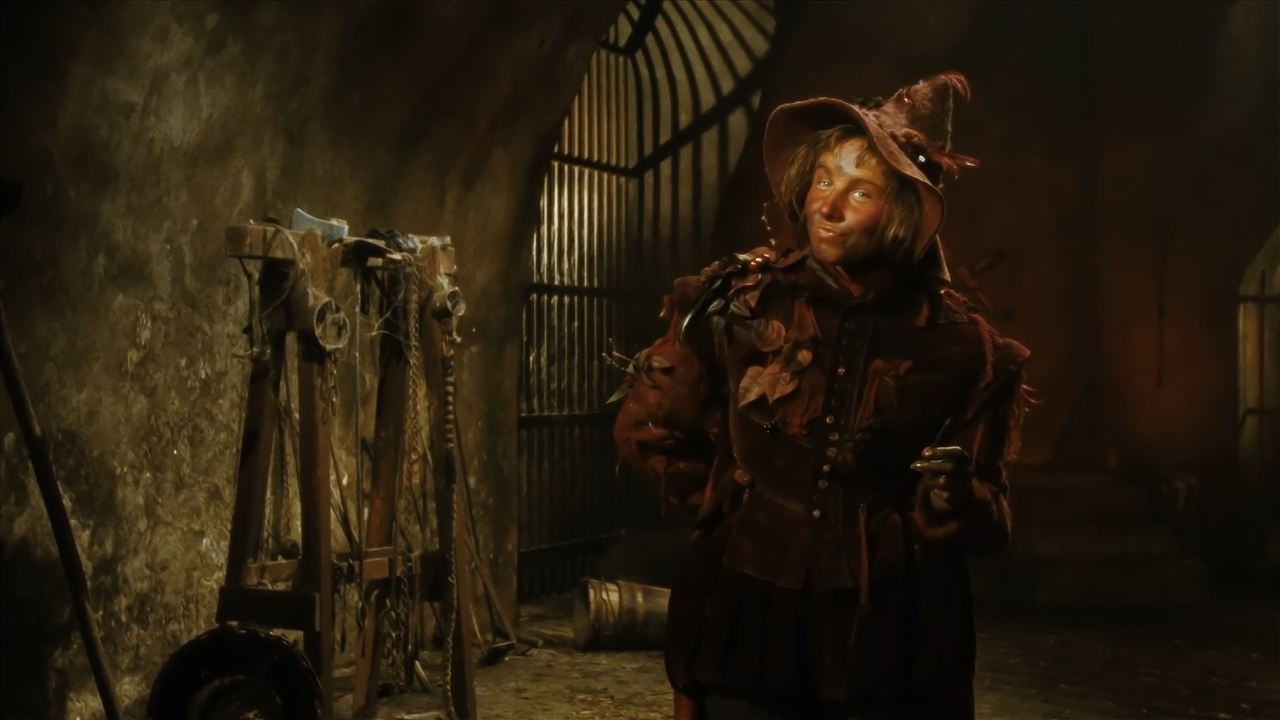
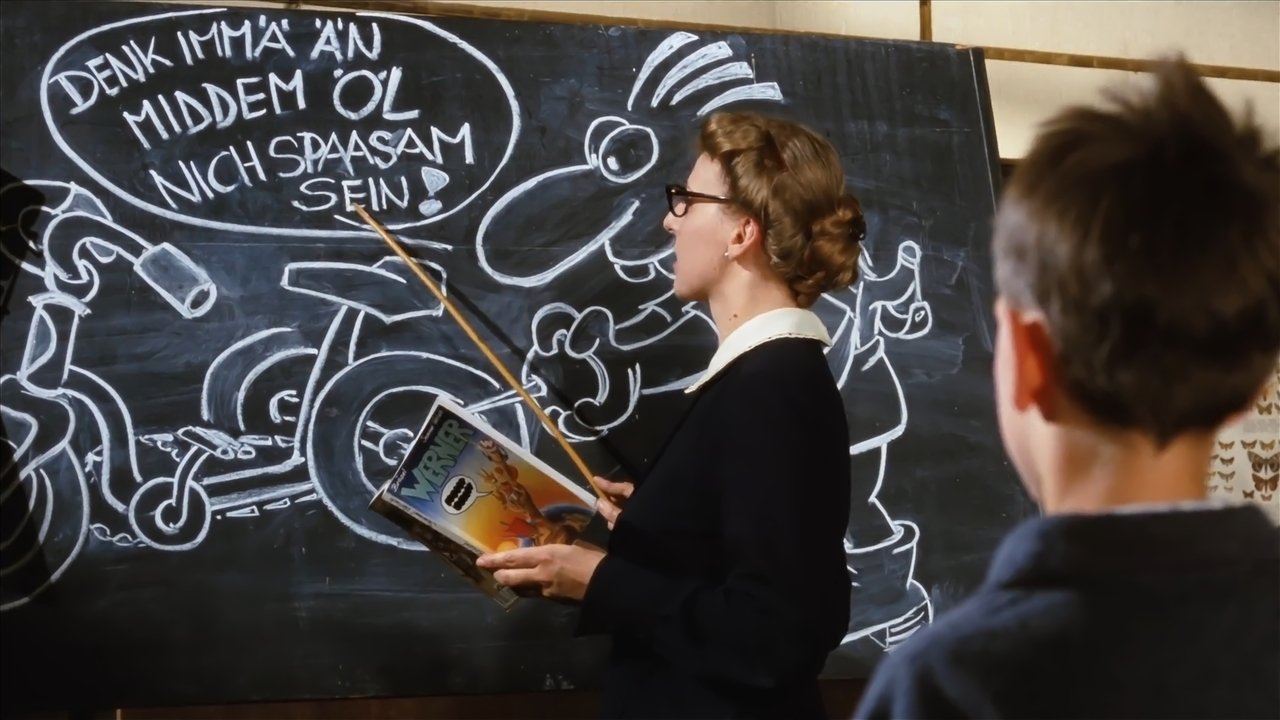
You can't talk Beinhart! without talking about Rötger Feldmann, better known as 'Brösel'. His Werner comics were (and are) legendary in Germany – tales of the perpetually unemployed plumber apprentice Werner, his trusty Horex motorcycle, his love for "Bölkstoff" (a fictional, potent beer), and his constant run-ins with authority figures, incompetent bosses like Meister Röhrich, and the dreaded TÜV (vehicle inspection agency). The film brilliantly captures this spirit by framing the animated segments within a live-action story: Brösel himself (played by Rötger Feldmann, naturally) is under pressure from a sleazy film producer (the late, great Niki List, who also co-directed the live-action parts) to deliver a Werner movie. As Brösel struggles with writer's block (and the producer's increasingly absurd demands), his own life starts mirroring Werner's cartoonish chaos, triggering the animated sequences we came to see. It's a meta, slightly ramshackle approach, but it perfectly suits the source material's rebellious energy. Andi Feldmann, Rötger's brother and the real-life builder of many Werner contraptions, also pops up, adding another layer of authenticity.
Animation with Attitude (and Bölkstoff)
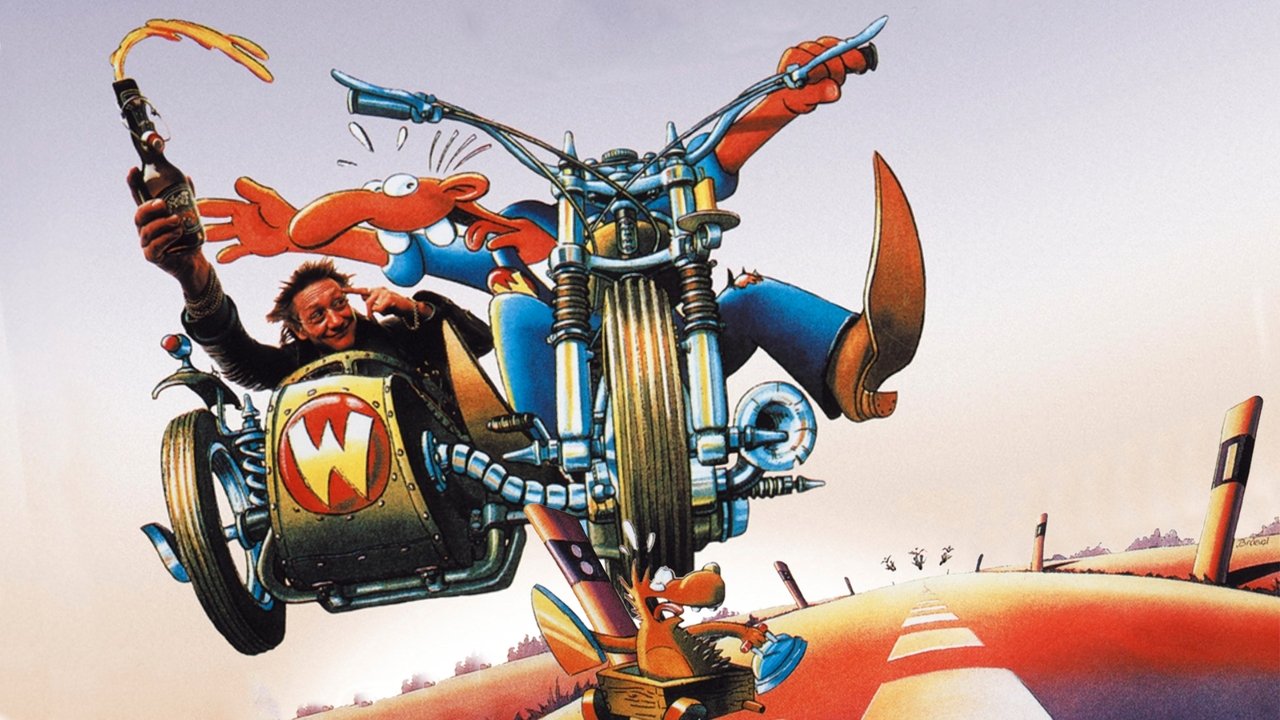
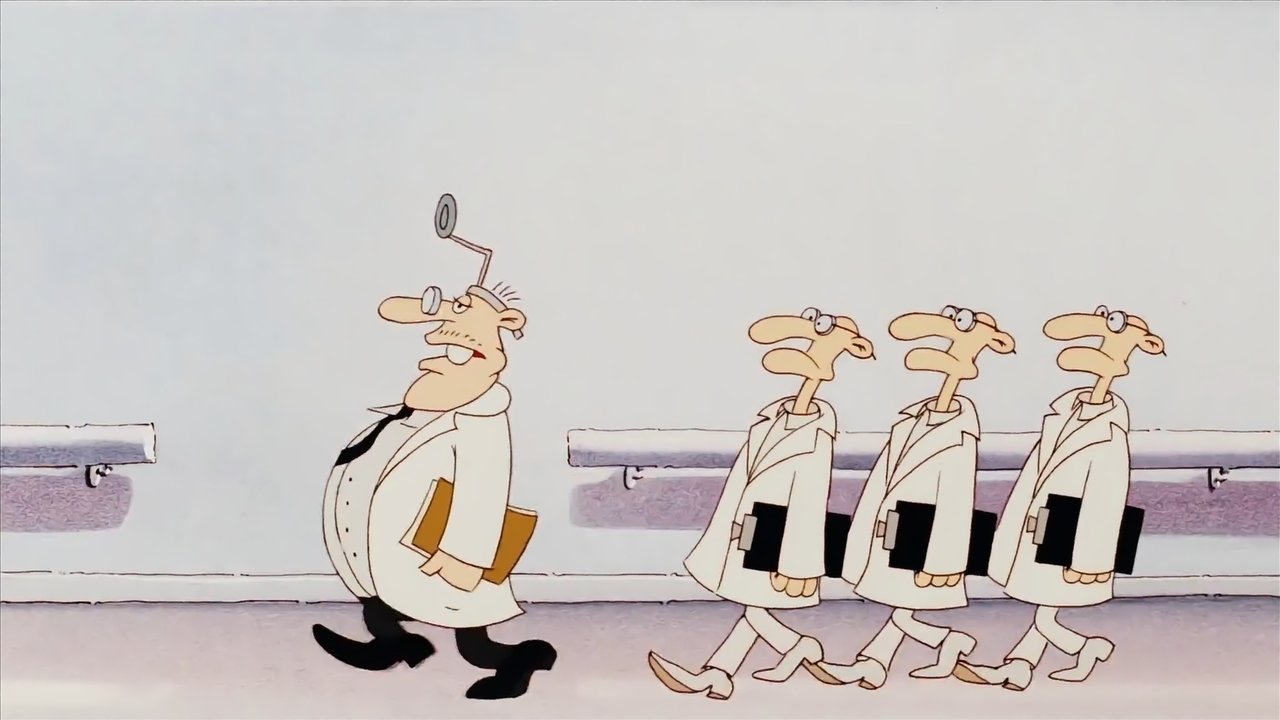
Let's be clear: the animation here, primarily handled by Gerhard Hahn and Michael Schaack, isn't aiming for fluidity or technical perfection in the way American animation often was. It's intentionally rough, kinetic, and full of exaggerated physics and expressions, directly mirroring Brösel's drawing style. Characters bulge, warp, and explode with energy (and sometimes, literally explode). It feels hand-drawn, almostgarage-made in the best possible way, closer to underground comics than Saturday morning cartoons. Remember how refreshingly different this looked compared to the slicker animation dominating screens back then? It felt like the drawings had leaped off the page, ink still wet, fueled by cheap beer and gasoline fumes. This wasn't just animation; it was attitude visualized. The sheer impact of seeing things like the infamous "Bölkstoff" drinking sessions or Werner's disastrous plumbing jobs animated with such gusto was undeniable.
More Than Just Gags: The Sound of Werner
Crucial to the Werner vibe is the voice work and the music. Werner's distinctive, perpetually slurring voice is provided by Klaus Büchner, lead singer of the North German cult rock band Torfrock. Their hard-rocking, often humourous tunes are woven into the film's fabric, providing the perfect soundtrack for motorcycle races, bar brawls, and general mayhem. Hearing those riffs kick in just felt right, perfectly amplifying the film's anarchic energy. It's hard to imagine Werner without Büchner's voice or Torfrock's sound – they are inseparable.
Retro Fun Facts That Still Resonate
- Beinhart! wasn't just a hit; it was a phenomenon in Germany, selling over 5.4 million tickets. That's staggering! Especially considering its relatively modest budget (rumoured around 8 million Deutschmarks) and its distinctly non-mainstream, counter-culture roots. It utterly blindsided many critics who perhaps didn't grasp the deep connection fans had with Brösel's world.
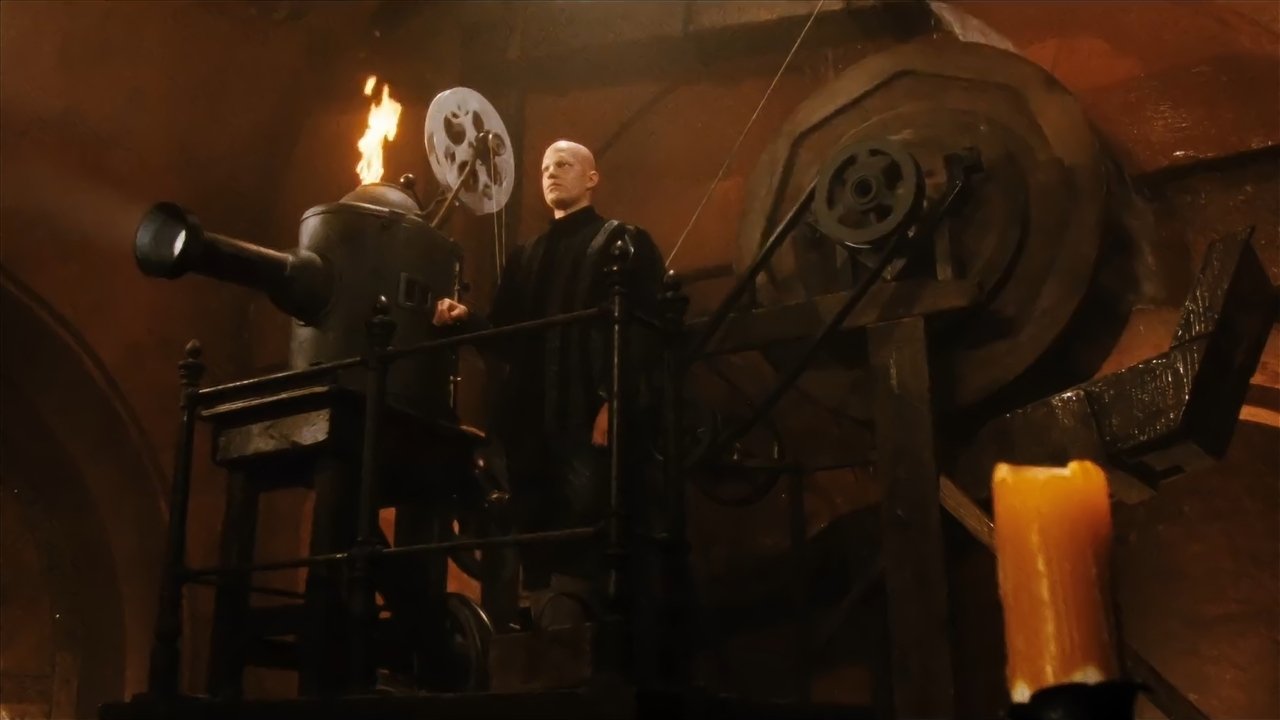
- The blend of live-action and animation, while maybe looking a bit quaint now, was quite ambitious for a German production at the time. Integrating the cartoon world so directly with the creator's "real" struggle added a unique layer.
- The iconic Bölkstoff beer? While fictional in the comics, its popularity exploded thanks to the film, leading to actual breweries producing beers under similar names to capitalize on the phenomenon. Talk about life imitating art!
- Co-director Niki List, who played the slimy producer Gerd Geldhai, was actually an accomplished Austrian filmmaker himself, known for films like Müllers Büro. His willingness to poke fun at the industry added another satirical edge.
Does the Horex Still Roar?
Watching Werner - Beinhart! today is a fascinating trip. The humour is deeply rooted in its time and place – lots of puns, slapstick, and a distinctly German brand of anti-establishment cheekiness. Some jokes might fly over the heads of international viewers, and the pacing certainly feels... episodic, reflecting its comic strip origins. The live-action segments can feel a tad awkward, but charmingly so, like watching a home movie made by your coolest, slightly rebellious uncle.
But the energy? The sheer, unadulterated Werner-ness? That absolutely holds up. It’s a celebration of joyful incompetence, sticking it to the man (especially the police and bureaucrats), the love of machinery, and the bonds of friendship forged over loud music and cold beer. It’s a snapshot of a specific cultural moment, delivered with infectious, unpretentious glee. It paved the way for numerous sequels, cementing Werner as a true German icon, proving animation could be gritty, adult (in a juvenile sort of way), and wildly successful outside the usual formulas.
Rating: 7.5 / 10
Justification: While undeniably dated in places and perhaps a bit rough around the edges for modern tastes (especially outside Germany), Werner - Beinhart! possesses an infectious energy, unique animation style, and cultural significance that earns it major points. Its blend of animation and live-action, coupled with the Torfrock soundtrack and authentic voice work, captures the anarchic spirit of the source material perfectly. It loses a few points for pacing and humour that doesn't always translate universally, but its cult status and sheer audacity make it a must-see for fans of unconventional animation and 90s counter-culture artifacts.
Final Take: A glorious blast of hand-drawn, beer-fueled German anarchy that proves animation doesn't need polish to have personality. Prost! It’s still beinhart (rock hard) after all these years.