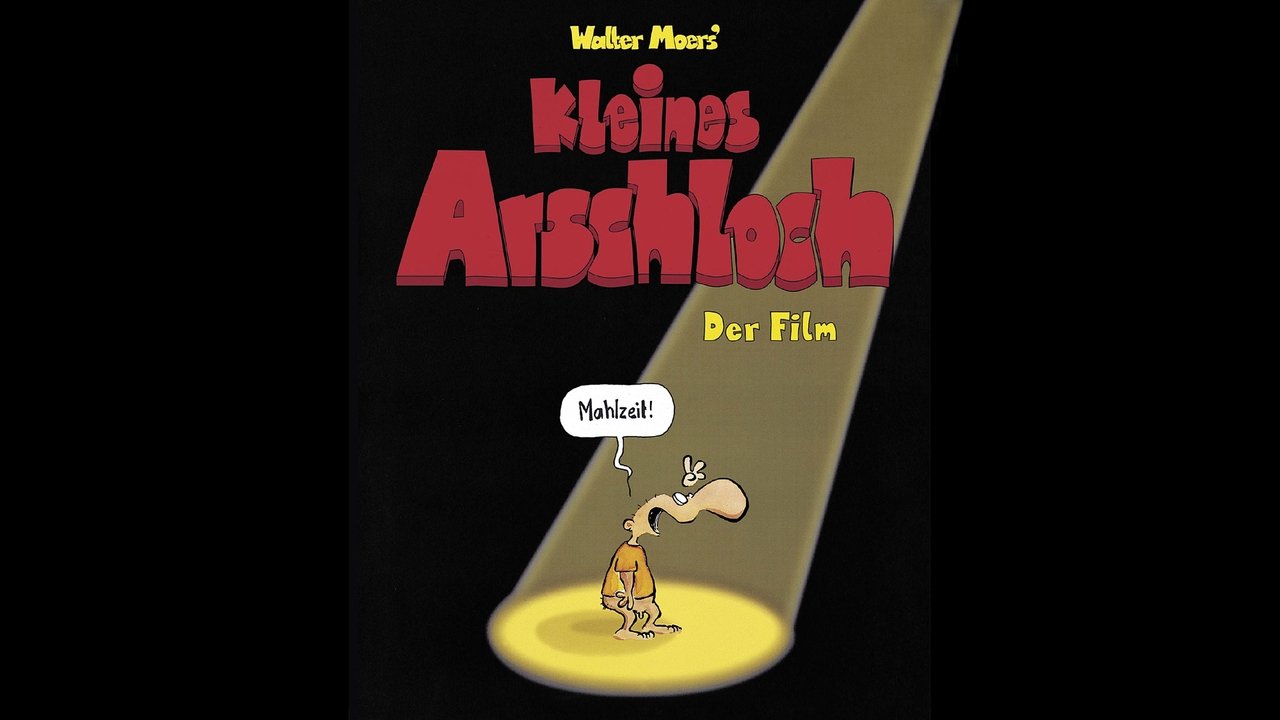
Alright, fellow tapeheads, settle in. Tonight, we’re digging out a tape that probably caused more than a few raised eyebrows down at the local video store back in the day, maybe even got kept behind the counter. I’m talking about 1997’s infamous German animated feature, Kleines Arschloch - Der Film (or Little Asshole - The Movie, for the non-German speakers among us). Forget your Disney singalongs; this was the kind of cartoon that felt genuinely dangerous to watch as a teen, like you’d stumbled onto some forbidden frequency broadcasting directly from the id.
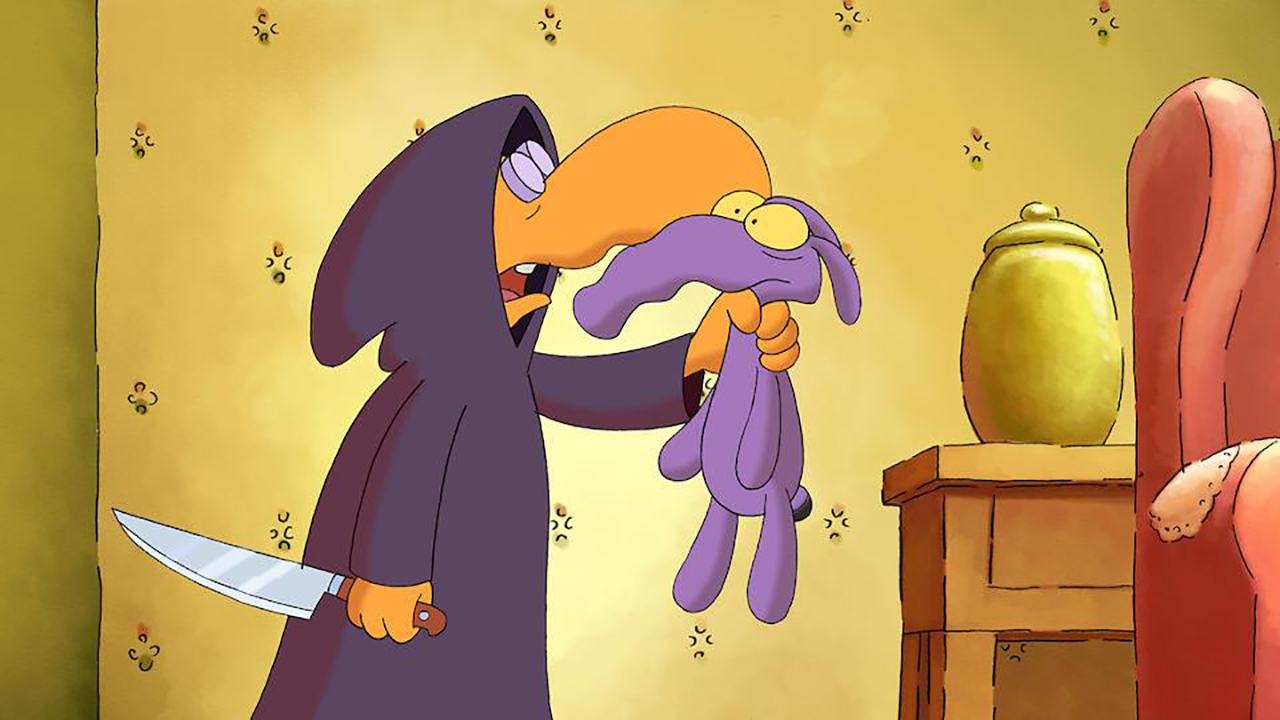
Based on the wildly popular (and equally controversial) comics by Walter Moers, this film doesn't just push boundaries; it gleefully stomps all over them with muddy boots. Moers, a unique voice in German comics known for his absurd and often dark humor (later finding international fame with his Zamonia novels like The 13½ Lives of Captain Bluebear), unleashed his pre-pubescent agent of chaos onto the big screen, and German audiences responded by making it a colossal hit. We’re talking about one of the most successful German films of the year, pulling in millions at the box office – quite a feat for an animated feature aimed squarely at adults with a strong stomach and a warped sense of humor.
### Meet the Menace
Our titular "Kleines Arschloch" is a young boy navigating the treacherous waters of burgeoning puberty, family dysfunction, and societal hypocrisy, all while armed with a cunning intellect, a vocabulary that would make a sailor blush, and an almost sociopathic lack of empathy. He observes the adult world – its weird obsessions, its sexual hang-ups, its sheer absurdity – and comments on it with brutal, often hilariously inappropriate, honesty. His interactions with his perpetually horny grandfather (voiced with legendary comedic timing by the multi-talented German comedian Helge Schneider), his clueless parents, his dog Peppi (who suffers more than his fair share of indignities), and various other unfortunate townsfolk form the backbone of the film's episodic narrative.
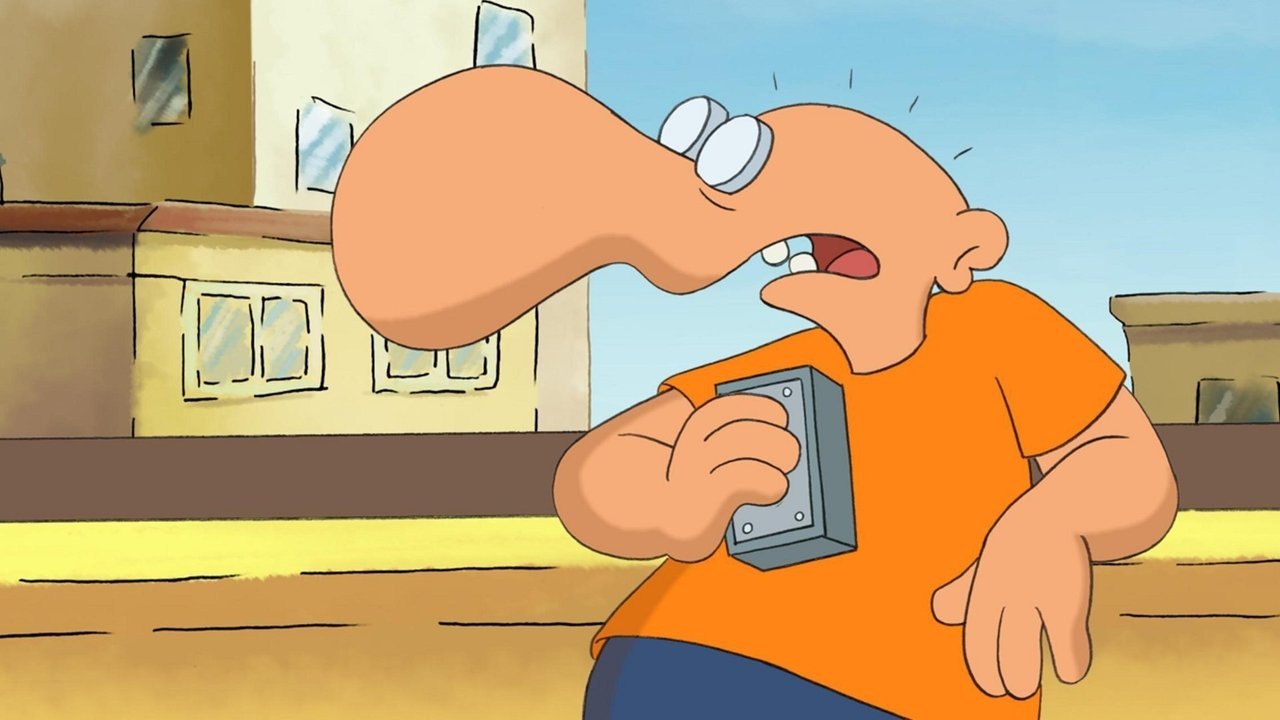
There isn't a grand, overarching plot here in the traditional sense. It's more a series of vignettes showcasing the Kleines Arschloch's unique worldview and his talent for creating awkward, offensive, and genuinely funny situations. Think South Park’s deliberate crudeness meets a distinctly European sensibility for social satire, all filtered through Moers’ singularly bizarre imagination.
### Raw Lines, Raw Laughs
What strikes you immediately, especially watching it now after decades of slick digital animation, is the look. Directed by Michael Schaack and Veit Vollmer, the film faithfully captures Walter Moers' distinctive art style from the comics. The animation is deliberately unpolished, favouring thick, expressive lines and characters that often look grotesque or unsettling. It feels hand-drawn, tangible, almost scrappy – the visual equivalent of punk rock. There's no attempt to smooth things over or make it pretty. Remember how certain hand-drawn animation just felt more alive, more personal than the polished perfection we often see today? This film embodies that raw energy.
This visual style perfectly complements the humour, which is relentless, shocking, and often hinges on bodily functions, sexual exploration (in the most awkward ways imaginable), and mocking everything from religion to authority figures. It's the kind of humour that likely wouldn't get greenlit today without significant watering down. Was it designed purely to offend? Maybe partly, but beneath the shock value, there’s a current of surprisingly sharp observation about the weirdness of growing up and the even weirder behaviour of adults. It's juvenile, yes, but often knowingly so.
### Voices of Anarchy
The voice acting is a huge part of the film's success, particularly in its original German. Helge Schneider, a comedian known for his improvisational and surreal style, doesn't just voice the grandfather; he becomes him. His rambling, often nonsensical delivery adds layers of absurdity that elevate the character beyond just a "dirty old man" trope. The voice actor for the Kleines Arschloch himself, Ilona Schulz (yes, voiced by a woman, a common technique for young boy characters), perfectly captures the character's deadpan delivery and unnerving precociousness. While an English dub exists, experiencing it in German with subtitles truly captures the intended rhythm and comedic impact.
A little Retro Fun Fact: The film's production wasn't without its challenges. Translating Moers' static comic panels, heavily reliant on internal monologue and specific visual gags, into a dynamic animated feature required careful adaptation by Moers himself, who co-wrote the screenplay. They had to ensure the pacing worked cinematically while retaining the essence of the comic's bite.
### Still Shocking After All These Years?
Watching Kleines Arschloch today is a fascinating experience. Some of the humour definitely feels like a product of its time – edgy 90s transgression dialled up to eleven. It's crude, offensive, and unapologetically so. Yet, there's an undeniable energy and fearlessness to it. In an era of often carefully curated and market-tested entertainment, its sheer audacity feels strangely refreshing. It’s a potent reminder of a time when mainstream animation could still feel genuinely subversive and wasn’t afraid to alienate parts of the audience to deliver its particular brand of shock comedy. I remember seeing the worn-out rental tape cover with that leering kid and knowing it promised something... different. It delivered.
Rating: 7/10
Justification: While undeniably crude and not for everyone (seriously, not for the easily offended), Kleines Arschloch is a significant piece of 90s German pop culture, a successful and audacious adaptation of a cult comic. Its commitment to its source material's raw style and humour, combined with memorable voice work (especially Schneider), makes it stand out. It loses points for the sometimes-uneven pacing inherent in its vignette structure and the fact that some shock-value gags land better than others, but its sheer nerve earns it respect.
Final Thought: Forget sanitized cartoons; this is animation with dirt under its fingernails and absolutely no filter – a true relic from the wilder side of the VHS shelves. Approach with caution, but also with an appreciation for its unapologetic, grubby charm.