Okay, slide that worn-out copy of American Shaolin into the VCR, maybe give the tracking a little nudge, and settle in. Remember finding this one nestled between the usual action heroes on the rental store shelf? The cover art, maybe a bit dramatic, promised a classic East-meets-West showdown, but what unfolded was something surprisingly earnest, a film penned by Keith W. Strandberg, the same mind behind the wonderfully over-the-top No Retreat, No Surrender (1986). It instantly signals you're in for a certain kind of 90s martial arts experience – part cheese, part heart, and plenty of kicks.
### Culture Shock Therapy
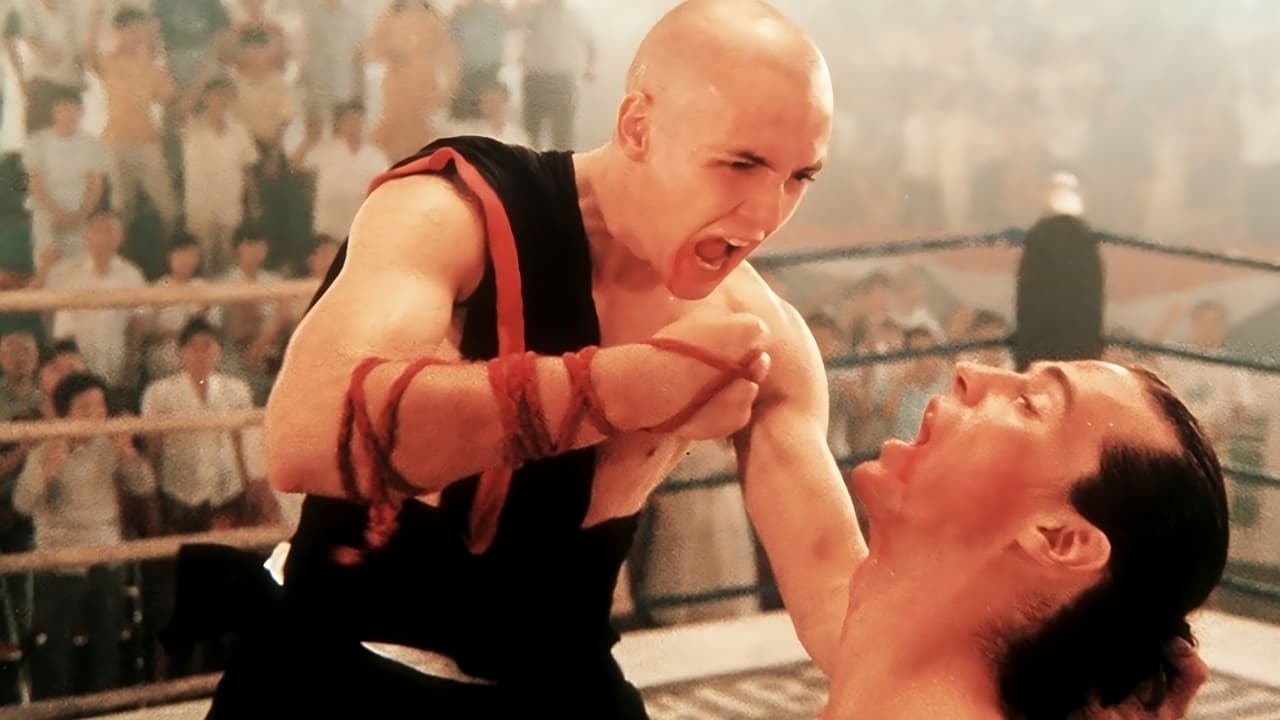
The setup is pure fish-out-of-water gold, albeit filtered through the lens of early 90s action tropes. We meet Drew Carson (Reese Madigan), an arrogant American kickboxer who gets his ego thoroughly stomped in the ring by a merciless opponent. Humiliated and seeking a path to redemption (and maybe revenge), he does what any sensible, slightly bruised fighter would do: flies to China to train at the legendary Shaolin Temple. Madigan, who didn't become a household action name, actually carries the film quite well, believably portraying Drew's transformation from entitled hothead to a more disciplined student of the art. His journey is the core of the film, navigating not just intense physical training but also the stark cultural differences and the rigid hierarchy of the monastery.
### Stepping Into the Temple
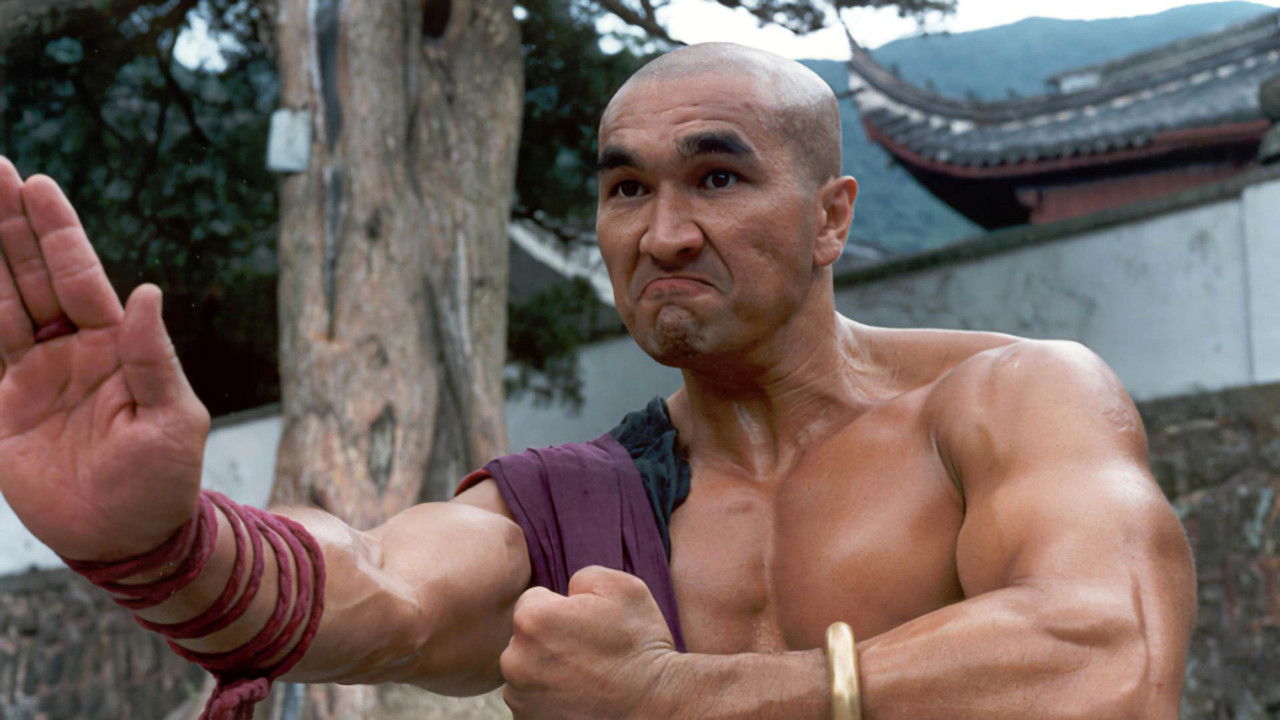
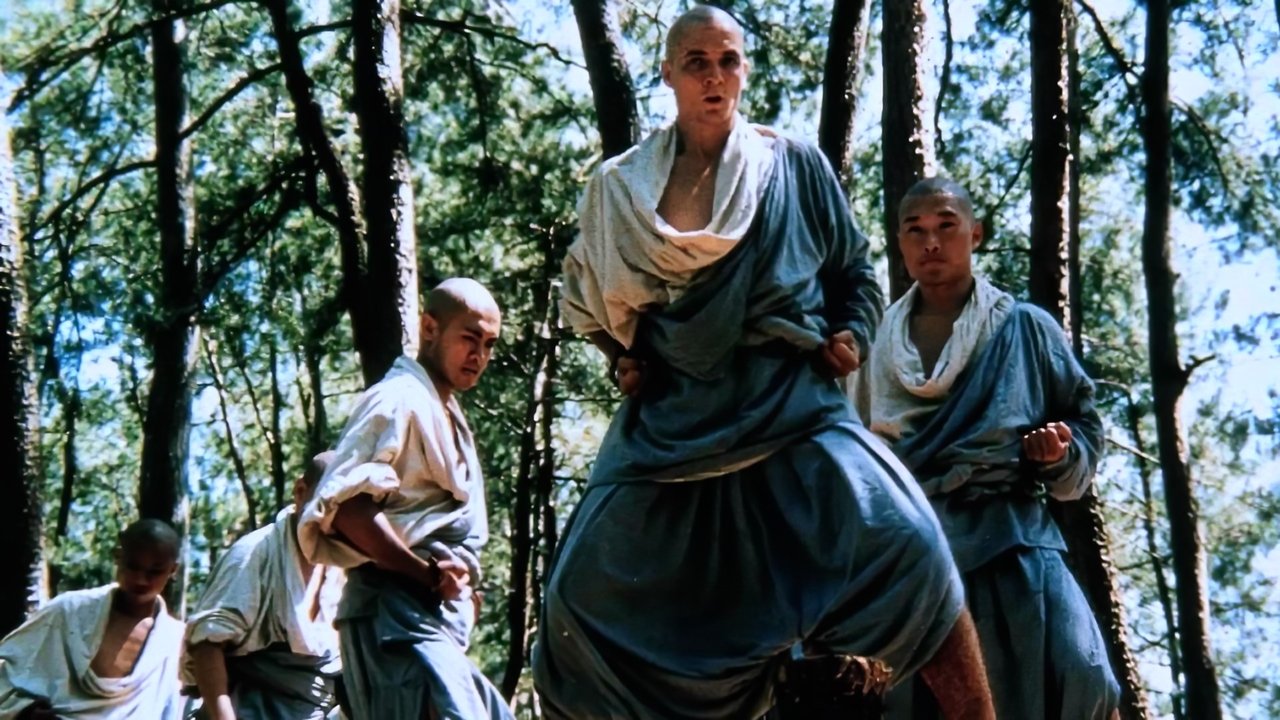
What really set American Shaolin apart back then, especially for a film that largely found its home on video store shelves rather than multiplexes, was its setting. Unlike many martial arts films shot entirely on backlots or generic locations, parts of this were actually filmed in China, lending a welcome layer of authenticity to the proceedings. Seeing the monks' daily routines, the ancient architecture (even if not always the Shaolin Temple itself, the vibe was there!), and the sheer dedication required felt different. It wasn't just about learning to fight; it was about absorbing a philosophy. This is where we get some fun supporting characters among the monks, including an early-career appearance by Daniel Dae Kim (yes, Jin from Lost!) as Gao, one of Drew's fellow trainees. His presence is a fun "before they were famous" spot for eagle-eyed viewers today. The film takes its time showing the grueling training – the stances, the discipline, the spirituality – making Drew's eventual progress feel earned.
### Fists, Feet, and That Pre-CGI Feel
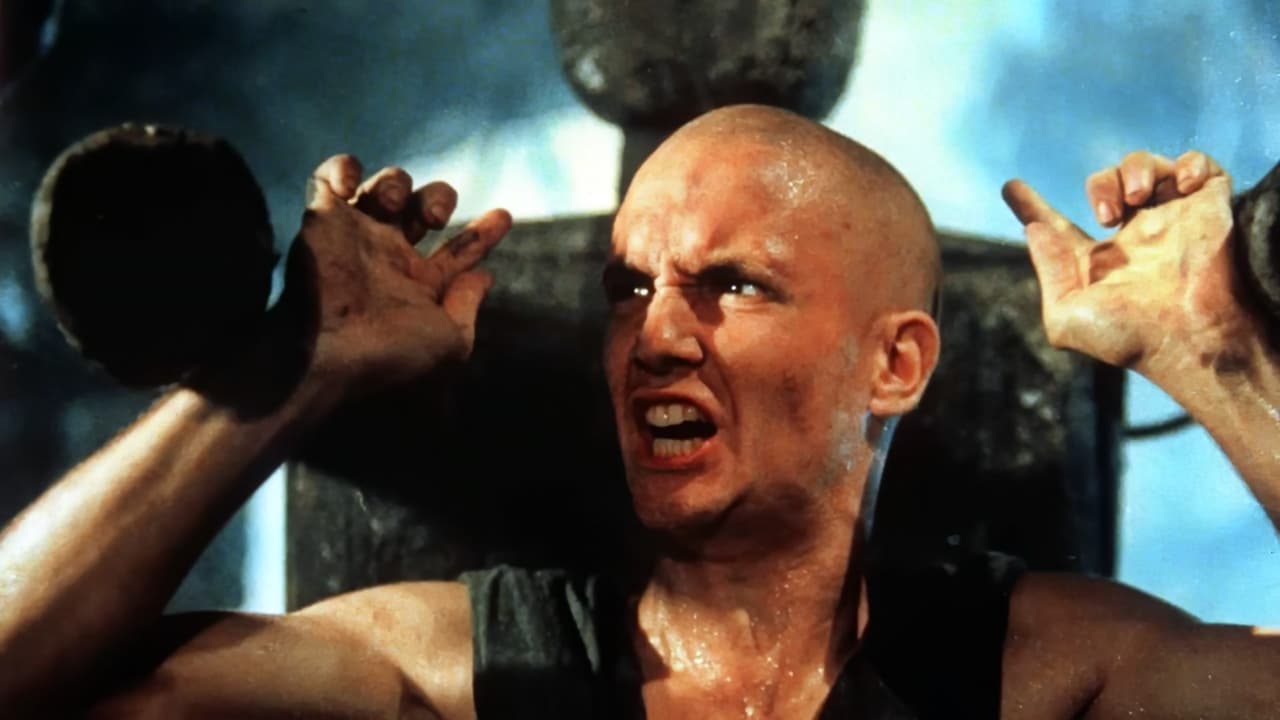
Let's talk action, because that’s a big reason we rented these tapes, right? American Shaolin delivers solid, grounded martial arts sequences. Director Lucas Lowe keeps things clear and focused. This is firmly in the era of practical stunt work. Forget floaty wire-fu or digital doubles – the impact here comes from the performers themselves. Remember how real those hits looked back then? The choreography emphasizes powerful strikes, blocks, and traditional forms. You see the effort, the speed, the precision honed through repetition – it feels tangible in a way that slicker, modern action sometimes misses. The climactic tournament, while predictable, provides the necessary payoff, showcasing Drew's newfound skills against formidable opponents, including the rival trainer San De, played with suitable intensity by Trent Bushey. It might not have the budget-bending spectacle of Hong Kong's golden age output, but the fights have a satisfying crunch.
### More Than Just Kicks
Beyond the training montages and showdowns, American Shaolin tries to weave in themes of humility, respect, and finding oneself. It’s not incredibly deep, perhaps, but the sincerity elevates it above being just another Karate Kid knock-off. The script occasionally dips into cheesy dialogue or slightly awkward comedic moments typical of the period, but it’s all part of the charm. It reflects that early 90s attempt to blend action with a bit more character development, even if the results feel a little dated now. The supporting cast of monks adds warmth and humour, preventing Drew's journey from becoming too self-serious.
### Straight-to-Video Royalty
Make no mistake, American Shaolin wasn't a box office smash. It was quintessential VHS fodder, the kind of movie you discovered through word-of-mouth or a cool cover box. And that’s where its legacy lies – as a beloved staple for martial arts fans growing up in the late 80s and early 90s. It might have been overshadowed by bigger stars and franchises, but it carved out its own niche with its unique setting and earnest approach. Watching it now evokes that specific feeling of renting a slightly obscure action flick and being pleasantly surprised.
Rating: 7/10
Justification: American Shaolin earns a solid 7. It delivers on its martial arts promise with well-choreographed, practical fight scenes and benefits immensely from its authentic Chinese locations, a notable effort for its budget level. Reese Madigan is a likable lead, and the fish-out-of-water story, while familiar, is handled with sincerity. It loses points for some predictable plot beats and occasional 90s cheese, but its heart, unique setting, and satisfying action make it a standout title from the direct-to-video golden age.
Final Comment: Forget the wires and the digital trickery; American Shaolin is a charming throwback to when cinematic martial arts felt grounded, earned, and came with a surprising dose of soul, straight from the Shaolin Temple via your local video store shelf. Definitely worth revisiting.